

Venice: The City of Canals is Sinking
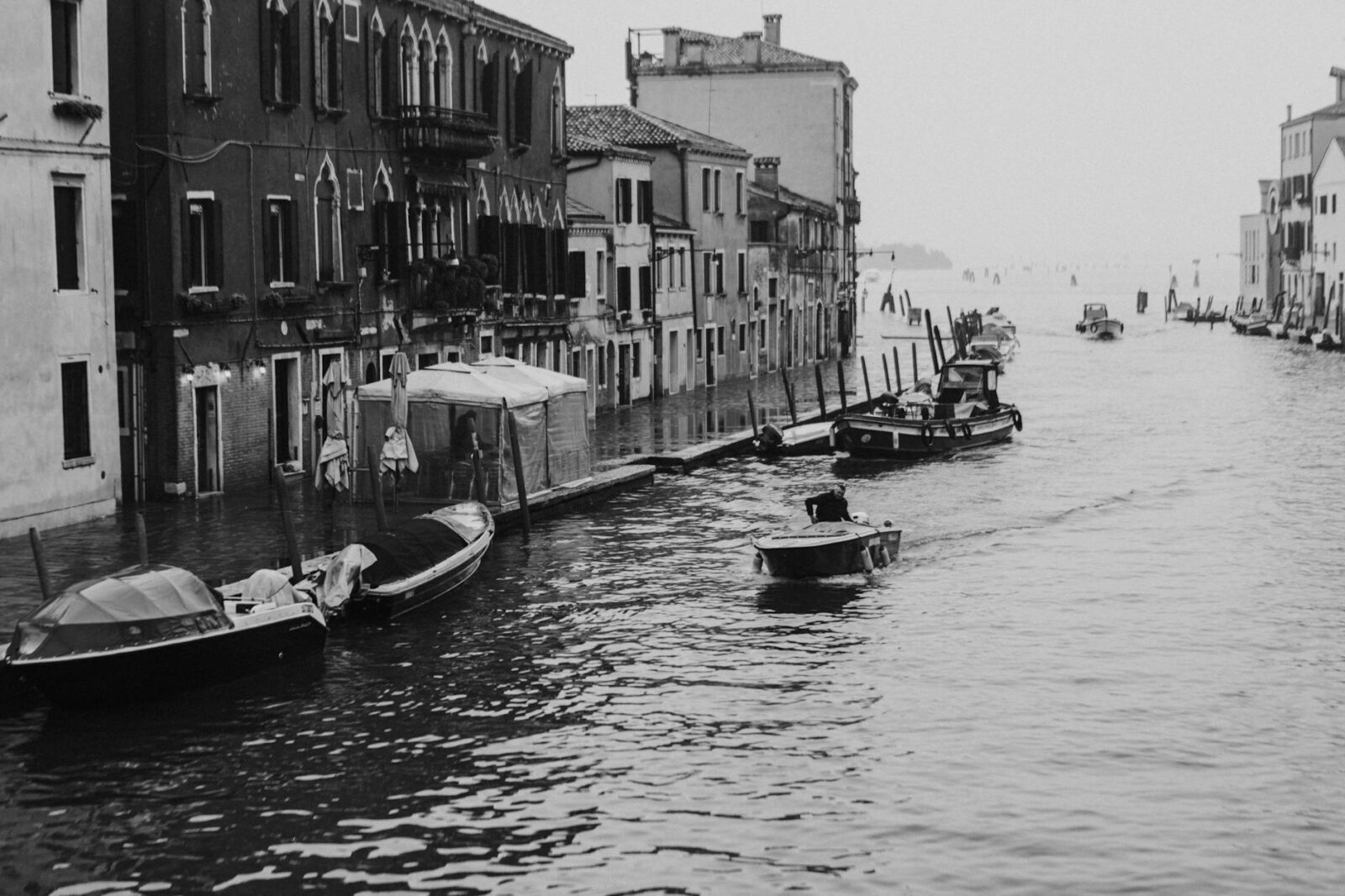
Venice, Italy, a city synonymous with romantic gondola rides, is not just a floating marvel but a sinking one. This enchanting city is subsiding at a rate of approximately 1-2 millimeters per year. Coupled with rising sea levels, the iconic St. Mark’s Square often finds itself submerged during the ‘acqua alta’ or high water events. The Italian government has invested billions in the MOSE project, a series of movable barriers designed to protect the city from the Adriatic Sea. While this engineering feat offers hope, Venice remains perilously close to the brink, a testament to the fragile dance between humanity and nature.
Travelers visiting Venice should be mindful of the seasonal flooding, typically occurring from autumn through winter. Waterproof footwear and a flexible itinerary are recommended to navigate the flooded streets and appreciate the city’s resilient charm.
Tuvalu: The Pacific’s First Nation to Vanish?
Tuvalu, a tiny island nation in the Pacific Ocean, stands as a poignant symbol of climate change’s relentless advance. With its highest elevation barely exceeding 4.5 meters, Tuvalu faces an existential threat from rising sea levels. Experts predict that by 2050, it may be uninhabitable, and by 2100, it could be fully submerged. This dire situation has prompted the government to explore relocation options for its 11,000 citizens.
For those planning to visit, Tuvalu offers a glimpse into a vanishing world. Experience traditional Polynesian culture and pristine lagoons while supporting local conservation efforts. Visitors are encouraged to engage with the community and learn about their resilience in the face of adversity.
Maldives: A Paradise on the Edge
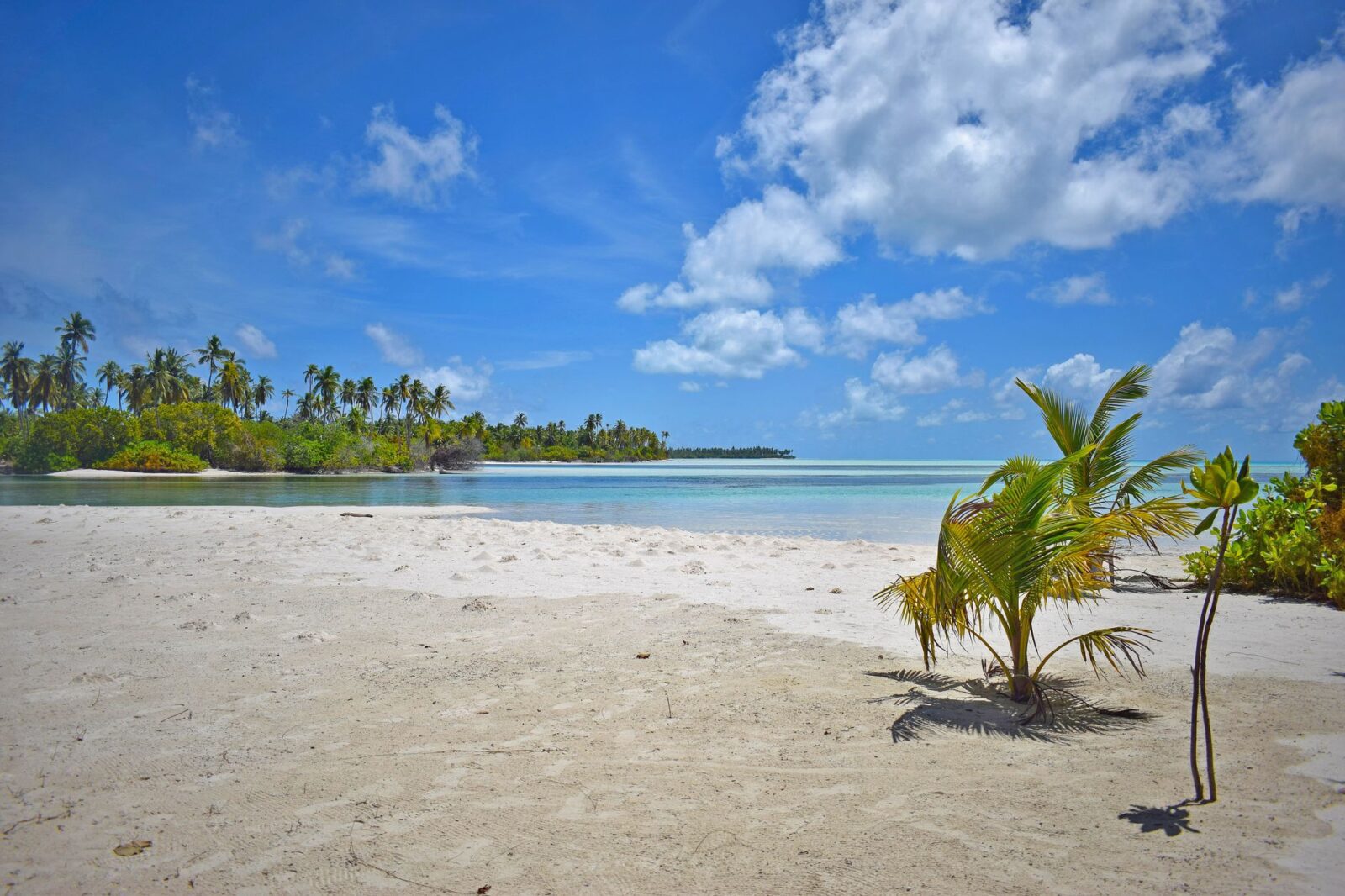
The Maldives, an archipelago of 1,190 coral islands, is renowned for its azure waters and luxurious resorts. However, this paradise is under siege from the very waters that define its beauty. With an average elevation of just 1.5 meters above sea level, the Maldives is one of the world’s most vulnerable countries to climate change. The government has even considered purchasing land abroad to relocate its population.
While the Maldives remains a top destination for honeymooners and divers, visitors should be aware of the sustainability challenges it faces. Eco-friendly resorts and conservation projects are crucial to preserving the islands for future generations. Travelers can contribute by choosing environmentally responsible accommodations and supporting local initiatives.
Kiribati: The Disappearing Nation
Kiribati, straddling the equator and the international date line, is a nation of 33 atolls and reef islands. It faces a grim future with projections indicating it could be completely submerged by 2100. The government has already purchased land in Fiji as a potential refuge for its people, emphasizing the severity of the threat.
Visitors to Kiribati can witness firsthand the impacts of climate change on its fragile ecosystems. The nation’s unique cultural heritage and traditions are also at risk, making it a poignant destination for those interested in climate resilience and adaptation strategies.
Solomon Islands: Eroding Shores
The Solomon Islands, with their diverse marine life and vibrant cultures, are slowly losing ground to the sea. Rising sea levels and coastal erosion have already submerged several of its smaller islands. In some areas, entire communities have been forced to relocate inland.
Travelers to the Solomon Islands can explore its rich biodiversity and engage with local communities working to adapt to changing environmental conditions. Supporting sustainable tourism and conservation efforts can help preserve the islands’ natural and cultural treasures.
Bangkok: A City Sinking into the Earth
Bangkok, Thailand’s bustling capital, is sinking at an alarming rate of more than 1 centimeter per year. This urban sprawl, built on marshland, faces a double threat from subsidence and rising sea levels. Experts warn that without significant intervention, Bangkok could be below sea level by 2030.
Visitors to Bangkok can still enjoy its vibrant street life and historical landmarks, but should be aware of the city’s flooding issues, especially during the rainy season. Supporting local efforts to combat climate change and urban planning initiatives is crucial for the city’s future.
Seychelles: Luxury in Peril
The Seychelles, a luxury vacation destination in the Indian Ocean, comprises 115 islands, many of which are low-lying and vulnerable to sea level rise. Home to about 130,000 people, much of the population and infrastructure are concentrated along the coast, making them susceptible to storm surges and flooding.
Travelers seeking the idyllic beaches of the Seychelles should consider the environmental impact of their visit. Choosing sustainable accommodations and participating in conservation programs can help mitigate the effects of climate change on this paradise.
Tangier Island: A Shrinking Community
Tangier Island, located in the Chesapeake Bay, USA, is eroding at an alarming pace. Once home to over 1,100 residents, the population has dwindled to around 450 as the island loses land each year. The community is renowned for its unique dialect and way of life, which are at risk of disappearing along with the land.
Visitors to Tangier Island can experience its rich history and distinctive culture before it vanishes. Supporting local businesses and engaging with the community can provide valuable insights into the challenges faced by small island populations.
Fiji: Facing the Future with Resilience
Fiji, a collection of over 300 islands in the South Pacific, is renowned for its stunning coral reefs and welcoming culture. However, it faces increasing threats from rising sea levels and severe weather events. The Fijian government has been proactive in addressing climate change, even chairing the UN’s climate negotiations in 2017.
Travelers to Fiji can enjoy its natural beauty while supporting efforts to combat climate change. Participating in eco-friendly tours and engaging with local communities can make a positive impact on the islands’ future.
Marshall Islands: A Nation on the Frontline
The Marshall Islands, situated in the central Pacific Ocean, are on the frontline of climate change. With an average elevation of just 2 meters, they are highly vulnerable to sea level rise and extreme weather. The government has been vocal in international climate discussions, emphasizing the urgent need for global action.
Visitors to the Marshall Islands can explore its unique culture and natural beauty while learning about the challenges faced by its people. Supporting sustainable practices and raising awareness about climate change can contribute to the islands’ resilience.
Conclusion: Act Now to Preserve Our Islands
As travelers and global citizens, we have a responsibility to protect these vulnerable islands. Supporting sustainable tourism, advocating for climate action, and raising awareness can help preserve these unique destinations for future generations. Share this article to spread the word and inspire others to take action.
FAQ
Why are these islands sinking?
These islands are primarily sinking due to rising sea levels caused by climate change, as well as natural subsidence in some cases.
Can anything be done to save these islands?
Efforts include building sea defenses, relocating populations, and implementing sustainable practices to mitigate climate change impacts.
How can travelers help?
Travelers can help by supporting eco-friendly tourism, participating in conservation projects, and advocating for climate action globally.
Is it still safe to visit these islands?
Yes, but visitors should be aware of seasonal flooding and other environmental challenges, and plan their trips accordingly.
Stay informed with the latest travel news, visa updates, and destination guides. Follow HimalayanCrest.com for weekly travel intelligence delivered by our editorial team.