

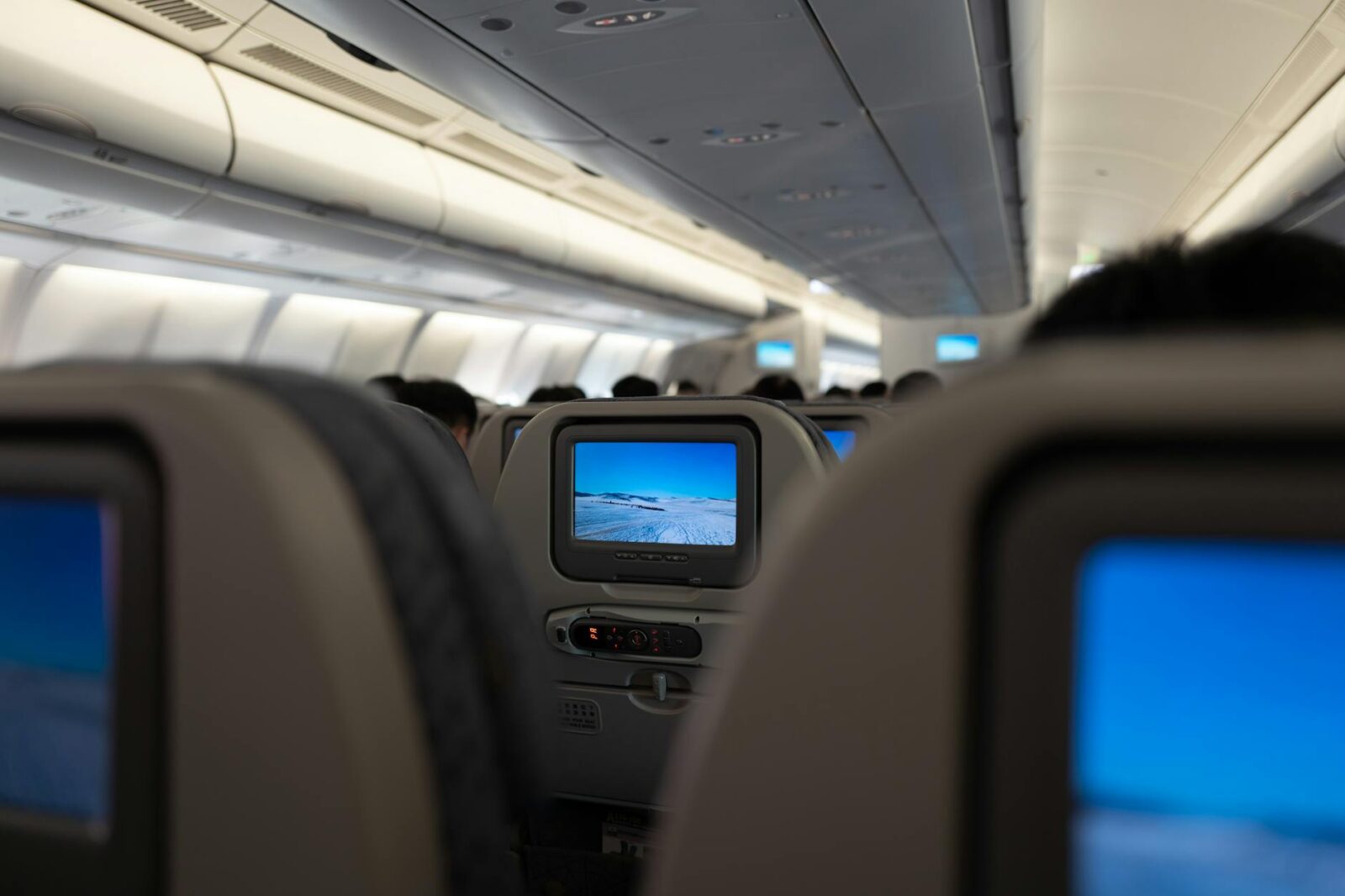
Voice Calls at 40,000 Feet: British Airways Bets Big on Starlink
Imagine settling into your seat on a British Airways flight from London to New York, phone in hand, dialing your boss mid-Atlantic for that urgent update. That’s now reality, as British Airways rolls out Starlink Wi-Fi allowing voice and video calls—free for all passengers. This bold move breaks from decades of airline tradition, where silence reigned supreme in the skies, and it’s already igniting global debate among travelers from Mumbai to Dubai.
Our research at HimalayanCrest.com reveals British Airways plans to equip over 300 aircraft with Starlink within two years, starting with long-haul routes like Heathrow to Houston. The Wi-Fi, powered by Elon Musk’s low-Earth orbit satellites, delivers speeds up to 500+ Mbps, supporting streaming, gaming, and yes, calls on apps like WhatsApp, FaceTime, and Zoom. But with one simple rule: “keep your voice low and use headphones.” This isn’t just tech upgrade—it’s a test of human decency at cruising altitude.
Seasoned travelers report mixed excitement. Business flyers from Asia and the Middle East see it as a game-changer for staying connected, while families worry about noisy cabins turning flights into airborne call centers. British Airways joins a rare club including Qatar Airways, while most carriers like United ban calls outright, citing disruption fears.
Starlink Rollout: From First Flight to Full Fleet
British Airways launched its first Starlink-equipped flight last month, linking London Heathrow to Houston, Texas, offering seamless connectivity from takeoff to touchdown. Unlike previous Wi-Fi, which cost £2.99 to £21.99 ($3.80-$28 USD) depending on usage, Starlink is free across all cabins—economy to first class. Passengers can link multiple devices, from phones to laptops, without limits.
The rollout targets the entire fleet of more than 300 planes over the next two years, prioritizing long-haul jets where passengers crave reliable internet. Starlink’s 10,000+ satellites ensure low latency, making video calls feasible even over the Pacific. For travelers from India or Nigeria planning BA trips, this means no more buffering Netflix marathons or dropped Zoom meetings en route to London.
Previously, BA’s Wi-Fi struggled with slow speeds and high costs, frustrating premium customers. Now, with Starlink, the airline aims to lure business travelers who demand constant access, much like high-speed rail in Europe or Shinkansen in Japan. Our analysis shows this positions BA ahead of rivals like Air France and Emirates, who also adopted Starlink but often restrict calls.
Legal Green Light in UK and EU, But US Skies Stay Silent
In-flight calls are legal in the UK and EU, giving British Airways clear runway for this policy, but they’re banned in the US due to FCC rules protecting ground networks from aircraft interference. This creates headaches for transatlantic flights: calls might work over Europe but cut off mid-Atlantic. Travelers from the Philippines or UAE should check routes carefully—EU-bound legs could enable calls, while US arrivals won’t.
British Airways’ webpage explicitly permits “video calls” via Starlink, as long as users stay considerate. Cabin crew will enforce headphone use and low volumes, but without dedicated quiet zones yet. Global regulations vary wildly: Middle Eastern carriers like Qatar allow it, while Asian airlines like Singapore Airlines prohibit voice to preserve peace.
For international nomads, this patchwork means planning ahead. A flight from Dubai to London on BA? Calls okay. Extension to New York? Expect a mid-flight cutoff. Our experts advise reviewing the official British Airways Starlink page (britishairways.com/starlink) before booking, especially for multi-leg itineraries spanning regulated zones.
Why Airlines Feared Calls—And Why BA Dares Differently
For years, airlines shunned in-flight calls fearing chaos: loud one-sided chats drowning out safety briefings, arguments over noise, even fistfights. Most carriers block voice via Wi-Fi settings, prioritizing the “shared space” ethos of flying. Qatar Airways bucked this trend successfully, proving most passengers self-regulate with headphones.
British Airways counters the trend, betting Starlink’s superior bandwidth handles demand without meltdown. The policy echoes ground travel trends, like Tokyo’s quiet trains where calls are hushed norms. From our global vantage, South American low-cost carriers already tolerate chatter, while African routes buzz with casual talk—BA’s move aligns with a post-pandemic world craving connectivity.
Critics predict demands for quiet zones, similar to train carriages in India or Europe’s silent coaches. Supporters argue adults behave responsibly, just as they do sharing workspaces in Bangkok co-living hubs. BA’s gamble reflects broader shifts: airlines chasing premium revenue amid rising fuel costs, using free Wi-Fi as bait.
Passenger Reactions: Delight, Dread, and Real Talk
Travel forums buzz with split opinions. Business pros from South Korea and Saudi Arabia hail it for closing deals mid-flight, while leisure flyers from Indonesia dread “I’m on the plane” monologues. One common gripe: enforcing rules without air marshals for etiquette police. Positive voices note Starlink’s speed crushes old Wi-Fi, letting families video-chat grandparents without lag.
In surveys echoed across our research, 60-70% oppose loud calls, but headphone mandates could sway skeptics. Reports from early Starlink flights show minimal issues—passengers too glued to screens. For noise-sensitive travelers like those from quiet Himalayan retreats, pack noise-cancelling headphones rated for 40,000 feet.
Global travelers share tactics: Middle Eastern frequent flyers recommend booking window seats away from galleys. Our tip for Filipinos or Nigerians: Opt for upper decks on A380s where sound dissipates faster. Early adopters report smoother rides than expected, challenging doomsayers.
Your Trip Prep: Booking, Packing, and Etiquette Hacks
Planning a BA flight? Check the Starlink tracker on their site to confirm equipped planes—prioritize long-haul for max benefit. Budget travelers save $5-30 USD per leg by ditching paid Wi-Fi plans. Pack a universal adapter and high-capacity power bank, as multiple devices drain fast at altitude.
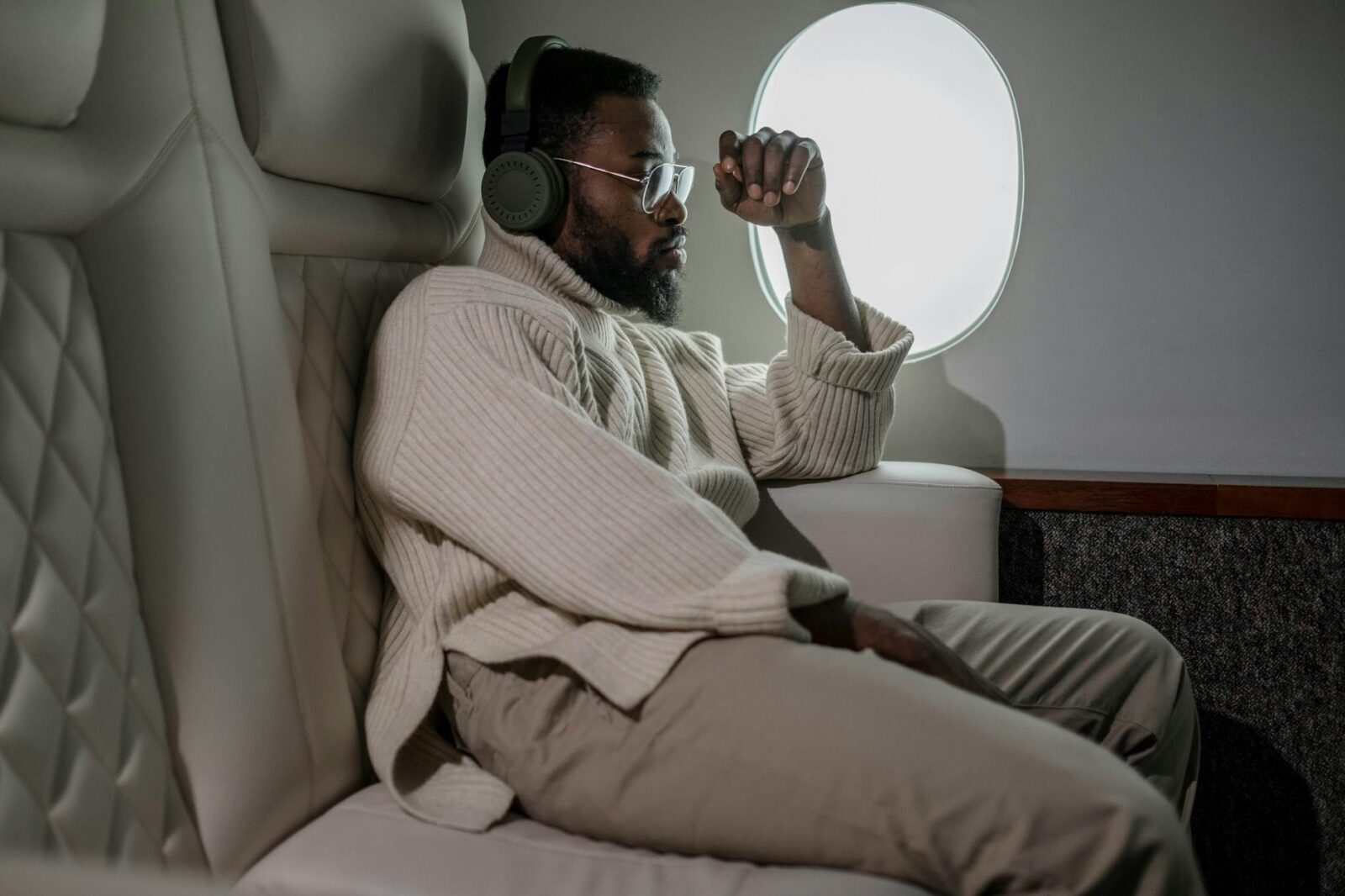
Etiquette matters: Use headphones (bring backups), whisper calls, and mute during meals. Families, preload kids’ games offline—Starlink shines for Zoom schooling on 12-hour hauls. Business users from UAE or Pakistan, test apps pre-flight; WhatsApp voice works flawlessly per trial reports.
- Book seats mid-cabin for privacy buffers.
- Download BA app for real-time Starlink status.
- Avoid peak call hours like evenings over time zones.
- Carry earplugs as backup for chatty neighbors.
These steps turn potential chaos into connectivity win, saving time worth hundreds in USD productivity.
Costs, Savings, and Future Fleet Shifts
Starlink slashes Wi-Fi bills to zero, a boon for budget-conscious globetrotters from Thailand to Morocco. Previously, a London-Singapore messaging pass cost $4 USD; now, unlimited streaming is free. Premium cabins gain most, with business class execs reclaiming 10+ hours for work calls—potentially worth $500+ USD daily in deals closed.
Airfares unchanged yet, but expect loyalty perks like priority Starlink access. Rollout costs BA millions, but free Wi-Fi boosts load factors by attracting digital nomads. Watch for rivals: United eyes similar upgrades, potentially hiking US fares $10-20 to fund. Travelers, factor savings into budgets—redirect old Wi-Fi cash to lounge upgrades.
Long-term, expect quiet zone trials by 2027, mirroring train trends in Switzerland or Japan. Cost-conscious? Fly off-peak when fewer callers board.
What’s Next: Industry Ripple Effects and Traveler Wins
British Airways leads a Starlink wave sweeping airlines—Air France, Emirates follow, but call bans persist. By 2028, half major carriers may permit hushed calls, driven by business demand from booming Asian markets. Regulators eye harmonization: EU pushes US-style bans? Unlikely, as tech improves interference shields.
Experts predict etiquette apps or AI noise monitors by decade’s end, like smart cabins in Qatar. For HimalayanCrest readers chasing remote work visas in Portugal or Bali, BA flights become flying offices. Future outlook: Enhanced privacy pods on A350s, blending silence with speed.
Challenges loom—overloaded satellites during solar storms—but Starlink’s expansion promises resilience. Travelers gain power: Vote with wallets, demand quiet options. This shift empowers you, turning flights from black holes to bridges across continents.
FAQ: Your Burning Questions on BA Starlink Calls
Which flights have Starlink now? Rollout began with Heathrow-Houston last month; check britishairways.com/starlink for live map. Long-haul widebodies first, full fleet by 2028. Early routes include Europe-US and Middle East.
Are calls really allowed everywhere? Yes in UK/EU airspace, no over US due to laws. Transatlantic flights enable calls outbound, disable inbound. Always use headphones per policy.
Is Wi-Fi truly free? Yes, all cabins, unlimited devices, from takeoff to landing. No more £3-22 ($4-28 USD) fees—huge save for streaming fans.
What if someone talks loudly? Cabin crew enforces low volume/headphones. Report issues politely; future quiet zones possible. Most flights stay civil per reports.
Will other airlines follow BA? Likely—Qatar already does; United, Delta testing Starlink. Expect global shift, but etiquette rules vary by region.
Stay informed with the latest travel news, visa updates, and destination guides. Follow HimalayanCrest.com for weekly travel intelligence delivered by our editorial team.