

Chaos at the Gates: Europe’s Bold Bet on Biometrics Hits Full Speed
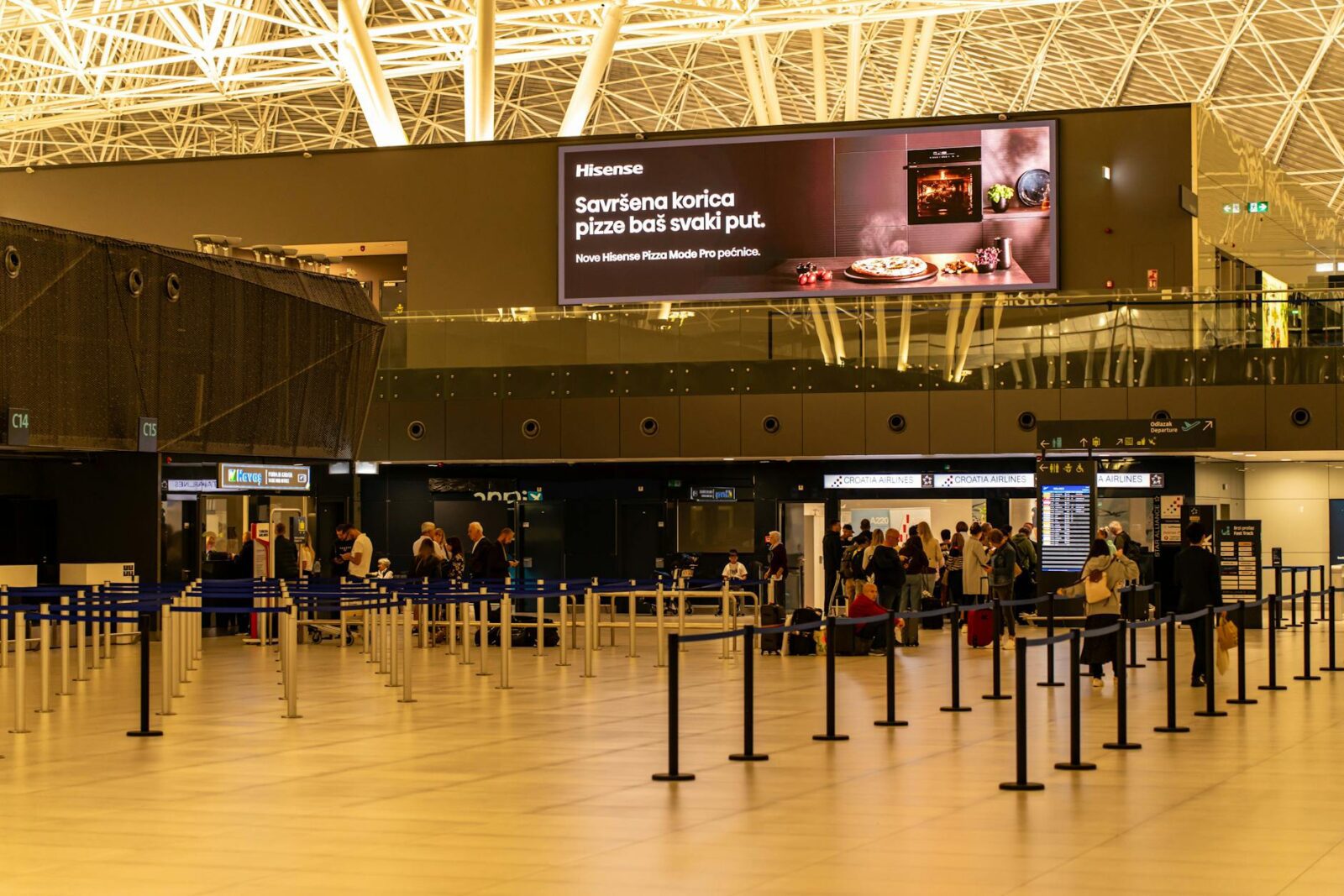
Picture this: you’re jet-lagged from a long-haul flight from Dubai or Mumbai, dreaming of gelato in Rome or a sunset cruise in Santorini, only to face a two-hour snake of frustrated travelers at passport control. That’s the stark reality hitting non-EU visitors as the European Union’s Entry/Exit System (EES) roars into full operation across the 29-member Schengen Area this week, with a hard deadline of April 10, 2026. After a bumpy gradual rollout since October 12, 2025, this biometric overhaul ditches old-school passport stamps for fingerprints and facial scans, promising smoother long-term travel but sparking immediate nightmares at busy airports like Amsterdam Schiphol and Paris Charles de Gaulle.
Our research at HimalayanCrest.com, drawing from official EU updates and industry reports, reveals why this matters to global wanderers from Asia, Africa, and beyond. Non-EU passport holders—think Indians, Nigerians, Filipinos, and UAE residents—must now submit biometrics on every entry, tracking stays up to 90 days in any 180-day period. Trade groups warn of ‘significant disruptions,’ with some travelers already clocking hours-long delays during the phased intro. Yet the EU stays committed, offering ‘certain flexibilities’ over summer to dodge total meltdown.
Seasoned travelers report varied impacts: quiet mornings at smaller ports breeze through, but peak hours at major hubs grind to a halt. This isn’t just a European quirk—it’s a seismic shift echoing global trends like the US ESTA or UK’s ETA, where tech aims to clamp security while easing flows. For you planning that family trip to Barcelona or a business jaunt to Berlin, understanding EES now could save your vacation.
What Exactly is the EES and Who Gets Caught in Its Net?
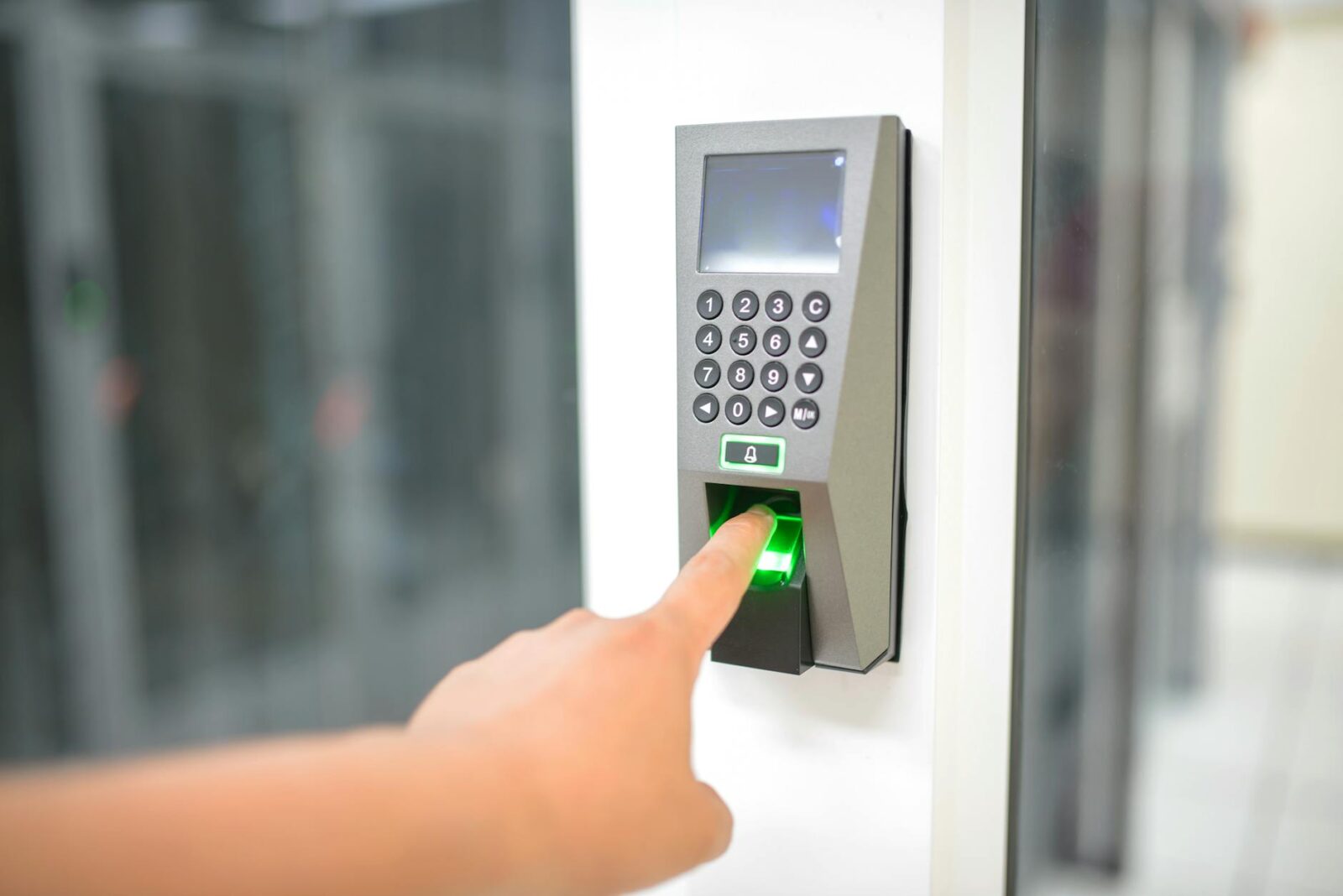
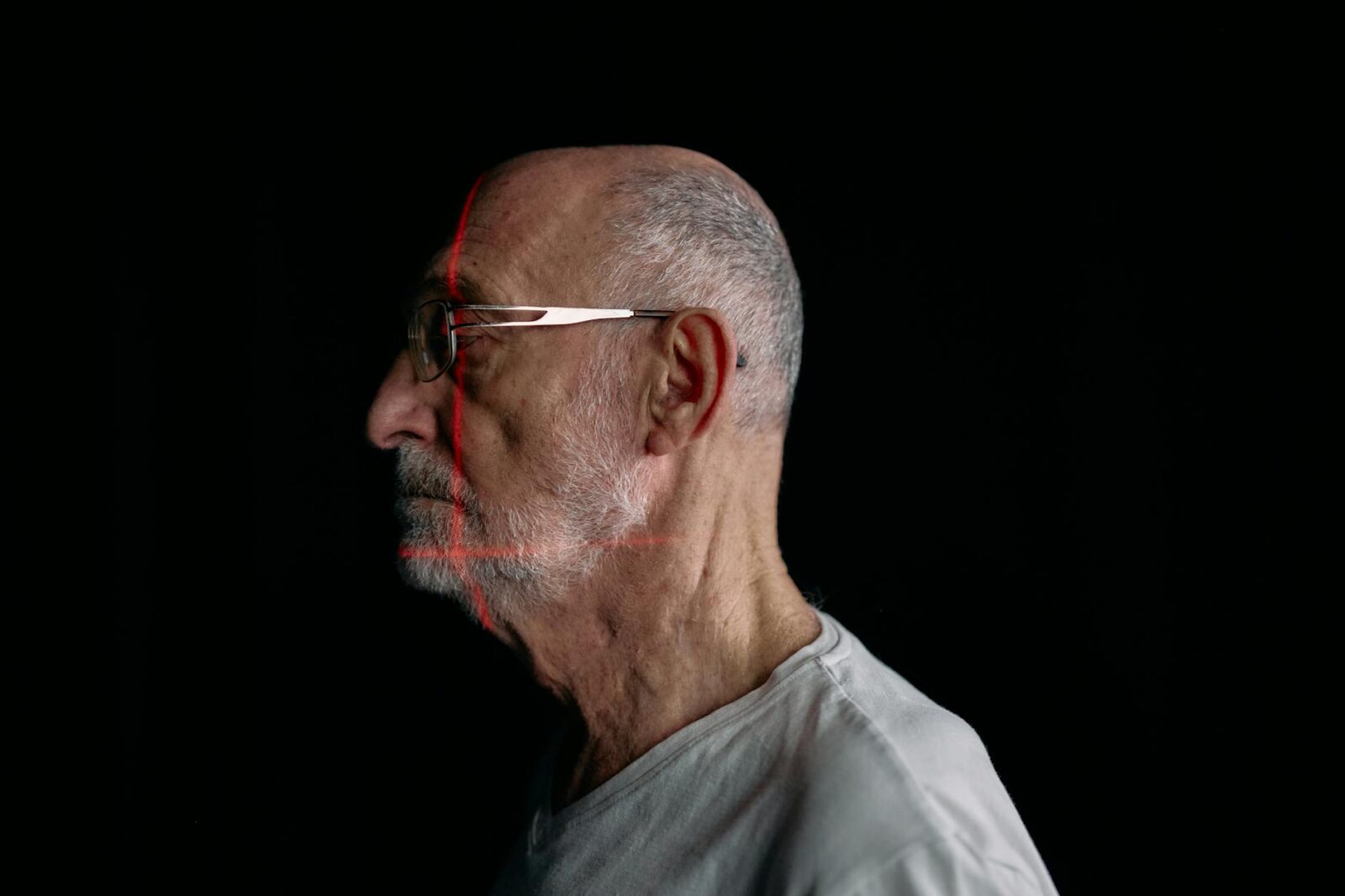
The EES is Europe’s digital border brain, registering non-EU nationals—visa-free or short-stay visa holders—crossing into Schengen countries like France, Germany, Italy, Spain, and the Netherlands. Upon first entry, you’ll scan fingerprints (up to 10), snap a facial image, and share passport details, entry/exit dates, and locations. No more ink stamps; instead, a centralized database flags overstays automatically, boosting security against irregular migration.
This applies to all non-EU travelers for short stays, from US citizens to those from Brazil, South Africa, or Thailand. Dual citizens entering on an EU passport skip it entirely. The system started gradually on October 12, 2025, with at least one border point per country live, ramping to 10% after 60 days, and now hits full throttle by April 10, 2026. Airlines face new duties too: from April 2026, they must check passenger data via a carrier interface before flights.
Exemptions? None broad ones mentioned, though some routes see partial suspensions or flexibilities during summer peaks to curb queues. Ports, land borders, and smaller airports lag behind majors, so a ferry from Morocco to Spain might still feel old-world while Heathrow’s eGates choke. Our experts advise checking specific borders via official sites like travel-europe.europa.eu/ees before booking.
Airports Under Siege: Real Delays and Rocky Rollouts Exposed
Since October 2025, EES pilots have unleashed chaos at key hubs. Travelers from non-EU spots report waits stretching to hours, varying by time, volume, and destination—worse at high-traffic spots like Frankfurt or Madrid Barajas. Julia Lo Bue-Said of Advantage Travel Partnership noted ‘significant delays at different airports and times,’ with impacts amplifying as full rollout nears and summer surges.
Major airports are scrambling: installing self-service kiosks for biometrics, expanding eGates, and training staff. Yet trade groups cry foul, warning full implementation could balloon lines further. The EU’s response? ‘Flexibilities’ over summer, likely meaning phased enforcement or extra lanes at hotspots. Airlines like those serving routes from Lagos or Manila update advisories, urging 1.5 to 2 hours extra at airports post-April 10.
Our on-the-ground insights from traveler forums and operator briefs paint a patchy picture: some French ports hum smoothly, while Italian and Dutch borders stutter. This teething phase mirrors past tech rollouts, like US Global Entry glitches, but with Europe’s 100 million+ annual non-EU visitors, stakes are sky-high.
Why Now? EES Fits into a World Racing Toward Digital Borders
EES isn’t happening in a vacuum—it’s part of a global sprint to digitize frontiers amid rising migration and security woes. Think US ESTA ($21 fee), Canada’s eTA, or Australia’s ETA, all pre-screening visa-free folks. The UK launched its £10 ETA app last year, demanding passport pics and biometrics for two-year validity. EES skips the pre-approval fee but mandates on-arrival scans, tracking overstays that manual stamps missed—up to 20% evasion pre-EES, per EU estimates.
Post-COVID, Europe eyes resilience: faster refunds, flexible cancels via new package holiday rules, but EES targets the 90/180 rule enforcement. With 30 countries (soon including Bulgaria, Romania) in scope, it’s a mega-upgrade from paper chaos. For emerging markets like India (millions visiting yearly), it levels the field with automated tracking, much like Dubai’s smart gates.
Broader trends? Biometrics boom everywhere—from Singapore’s facial scans to Saudi Arabia’s iris tech. EES paves for ETIAS, launching Q4 2026: a €7 online authorization (free under 18/over 70) for visa-free travelers, valid three years. Delays pushed ETIAS from 2025, but full duo by 2027 promises ‘smoother, secure’ flows long-term.
Pack Your Patience: Hands-On Tips for Stress-Free Schengen Trips
Non-EU adventurers, here’s your action plan. Arrive 1.5-2 hours early at airports—Euronews pegs it essential post-April 10. Download airline apps for live border wait times; check eu-ees.com or travel-europe.europa.eu/ees for live status. Opt for eGate-equipped hubs like Amsterdam or Helsinki over stamp-heavy land crossings.
Travel light for kiosks: clean hands for prints, no hats/glasses for faces. Families? Kids need scans too, slowing groups. Cruise lines and ferries update advice—Eurotunnel or Dover-Calais might flex. From the Philippines to Nigeria, verify via your embassy or official EU sites; avoid third-party scams.
- Check flights: Confirm airline EES readiness; some deny boarding sans data.
- Backup plans: Book flexible tickets; EU rules now mandate faster refunds.
- Summer dodge: Fly mid-week, early mornings to slash queues.
- ETIAS prep: Register early come Q4 2026 via etias.europa.eu.
Budget $20-50 extra for lounge access if delays hit—worth it for that Istanbul layover turned marathon.
Crystal Ball: Disruptions Fade, But Summer Tests the System
Industry leaders predict rough weeks ahead, peaking June-August with 20%+ more traffic. Flexibilities—extra staff, staggered kiosks—should ease by July, with full teething over by fall. Long-term win: biometrics slash manual checks, cutting future waits to minutes, per EU projections.
Airlines push solutions: pre-register biometrics via apps (pilots underway), AI queue predictors. Watch Bulgaria/Romania partial joins soon. If glitches persist, partial suspensions loom, but commitment holds. For 2027, EES+ETIAS duo transforms Europe into a seamless zone, rivaling Asia’s efficiency.
Our forecast: 80% smooth by year-end, but monitor via IATA or ABTA alerts. Global parallels suggest adaptation quickens—US travelers aced ESTA fast.
Hidden Costs: How EES Sneaks Into Your Travel Budget
No direct EES fee, but ripple effects bite. Extra airport time? $30-60 USD for fast-track or lounges at €25-50 pops. Longer layovers mean meals/hotels—add $50-100 per person. Flexible fares cost 20% more upfront, but save refund hassles.
From UAE dirhams (110 AED lounge) to Nigerian naira (NGN 45,000 equivalent), factor regionally. Airlines hike bags to offset compliance ($10-20 queries). Summer peaks? Fares up 15% on EES-wary routes. Pro tip: bundle insurance covering delays—$15-25 USD yearly peace.
Positives: fewer overstays, precise planning. Total bump? 5-10% trip cost short-term, zero long-run as kiosks mature.
FAQ: Your Burning Questions on EU’s EES Overhaul Answered
1. Do I need EES if I have a Schengen visa? Yes, even visa holders submit biometrics on entry/exit. It tracks everyone non-EU for the 90/180 rule, replacing stamps. Visa-exempt like US/India folks face same scans. Check travel-europe.europa.eu/ees.
2. Will EES cause my flight to miss connections? Possible at big hubs—add 90 minutes buffer. Airlines must verify data pre-flight from April 2026; non-compliance risks denial. Real cases: 1-2 hour delays since October 2025 pilots.
3. What’s the link to ETIAS, and do I need both? EES is now (biometrics on arrival); ETIAS Q4 2026 (€7 online pre-approval). Both for visa-free short stays. ETIAS first, valid 3 years; transitional grace periods ease in.
4. Are there exemptions for kids, elderly, or certain nationalities? All non-EU short-stay travelers scan, no broad exemptions. ETIAS waives €7 fee under 18/over 70, but EES biometrics apply. Use EU passport if dual to skip.
5. How do I check airport readiness before booking? Visit eu-ees.com, airline sites, or IATA tools for live wait times. Official EU page lists phased borders. ABTA/Advantage tips: avoid peaks.
Got more queries? Drop them in comments below—we’re here to guide your next adventure.
Europe’s gates are evolving, blending high-tech security with wanderlust freedom. Whether chasing fjords in Iceland or markets in Prague, arm yourself with these insights for seamless sails. Share your EES stories, tag friends eyeing Schengen summers, and subscribe for real-time travel intel from HimalayanCrest.com. Safe travels!
Stay informed with the latest travel news, visa updates, and destination guides. Follow HimalayanCrest.com for weekly travel intelligence delivered by our editorial team.