

The Invisible Line: Blackfoot Views on the Border
Amidst the rolling grasslands of northern Montana, where the Great Plains meet the rugged cliffs of the Rocky Mountain Front, lies a profound narrative that challenges conventional perceptions of the US-Canada border. For the Blackfoot Confederacy, a collective of four Indigenous nations, this border is not a demarcation but a symbol of resilience and unity. Here, a new tourism corridor invites travelers to traverse the ‘medicine line,’ a term coined by the Blackfoot to describe the border that once divided their ancestral lands.
The Rebirth of the Buffalo: A Cross-Border Collaboration
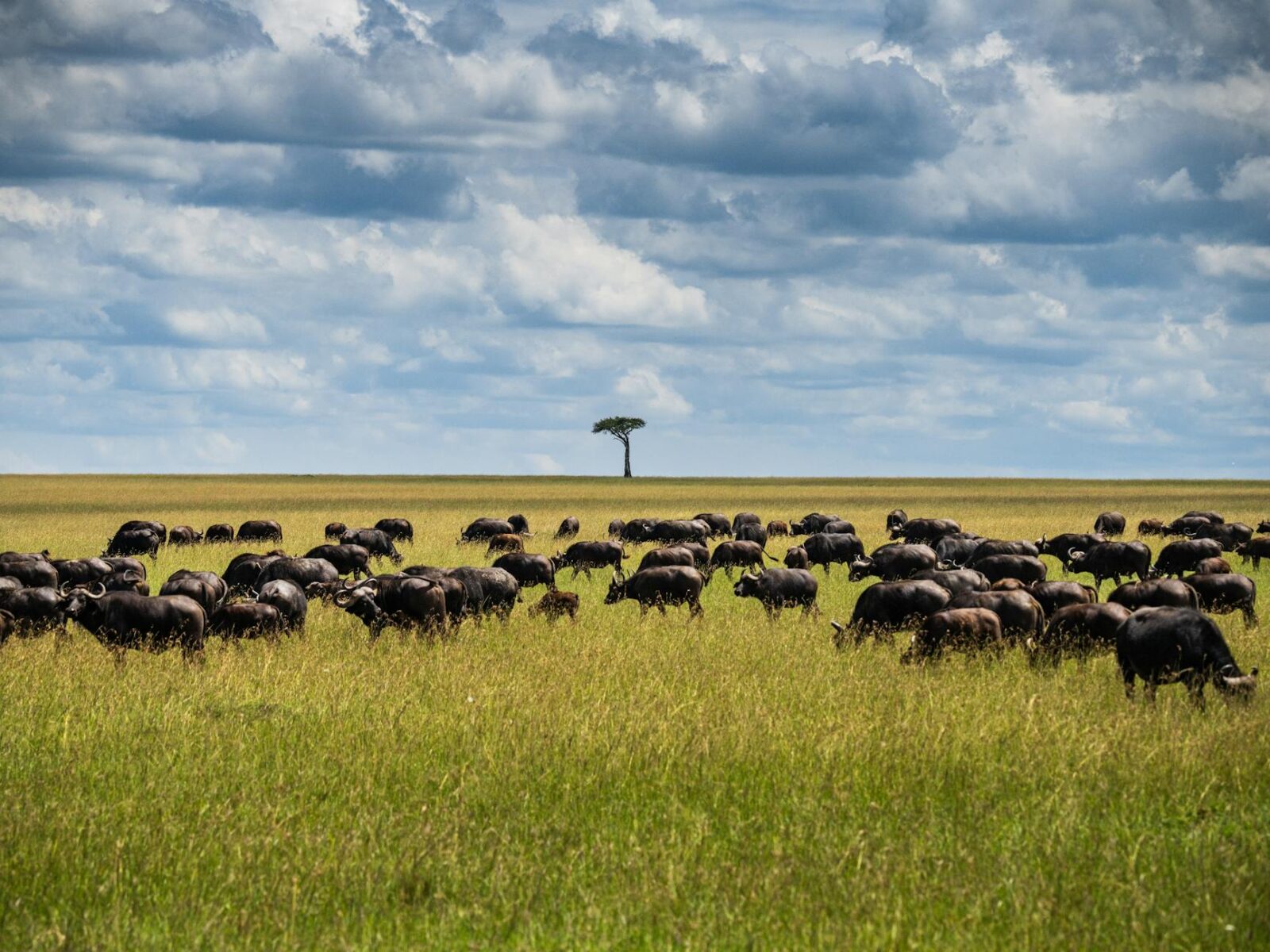
Over the past decade, a remarkable initiative has taken place to reintroduce the buffalo, or iinii, to the lands of the Blackfoot Nation. This project, a collaboration between the Blackfeet Nation in Montana and the three Canadian Blackfoot nations—Siksika, Kainai, and Piikani—has not only restored a vital ecological balance but also reaffirmed cultural ties that transcend national boundaries. With more than 40,000 members across these nations, the Blackfoot Confederacy embodies a unique perspective that sees the border as a unifying force rather than a divisive line.
Cultural Significance and Heritage Preservation
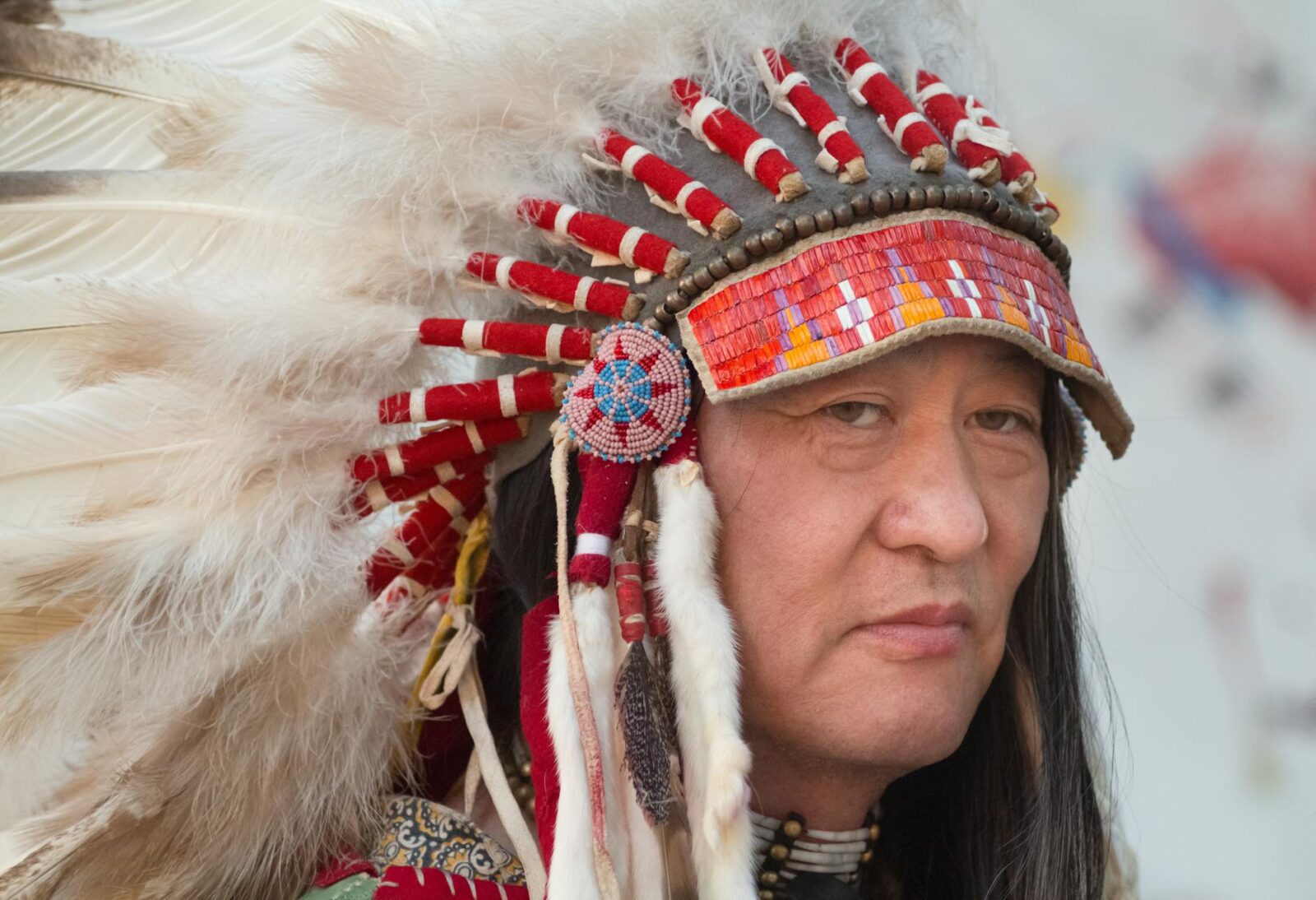
The Blackfoot people, who refer to their land as Nititawahsi (‘the land where the iinnii live’), view the buffalo as a spiritual relative and an essential component of their identity. The reintroduction of these majestic creatures symbolizes a return to traditional ways of life and a reconnection with their cultural heritage. Visitors to the region can partake in cultural hiking tours led by members of the Blackfeet Nation, like Lailani Upham, who weave storytelling into the exploration of this sacred land.
Implications for Global Travel Trends
The establishment of this cross-border tourism corridor is part of a broader trend in global travel, where travelers are increasingly seeking authentic, culturally immersive experiences. As the world becomes more connected, there is a growing demand for travel that transcends traditional boundaries and offers a deeper understanding of diverse cultures. The Blackfoot Confederacy’s initiative aligns with this trend, offering a unique perspective that encourages visitors to see the world through Indigenous eyes.
Practical Tips for Travelers
For those planning a visit to Blackfoot Country, several practical considerations should be kept in mind. First, travelers should allocate sufficient time to explore both the US and Canadian sides of the border, as each offers distinct cultural and natural attractions. Additionally, booking guided tours with local Indigenous companies is highly recommended to gain authentic insights into the region’s history and traditions. The costs for such tours typically range from $100 to $200 USD per person, depending on the length and nature of the experience.
Future Outlook: A Model for Cross-Border Collaboration
The Blackfoot Confederacy’s approach to the US-Canada border could serve as a model for other Indigenous nations worldwide. By prioritizing cultural preservation and environmental sustainability, the Confederacy has created a framework that respects traditional lands while fostering economic development through tourism. As global interest in Indigenous tourism continues to rise, similar initiatives could emerge, promoting cross-border collaboration and cultural exchange.
Budgeting for Your Blackfoot Experience
Travelers should anticipate various costs when planning a trip to Blackfoot Country. In addition to tour fees, accommodations in the region can range from $80 to $150 USD per night, with options varying from basic lodgings to more upscale hotels. Dining costs are typically modest, with meals averaging $15 to $30 USD per person. It’s advisable to budget for additional expenses, such as transportation and entry fees to national parks like Glacier National Park in the US and Waterton Lakes National Park in Canada.
FAQs: Your Questions Answered
What is the significance of the ‘medicine line’?
The ‘medicine line’ is a term used by the Blackfoot people to describe the US-Canada border. It signifies a boundary that, rather than dividing, connects their ancestral lands and serves as a reminder of their shared heritage and cultural unity.
How can I experience Blackfoot culture as a traveler?
Travelers can engage with Blackfoot culture through guided tours led by Indigenous guides, who offer storytelling and insights into traditional practices. Participating in cultural events and visiting historical sites are also excellent ways to immerse yourself in the Blackfoot heritage.
Are there any specific travel requirements for crossing the border?
Travelers should ensure they have the necessary documentation for crossing the US-Canada border, such as a valid passport. It’s also important to check for any travel advisories or entry requirements related to health and safety protocols.
What wildlife can I expect to see in the region?
In addition to the reintroduced buffalo herds, visitors may encounter a variety of wildlife, including elk, deer, and numerous bird species. The diverse ecosystems of the Great Plains and surrounding areas provide a rich habitat for these animals.
What is the best time of year to visit Blackfoot Country?
The best time to visit Blackfoot Country is during the late spring to early fall months (May to September), when the weather is mild, and outdoor activities are most enjoyable. This period also coincides with cultural events and festivals that highlight Blackfoot traditions.
Stay informed with the latest travel news, visa updates, and destination guides. Follow HimalayanCrest.com for weekly travel intelligence delivered by our editorial team.