

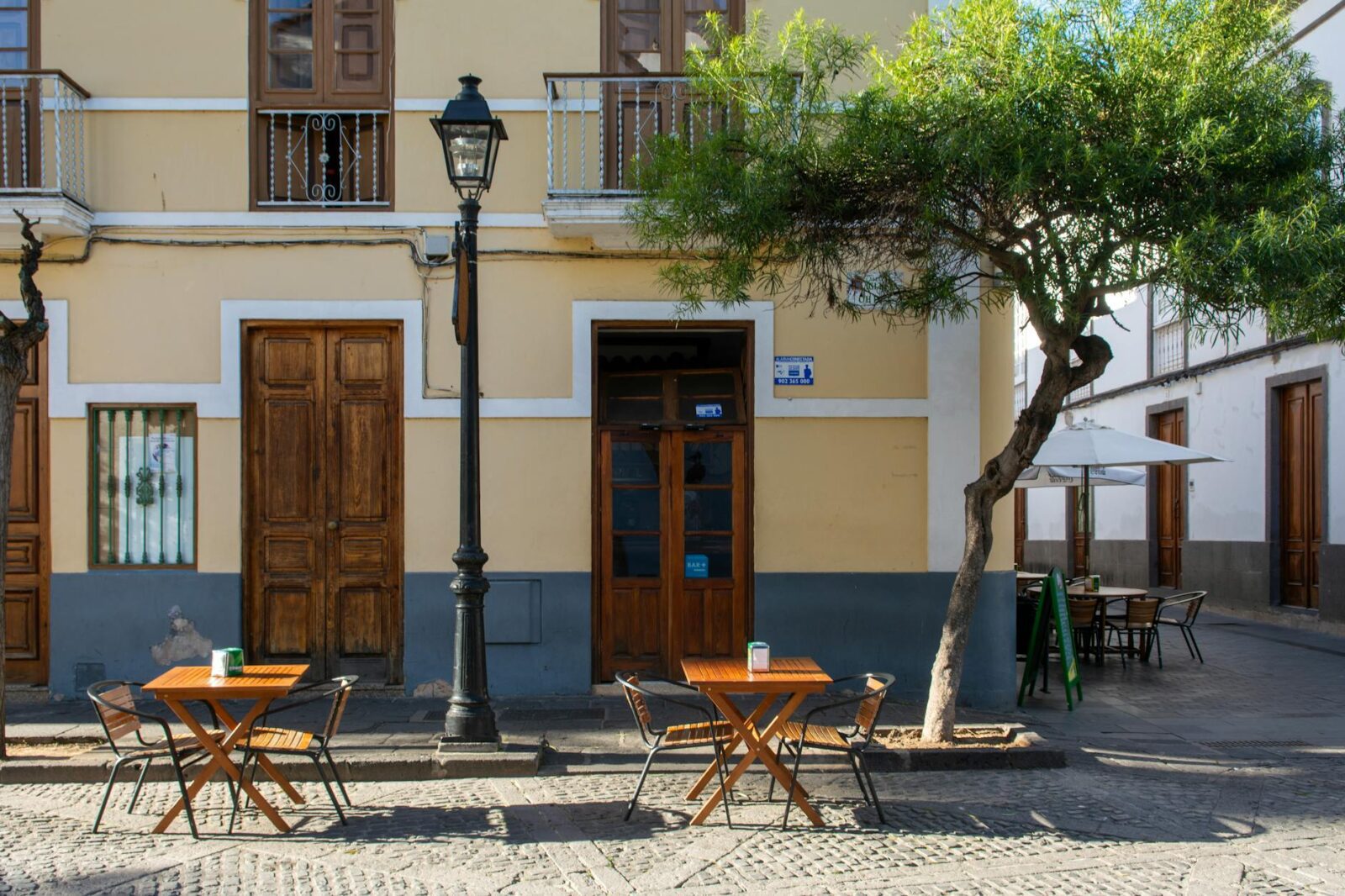
Florence’s Streets Reclaim Renaissance Charm
Picture strolling Florence’s narrow cobblestone lanes, free from sprawling restaurant terraces and flashing neon signs— that’s the new reality in this Renaissance jewel as of early 2026. The city has banned outdoor dining on 60 of its most famous streets, including spots around Ponte Vecchio, Piazzale degli Uffizi, and Via Roma, to protect its UNESCO World Heritage status. This bold move, enforced since February 11, 2026, responds to years of complaints from locals about blocked pathways and visual clutter from pandemic-era expansions.
Just 20 days in, authorities issued 30 fines, signaling serious commitment to these rules that mark the biggest update in 15 years. Travelers dreaming of al fresco pasta under historic arches now face a transformed scene, prioritizing Florence’s artistic legacy over modern tourist conveniences. Our research at HimalayanCrest shows this isn’t just local housekeeping—it’s part of a global pushback against overtourism reshaping iconic destinations.
Seasoned travelers report mixed feelings: some applaud the restored elegance, while others mourn the loss of vibrant street dining that defined Euro summers. With stricter guidelines on another 73 streets—no plastic tarps, bright lights, or advertising—Florence aims to blend preservation with practical public use. This shift invites visitors to rethink how they experience Italy’s cradle of the Renaissance.
Exact Locations Facing the Outdoor Dining Ban
The bans target Florence’s UNESCO-protected historic center, inscribed in 1982 and expanded in 2021 to include areas like San Miniato al Monte. Fully prohibited zones span 60 streets and squares, hitting prime tourist paths near landmark icons. Key no-go areas include streets around Ponte Vecchio, the iconic bridge lined with jewelers; Piazzale degli Uffizi, gateway to the world-famous gallery; and Via Roma, a bustling shopping artery.
Other affected spots are Piazza di Santa Maria Nuova, Borgo Santa Croce, Piazza della Signoria, Piazza della Repubblica, and Piazza Pitti—places where Renaissance facades once competed with umbrella forests. On these lanes, no tables, chairs, or enclosures are allowed, restoring open vistas for pedestrians. The protocol, signed by Florence’s Municipality and the Superintendence for Archaeology, Fine Arts, and Landscape, categorizes setups into five types elsewhere, from simple tables to winter-ready transparent panels.
For the 73 regulated streets, outdoor seating persists but must follow symmetry matching piazza designs, using local plants and flowers instead of branded decor. Plastic awnings and tarpaulins are out, as are eye-catching lights, pushing eateries toward subtle, heritage-friendly aesthetics. Travelers can still find terraces, but expect a cleaner, greener look that honors Florence’s 600-year-old streetscapes.
Why Florence Drew the Line on Street Dining
Locals’ frustrations boiled over after COVID-19 supercharged outdoor expansions, turning slender alleys into dining mazes that choked foot traffic and marred sightlines. Residents complained to the mayor about blocked narrow streets and a damaged city appearance, prompting collaboration between city officials and cultural guardians. The goal: safeguard the UNESCO site’s architectural heritage amid rising visitor numbers straining public spaces.
Florence’s center, central to the Italian Renaissance, faces threats from visual clutter like oversized terraces and plastic coverings that exploded post-pandemic. These rules, the first major revision in 15 years, enforce helmets on e-scooters (leading to a rental ban from April 1, 2026) and curb modern intrusions. Authorities cite improper scooter parking and wrong-way riding as additional chaos factors, aiming for balanced use that locals and tourists can share.
This isn’t anti-tourist—it’s pro-preservation. By fining violators swiftly, Florence sets a tone: heritage trumps hasty setups. Our team notes similar resident pushback in Venice and Rome, where everyday life increasingly clashes with tourism’s footprint.
Overtourism Wave Hits Europe Hard
Florence joins a 2026 trend where cities worldwide combat visitor overload, much like Bhutan’s daily caps or Bali’s beachfront crackdowns. In Italy, Capri limits boat access, while Venice charges day-trippers €5. Amsterdam bans cruise ships; Bhutan requires $100 daily fees for sustainable stays. Florence’s dining ban echoes these, prioritizing residents over fleeting crowds.
Global stats paint the picture: pre-2026, Florence hosted 10 million visitors yearly, swelling its 370,000 population. Comparable to Dubai’s hotel moratoriums or Japan’s Kyoto geisha-protection zones, these measures address infrastructure strain. Travelers from Nigeria to the Philippines now navigate such rules, from Thailand’s island fees to Mexico’s Tulum regulations.
Experts see this as overtourism’s backlash phase, with UNESCO sites like Florence leading. Asia’s Bhutan and Nepal cap treks; Europe’s Santorini limits cruise passengers. Florence’s protocol signals a future where beauty preservation shapes travel economics.
How This Changes Your Florence Dining Plans
Planning a 2026 trip? Skip expecting Ponte Vecchio aperitivos—head to the 73 permitted streets for compliant terraces with plants and muted designs. Favorites like quieter Oltrarno alleys or spots beyond the core, such as Via Maggio (partially restricted), offer al fresco options. Book indoor tables at classics like Trattoria Mario or All’Antico Vinaio for panini without street hassle.
Practical tip: Use apps like Google Maps to flag banned zones; focus on regulated areas for outdoor vibes. Visit early mornings or late evenings when crowds thin, enhancing the serene new streetscape. Pair with picnics from Mercato Centrale—grab prosciutto sandwiches for $8-12 USD (about €7-11) and dine on approved benches.
Budget an extra 10-20% for indoor seating, as prime spots command premiums. Families from India or UAE should prioritize kid-friendly indoor osterias; solo adventurers thrive in the freer-walking lanes. This ban actually elevates walks to Uffizi or Duomo, unencumbered by tables.
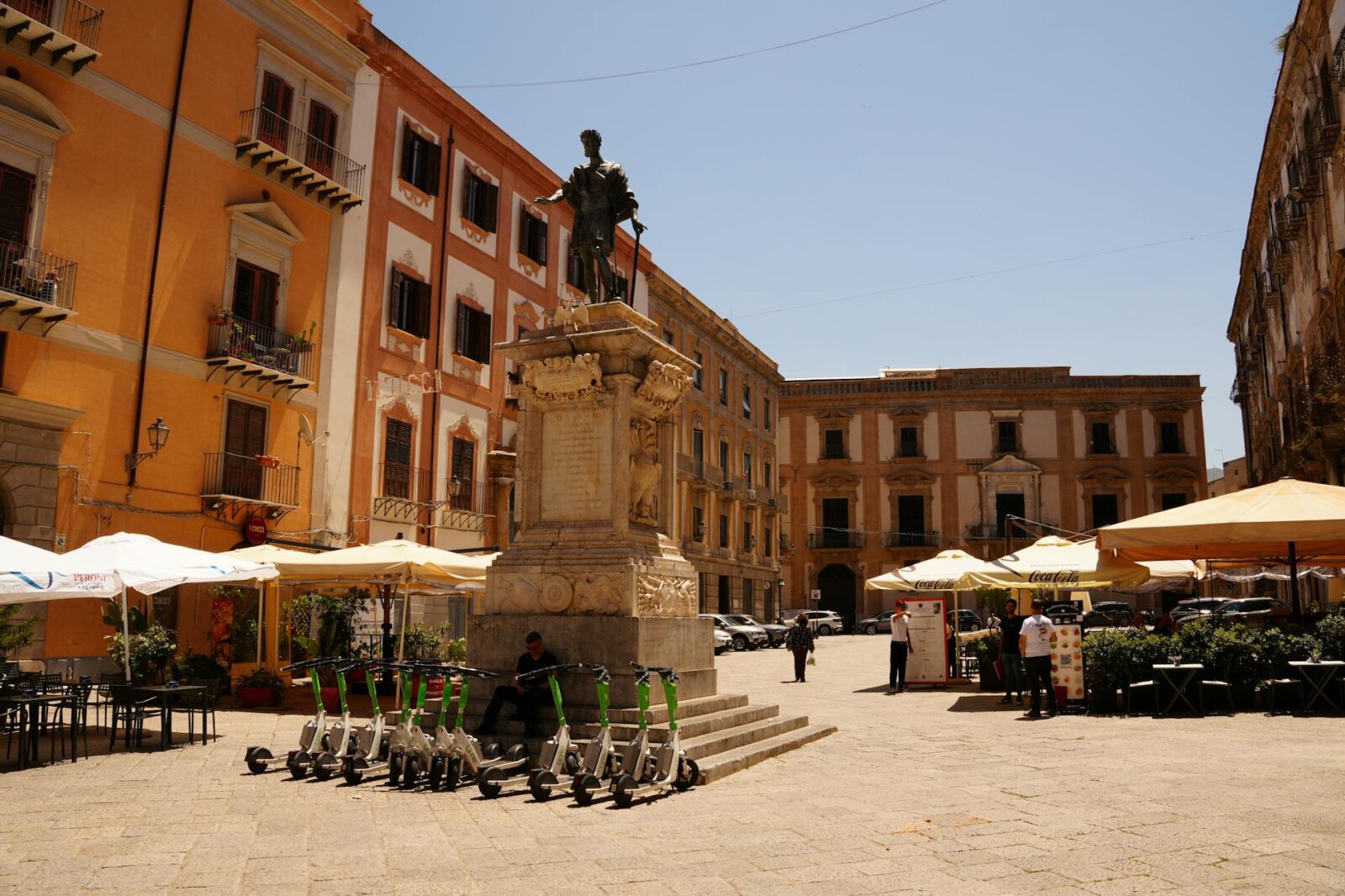
Budget Tweaks and Cost Realities for Smart Travelers
Outdoor dining saved pennies—quick €15 pasta plates under umbrellas. Now, indoor shifts mean $25-40 USD meals (€23-37) at venues like Osteria Vini e Vecchi Sapori near regulated zones. Factor in walking savings: no e-scooters post-April 1 means more taxi or bus rides, adding $5-10 USD per hop (€4.50-9).
Accommodations rise too—stay outside the center in San Frediano for $150/night hotels (€140) with nearby compliant terraces. Daily budgets jump from $120 to $150 USD for food/transport, but gains include authentic experiences like fewer crowds. Filipinos or Saudis: convert via apps; €1 ≈ $1.10 USD today.
Pro tip: Opt for aperitivo hours (6-8pm) indoors for free buffets with drinks ($12 USD), stretching euros. Groups save via set menus; compare to Dubai’s $30 brunches. Long-term, expect stabilized prices as tourism balances.
What’s Next for Florence and Beyond
City council approval looms, but protocols roll out fully by mid-2026, with joint oversight defining layouts within 30 days. E-scooter bans expand enforcement focus, potentially inspiring bollards or timed entries. Businesses adapt with plant-lined indoor patios, boosting year-round appeal.
Watch for 2027 expansions if fines continue—perhaps entry fees like Venice’s. Globally, expect copycats: Lisbon or Prague may regulate terraces. Positive outlook: cleaner streets draw quality travelers, sustaining Florence’s allure for decades.
Our experts predict a renaissance in walkable tourism, mirroring Bhutan’s high-value model. Travelers win with immersive, less cluttered vibes; locals reclaim space. Stay tuned—Florence evolves, inviting mindful visitors.
FAQ: Your Florence Travel Questions Answered
Is outdoor dining completely gone in Florence? No, it’s banned on 60 historic streets like those near Ponte Vecchio and Uffizi, but allowed on 73 others under strict rules—no plastics, ads, or bright lights. Check official maps via Florence Municipality site for zones; fines hit fast, with 30 in 20 days.
When do the rules take full effect? Bans started February 11, 2026; e-scooters follow April 1. Regulated streets comply now, with layouts finalized in 30 days post-protocol. Plan trips post-April for stability; visit comune.fi.it for updates.
Where can I still eat outdoors? Head to permitted streets beyond the core, like parts of Via Maggio or Oltrarno. Look for plant-decorated spots matching piazza symmetry. Apps like TheFork list compliant venues; expect €20-30 meals ($22-33 USD).
How does this affect my budget? Add 15% for indoor premiums—$30 lunches vs. $20 street eats. Save on walks without clutter; taxis fill scooter gaps at $7 USD/ride. High-value stays outside center run $130/night with terraces nearby.
Is Florence still worth visiting? Absolutely—freer streets enhance Renaissance magic. Fewer obstructions mean better photos, walks; pair with day trips to Siena. It’s evolving smarter, like global peers, for sustainable joy.
Stay informed with the latest travel news, visa updates, and destination guides. Follow HimalayanCrest.com for weekly travel intelligence delivered by our editorial team.