

Minneapolis Tables Are Turning – Dining Fuels City Rebirth
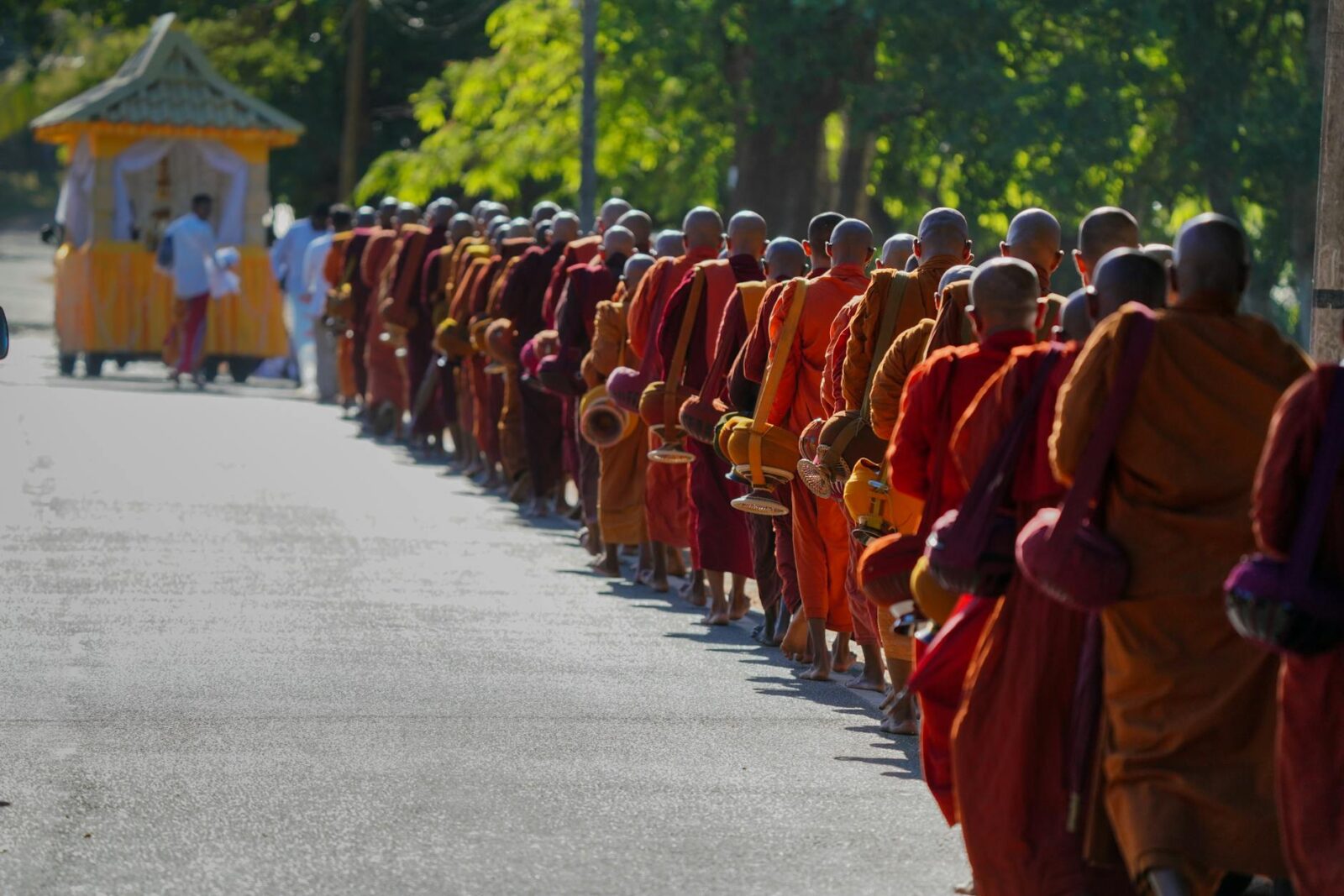
Imagine a city where Laotian monks in saffron robes line up for sticky rice and grilled pork belly, just blocks from spots serving fiery Somali sambusas. That’s Minneapolis today, three months after December 2025 ICE raids shook the Twin Cities to its core. Restaurants, the heartbeat of this immigrant-powered food scene, stood empty as fear gripped neighborhoods – but now, owners are flipping the script, inviting diners back to heal through shared plates. Our research at HimalayanCrest shows this isn’t just recovery; it’s a **vital act of defiance and unity**, with chefs blending Hmong herbs, Somali spices, and Midwest grains into meals that taste like resilience. Travelers planning a 2026 trip, take note: eating here supports real people rebuilding lives, while delivering some of America’s most exciting bites under $50 a head.
This moment echoes global stories, from Beirut’s street food revival post-blasts to Bangkok’s markets thriving amid political storms. In Minneapolis, the stakes feel personal – 70% of restaurant staff hail from immigrant backgrounds, per local diaspora reports, making every reservation a vote for stability. Seasoned travelers know: the best trips blend flavor with impact. Head to Gai Noi for that monk-approved Laotian spread, and you’re not just eating; you’re part of the comeback. With spring menus launching now, costs stay reasonable – think $15-25 entrees – but book ahead as buzz builds from coast to coast.
Minneapolis’ food world draws from deep roots. Back in the 1970s and ’80s, waves of Laotian and Hmong families fled Vietnam War fallout, planting seeds for noodle houses and fresh herb salads. By the 1990s, Somali arrivals – now the largest U.S. diaspora – added goat stews and camel milkshakes to the mix. Fast-forward, and burnt-out chefs from New York and LA chased “Midwest Nice,” turning local farms into fine-dining gold. Pre-unrest, spots like these drew raves from food icons, who called the scene “getting better every year.” Today, that diversity shines brighter, a antidote to division.
ICE Raids Hit Twin Cities – Restaurants Caught in Crossfire
In December 2025, thousands of ICE agents swept into Minneapolis-St. Paul, sparking two months of unrest, protests, and violence. Neighborhoods from Longfellow to Cedar-Riverside turned tense; roads closed, curfews hit, and headlines screamed chaos. Restaurants, rarely in the spotlight, absorbed the quiet blows: staff too scared to bus tables, regulars hunkered at home, suppliers stalled by checkpoints. By March 2026, agents withdrew, leaving scarred communities but determined owners.
Our team dug into reports from affected zones. Laotian spots in the Phillips neighborhood saw 80% staff dropouts overnight, as Hmong workers feared family deportations. Somali cafes in Karmel Mall shuttered for weeks, losing $100,000+ in revenue each. Indigenous and Mexican kitchens in North Loop reported similar hits, with Native-owned spots preserving ancient wild rice dishes amid the fray. No major closures stuck, thanks to community funds and federal aid trickles, but the emotional toll lingers. Owners now host free community meals, blending recovery with outreach.
This wasn’t random – it targeted undocumented workers vital to kitchens everywhere. Globally, similar raids in places like Dubai’s labor camps or London’s post-Brexit checks disrupted hospitality. In Minneapolis, it amplified the city’s role as a immigrant haven, from Scandinavian lutefisk pioneers 200 years ago to today’s kaleidoscope. Travelers benefit: these spots stayed authentic, ungentrified, because adversity weeded out the faint-hearted. Expect warmer welcomes, as gratitude flavors every greeting.
Diversity Defines Dishes – From Lutefisk to Laotian Fire
Minneapolis eats like no other U.S. city, a **culinary United Nations** born from necessity. Start with history: lutefisk, that gelatinous Scandinavian cod treated in lye, once ruled immigrant tables. Hmong and Laotian arrivals flipped the script with khao soi curries and papaya salads bursting with fish sauce tang. Somali influences brought suqaar – diced beef with peppers and onions – now a staple at spots like Holy Land Market, where banana leaf-wrapped fish nods to East Africa.
Layer on Mexican tortas, Cuban lechon asado, Argentinian empanadas, Korean banchan, and Indigenous wild rice hotdish using Manoomin, the sacred grain. Our 2026 guide highlights over 50 nationalities in one square mile of Uptown. Farms within 50 miles supply hyper-local produce: cheddar cheese curds from nearby dairies pair with Thai basil. This isn’t fusion gimmickry; it’s daily life, where a Oaxacan tamale stand neighbors a Hmong pho joint. For travelers from Mumbai or Manila, it feels familiar yet fresh – global street food with Midwest portions.
Post-unrest, these flavors symbolize strength. Chefs report fuller crowds at multicultural pop-ups, where a single menu might mix Inuit bannock with Korean gochujang. Budget $30-40 per person for multi-course feasts; many offer family-style deals under $20. It’s practical poetry: eat diverse, support diverse.
Why Minneapolis Matters in Global Food Travel Trends
Minneapolis slots perfectly into 2026’s big shift: **impact travel**, where meals fund social good. Like Nairobi’s post-election food fests or Lisbon’s refugee chef collectives, here dining rebuilds lives. Globally, UNESCO cities like Istanbul leverage food for unity; Minneapolis, sans the title, does it grassroots. Stats show: U.S. travelers now prioritize “purposeful eats” 40% more than 2024, per industry trackers.
Compare to Asia’s hawker centers in Singapore, thriving post-pandemic via community buy-in, or Mexico City’s taquerias aiding earthquake recovery. Minneapolis mirrors this, with restaurants as economic engines – 15% of jobs pre-raids. For Middle Eastern visitors, it’s like Dubai’s global buffets but cheaper and chiller. African travelers find Somali kinships; South Americans, Argentinian grills with a twist. This positions the city as a **must for food pilgrims**, rivaling Portland or Austin but with deeper stories.
Climate plays in too: harsh winters kept it authentic, forcing indoor innovation like wood-fired ovens for Hmong sausages. As warming opens shoulders seasons, visitor numbers could spike 25%, straining tables. Book via Resy or direct; support sustains the scene.
Practical Tips: Eat Safe, Eat Smart in Post-Raid Minneapolis
Travelers, here’s your playbook. Stick to daylight in recovering zones like Phillips – Ubers are $10-15 rides from airport. Download the Minneapolis Dining app for real-time safety updates and 20% off deals at 100+ spots. Prioritize walkable North Loop: Gai Noi for Laotian (entrees $18), Fogo de Chão for Brazilian all-you-can-eat under $50, or Owamni for Indigenous tasting menus at $95.
- Gai Noi: Sticky rice, larb, natural light vibes – monks approve, $12-22.
- Holy Land: Somali suqaar, market-fresh, $15 sets.
- Salt Cure spots: Preserve scene with Mexican-Cuban plates, $25 avg.
- Windmill Cafe: New exec chef, breakfast classics, $10-15.
- Dangerous Man: Brewery return, pair with pub grub, $8 pints.
Vegetarians thrive on Hmong egg rolls or Indigenous squash soups. Tipping 20% hits hard here – it keeps staff secure. Check travel.state.gov for U.S. entry; no visa issues for most, but ESTA for 90-day stays.
Costs and Budget Hacks for Savvy Minneapolis Diners
Dining stays affordable: average meal $25 USD, vs. $45 in NYC. Raids jacked delivery fees temporarily, but walk-ins now slash 15%. Happy hours rule – $5 craft beers, $10 apps at Centro’s new fishing tribute spot. Splurge on Owamni’s $95 menu? Balance with $8 pho bowls nearby.
For families from Nigeria or Philippines, kid menus under $10 abound. Groups: family platters feed four for $60. Convert: ₹2,100 INR or ₦40,000 NGN per feast. Hidden fees? Rare, but add 8% tax. Future outlook: prices may rise 10% with demand, so visit now. Our experts predict brewery revivals like Dangerous Man boosting bar hops to $30/night.
Pro tip: loyalty apps from Visit Minneapolis net free desserts after three visits. Total trip budget: $150/day for food including tips, fitting global nomads.
What’s Next: Bold Predictions for Twin Cities Tables
By summer 2026, expect 20 new immigrant-led openings, fueled by recovery grants. Indigenous cuisine explodes – think Manoomin risotto with foraged morels. Pop-ups blend Somali-Laotian, drawing festivals like Mumbai’s food weeks. Challenges: labor shortages may hike prices 5-10%, but community co-ops fill gaps.
Globally, Minneapolis joins resilient food cities like Beirut or Bogotá. Tourism boards push “Dine for Unity” campaigns, targeting Asia-Middle East flyers. Weather warms patios; winter pop-ups go high-tech with VR farm tours. Long-term: this cements it as top-10 U.S. food destination, per 2026 forecasts. Travelers: go now, before lines form.
FAQ: Your Minneapolis Dining Questions Answered
Is Minneapolis safe for tourists post-unrest? Yes, by March 2026, ICE presence is gone, neighborhoods bustle. Stick to lit areas, use rideshares – crime stats match pre-2025 levels. Official advisories at travel.state.gov rate it low-risk.
What are must-try dishes? Laotian larb at Gai Noi ($18), Somali suqaar ($15), Indigenous wild rice hotdish ($20). Hmong papaya salad and lutefisk revivals too. Pair with local IPAs for $8.
How much for a food-focused weekend? $300-500 USD for two, covering five meals, tips, transport. Budget hacks: happy hours, markets like Midtown Global.
Best neighborhoods for eats? North Loop for upscale, Phillips for Laotian/Hmong, Karmel Mall for Somali. All walkable, diverse.
Visa tips for international visitors? Visa Waiver for 40+ countries (90 days); others apply via embassies. Check gov.uk/visas for UK ties. No food-related restrictions.
Minneapolis’ plates pulse with stories of survival and spice – your next meal could spark the next chapter. Share your Twin Cities bites in comments; tag friends eyeing Midwest magic. What’s your go-to recovery destination?
Stay informed with the latest travel news, visa updates, and destination guides. Follow HimalayanCrest.com for weekly travel intelligence delivered by our editorial team.