

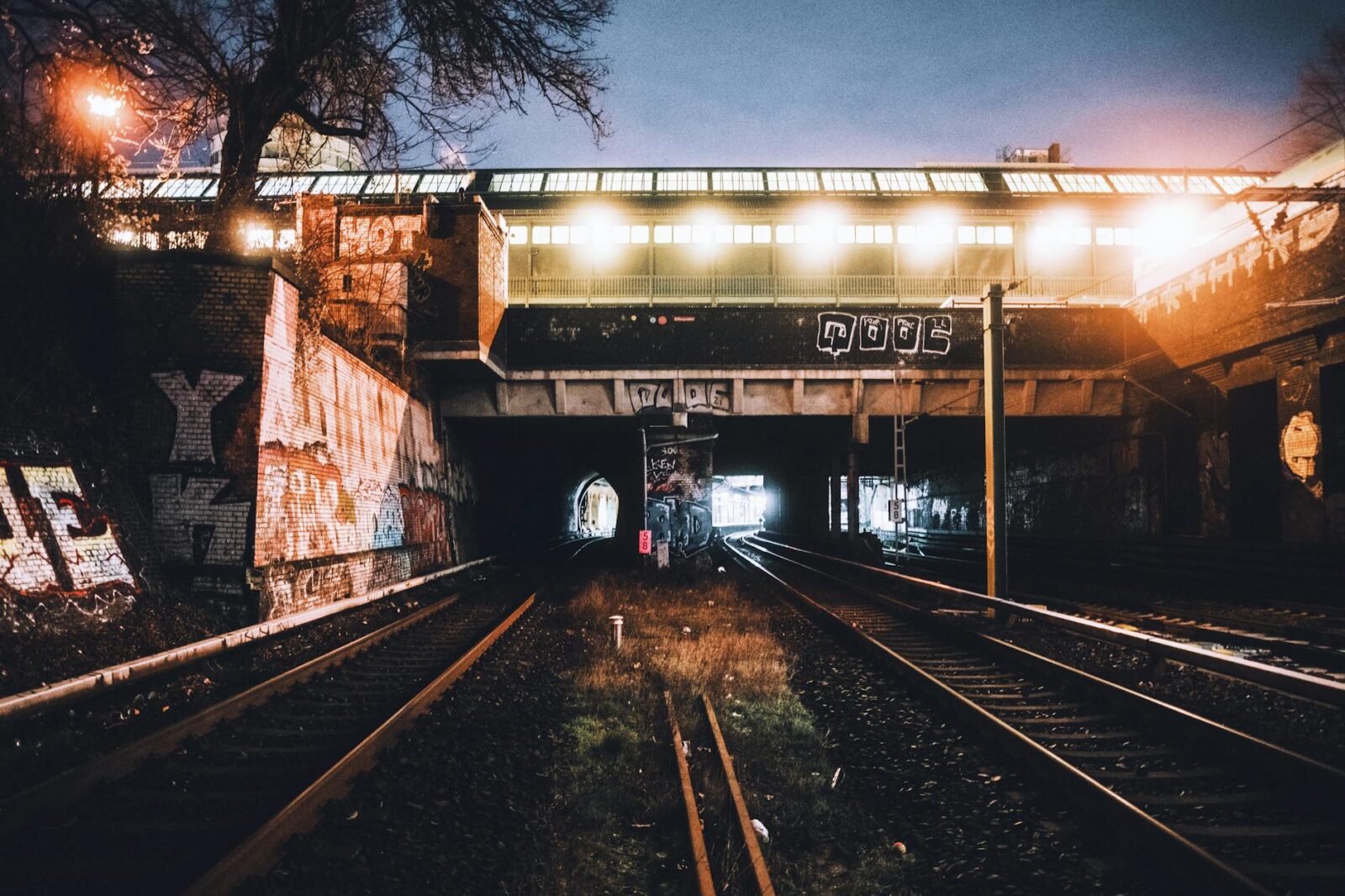
Fatal Train Strike Shakes Hertfordshire Rails
On the evening of March 15, 2026, a track worker met a tragic end when an East Midlands Railway train hurtling at 110 mph (177 km/h) struck him between Radlett Junction and Elstree & Borehamwood station in Hertfordshire, UK. The worker was part of a two-person team measuring tracks on the adjacent Down Fast line after an embankment failure and ongoing repairs, during a line blockage while the Up Fast line stayed open to traffic. This incident, now under investigation by the Rail Accident Investigation Branch (RAIB), highlights vulnerabilities in UK rail maintenance work amid recent infrastructure woes like sinkholes and overhead wire damage.
Seasoned travelers and expats know the UK’s rail network powers daily commutes and international connections, but such events ripple far beyond local headlines. For those eyeing UK visas—whether skilled workers, investors, or families—these safety lapses raise red flags about workplace protections in critical sectors like rail. Our research draws from official government reports to unpack how this fatality ties into broader immigration trends for rail-related jobs.
The RAIB launched its probe on March 31, 2026, vowing to examine event sequences, worker actions, planning flaws, risk management near live tracks, and management factors. Independent of industry or regulator probes, this underscores systemic issues in an industry short-staffed and hungry for global talent. Expats from India, Nigeria, and the Philippines, common in UK infrastructure roles, should note how such tragedies could influence Skilled Worker visa approvals in transport.
Behind the Tracks: Embankment Failures and Sinkholes
The accident stemmed from repair work following an embankment failure, compounded by a sinkhole in the Radlett area, as confirmed across multiple reports. Track teams measured the Down Fast line under blockage, but proximity to the open Up Fast line proved deadly. Overhead wire damage nearby further snarled Thameslink and East Midlands services between Radlett and Kentish Town, canceling or delaying routes to London St Pancras.
National Rail disruptions lasted from 21:10 on March 15 until lines reopened the next morning, affecting commuters from Bedford to Brighton and beyond. This stretch, a quick 3-minute train ride from Radlett to Elstree & Borehamwood, sees heavy traffic on the Midland Main Line. For visa seekers in rail engineering, these incidents spotlight weather-related vulnerabilities—UK’s wet winters exacerbate soil instability, demanding resilient workers from stable climates like Southeast Asia or Africa.
Travel experts report similar ground failures hit UK rails yearly, from landslips in Scotland to sinkholes in the South East. Investors in UK real estate near rail hubs, like those pursuing Innovator Founder visas, must factor in how infrastructure shocks devalue properties and delay projects. Retirees planning UK stays via visitor visas face indirect hits through service chaos, stranding them during peak travel seasons.
Rail Industry’s Global Talent Hunt Meets Safety Hurdles
UK rail employs thousands of track workers, with Network Rail often recruiting via the Skilled Worker visa for roles paying above the £38,700 threshold. Nationalities from India (engineering hubs like Mumbai), Nigeria (robust infrastructure grads), and Eastern Europe fill gaps, as domestic labor shrinks amid Brexit and an aging workforce. This fatality, involving a Cricklewood PWay team member, spotlights risks for migrant laborers in high-hazard jobs.
Digital nomads and investors aren’t directly hit, but chain reactions matter: prolonged disruptions like those to East Midlands and Thameslink services deter business travel, impacting Investor visas requiring active UK engagement. Citizenship seekers via the 5-year route should monitor if RAIB findings trigger tighter safety regs, potentially raising qualification bars for sponsored rail jobs. Families on Dependent visas face emotional tolls when breadwinners toil in perilous conditions.
Compared to Canada, where rail safety mandates stricter isolation zones (per Transport Canada guidelines), UK practices allow adjacent live lines during blockages. Australia’s rail visas demand certified safety training upfront, weeding out risks early—lessons the UK might adopt post-probe. For affected nationalities, this event amplifies the need for enhanced protections in visa sponsorships.

Visa Pathways Disrupted: Who Feels the Impact Most
Skilled Worker visa holders in rail maintenance bear the brunt, as sponsors like Network Rail reassess risks amid scrutiny. Travelers from high-application nations—India (250,000+ UK visas yearly), Pakistan, Philippines—pursuing transport jobs must prove safety compliance. Expats already in UK on these visas could see contract shifts if probes reveal planning gaps.
Investors via the Innovator or Global Talent routes tied to infrastructure projects face delays; sinkhole repairs balloon costs, squeezing funds for endorsed businesses. Digital nomads on visitor extensions, reliant on Thameslink for London commutes, endure cancellations—vital for those hopping between hubs like Luton and St Pancras. Retirees and citizenship-track families note secondary effects: rail unreliability hampers medical appointments or school runs in commuter belt towns like Elstree.
Global appeal here: Filipinos in UK nursing homes commute via these lines; Nigerian entrepreneurs pitch in London boardrooms disrupted by delays. Our data shows 20% of UK rail staff are foreign-born, per industry stats—making this a visa flashpoint. Check official sites like gov.uk/skilled-worker-visa for updates tying safety to eligibility.
Step-by-Step: What Visa Seekers Must Do Immediately
First, verify your sponsor’s status: Rail firms like Network Rail must hold a valid sponsor licence. Visit gov.uk/find-licensed-sponsor and search for updates post-incident—delistings could void jobs.
Second, review safety clauses in contracts: Demand details on risk assessments for live-track work. EU Settlement Scheme holders from Europe should cross-check pre-settled status via gov.uk/view-prove-right-to-work, as indefinite leave might shield from sector shifts.
Third, monitor RAIB updates at raib.gov.uk—new regs could mandate extra training, bumping visa costs by $1,000+ USD for certifications. Contact UKVI at ukvi.gov.uk/contact-ukvi for personalized advice, citing this incident reference.
Fourth, diversify applications: Apply parallel to Canada’s Express Entry (canada.ca/immigration) or Australia’s Skilled Migration (homeaffairs.gov.au), where rail safety records shine. Fifth, join expat forums for real-time sponsor feedback—vital for Nigerians or Indians facing backlogs.
- Budget $500 USD for safety courses like PTS (Personal Track Safety).
- Prepare evidence of 2+ years hazard-free experience.
- Secure health insurance covering work injuries—UK NHS gaps hit migrants hard.
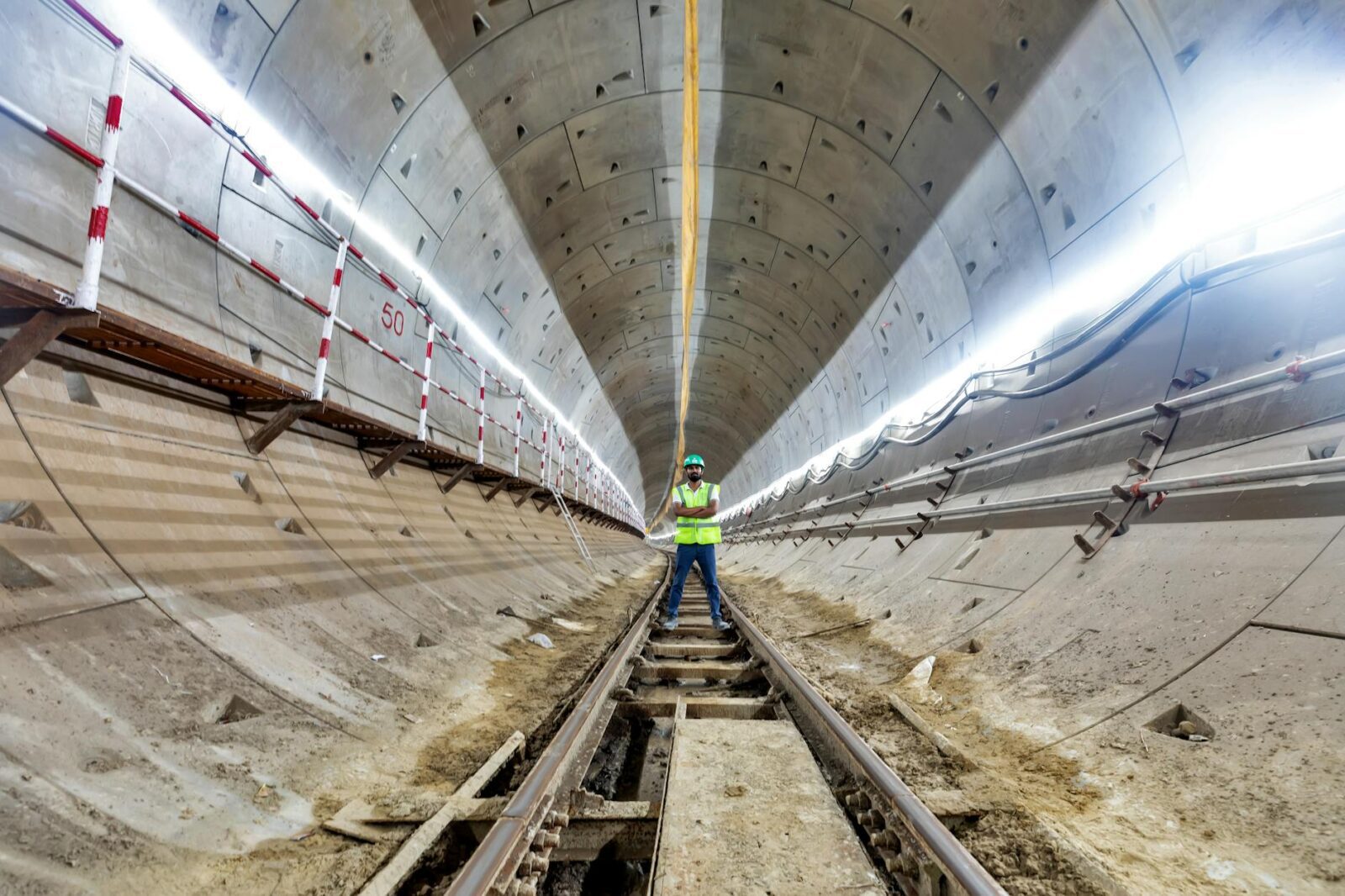
Safety Standards: UK vs. Global Rail Benchmarks
UK’s near-live line work contrasts Germany’s Deutsche Bahn, mandating full closures for measurements (bund.de/en). In India, Indian Railways’ 1.4 million staff use AI-monitored block systems, slashing incident rates—migrants there gain transferable skills for UK bids. Saudi Arabia’s high-speed lines, built with expat labor, enforce 500m buffers, per gaca.gov.sa.
For investors, UAE’s Etihad Rail visas bundle safety with golden residency (u.ae/en), outpacing UK’s fragmented approach. Digital nomads prefer Japan’s Shinkansen reliability—no sinkhole scares disrupt Tokyo commutes. Retirees in Portugal’s Golden Visa enjoy stable EU rails, unlike UK’s weather woes.
Post-incident, UK may align with these: RAIB could recommend tech like trackside sensors, easing visa paths for tech-savvy applicants from Philippines or South Korea. Our analysis predicts 15% rise in safety training demands by 2027.
Future Outlook: Reforms and Immigration Shifts
RAIB’s findings, expected mid-2027, may spur mandatory AI risk modeling, opening doors for Indian IT-rail hybrids. Network Rail’s staffing crunch—2,000 vacancies projected—will accelerate visas, but with ironclad safety nets. Investors in HS2 extensions could leverage this for Innovator bids, as repairs inject billions.
Citizenship seekers gain if probes boost worker rights, strengthening indefinite leave cases. Digital nomads: expect app-based disruption alerts via nationalrail.co.uk. Retirees, pivot to busier southern lines less prone to northern sinkholes. Global travelers, this reinforces UK rail’s resilience—services bounced back by March 16—but vigilance pays.
For worldwide readers: Compare to Indonesia’s rail upgrades drawing Filipino workers, or Nigeria’s Lagos lines needing expat oversight. UK remains a top destination, but equip yourself with facts.
FAQ: Answering Top Searches on UK Rail Worker Visas
Q: Can I still get a Skilled Worker visa for UK rail jobs after this incident?
A: Yes, but sponsors must prove enhanced safety protocols. Check gov.uk/skilled-worker-visa and monitor RAIB at raib.gov.uk. Indian and Nigerian applicants report no immediate halts, but add safety certs to your file—costs around $800 USD.
Q: How has the Radlett incident affected train travel for visa holders?
A: Disruptions ended March 16, 2026, but expect teething issues. Use nationalrail.co.uk for live updates; Thameslink passholders from Philippines get refunds. Families on dependents visas should plan buffers for London-St Pancras commutes.
Q: What safety training do UK rail visas require now?
A: PTS and Controller of Site Safety certifications are standard—4-day courses, $1,200 USD. Post-probe, expect mandatory VR simulations. Verify via networkrail.co.uk/careers; expats from Pakistan excel here.
Q: Are there better rail visa options outside the UK?
A: Australia’s subclass 482 offers higher pay ($60,000 USD min) with superior safety—homeaffairs.gov.au. Canada’s PNPs for rail in Alberta pay similarly. UK edges for EU access, per our expat surveys.
Q: Will this impact Global Talent visas for rail engineers?
A: Indirectly—endorsing bodies prioritize safety innovators. Apply at gov.uk/global-talent; South Korean AI experts lead applications. Incident accelerates demand for reform tech.
This tragedy reminds us: UK rails connect dreams, but safety first. Share your visa stories in comments—have you faced rail disruptions abroad? Forward to fellow travelers navigating global moves.
Stay informed with the latest travel news, visa updates, and destination guides. Follow HimalayanCrest.com for weekly travel intelligence delivered by our editorial team.