

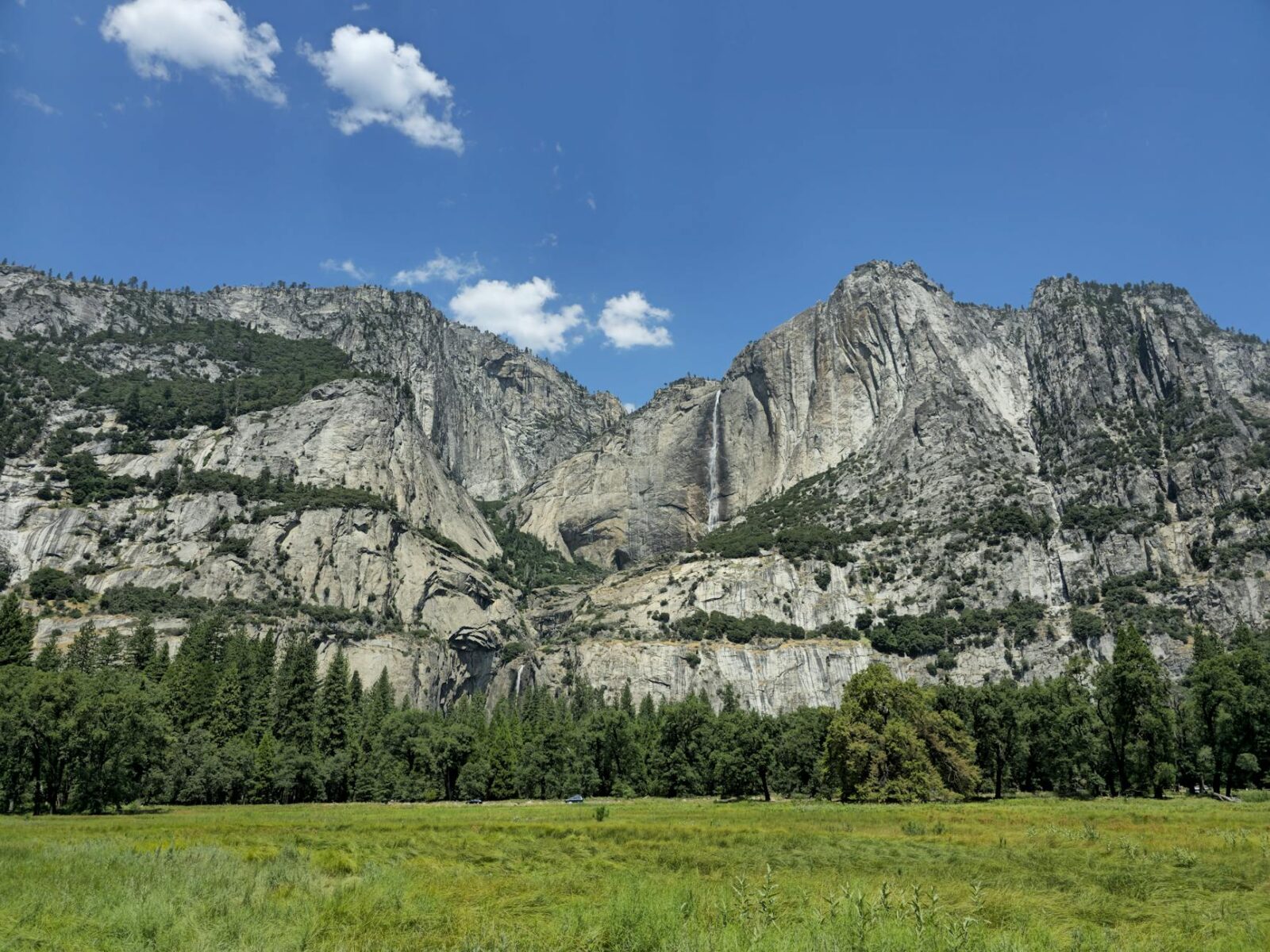
Yosemite’s Wildflowers Ignite a Spring Fever Rush
Picture this: endless meadows exploding in pinks, purples, and golds as snow finally retreats from California’s Sierra Nevada. Right now, in early April 2026, Yosemite National Park’s wildflower season is kicking off with a vengeance, drawing hikers from Asia’s bustling cities to Africa’s safari seekers craving a different kind of wilderness. This isn’t just a pretty sight—it’s a rare window when waterfalls roar at full tilt alongside vibrant blooms, creating photo ops that rival Instagram-famous superbloom spectacles in places like Death Valley or even Texas bluebonnet fields. Our research at HimalayanCrest.com, pulling from park service updates and on-the-ground reports, shows blooms shifting upslope right now, making this the perfect moment for travelers to pivot plans and chase nature’s fleeting masterpiece. Seasoned adventurers know that missing Yosemite’s flower wave means settling for summer crowds without the color pop.
The park spans nearly 1,200 square miles in the central Sierra Nevada, bordered by wilderness areas like Ansel Adams to the southeast and Emigrant to the north, offering diverse elevations from 2,000 feet on the west to over 13,000 feet eastward. This elevation gradient means wildflowers don’t bloom uniformly—they chase the melting snow, starting low in March and climbing high by August. For global travelers, think of it like Nepal’s rhododendron treks or Bhutan’s alpine meadows, but with granite cliffs and thundering falls as your backdrop. Right now, lower elevations around Yosemite Valley are popping with early stars like shooting stars and lupines, while higher spots wait for May’s warmup.
Why does this matter in 2026? After variable winters, this season promises stronger shows thanks to solid snowpack, mirroring superbloom patterns seen in California’s deserts. Travelers from the Philippines or UAE, where desert hikes dominate, will find Yosemite’s variety—a whopping 1,450 plant species, including 25% of California’s natives—a refreshing contrast to arid treks. It’s not hype; park rangers report March 2026 photos already capturing Vernal Fall’s mist trail lined with fresh blooms, pulling in families who blend easy valley walks with high-country drives once Tioga Road clears.
Timeline of Yosemite’s Bloom Progression
Wildflower season in Yosemite runs from March through August, but the magic lies in its progression tied to snowmelt, rainfall, and elevation. Start in the west at Merced River canyon trails like Hite Cove (just outside the park), where March brings tufted poppies, spider lupines, fiddlenecks, and owl’s clover—perfect for early risers avoiding peak crowds. By mid-May in Yosemite Valley, expect shooting stars, mule’s ears, lupine, western azaleas, dogwood, cow parsnip, and monkeyflowers to dominate, coinciding with waterfalls at max flow for that dual spectacle. Our analysis of 2026 conditions shows late May as prime for valley hikes, with snow plowing on Tioga Pass starting mid-April and road opening late May or June.
As summer hits, blooms chase higher ground. Late June in subalpine Tuolumne Meadows features shooting stars turning meadows pink, followed by meadow penstemons, cinquefoils, asters, little elephant’s heads, and subalpine paintbrush with its bumblebee-magnet purplish-red blooms. By early July at the park’s 13,000-foot peaks, steer’s head, buttercups, alpine laurel, and Sierra butterweed emerge, with late August bringing blue gentians and alpine goldenrod. This upslope march echoes global patterns, like Indonesia’s highland edelweiss season or Morocco’s Atlas Mountain wildflowers, but Yosemite’s scale amplifies it across vast meadows and riverbanks.
Practical tip: Check the National Park Service website (nps.gov/yose) weekly for bloom updates, as weather can shift timelines by weeks. For 2026 travelers, March 19-26 reports already noted lush El Capitan Meadow transitions, signaling a robust season ahead. Plan around this: lowlands now, mid-elevations May-June, highs July-August.
Prime Spots for Unforgettable Wildflower Views
Yosemite’s best wildflower haunts span easy valley paths to rugged high-country drives, catering to all fitness levels from UAE expats on first U.S. trips to seasoned Nigerian trekkers. In Hetch Hetchy (northwest corner), April-June delivers shooting stars, lupine, and mariposa lilies along reservoir edges—less crowded than the valley, ideal for quiet contemplation. Tuolumne Meadows, at high elevation along Tioga Road (open late May-June), bursts July-August with alpine columbine, Indian paintbrush, Western pasqueflower, corn lilies, fireweed, and scarlet monkeyflowers; it’s a cool escape from valley heat, much like Pakistan’s cooler northern valleys.
Merced River canyon riverbanks glow late spring with shooting stars, Indian paintbrush, and Western wallflower—hike the Valley Loop Trail (6.5-13 miles, customizable) for poppies and snow plants. Glacier Point Road’s meadows and clearings (late May-July) showcase scarlet gilia, purple lupine, pink phlox, plus trail gems like McGurk Meadow’s woodland flowers, Taft Point, and Sentinel Dome’s first-half-mile arrays. Wawona Meadow near the south entrance offers early summer corn lily, yarrow, and Sierra onion. Pro move: Pair with waterfalls—late May hits both peaks.
- Hetch Hetchy: April-June, low crowds, lupine fields.
- Tuolumne Meadows: July-August, high-alpine variety, Tioga Road access.
- Glacier Point Road: Late May-July, panoramic views with blooms.
- Valley Loop Trail: Flexible lengths, riverbank poppies now.
Stay on trails to protect fragile ecosystems—trampling kills next year’s show, a lesson from overvisited Asian hill stations.
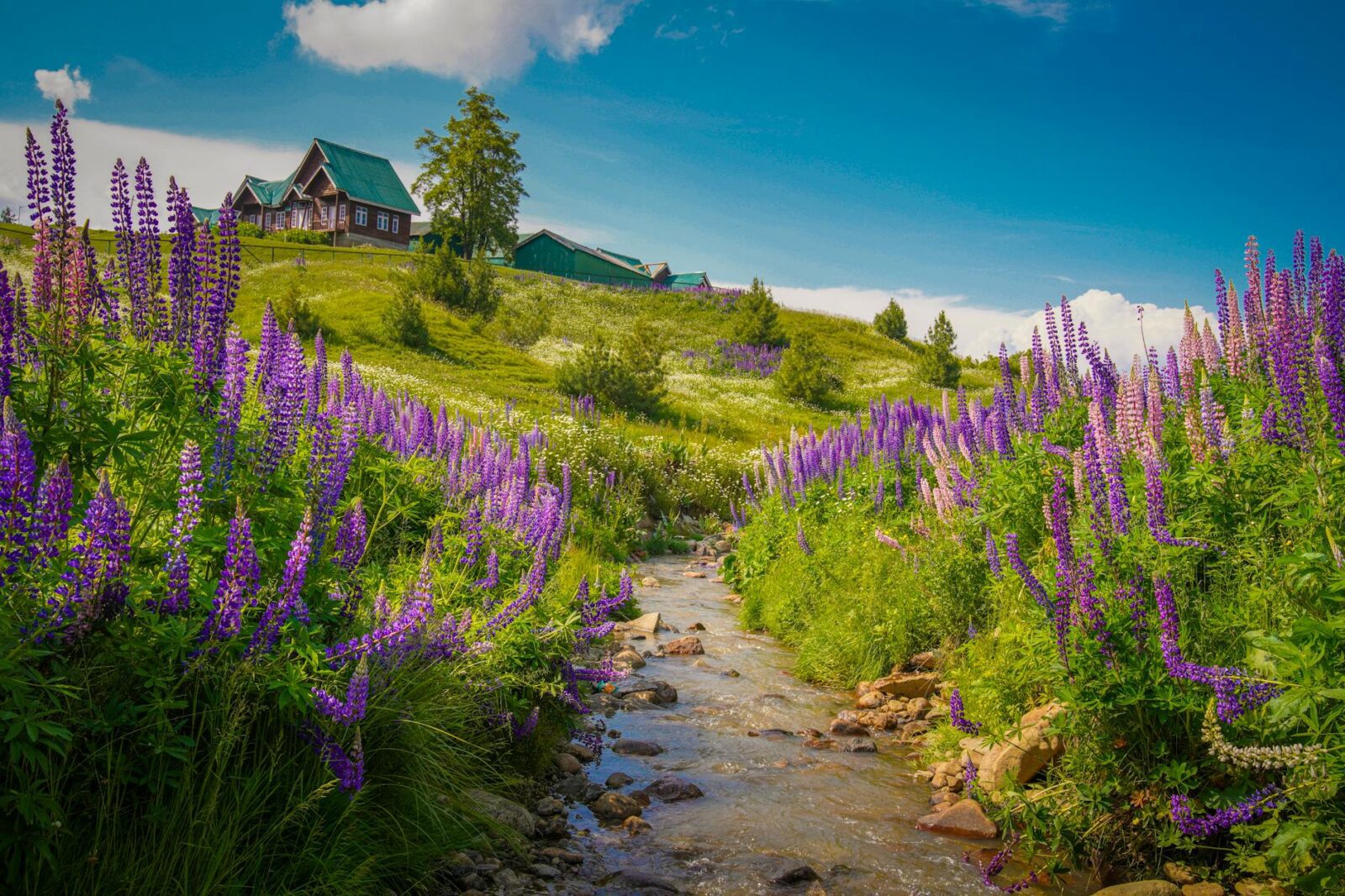
How Yosemite Fits Global Wildflower Chasing Trends
Yosemite’s bloom chase aligns with a worldwide surge in eco-travel, where adventurers from India to South America seek ‘super’seasons post-rainy winters. California’s 2026 superbloom forecast, based on 150,000+ observations, predicts desert golds in Death Valley February-April, mirroring Yosemite’s upslope wave—global nomads are linking these into multi-stop U.S. road trips. Compare to Texas bluebonnets peaking late March-mid-April 2026, or New Zealand’s spring lupines; Yosemite stands out for its 11,000-foot elevation range, hosting Sierra Nevada crossroads species from Pacific coasts to deserts.
This trend matters as post-pandemic travelers prioritize nature resets over cities—think Middle East visitors swapping Dubai malls for meadow hikes. Yosemite’s no timed-entry for summer 2026 eases access, boosting appeal versus reservation-heavy parks. It’s a microcosm of climate-driven shifts: wetter winters mean bigger blooms, but warming temps could shorten windows, urging visits now.
Planning Your Trip: Hikes, Access, and Timing Tips
Book now—spring 2026 valley lodging starts at $200-400 USD/night (add 20% for blooms premium), campsites $30-50 USD via recreation.gov. Drive in via south (Wawona) or west (Big Oak Flat) entrances; Tioga Road’s late May opening unlocks east highs. No vehicle reservations needed summer 2026, but arrive early (before 9 AM) to snag parking. From international hubs like Manila or Lagos, fly into Fresno (1.5-hour drive) or Sacramento (3 hours)—rental cars average $80 USD/day.
Top hikes: Mist Trail to Vernal Fall (3 miles roundtrip, moderate, wildflowers + mist now); Valley Loop for families. Pack layers (valley 50-70°F days, highs cooler), bug spray, and binoculars. Global tip: Like Thailand’s Doi Inthanon treks, go midweek for solitude.
Budget Breakdown and Cost-Saving Strategies
Entry is $35 USD/vehicle (good 7 days), or $80 annual pass—worth it for repeat U.S. parks. Total 3-day trip for two: $1,200-2,000 USD including flights from Asia (~$800 roundtrip), lodging, gas ($100), food ($50/day/person). Save by camping (Hipcamp sites near superbloom spots ~$40/night), picnicking local Mariposa County produce, or shoulder-season March visits (30% cheaper).
Adjust for inflation: 2026 gas up 10%, but no reservations cut fees. Compare to Maldives resorts ($500+/night)—Yosemite delivers nature luxury at fraction. Families from Nigeria: Pack snacks, skip guided tours ($100+), self-drive.
2026 Outlook: What to Expect from Blooms and Weather
Experts forecast peak late spring (May-June) strongest, with high snowpack fueling valley azaleas and lupines alongside waterfalls. Tioga Road opens late May, high country July blooms robust if rains hold. Watch climate wildcards—drier summers could truncate August highs, like recent European heat impacts on Swiss edelweiss. Positive: No entry limits mean more access, but crowds peak weekends.
Long-term, Yosemite’s flora resilience shines, but visitors must tread lightly. Our outlook: Book May for best valley-waterfall-bloom trifecta.
FAQ: Yosemite Wildflowers Answered
When is the absolute best time for Yosemite wildflowers in 2026? Late May nails valley peaks with shooting stars, lupines, and waterfalls; shift to Tuolumne July-August for alpines. Check nps.gov/yose for live updates—March lowlands already blooming now.
What are the top wildflowers to spot? Lower: Poppies, shooting stars, mule’s ears, azaleas. High: Indian paintbrush, columbine, gentians, fireweed. Over 1,450 species total—monkeyflowers vary by elevation.
Do I need reservations or permits? No timed-entry summer 2026; $35 entry fee. Wilderness permits for overnights via recreation.gov. Roads like Tioga open late May.
Best budget campsites near blooms? Hipcamp near valley ($40/night), Tuolumne Meadows (book early). Free dispersed in adjacent wilderness with permit.
Weather and packing tips? Valley 50-70°F spring days, cooler highs; rain possible. Layers, sturdy shoes, stay-on-trail ethics essential.
Stay informed with the latest travel news, visa updates, and destination guides. Follow HimalayanCrest.com for weekly travel intelligence delivered by our editorial team.