

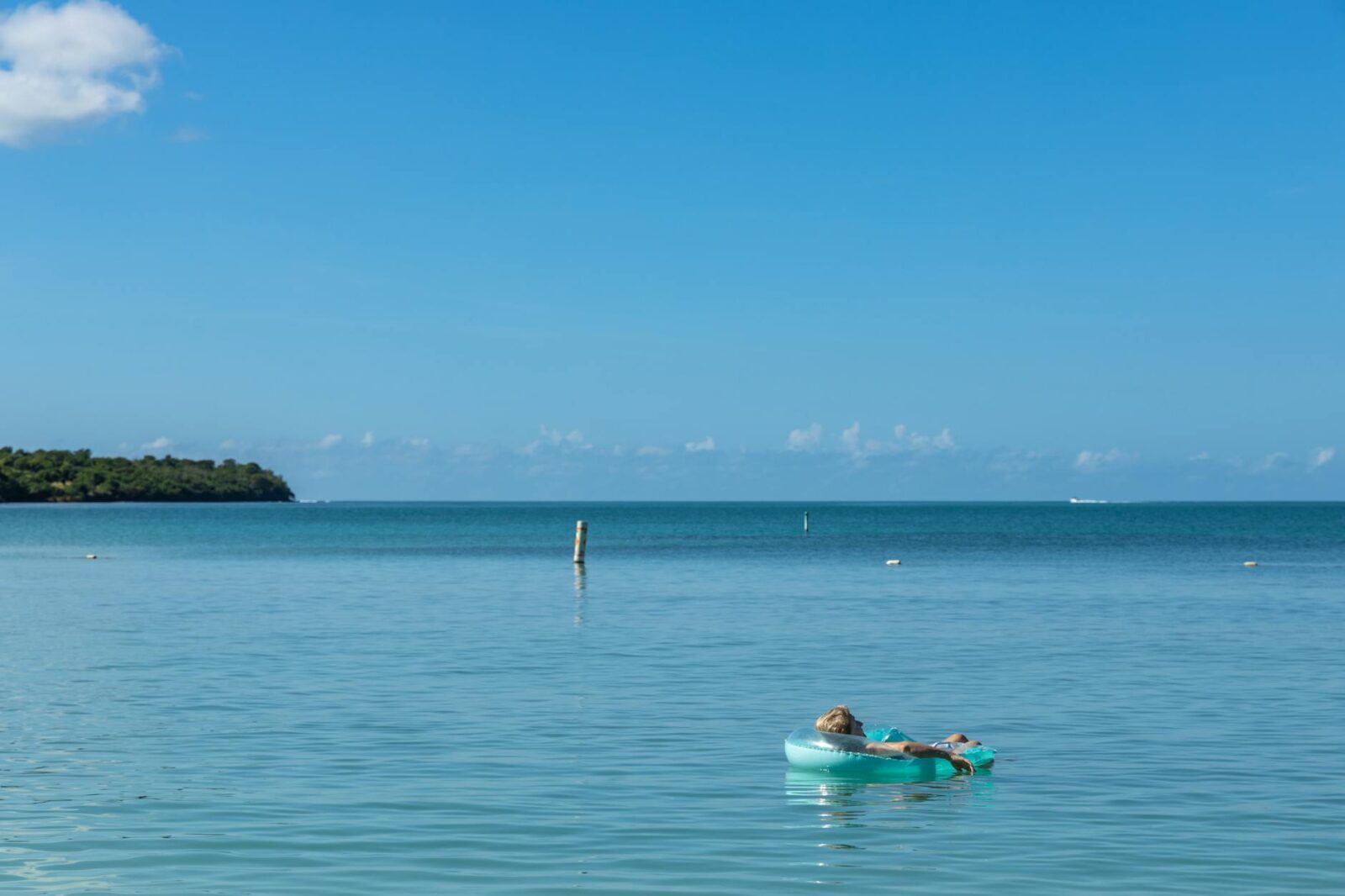
The Vatican: World’s Smallest Country, Trapped Inside Italy
Picture this: a sovereign nation so tiny—0.44 square kilometers—you could stroll its borders in under an hour, yet it holds no land connection to any other country except its Italian host. Vatican City is one of only three true enclaves on Earth, completely surrounded by Italy without a single land border to anywhere else. Home to the Pope and St. Peter’s Basilica, this micro-state punches way above its weight in global influence, recognized by 193 UN nations despite its landlocked-by-one status.
Historically, Vatican City became independent in 1929 via the Lateran Treaty, ending centuries of papal rule over Rome’s Papal States amid Italy’s unification. This setup shields the Holy See from foreign control, allowing it to govern its own laws, stamps, and even a small army—the Swiss Guard. Travelers flock here for spiritual pilgrimages or architectural wonders, but the ‘why’ lies in religion: it’s the spiritual heart for 1.4 billion Catholics worldwide.
For visitors, entry is free via St. Peter’s Square, but book Vatican Museums tickets ($20-30 USD) months ahead to skip lines. Practical tip: Visit early mornings to dodge crowds; combine with Rome’s Colosseum for a full day. Seasoned travelers report the Sistine Chapel’s ceiling leaves jaws dropped—truly a borderless wonder in Europe’s heart.
San Marino: Europe’s Oldest Republic, Locked in Italy’s Embrace
Clinging to Mount Titano like a medieval fortress, San Marino boasts no land borders beyond Italy, making it another rare enclave with just 61 square kilometers and 33,000 residents. Founded in 301 AD, it’s the world’s oldest surviving sovereign republic, predating most modern nations by over 1,500 years. This isolation preserved its independence through wars that engulfed Europe.
The ‘why’ traces to its founder, Marinus, a Christian stonemason fleeing persecution, who sought refuge in these rugged Apennine peaks. San Marino stayed neutral in both World Wars, even sheltering refugees, which earned it favors like tax-free status today. Economically, it thrives on tourism, stamps, and ceramics, exporting wine that rivals Tuscany’s—without ever touching the sea.
Travelers reach it via a 10-minute funicular from Borgo Maggiore ($5 USD round-trip). Hike the three towers for panoramic views, or taste local piadina flatbread stuffed with prosciutto (around $8 USD). Our research shows summer festivals like the Medieval Days in July offer jousting and archery—perfect for Instagram shares that scream ‘hidden gem’.
Lesotho: Africa’s Sky Kingdom High Above South Africa
Defying gravity at an average elevation of 2,125 meters, Lesotho is Africa’s only country entirely surrounding—no land borders except South Africa, nestled like a mountain realm within the Rainbow Nation. Covering 30,355 square kilometers, it’s home to 2.3 million people who call it the ‘Kingdom in the Sky’. This enclave status stems from Basotho King Moshoeshoe I’s 19th-century alliances with British colonials against Boer incursions.
Geographically, every inch lies above 1,000 meters, with peaks like Thabana Ntlenyana at 3,482 meters offering world-class skiing in winter. Culturally, Basotho blankets dyed in bright reds symbolize status, while moroho wild greens define hearty meals. Economically challenged as a least-developed landlocked nation, it exports water to South Africa and diamonds worth $300 million yearly.
Fly into Maseru via Johannesburg ($150-250 USD), then drive to Maletsunyane Falls for bungee jumping (world’s longest single-drop at 192 meters, $200 USD). Practical advice: Pack layers for chilly nights; visit Semonkong Lodge for pony treks. Travelers rave about untouched Maloti Mountains—pure adventure without border hassles.
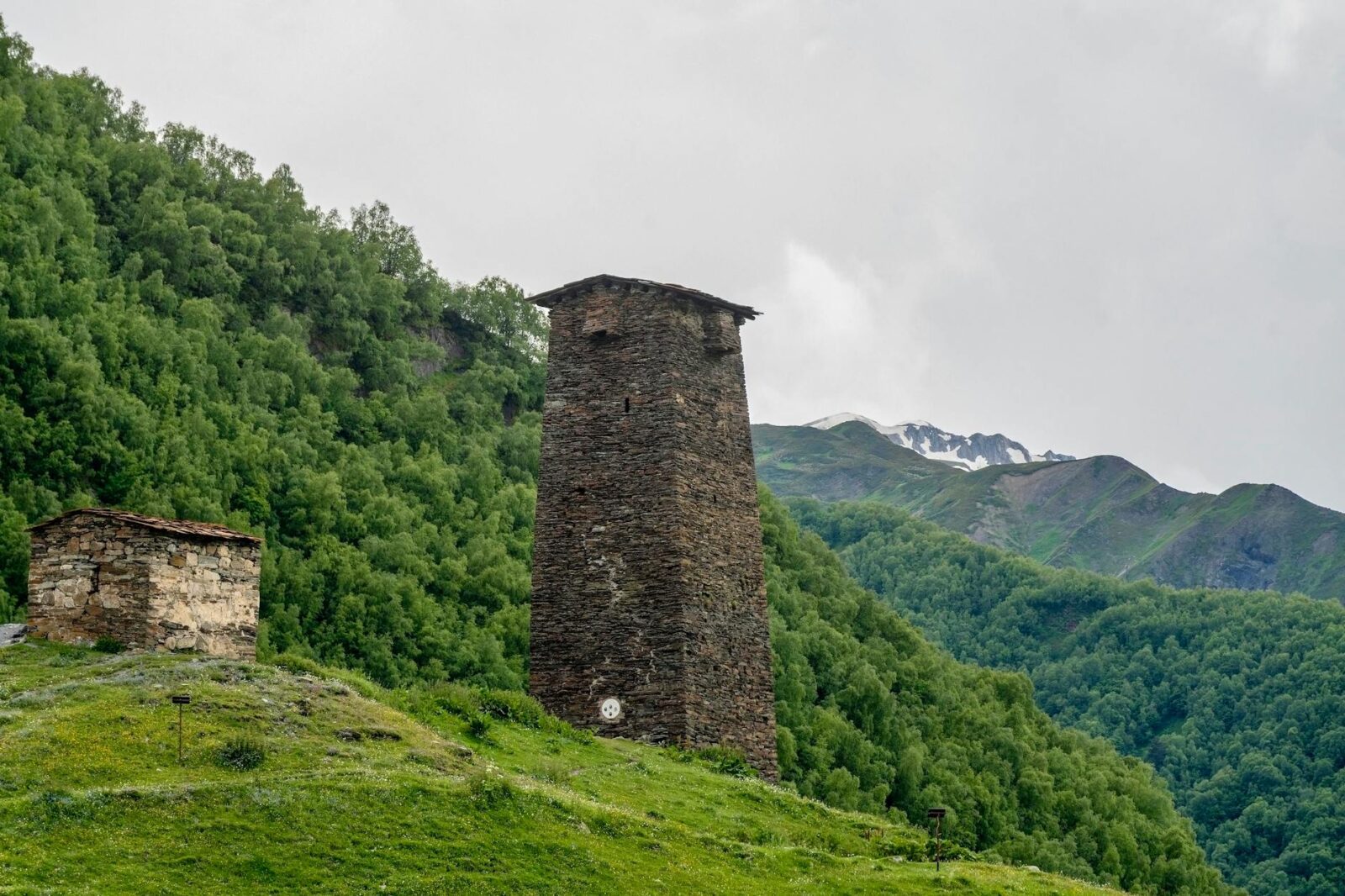
Maldives: 1,200 Coral Isles Floating Borderless in the Indian Ocean
Imagine 1,200 tiny islands strung across 90,000 square kilometers of ocean, with zero land borders—that’s the Maldives, a sun-kissed republic where atolls define paradise. Recognized by over 100 nations despite scant land (298 square kilometers total), it’s a top honeymoon spot drawing 1.8 million visitors yearly. Climate change threatens its 2mm average elevation, yet it thrives on luxury resorts.
History unfolds from ancient Buddhist kings to 16th-century Islamic sultanates, gaining independence from Britain in 1965. Culturally, Dhivehi language and tuna curry (mas huni, $10 USD plates) blend South Asian flavors. Economically, tourism generates 28% of GDP, with overwater bungalows starting at $500 USD/night.
Seaplane from Malé ($200 USD) to private atolls; book via official maldives.com for visas on arrival (free for 30 days). Dive with manta rays or relax on white sands—our experts recommend liveaboards for remote atolls. Fun fact: It’s the world’s lowest country, making every beach a ‘wait, really?!’ moment.
Iceland: Volcanic Outpost with No Neighbors in Sight
Adrift in the North Atlantic, Iceland shares no land borders, its 103,000 square kilometers forged by fire and ice. Home to 387,000 people, it’s a geological wonderland where eruptions like 2024’s Grindavík event remind us of nature’s power. Independence from Denmark in 1944 solidified its isolated sovereignty.
The ‘why’ is plate tectonics: Straddling the Mid-Atlantic Ridge, half the island could split apart. Culture shines in sagas, geothermal pools (Blue Lagoon, $80 USD entry), and skyr yogurt. Economically, renewable energy (100% of electricity) and tourism fuel growth, with Northern Lights drawing crowds.
Fly direct to Reykjavik (from $400 USD transatlantic); rent a 4×4 for Ring Road ($50/day). Chase puffins or hike volcanoes—practical tip: Download Vedur.is for weather alerts. Travelers share jaw-dropping glacier lagoons, proving borderless bliss exists.
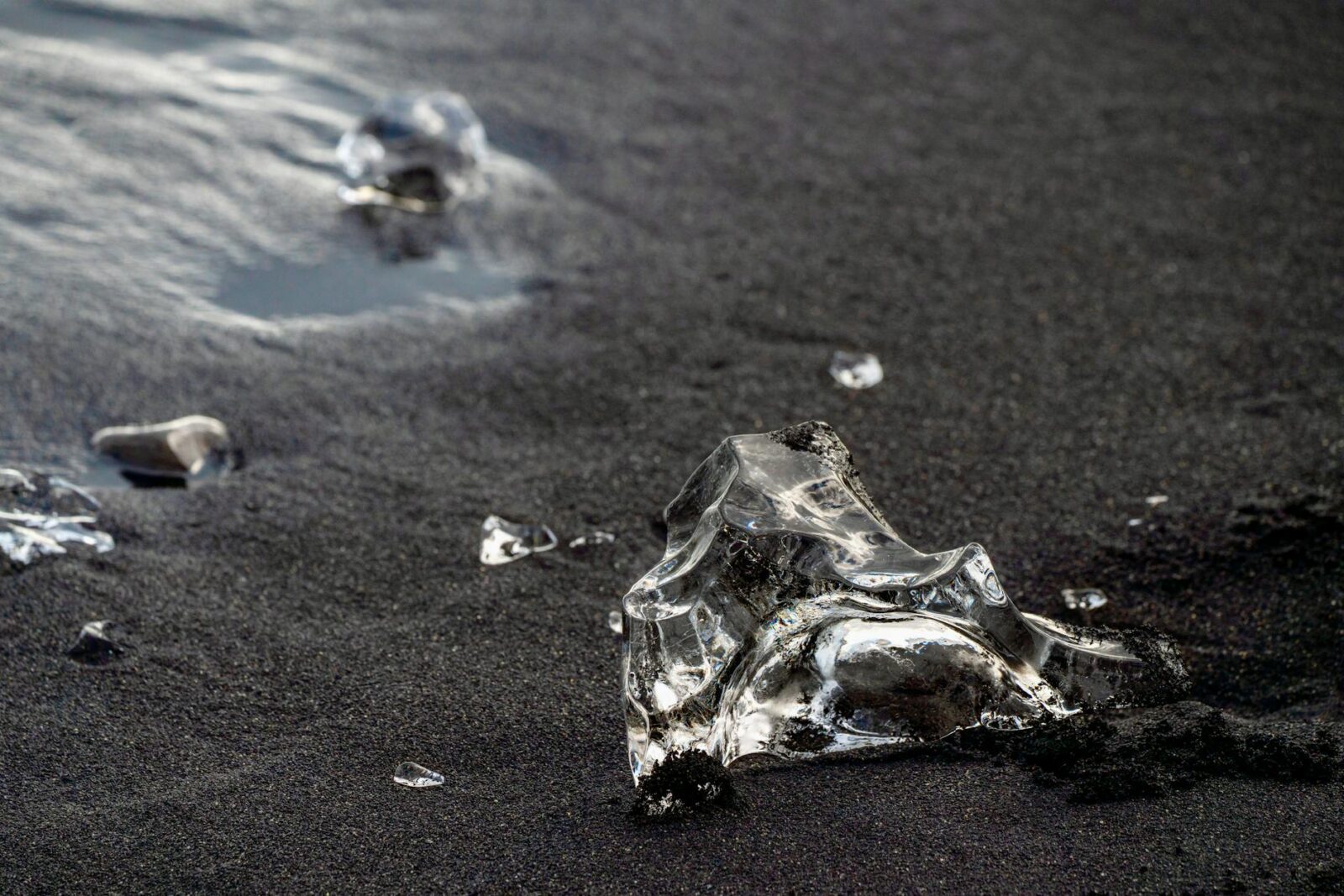
Bahamas: 700 Cays, No Land Ties to Anyone
Scattered like turquoise jewels over 13,878 square kilometers, the Bahamas boast no land borders, just endless Caribbean seas. With 470,000 residents across 30 inhabited islands, it’s a pirate lore haven, independent from Britain since 1973.
Columbus landed here in 1492, sparking colonial history; today, conch salad ($15 USD) and Junkanoo festivals pulse with African roots. Economically, cruises and casinos rake in $4 billion yearly, though hurricanes test resilience.
Ferry from Nassau to Exumas ($100 USD); snorkel with pigs on Pig Beach. Visa-free for most; book via bahamas.com. Paradise found—share that beach pic!
Malta: Mediterranean Fortress Adrift from Neighbors
Malta‘s 316 square kilometers of limestone islands float borderless in the Med, population 542,000 strong. Knights of St. John ruled from 1530, repelling Ottomans in 1565—history carved in honey-hued walls.
Culture mixes Arabic, Italian influences in pastizzi pastries ($2 USD). EU member since 2004, it hubs finance and dives.
Fly to Valletta ($100 USD low-cost); explore Gozo by bus. Megalithic temples await—ancient and isolated.
Japan: Tech Titan Ringed by Pacific Isolation
Four main islands, no land borders—Japan spans 377,975 square kilometers, 125 million innovators. Feudal shoguns closed borders for 200 years until 1853.
Sushi, cherry blossoms, bullet trains define it; GDP per capita $34,000 USD.
Tokyo inbound ($800 USD flights); ryokan stays from $200 USD. Earthquake-ready paradise.
New Zealand: Kiwi Realm at World’s Edge
Borderless duo of islands, 268,000 square km—New Zealand for 5.2 million adventure seekers. Maori arrival 800 years ago, British 1840.
Hobbiton, bungy (first commercial jump, $150 USD), green energy.
Auckland hub; campervan rentals $100/day. Epic hikes.
Philippines: 7,641 Isles, Zero Land Connections
Philippines: 300,000 sq km archipelago, 118 million vibrant souls, Spanish-American roots.
Adobo dishes, beaches, jeepneys.
Manila gateway; island-hop Boracay ($50 ferries). Tropical escape.
Practical Tips for Borderless Wanderlust
Island nations simplify travel—no land border queues, just flights or ferries. Check iatatravelcentre.com for e-visas; pack reef-safe sunscreen for corals. Budget $100-300 USD/day; apps like Rome2Rio plan hops. Support locals via homestays—sustainable fun.
Divers love Maldives, hikers Iceland; families Bahamas. Monitor cyclones via noaa.gov. These spots prove no borders mean pure discovery.
FAQ: Your Borderless Burning Questions
Which is the smallest country without land borders? Vatican City at 0.44 sq km, fully enclaved by Italy—perfect day trip from Rome.
Are there African island nations with no borders? No, but Lesotho enclaves South Africa; true islands like Madagascar border none.
How do these countries trade without borders? By air/sea; Maldives flies luxury goods, Iceland exports fish globally.
Visa-free for Indians/UAE visitors? Maldives, Bahamas yes 30 days; Japan 90 days—check timatic.iata.org.
Best budget borderless spot? Philippines—$50/day beaches beat Maldives resorts.
Stay informed with the latest travel news, visa updates, and destination guides. Follow HimalayanCrest.com for weekly travel intelligence delivered by our editorial team.