

Tuvalu: The Vanishing Pacific Paradise
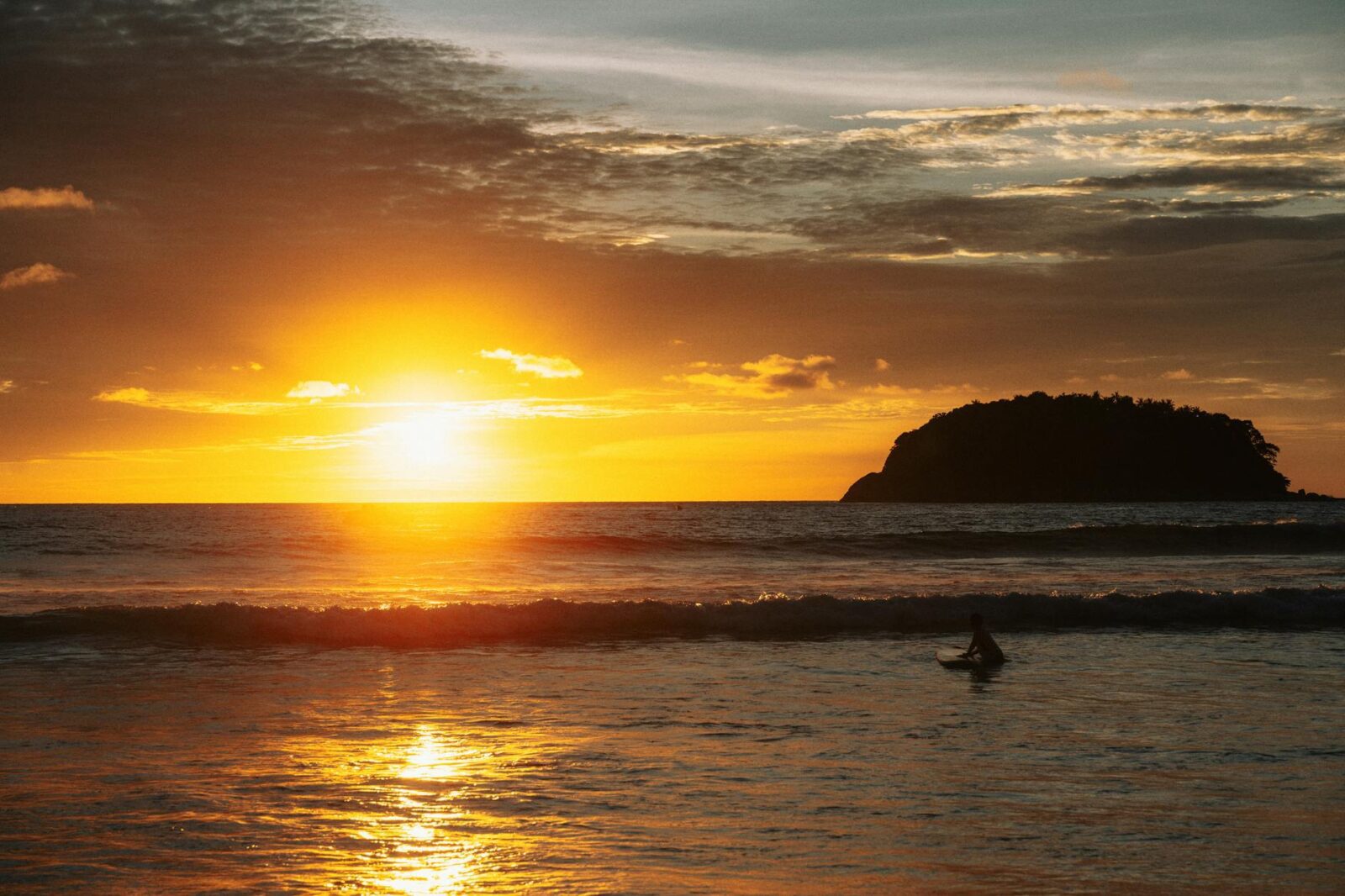
Imagine an island nation slowly disappearing beneath the waves. This is the grim reality for Tuvalu, a small Polynesian country in the Pacific Ocean. With its highest point just 4.6 meters above sea level, Tuvalu is one of the most vulnerable countries to climate change-induced sea level rise. Experts predict that by the year 2050, Tuvalu could become uninhabitable, forcing its population of around 11,000 to find new homes.
Tuvalu’s fate is a stark reminder of the global impact of climate change. The island’s government has been vocal in international forums, urging immediate action to combat global warming. For travelers, Tuvalu offers a unique opportunity to witness a culture that might soon become history. Visitors can explore the traditional Polynesian lifestyle, participate in local festivals, and enjoy the pristine beaches—while they last.
Maldives: Luxury Getaway at Risk
The Maldives, known for its luxurious overwater bungalows and crystal-clear waters, faces a similar threat. Comprising 26 atolls, the Maldives is the lowest-lying country on Earth, with an average ground level of just 1.5 meters above sea level. Rising sea levels pose a direct threat to its existence, with predictions that it could be submerged by the end of the century.
Tourism is the lifeblood of the Maldivian economy, contributing nearly 30% to its GDP. The potential loss of its islands would not only be a cultural tragedy but also an economic catastrophe. Travelers can support the Maldives by choosing eco-friendly resorts and participating in coral reef conservation projects during their visit.
Kiribati: The First Climate Change Refugees?
Kiribati, another Pacific island nation, is already planning for a future where its lands are uninhabitable. The government has purchased land in Fiji as a potential relocation site for its people. With sea levels rising at an alarming rate, Kiribati’s 33 atolls and reef islands are expected to face severe challenges within the next few decades.
Kiribati’s plight highlights the urgent need for global cooperation on climate change. For adventurous travelers, Kiribati offers a chance to experience a unique culture, with its traditional dances and vibrant community life, before it potentially vanishes from the map.
Venice: The Sinking City of Canals
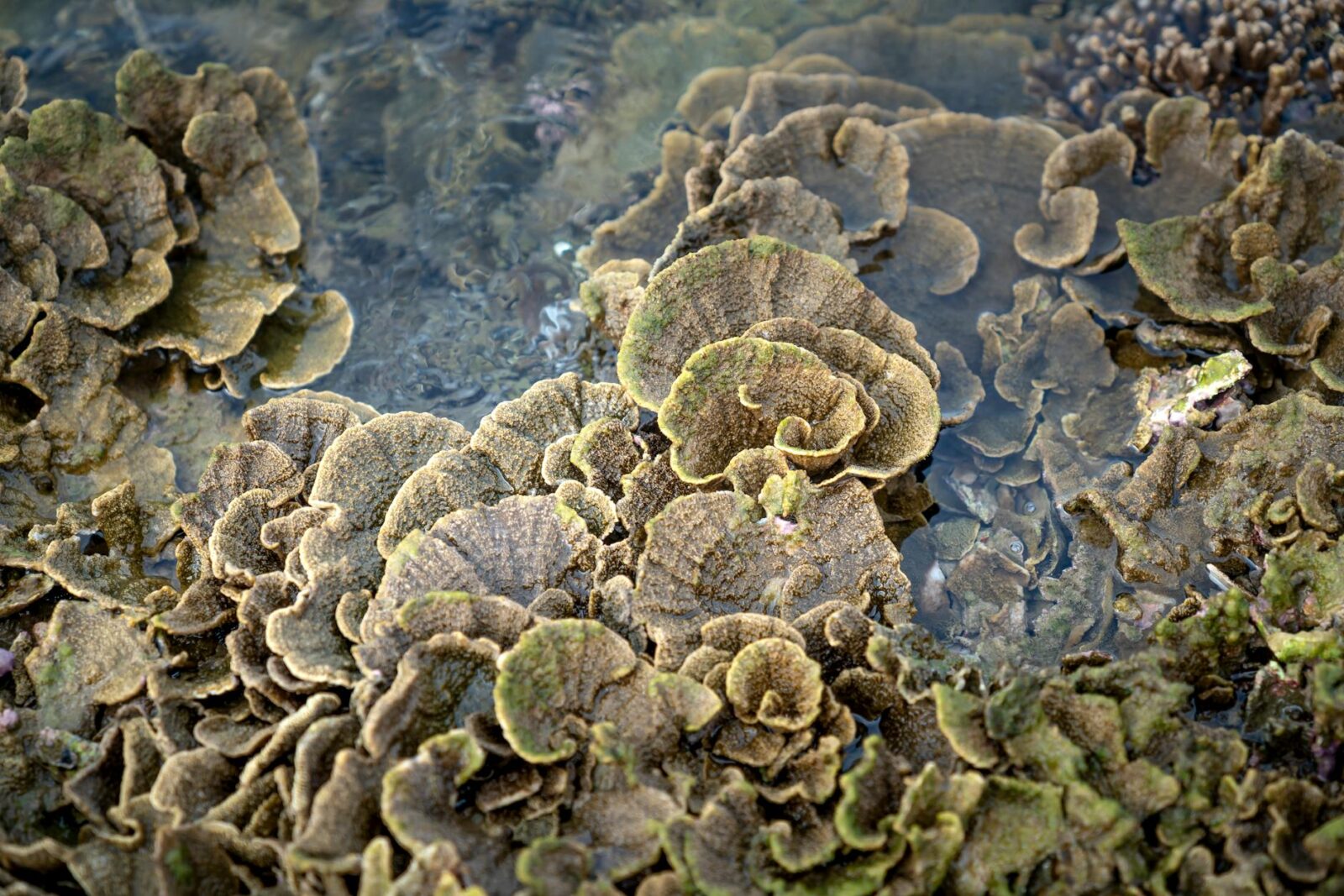
While not an island, Venice is a city built on water, and its sinking is no less concerning. Frequent flooding, known as ‘acqua alta,’ is becoming more common due to rising sea levels and subsidence. Experts warn that by 2100, Venice might be completely underwater if current trends continue.
Venice’s historic architecture and romantic canals make it a must-visit destination. Tourists are encouraged to explore the city’s lesser-known neighborhoods and support local artisans, ensuring their contributions aid in preservation efforts.
Solomon Islands: History Drowned by Rising Seas
The Solomon Islands have already lost five of their islands to the encroaching ocean, with more at risk. These islands are not only homes but also hold historical and cultural significance, including sites from World War II.
Travelers to the Solomon Islands can engage in sustainable tourism by visiting eco-lodges and participating in community-led tours. This helps support local economies and raises awareness of the islands’ plight.
Fiji: A Holiday Destination Under Threat
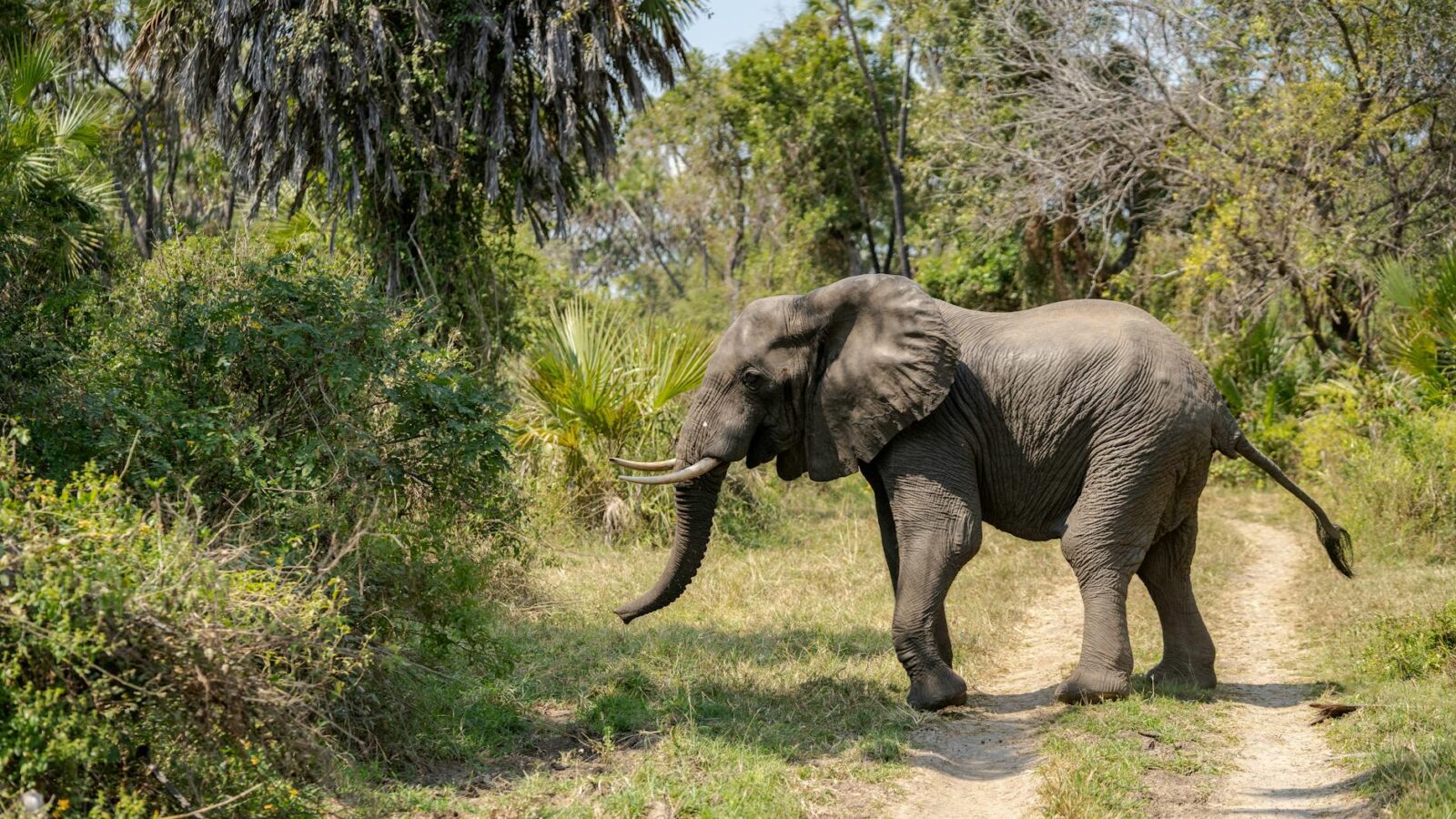
Fiji, a popular holiday destination known for its vibrant coral reefs and friendly locals, faces an uncertain future. Rising sea levels and severe weather events threaten its 300-plus islands, with some coastal villages already having been relocated.
Visitors can contribute to Fiji’s resilience by choosing eco-friendly accommodations and participating in local conservation efforts. The beauty of Fiji’s landscapes and the warmth of its people make it a memorable destination, worth visiting before any significant changes occur.
Bangladesh: The Disappearing Sundarbans
The Sundarbans, the world’s largest mangrove forest, straddles the border of India and Bangladesh. Rising sea levels and increased salinity are threatening this UNESCO World Heritage site, home to the endangered Bengal tiger.
The loss of the Sundarbans would not only be an environmental disaster but also a humanitarian one, affecting millions who rely on its resources. Travelers can explore the Sundarbans’ unique ecosystem while supporting conservation initiatives aimed at preserving this vital habitat.
Marshall Islands: A Legacy Under Water
Like its Pacific neighbors, the Marshall Islands are at the forefront of the battle against climate change. With sea levels rising, the islands face the dual threat of land loss and freshwater contamination.
Travelers have the opportunity to witness the resilience of the Marshallese people and learn about their traditional navigation skills. Supporting local businesses and eco-tourism initiatives can help bolster the islands’ economy in these trying times.
Bangladesh: The Sundarbans’ Vanishing Act
The Sundarbans, the largest mangrove forest in the world, stretches across the delta of the Ganges, Brahmaputra, and Meghna rivers on the Bay of Bengal. Rising sea levels and increased salinity threaten this crucial ecosystem, home to the endangered Bengal tiger. Without intervention, the Sundarbans could disappear within decades.
The loss of the Sundarbans would be catastrophic for both biodiversity and human livelihoods. Travelers visiting this UNESCO World Heritage Site can support conservation efforts and raise awareness of its plight by engaging in responsible tourism practices.
Hawaii: The Threatened Aloha State
While Hawaii’s main islands aren’t at immediate risk of disappearing, many of its smaller, low-lying islands are. Rising sea levels and coastal erosion threaten these islands, which are vital habitats for a variety of wildlife.
Visitors to Hawaii can support conservation efforts by participating in beach clean-ups and supporting local sustainability initiatives. The spirit of ‘Aloha’ extends to protecting these islands for future generations.
Practical Takeaways for Travelers
For those looking to visit these endangered islands, the time is now. Embrace sustainable tourism practices by choosing eco-friendly accommodations, participating in conservation efforts, and supporting local economies. By doing so, travelers can contribute to the preservation of these unique destinations and help raise awareness of the global impacts of climate change.
FAQ
Are these islands truly disappearing?
Yes, due to rising sea levels caused by climate change, many islands are experiencing increased flooding and erosion, threatening their existence.
Can anything be done to save these islands?
Efforts are underway globally to combat climate change and its effects. Local conservation initiatives and sustainable tourism can also aid in preserving these islands.
How can travelers help?
Travelers can support by choosing eco-friendly travel options, participating in local conservation projects, and raising awareness about the islands’ plight.
What happens to the residents of these islands?
Some island nations are already planning relocations, while others are implementing adaptive strategies. International aid and cooperation are crucial for their future.
Stay informed with the latest travel news, visa updates, and destination guides. Follow HimalayanCrest.com for weekly travel intelligence delivered by our editorial team.