

The World’s Largest Island Nation
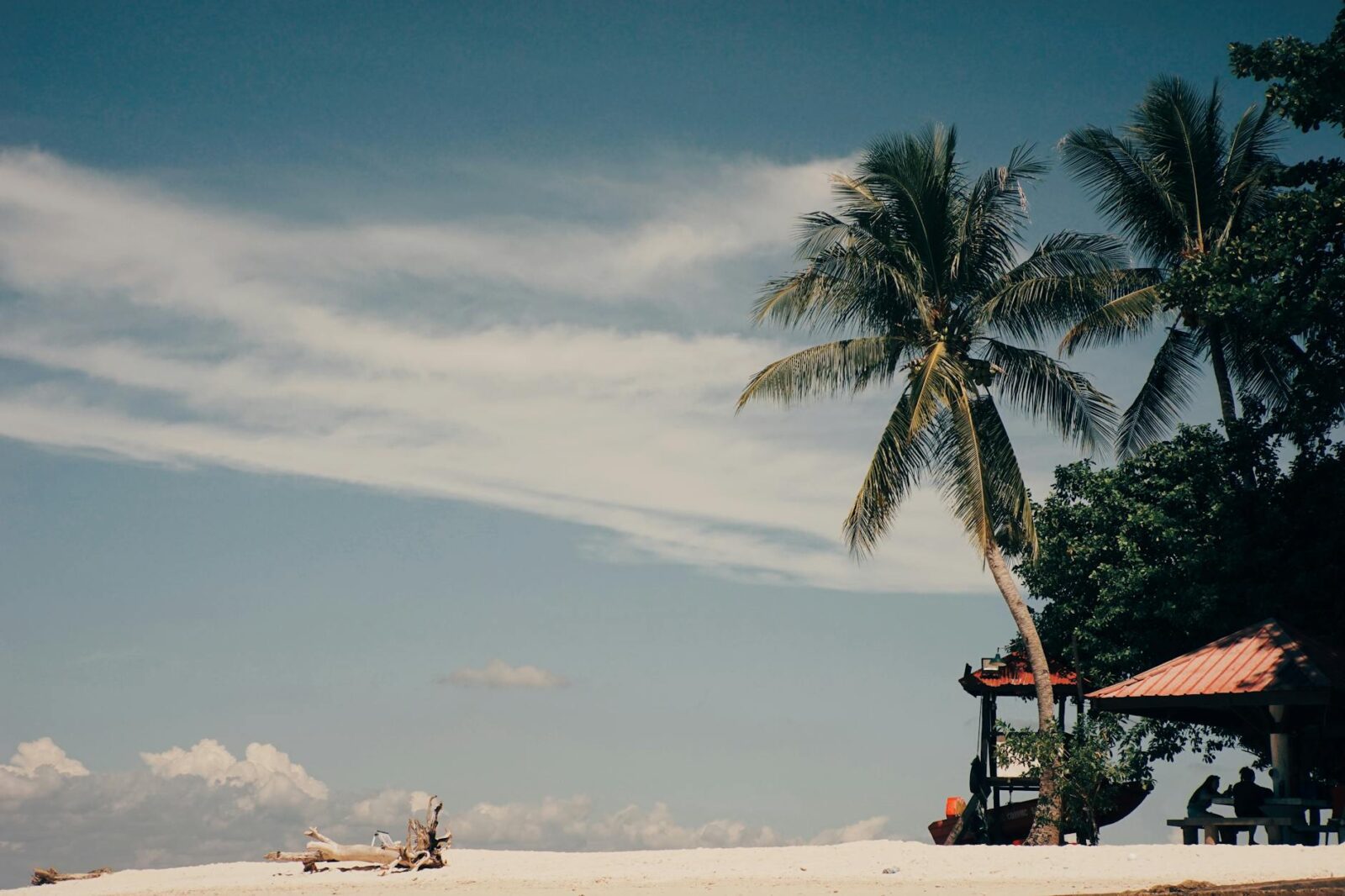
When you think of island countries, Australia often comes to mind. However, the largest island nation in the world by area is actually Indonesia. Comprising over 17,000 islands, Indonesia stretches over a vast 1.9 million square kilometers. This archipelago boasts a rich tapestry of cultures and languages, with over 700 indigenous languages spoken. The unique geography means that every island offers a distinct experience, from the bustling streets of Jakarta to the serene beaches of Bali.
Indonesia’s isolation has allowed its biodiversity to flourish. The nation is home to unique species such as the Komodo dragon and the critically endangered Javan rhino. For travelers, this means an opportunity to explore rainforests teeming with life, dive into vibrant coral reefs, or trek up the smoking volcanoes of Java.
The Country with No Rivers
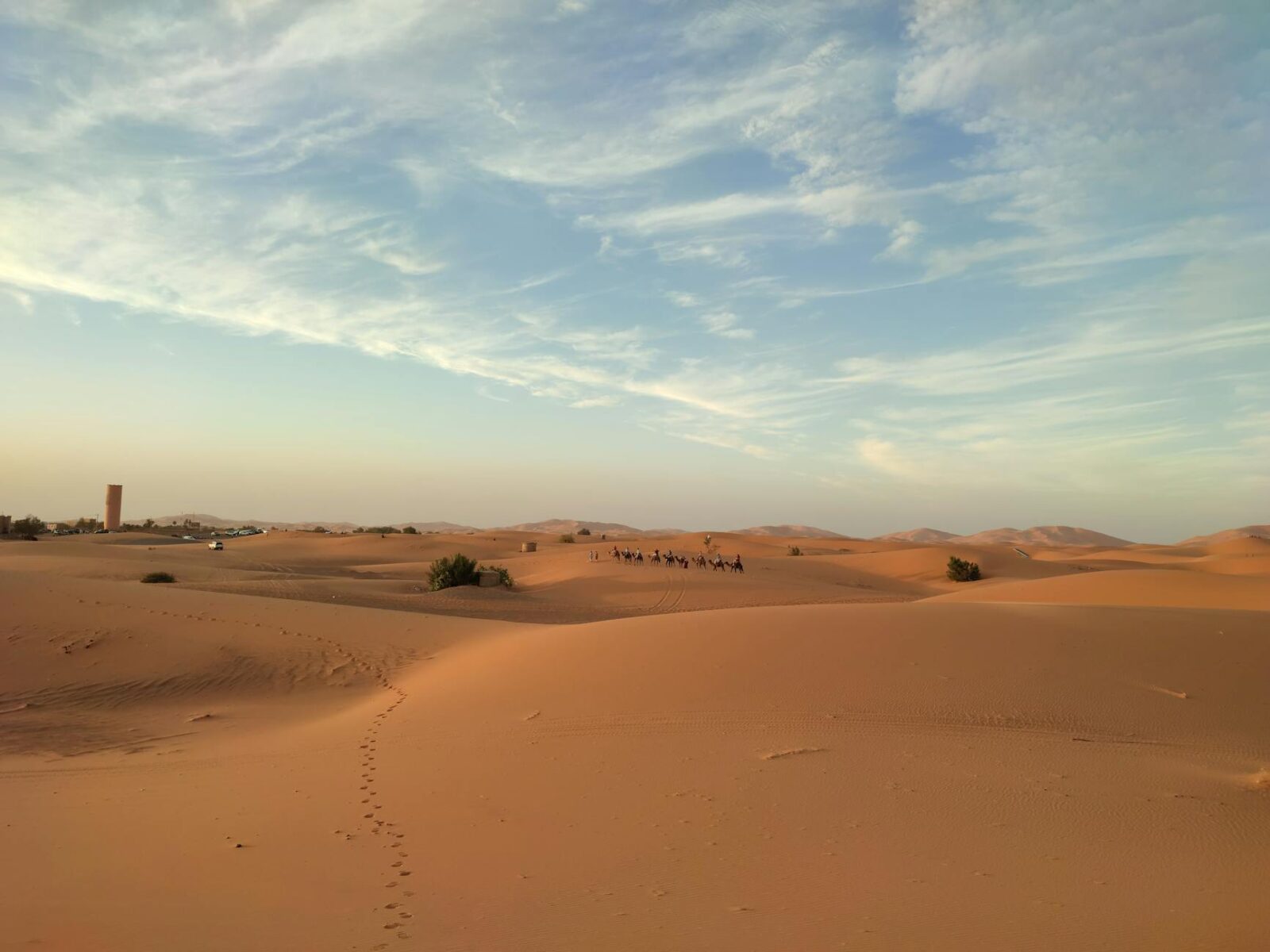
Saudi Arabia is a vast desert kingdom with a surprising geographical trait: it has no permanent rivers. Despite its size, the country’s landscape is dominated by vast deserts like the Rub’ al Khali, or the Empty Quarter. Water is sourced from underground aquifers, and increasingly, through desalination of seawater. This lack of natural water bodies has shaped Saudi culture, with traditional nomadic Bedouin lifestyles still influencing modern society.
For travelers, Saudi Arabia’s dry landscape offers a unique allure. The stark beauty of the desert is best experienced on a camel trek, while the ancient Nabatean city of Al-Ula provides a glimpse into the region’s rich history.
A Nation Built on Atolls
Maldives is a stunning nation comprising 26 atolls spread across the Indian Ocean. Known for its luxurious overwater bungalows and crystal-clear waters, Maldives is a dream destination for many. Each atoll is made up of numerous small islands, with only about 200 of the 1,190 islands inhabited. The country’s geography means that life revolves around the sea, with fishing and tourism being the mainstays of the economy.
Visiting the Maldives means diving into a world of aquatic wonders. Snorkeling and diving opportunities abound, with vibrant coral reefs and a rich variety of marine life. The unique geography also poses challenges, as rising sea levels threaten the very existence of these low-lying islands.
The Floating Kingdom of the Pacific
Tonga, an archipelago in the South Pacific, is one of the few remaining kingdoms in the world. Comprising over 170 islands, only 36 are inhabited. Tonga’s monarchy has been a stabilizing force, preserving the nation’s rich Polynesian culture. The islands are known for their rugged landscapes, stunning coral reefs, and traditional Tongan feasts.
Travelers to Tonga can experience the Ha’amonga ‘a Maui Trilithon, an ancient stone structure, or swim with humpback whales, which migrate to the warm waters each year. The unique cultural heritage and untouched natural beauty make Tonga a captivating destination.
The Caribbean Nation with a Carnival Spirit
Trinidad and Tobago, the twin-island nation in the Caribbean, is famous for its vibrant Carnival, celebrated with parades, music, and dancing. Trinidad, the larger of the two islands, is an industrial hub, while Tobago is known for its tranquil beaches and resorts. The islands’ diverse population includes descendants of African, Indian, and indigenous peoples, reflected in the rich cultural tapestry and delicious cuisine.
Visitors to Trinidad and Tobago can enjoy the bustling capital, Port of Spain, hike through the lush rainforests of Tobago, or relax on the famous Maracas Beach. The islands’ unique mix of cultures offers a lively atmosphere that captivates all who visit.
The World’s Smallest Republic
Nauru, a tiny island nation in Micronesia, holds the title of the world’s smallest republic, covering just 21 square kilometers. Once wealthy due to phosphate mining, Nauru now faces economic challenges as reserves have dwindled. The island’s history is marked by its colonial past and struggles with environmental degradation.
Despite its size, Nauru offers unique experiences. The island’s lunar-like landscape, remnants of phosphate mining, contrasts with its stunning coastline. Travelers can explore the island’s history at the Nauru Museum or take a leisurely drive around the entire nation, which takes just about an hour.
An Island Nation with No Military
Costa Rica, though not an island, shares a unique trait with many island nations: it has no standing military. The country abolished its army in 1948, redirecting resources to education and healthcare, which has contributed to its high standard of living. Known for its biodiversity, Costa Rica is a haven for ecotourism, attracting visitors with its rainforests, volcanoes, and beaches.
Travelers can zip-line through the Monteverde Cloud Forest, relax in the hot springs near Arenal Volcano, or enjoy the vibrant culture of San José. Costa Rica’s commitment to peace and sustainability makes it an inspiring destination for nature lovers and those seeking a unique cultural experience.
A Nation at the Crossroads of Continents
Cyprus, an island nation in the eastern Mediterranean, lies at the crossroads of Europe, Asia, and Africa. This strategic location has influenced its history and culture, with Greek and Turkish influences evident across the island. Cyprus is known for its beautiful beaches, ancient ruins, and vibrant nightlife.
Travelers can explore the divided capital, Nicosia, visit the UNESCO World Heritage site of Paphos, or hike the Troodos Mountains. Cyprus offers a rich blend of history, culture, and natural beauty that continues to attract visitors from around the globe.
A Nation of Two Islands and a Long History
New Zealand, comprising the North Island and South Island, is known for its stunning landscapes and Maori culture. The islands’ diverse geography ranges from rolling green hills to majestic fjords and towering mountains. New Zealand’s isolation has allowed it to develop unique flora and fauna, including the kiwi bird, a national symbol.
Visitors to New Zealand can explore the geothermal wonders of Rotorua, hike the Tongariro Alpine Crossing, or experience Maori culture in Rotorua. The country’s dramatic scenery has also made it a popular filming location, most famously for the ‘Lord of the Rings’ trilogy.
A Nation Defined by Its Coral Reefs
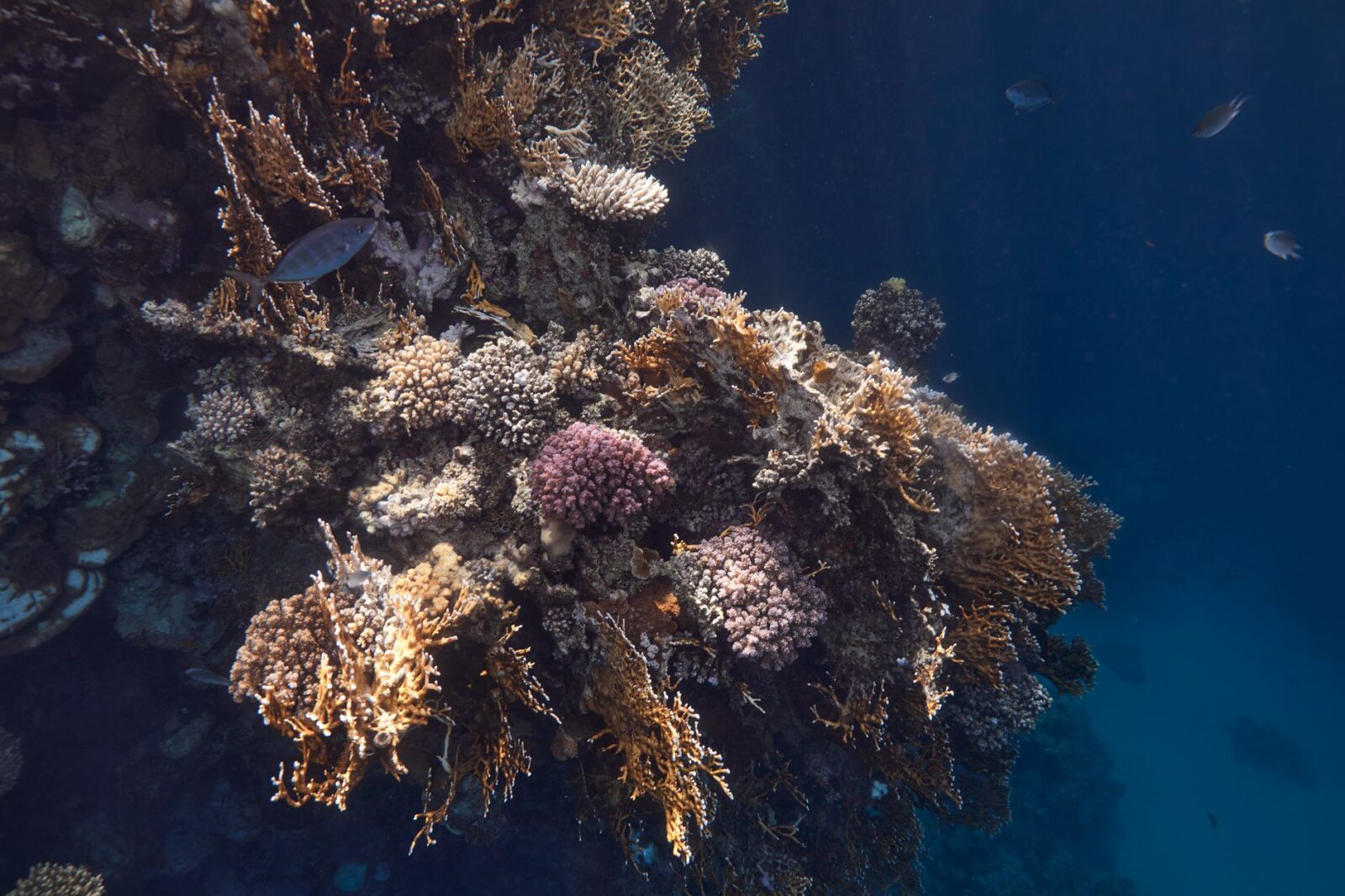
The Marshall Islands, located in the Pacific Ocean, are made up of 29 coral atolls and five islands. The country’s geography is dominated by coral reefs, which support rich marine biodiversity. However, rising sea levels pose a significant threat to the low-lying islands.
Travelers to the Marshall Islands can experience world-class diving and snorkeling, with opportunities to see colorful coral gardens and WWII shipwrecks. The islands’ remote location and unique natural beauty make them a fascinating destination for adventurous travelers.
Practical Tips for Travelers
Exploring these unique island nations offers a chance to experience diverse cultures, breathtaking landscapes, and rich histories. Here are some practical tips for travelers:
- Plan Ahead: Many island nations have limited infrastructure, so booking accommodations and transport in advance is advisable.
- Respect Local Cultures: Each country has its own customs and traditions. Be sure to research and respect local practices and dress codes.
- Pack Accordingly: Island weather can be unpredictable. Pack light, breathable clothing, and prepare for both sun and rain.
- Eco-Conscious Travel: Many of these nations are vulnerable to climate change. Practice eco-friendly travel by minimizing waste and supporting sustainable tourism initiatives.
FAQ: Exploring Island Nations
Which is the largest island nation in the world?
Indonesia is the largest island nation, with over 17,000 islands and an area of 1.9 million square kilometers.
What is the smallest island nation?
Nauru is the smallest island nation, covering just 21 square kilometers in the Pacific Ocean.
Are there island nations with no military?
Costa Rica, while not an island, is unique for having no standing military, focusing on education and healthcare instead.
How can travelers support island nations?
Support island nations by engaging in eco-friendly tourism, respecting local cultures, and contributing to the local economy.
What challenges do island nations face?
Many island nations face environmental challenges like rising sea levels and limited natural resources.
Stay informed with the latest travel news, visa updates, and destination guides. Follow HimalayanCrest.com for weekly travel intelligence delivered by our editorial team.