

The Allure of Iceland’s Winter Wonderland
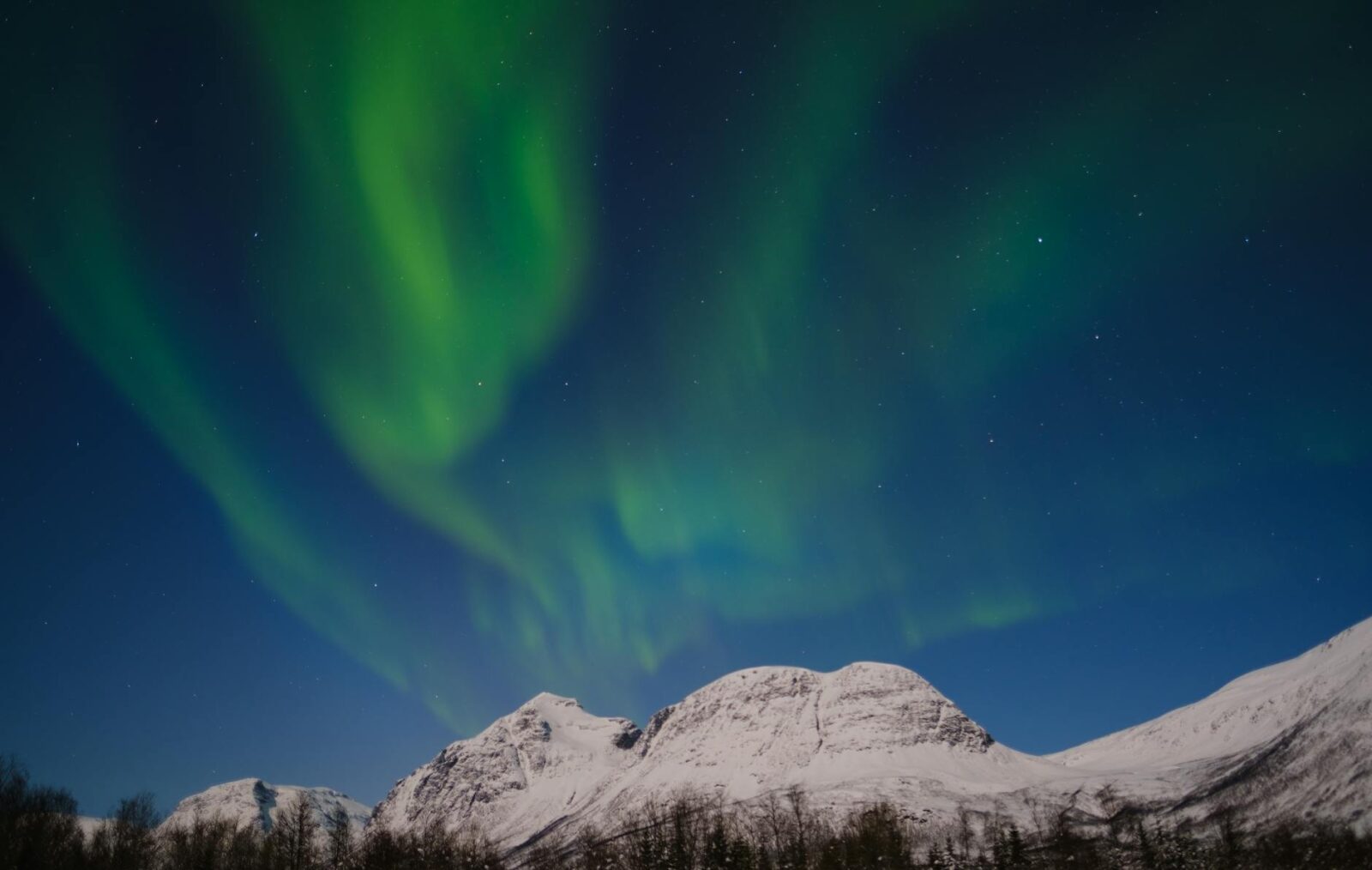
Imagine standing on a vast, snow-covered plain under a canopy of stars, the crisp air tingling against your skin. Suddenly, the sky bursts into a dance of colors—emerald greens, vivid pinks, and deep purples swirl above you in a mesmerizing display. This is the magic of Iceland in winter, a destination that beckons travelers with promises of the Northern Lights, steaming hot springs, and breathtaking landscapes.
Why Iceland in Winter is a Must-Visit
Winter transforms Iceland into an ethereal landscape, offering a unique blend of natural beauty and adventure. The island’s geographical position near the Arctic Circle makes it one of the best places in the world to witness the Northern Lights. Beyond the auroras, Iceland’s winter offers quieter attractions, with fewer tourists and more authentic experiences. Whether it’s exploring ice caves or soaking in geothermal hot springs, there’s an unparalleled sense of tranquility and wonder here.
Best Time to Visit: Timing Your Trip
The optimal time to visit Iceland for Northern Lights is from September to March when the nights are longest and darkest. January and February, despite being the coldest months, offer the highest chances for clear skies. However, travelers should brace for temperatures ranging from -1°C to 3°C (30°F to 37°F) and occasional snowstorms. Packing layers and waterproof clothing is essential to enjoy your trip comfortably.
Where to Stay: Accommodation Options
Iceland offers a range of accommodations to suit every budget. For those on a tight budget, hostels and guesthouses in Reykjavík and nearby towns offer beds from $30 to $50 per night. Mid-range travelers can find cozy hotels and Airbnb options ranging from $80 to $150. For luxury seekers, Reykjavík’s high-end hotels and countryside lodges, starting at $200 per night, provide an indulgent retreat with stunning views and top-notch amenities.
Top Experiences: Beyond the Northern Lights
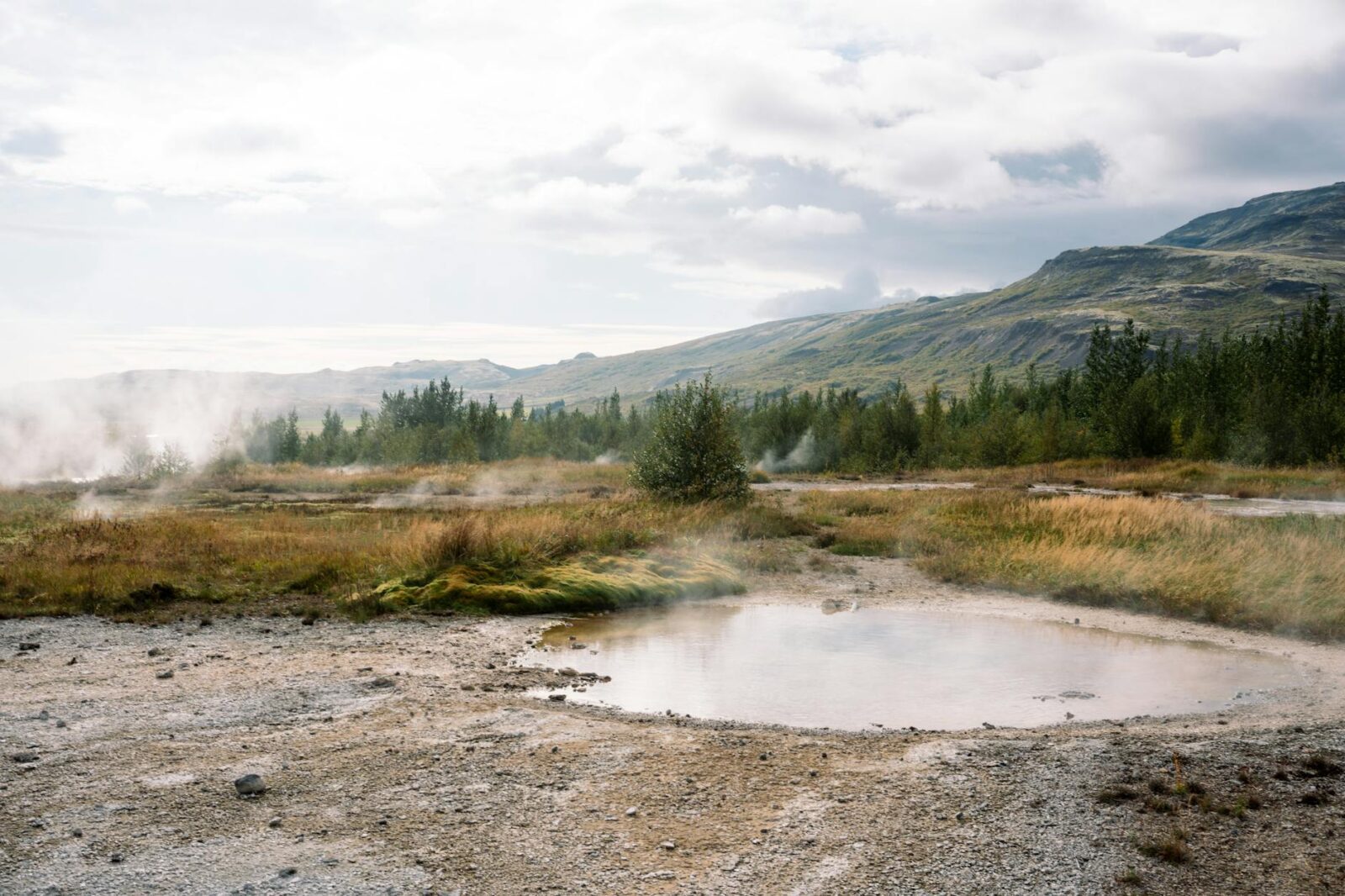
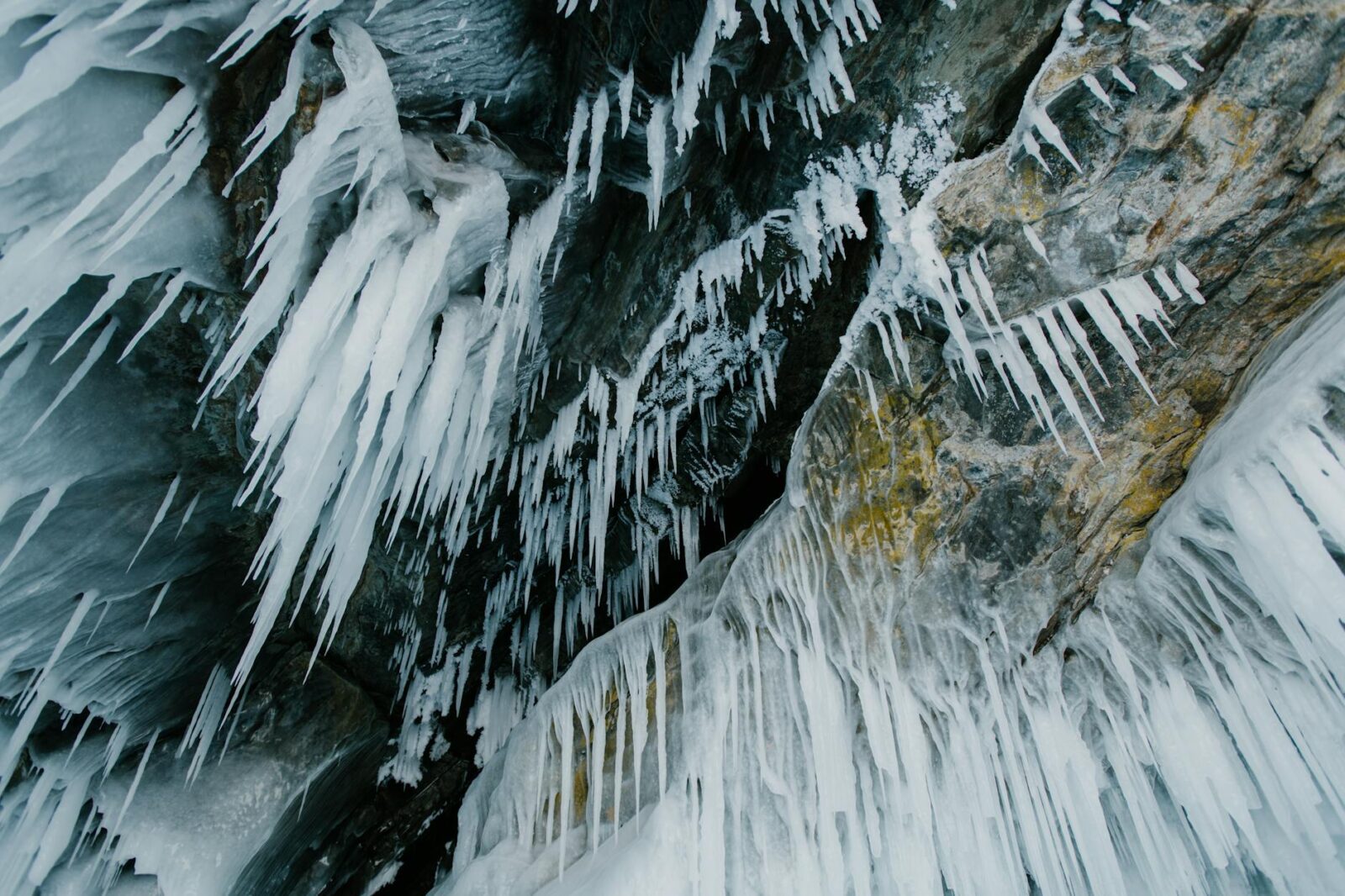
While the Northern Lights are the star attraction, Iceland’s winter road trips offer much more. Visit the iconic Blue Lagoon near Reykjavik, where you can soak in milky-blue geothermal waters while surrounded by black lava fields. For a thrilling adventure, explore the ice caves of Vatnajökull, the largest glacier in Europe. These crystalline formations are accessible via guided tours, which often combine glacier hiking and cave exploration.
Food and Drink: Icelandic Culinary Delights
Iceland’s culinary scene is as rich as its landscapes. Sample traditional dishes like hangikjöt (smoked lamb) or plokkfiskur (fish stew) in Reykjavík’s vibrant food districts. For a sweet treat, try kleina, a twisted doughnut-like pastry. Dining out can range from $15 for a simple meal to $50 for a gourmet experience, making it accessible for various budgets.
Travel Logistics: Getting There and Around
Reykjavík’s Keflavík International Airport is the main gateway to Iceland, with regular flights from major cities worldwide. Renting a 4×4 vehicle is recommended for winter road trips, providing the flexibility to explore remote areas safely. Note that a valid driver’s license and credit card are required for car rentals. U.S. citizens can visit Iceland visa-free for up to 90 days, while travelers from other countries should check specific visa requirements on Iceland’s Directorate of Immigration website.
Cultural Insights and Common Mistakes
Understanding local customs can enhance your Icelandic experience. Greet locals with a friendly ‘Góðan daginn’ (Good day) and always remove your shoes when entering homes. One common mistake is underestimating the weather—always check forecasts and road conditions before setting out. Also, remember that off-road driving is illegal and can damage Iceland’s fragile environment.
FAQs About Iceland Winter Travel
How many days do you need in Iceland to see the Northern Lights?
A stay of at least 5-7 days increases your chances of witnessing the Northern Lights, as it provides more opportunities for clear nights.
Can you drive around Iceland in winter?
Yes, with a 4×4 vehicle and proper preparation, driving around Iceland in winter is possible, but always check road conditions and weather forecasts.
What should I pack for an Iceland winter trip?
Pack thermal layers, waterproof outerwear, sturdy boots, and accessories like gloves and hats to stay warm and dry.
Is the Blue Lagoon open in winter?
Yes, the Blue Lagoon is open year-round and offers a unique experience in winter with its warm waters contrasting the cold air.
Are there any safety tips for viewing the Northern Lights?
Avoid light pollution by venturing to remote areas, and always inform someone of your plans if you’re exploring alone.
Stay informed with the latest travel news, visa updates, and destination guides. Follow HimalayanCrest.com for weekly travel intelligence delivered by our editorial team.