

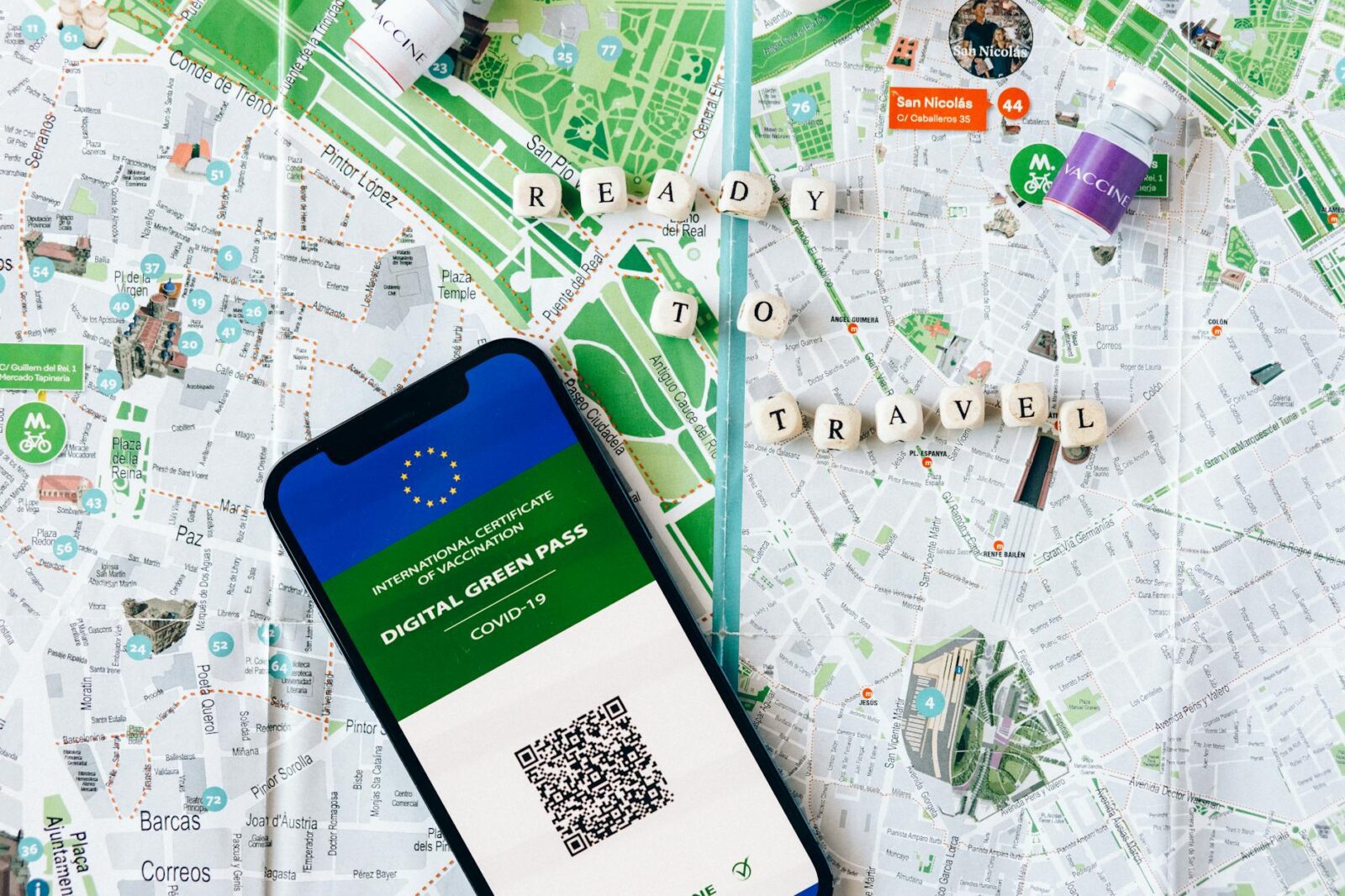
Understanding the US Travel Advisory Map
Imagine planning your dream vacation, only to discover your destination is marked with a red alert on the U.S. Department of State’s travel advisory map. This map has become an essential tool for American travelers, especially given the dynamic geopolitical climate of 2026. More than 20 countries are currently classified as high-risk, emphasizing the need for vigilance and careful planning.
The Four Levels of Travel Advisories
The U.S. State Department categorizes travel advisories into four distinct levels. Level 1 advises travelers to ‘exercise normal precautions,’ offering a green light for most destinations. Level 2 suggests ‘increased caution,’ while Level 3 urges travelers to ‘reconsider travel.’ The most severe, Level 4, indicates ‘Do Not Travel,’ highlighting areas with significant risks, such as active conflict zones or areas with severe health threats.
Recent Updates: Countries to Be Cautious About
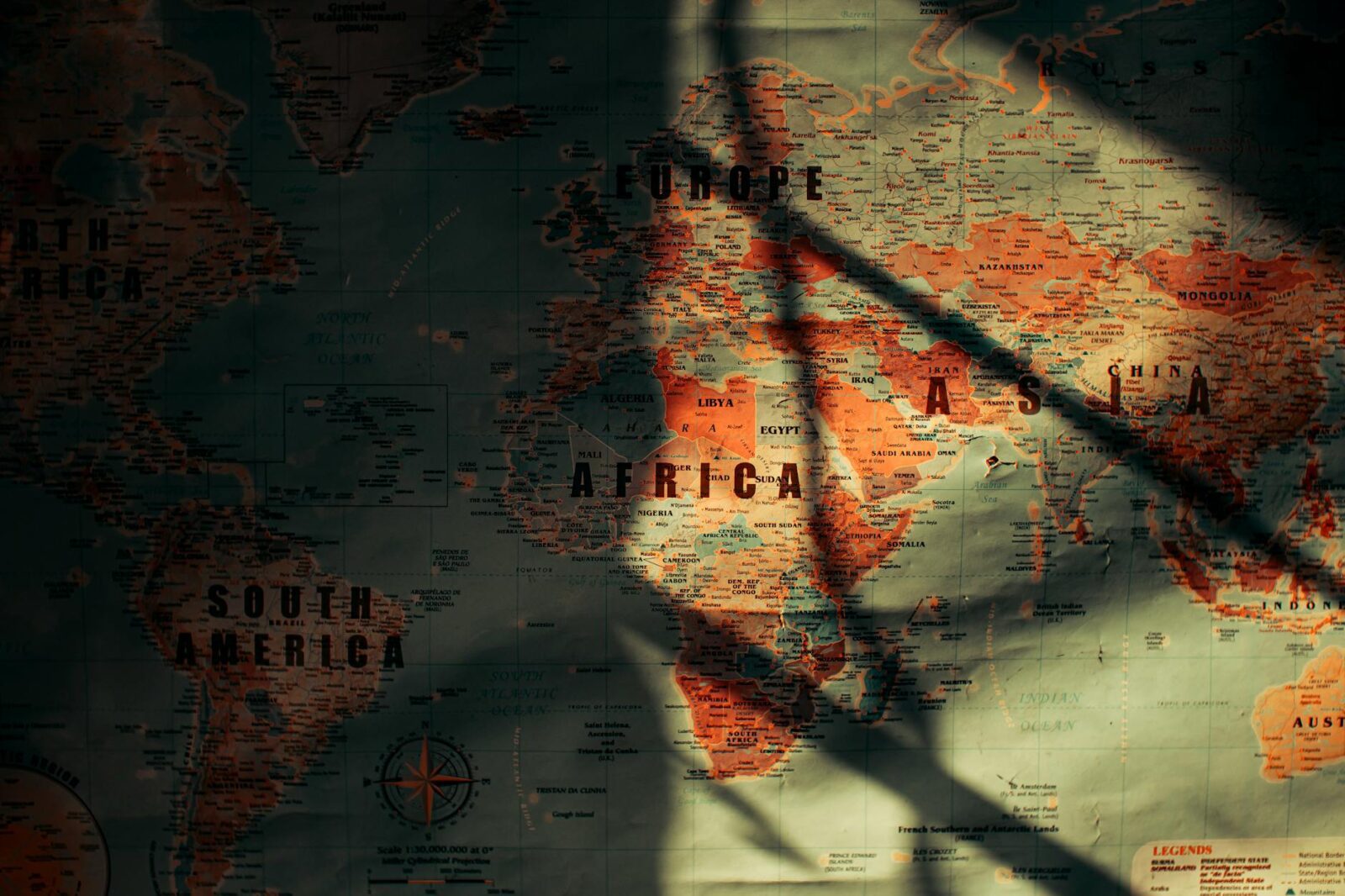
As of June 2026, regions like the Middle East are under heightened alert due to geopolitical tensions. Countries such as Iran are marked as Level 4, amidst ongoing conflicts. Similarly, certain parts of Africa are also flagged, demanding attention to local advisories and potential travel disruptions.
Practical Tips for Safe Travel
Travel experts recommend several strategies to ensure safety. Registering with the Smart Traveler Enrollment Program (STEP) provides critical updates about your destination. Additionally, maintaining flexible itineraries can accommodate sudden changes, such as airspace closures, which have been frequent in recent months.
Budgeting for Unexpected Costs
Traveling to areas with higher advisory levels often entails additional expenses. Travelers should budget for comprehensive travel insurance, which might cost upwards of $200 USD, depending on the coverage. Furthermore, accessing emergency services or alternative transportation can quickly add to costs.

Alternative Destinations
If your desired destination is flagged, consider safer alternatives. For instance, if you planned to visit parts of Africa, consider regions like Botswana or Namibia, which are currently at Level 1. These destinations offer rich cultural experiences and breathtaking landscapes without the associated risks.
Planning Your Journey: A Checklist
1. Check the State Department’s travel advisory map regularly.
2. Enroll in STEP for alerts.
3. Purchase comprehensive travel insurance.
4. Prepare contingency plans for itinerary changes.
5. Stay informed about local conditions through embassy alerts.
Visa and Entry Requirements
While the travel advisory map highlights risks, it does not dictate visa requirements. Travelers should consult the official embassy websites of their destinations for up-to-date entry regulations, which can vary based on current events and health advisories.
FAQs
What is the most current travel advisory level for the Middle East?
The Middle East is currently under increased caution, with several countries at Level 3 or 4 due to ongoing conflicts.
How often is the travel advisory map updated?
The U.S. Department of State updates the map regularly, often in response to changing geopolitical situations or health crises.
Can non-U.S. citizens use the travel advisory map?
While designed for U.S. citizens, the advisory map is a valuable resource for anyone traveling internationally, providing insights into safety concerns.
What should I do if my destination is marked Level 4?
Consider postponing your travel plans. If travel is necessary, take extensive precautions and stay informed through local news and embassy updates.
Is travel insurance necessary for Level 1 destinations?
While not mandatory, travel insurance is recommended for all destinations to cover unforeseen events such as medical emergencies or trip cancellations.
Stay informed with the latest travel news, visa updates, and destination guides. Follow HimalayanCrest.com for weekly travel intelligence delivered by our editorial team.