

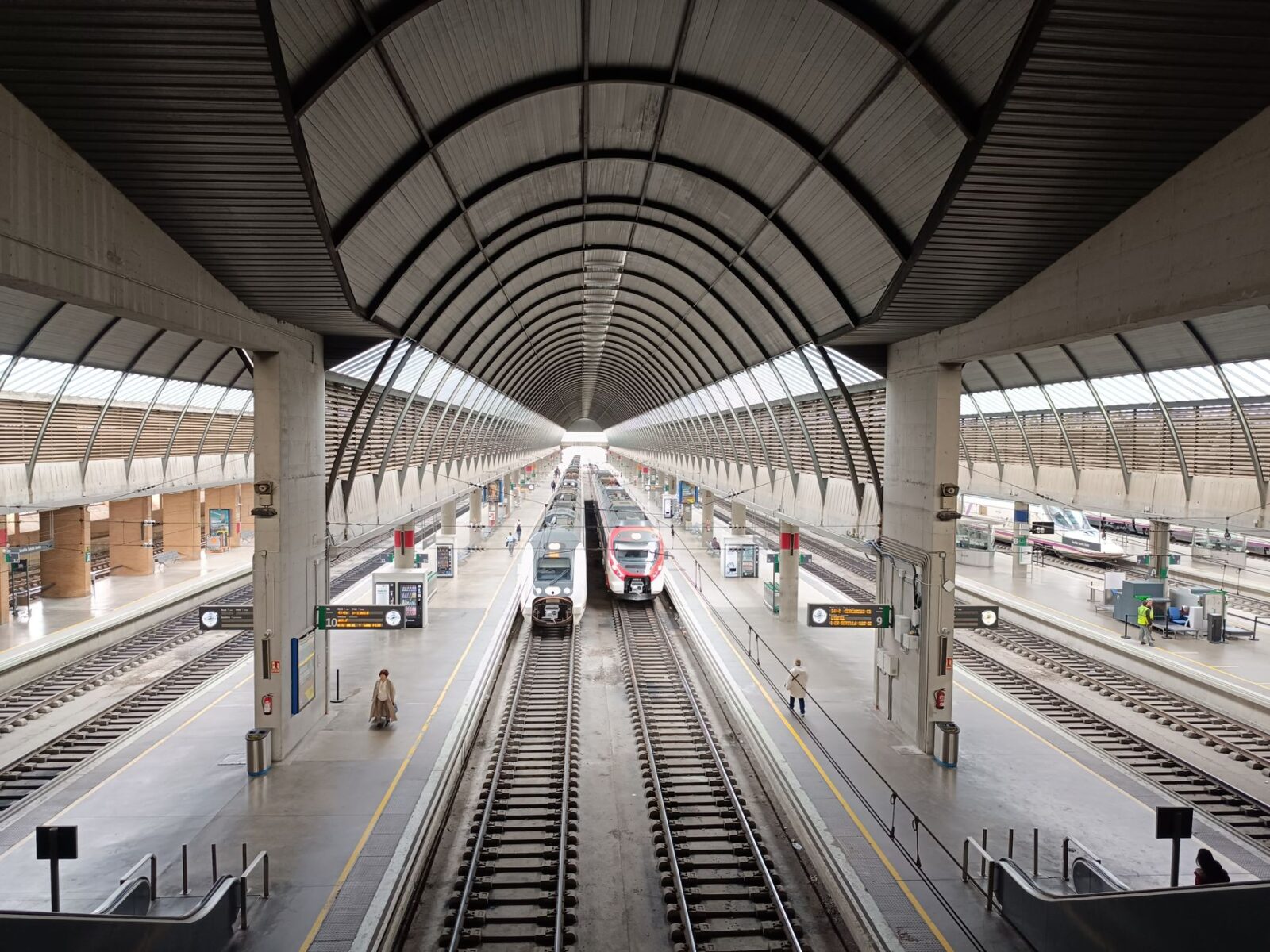
A New Era of Rail Travel in the UAE
For many years, the only practical way to move between Dubai and Abu Dhabi was by car, often spending one to two hours stuck in traffic on Sheikh Zayed Road. The daily commute became a routine ritual for residents, business travelers and tourists alike. On September 30, 2026, Etihad Rail opened its first passenger service linking the two emirates, offering a reliable alternative to the congested highway.
The launch was accompanied by a ceremony at Al Yalayis Station beside Jumeirah Golf Estates, where officials highlighted the milestone as a step toward a more integrated transport network. Early riders reported a sense of excitement as they stepped onto the spacious platforms and watched the sleek trains glide into the station. Social media buzzed with photos of the glass‑clad facility and comments about the smooth, quiet ride.
Beyond convenience, the new rail line supports the UAE’s broader vision of reducing reliance on private vehicles, cutting carbon emissions and enhancing connectivity between the country’s major economic hubs. It also lays the groundwork for future extensions that could eventually link all seven emirates in a unified passenger rail system.
From Announcement to Operation: The Rollout Timeline
Etihad Rail began as a freight‑focused operator, building a robust network to move goods across the country and beyond its borders. In June 2026, the operator launched its first passenger route, connecting Abu Dhabi to Fujairah and demonstrating the feasibility of high‑speed service in the region.
The September 2026 opening marked the second major phase of the passenger rollout, with the inauguration of Al Yalayis Station in Dubai and Al Dhaid Station in Sharjah. These additions expanded the network northward and created the first direct rail link between Dubai and Abu Dhabi.
According to the published expansion plan, ten passenger stations are slated to be operational by the end of March 2027. Future phases will include stops in Ras Al Khaimah, Umm Al Quwain and additional stops in Abu Dhabi, gradually increasing frequency and coverage while integrating with existing metro and bus services.
Al Yalayis Station: Design and Connectivity
The station’s most striking feature is its vast glass facade, which floods the concourse with natural light and gives travelers a sense of openness upon arrival. The architectural design emphasizes clean lines, high ceilings and intuitive wayfinding, making navigation straightforward even for first‑time visitors.
Transport connections are a key focus: a dedicated pedestrian bridge is under construction to link the station directly to the Dubai Metro’s Red Line, while a free shuttle bus currently runs between the metro interchange and the rail terminal. Passengers can also use their Nol card to purchase rail tickets and add a day pass for buses, trams and metro services through a simple QR‑code scan at the station.
Inside the terminal, travelers find spacious armchair seating that replaces the traditional hard benches found at many older stations. A dedicated lounge offers complimentary Arabic coffee and light snacks for Premium class passengers, while Standard class guests can visit a Starbucks outlet, Shot Neighbourhood Coffee, WHSmith and a vending machine selling affordable hot meals. Escalators, lifts and clearly marked stairs ensure easy access to both platforms for people with reduced mobility or heavy luggage.
Onboard Comfort: Standard versus Premium Class
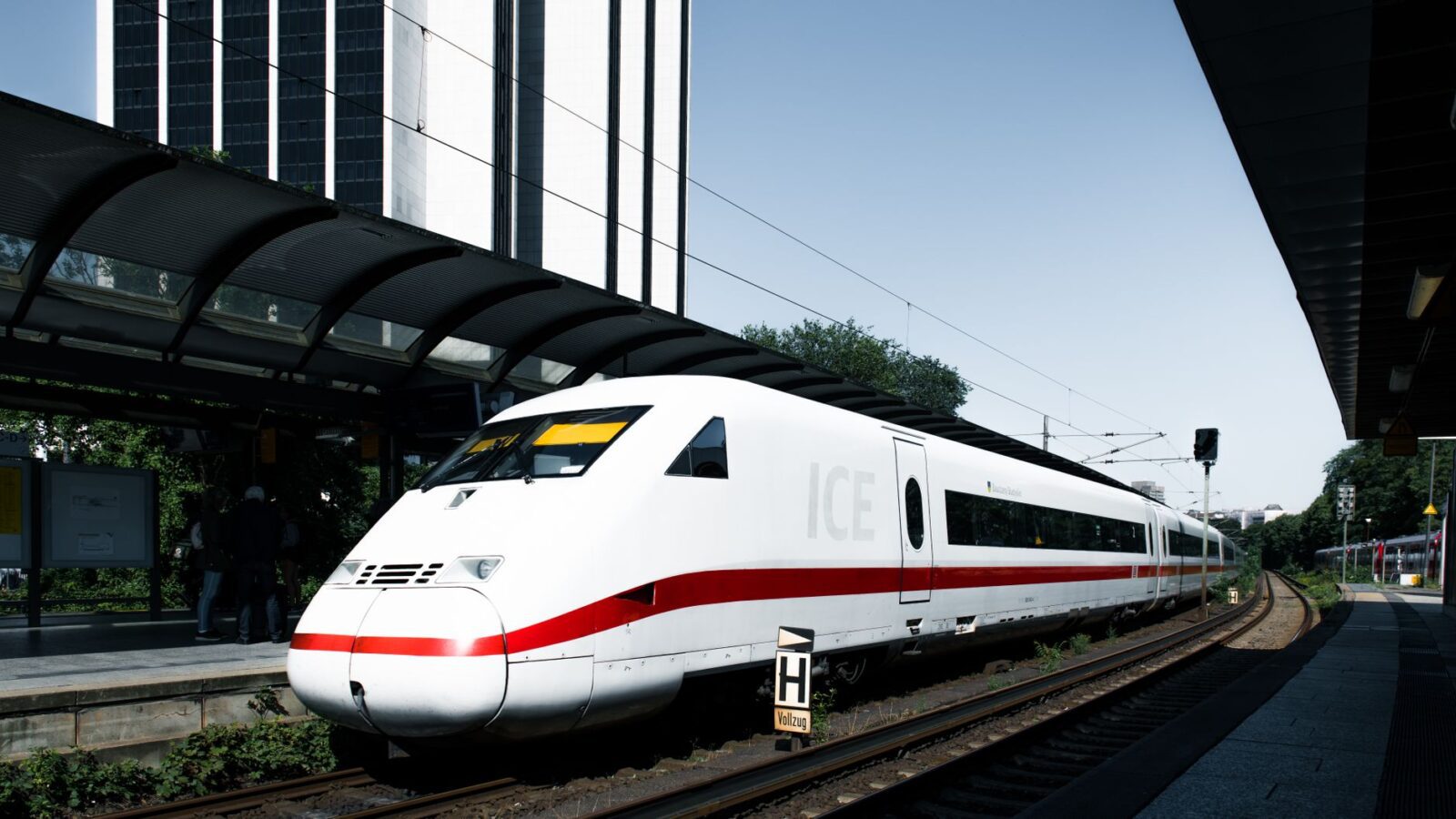
Etihad Rail’s trains operate at a steady 200 kilometers per hour, allowing the journey between Dubai and Abu Dhabi to be completed in roughly fifty minutes under normal conditions. The ride is noted for its low vibration and minimal noise, creating a calm environment suitable for work or relaxation.
Standard class provides comfortable reclining seats with ample legroom, individual reading lights and adjustable headrests. Passengers can purchase beverages and snacks from the onboard Starbucks café, Shot Neighbourhood Coffee kiosk or the WHSmith newsstand, while a vending machine offers hot meals such as sandwiches and soups at budget‑friendly prices.
Premium class travelers enjoy access to a quiet lounge before boarding, where they are served complimentary Arabic coffee, dates and pastries. Once onboard, they sit in wider seats with extra legroom, receive priority boarding and benefit from a dedicated attendant service. Both classes feature large windows that showcase the evolving desert landscape and the urban skyline as the train approaches Abu Dhabi.
Ticketing, Fares and Integrated Travel
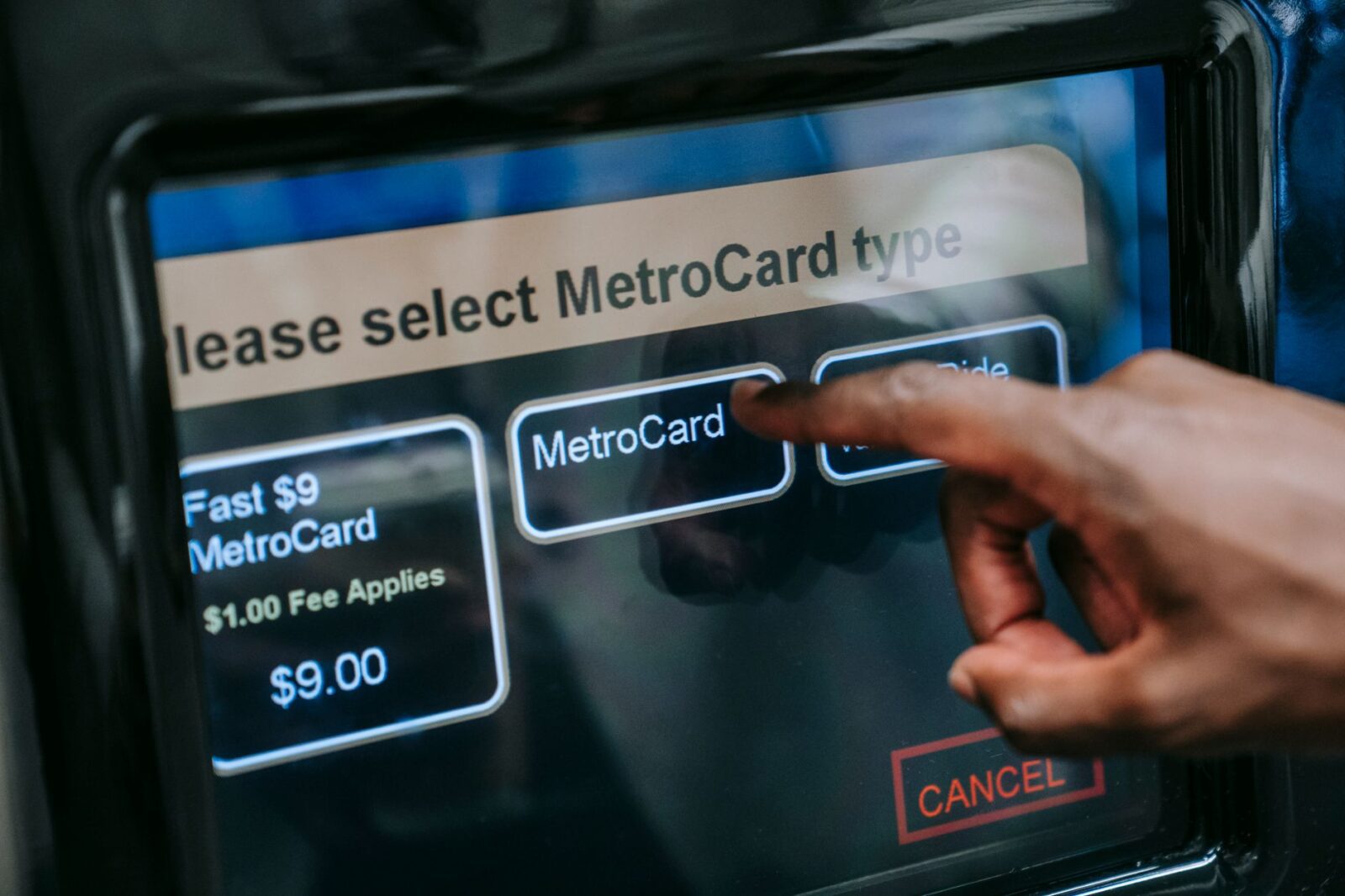
Tickets can be bought at the station using intuitive touchscreen kiosks, through the official Etihad Rail mobile app or via the online portal. The purchasing process guides riders through class selection, payment and ticket issuance in a matter of minutes.
The fare structure distinguishes between Standard and Premium classes. Standard tickets start at approximately AED 25 (about USD 6.80) for a one‑way trip, while Premium tickets begin at around AED 50 (about USD 13.60). Discounts are available for students, seniors and frequent travelers who register for the Etihad Rail loyalty program.
To encourage multimodal journeys, the rail ticket can be combined with a Nol day pass that grants unlimited rides on Dubai’s metro, bus and tram networks. This integration simplifies transfers, reduces the need for separate tickets and aims to shift more travelers away from private cars toward public transport options.
What This Means for Travelers: Time, Cost and Sustainability
Compared to driving, which can take anywhere from sixty to one hundred and twenty minutes during peak periods, the train offers a predictable travel time of under an hour, helping commuters plan their schedules with confidence. The reliability of the service reduces the uncertainty associated with traffic jams, accidents or roadworks.
From a cost perspective, a typical car trip incurs expenses for fuel, Salik tolls and parking fees that can easily exceed the price of a rail ticket, especially when parking in central Abu Dhabi or Dubai is factored in. By choosing the train, regular commuters may save hundreds of dirhams each month while avoiding the stress of navigating congested highways.
Environmental benefits are also significant. Shifting passengers from cars to rail lowers carbon dioxide emissions along the busy corridor, contributes to better air quality and aligns with the UAE’s Net Zero 2050 strategy. Early ridership figures indicate strong interest from tourists heading to attractions such as the Sheikh Zayed Grand Mosque and Louvre Abu Dhabi, who now enjoy a seamless, eco‑friendly way to move between the cities.
Practical Tips for First-Time Riders
To reach Al Yalayis Station, take the Dubai Metro to the nearest interchange on the Red Line and follow the clearly marked signs for the free shuttle bus that runs between the metro station and the rail terminal. The shuttle operates every ten minutes during peak hours and every fifteen minutes off‑peak.
Allow at least fifteen minutes to pass through ticket validation and security screening, especially during the morning rush between seven and nine am. Luggage racks are available onboard, but travelers are advised to keep bags lightweight and within the size limits to facilitate easy storage and retrieval.
For the best views, choose a seat on the right‑hand side when traveling northbound toward Abu Dhabi, where the desert scenery unfolds early in the journey. The train offers complimentary Wi‑Fi and power outlets at each seat, allowing passengers to stay connected, work or stream entertainment throughout the ride.
FAQ: Your Questions About the Dubai–Abu Dhabi Rail Service
How long does the journey actually take?
The scheduled travel time between Al Yalayis Station in Dubai and the Abu Dhabi terminal is approximately fifty minutes. Actual duration may vary by a few minutes depending on the number of stops, operational conditions and weather, but the service consistently remains under one hour.
Can I use my Nol card for the train?
Yes. The Nol card system is fully integrated with Etihad Rail, allowing passengers to purchase rail tickets, add a day pass for metro, bus and tram services, and check their balance all through the same card or the official Nol app. This seamless integration simplifies multimodal travel across Dubai.
Are there food options onboard?
Standard class passengers have access to a Starbucks café, Shot Neighbourhood Coffee kiosk, WHSmith newsstand and a vending machine offering hot meals such as sandwiches, soups and snacks. Premium class travelers receive complimentary Arabic coffee, dates and pastries in a dedicated lounge before boarding and enjoy a selection of refreshments throughout the journey.
Is luggage allowed on the train?
Passengers may bring personal luggage that fits within the overhead racks or the designated storage areas at the ends of each car. There is no additional fee for standard‑sized bags, but oversized items such as large sports equipment or bulky suitcases may need to be checked separately or transported via alternative means.
Stay informed with the latest travel news, visa updates, and destination guides. Follow HimalayanCrest.com for weekly travel intelligence delivered by our editorial team.