

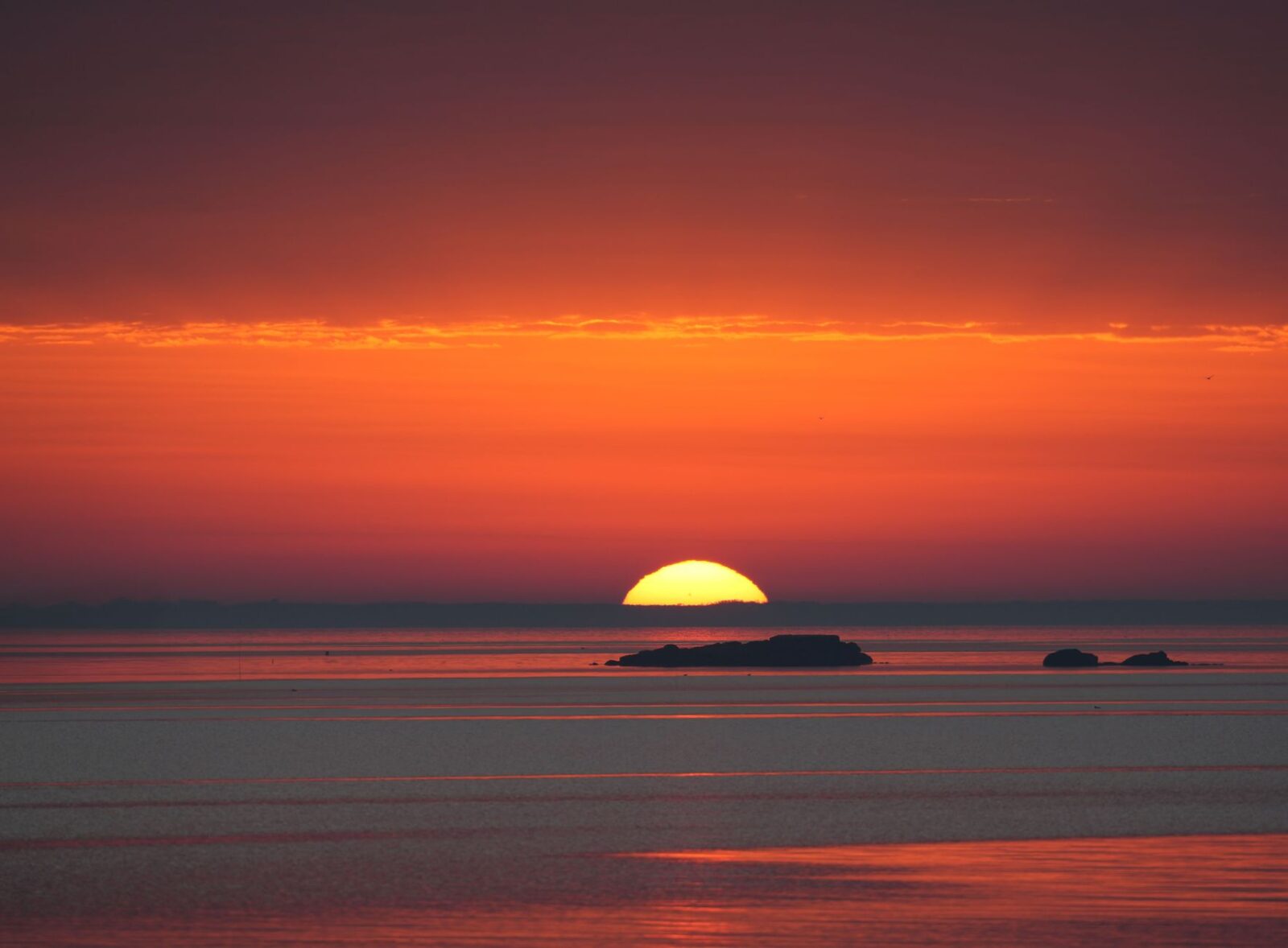
Tuvalu’s Tiny Land Could Vanish Before Your Kids Graduate
Tuvalu sits just two meters above sea level on average, making it one of the lowest nations on Earth. With a population of roughly eleven thousand people spread across nine coral atolls, the country relies heavily on rainwater harvesting and thin freshwater lenses that sit beneath the islands. Scientists have measured sea‑level rise around Tuvalu at about three point two millimeters per year, a rate that could submerge much of the land by mid‑century if trends continue.
The islands gained independence from the United Kingdom in 1978 and have since cultivated a vibrant culture centered on fishing, handicrafts, and communal gatherings known as falekaupule. Rising saltwater intrusion already contaminates groundwater, forcing some communities to import drinking water and threatening the survival of staple crops like taro and coconut. Traditional knowledge about reading ocean currents and weather patterns is being tested as storms become more intense and less predictable.
For travelers, Tuvalu offers pristine lagoons, world‑class snorkeling among untouched coral reefs, and a chance to witness a way of life that may soon change dramatically. Visitors are encouraged to stay in locally run guesthouses, participate in community‑led conservation projects, and offset their carbon footprint when flying to the remote Funafuti International Airport. Supporting Tuvalu’s adaptation efforts—such as rainwater harvesting upgrades and coastal planting—can help preserve the islands for future generations.
Kiribati’s Atolls May Become Uninhabitable Before 2050
The Republic of Kiribati spans thirty‑three atolls scattered across three and a half million square kilometers of ocean, yet its highest point rises only a few meters above the sea. With an average elevation of less than two meters, the nation faces an existential threat as ocean waters creep inland, eroding shorelines and salinizing freshwater reserves. Recent satellite data show sea levels rising around Kiribati at roughly three point four millimeters annually, slightly above the global average.
Kiribati’s history is woven from Micronesian voyaging traditions, and its people have long relied on the ocean for sustenance, navigation, and cultural identity. The capital, South Tarawa, is already experiencing frequent flooding during high tides, prompting the government to explore land‑purchase options abroad as a potential relocation strategy. In 2014, Kiribati bought a parcel of land in Fiji’s Vanua Levu as a possible future home for its citizens, a move that underscores the seriousness of the situation.
Visitors to Kiribati can explore vibrant marine ecosystems, swim with manta rays in the lagoons of Kiritimati (Christmas Island), and experience traditional dance performances known as te mwaie. Responsible tourism here means choosing eco‑friendly lodgings, respecting local customs around sacred sites, and contributing to community‑based adaptation programs such as mangrove restoration. By traveling mindfully, tourists can help raise awareness and provide economic support that strengthens local resilience.
The Maldives’ Picture‑Perfect Beaches Are Fighting a Losing Battle
The Maldives archipelago consists of nearly twelve hundred coral islands, with an average ground level of just one point five meters above sea level. Tourism drives the economy, contributing over twenty‑five percent of GDP, yet the very beaches that attract visitors are among the first to feel the impact of rising oceans. Studies indicate that without significant global emission reductions, up to eighty percent of the Maldives could be submerged by the end of the century.
Historically, Maldivian settlers navigated the Indian Ocean using star‑based techniques and built homes from coral stone and palm thatch, adapting to the islands’ limited freshwater lenses. Today, the capital Malé is protected by a three‑meter‑high seawall, but many outer islands lack such defenses and rely on natural barriers like coral reefs that are themselves suffering from bleaching events. Saltwater intrusion threatens groundwater supplies, making rainwater harvesting increasingly essential for daily life.
Travelers can still enjoy world‑class diving, overwater bungalows, and bioluminescent beaches, but they are urged to choose resorts with strong sustainability credentials, participate in reef‑conservation dives, and support local initiatives that promote renewable energy and waste reduction. Visiting during the off‑peak season helps spread tourist impact more evenly across the year, reducing pressure on fragile ecosystems while still offering unforgettable experiences.
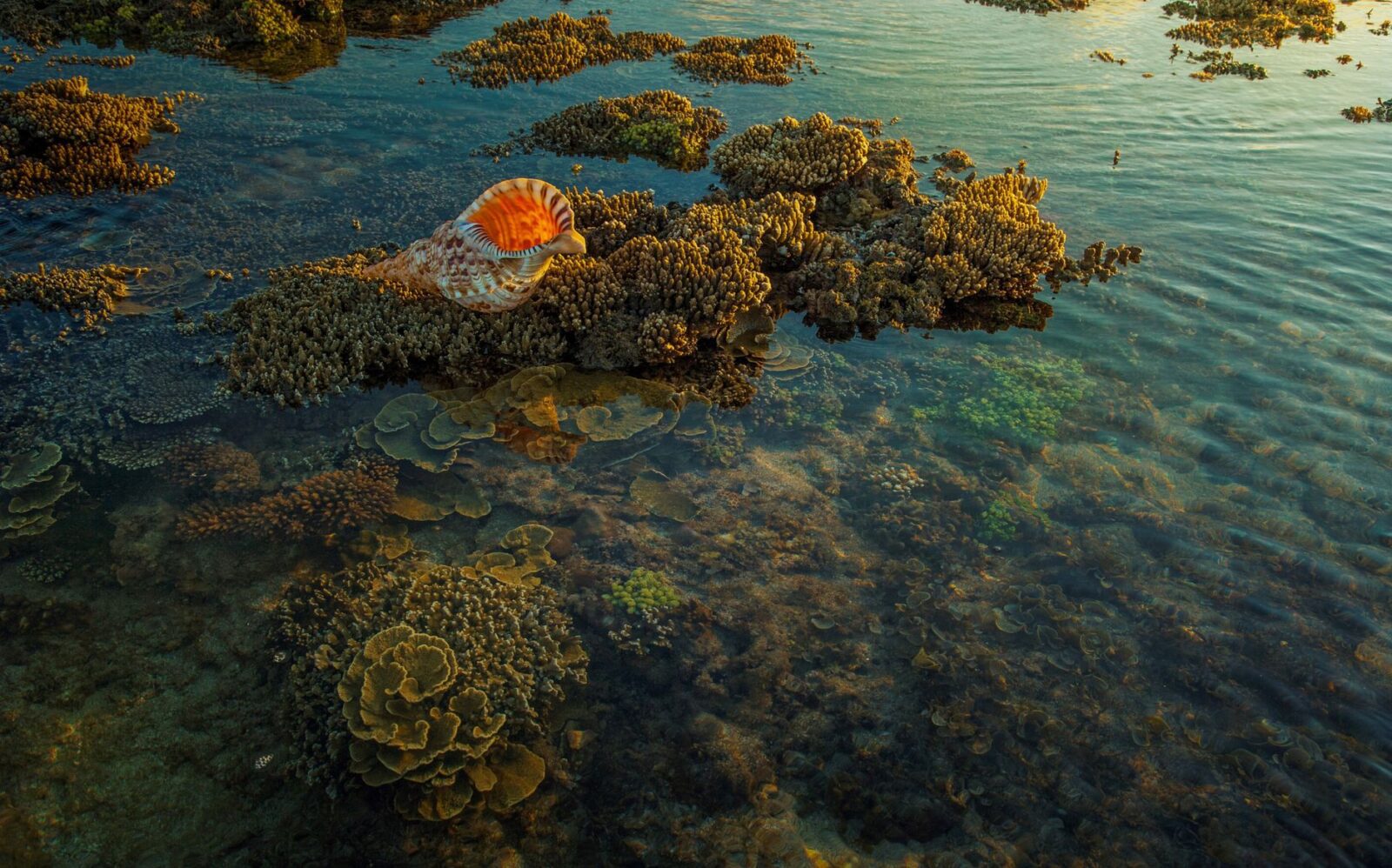
Marshall Islands’ Nuclear Legacy Meets a Rising Tide
The Marshall Islands, a nation of twenty‑nine atolls and five isolated islands in the Pacific, sit on average just two meters above sea level. Beyond climate threats, the islands bear the scars of mid‑twentieth‑century nuclear testing, which contaminated soil and water in several atolls. Sea‑level rise here is measured at about three point three millimeters per year, compounding the challenges faced by communities already dealing with legacy pollution.
Culturally, the Marshallese are renowned for their intricate stick charts used to navigate ocean swells, a tradition that reflects deep knowledge of wind, waves, and island locations. Rising seas have already forced the abandonment of some settlements on islands like Kwajalein’s neighboring islets, where saltwater has rendered agricultural plots unusable. The government has pursued legal avenues for compensation related to nuclear testing while simultaneously advocating for global climate action.
Adventure seekers can dive among historic shipwrecks from World War II, swim with sharks in pristine lagoons, and attend the annual Lutok Kobban Alele festival celebrating Marshallese music and dance. Travelers are advised to support locally owned operators, contribute to community water‑purification projects, and respect any access restrictions tied to ongoing environmental remediation efforts. By doing so, visitors help sustain both cultural heritage and environmental recovery.
Five Solomon Islands Reef Islands Have Already Vanished
In the western Pacific, the Solomon Islands chain includes over nine hundred islands, many of them low‑lying coral cays. A 2016 study published in Environmental Research Letters documented that five uninhabited reef islands—Kale, Rapita, Rehana, Zollies, and Isaiah—have completely disappeared due to sea‑level rise and erosion between 1947 and 2014. The loss amounted to roughly six point two percent of the total reef‑island area in the region.
These vanished islands were once covered in vegetation and served as nesting grounds for seabirds and sea turtles. Their disappearance illustrates how quickly even small landforms can be erased when ocean levels rise faster than natural sediment accumulation can compensate. The Solomon Islands’ government has responded by relocating several coastal villages to higher ground and investing in mangrove buffers to protect remaining shorelines.
For travelers, the Solomon Islands offer world‑class wreck diving, vibrant coral gardens, and the chance to witness traditional panpipe music known as bambu. Visitors can support conservation by choosing eco‑lodges that fund reef‑monitoring programs, participating in beach clean‑ups, and respecting any temporary closures imposed to allow ecosystems to recover. Experiencing the islands now provides a window into a rapidly changing seascape that future generations may only know through stories and photographs.
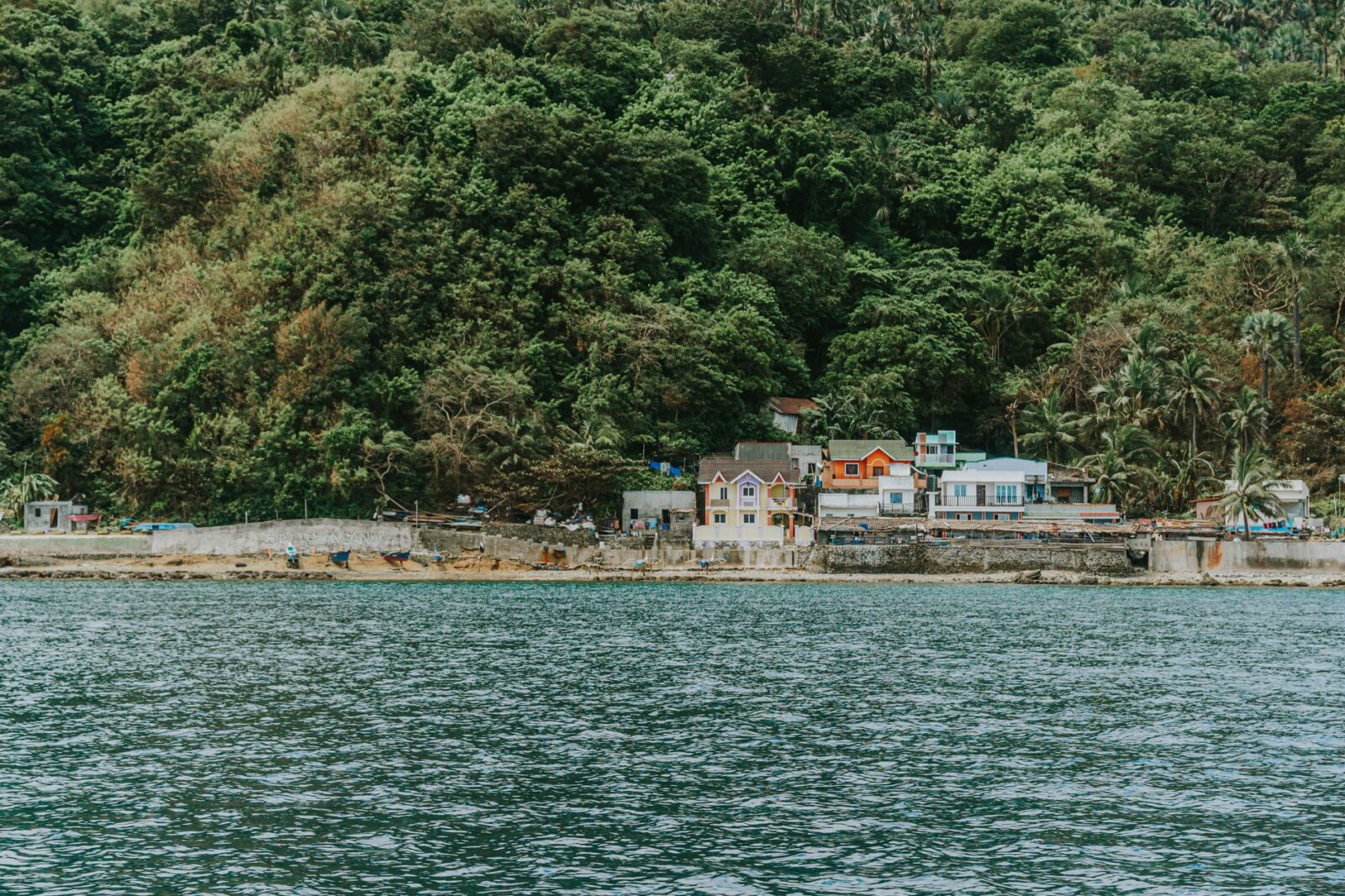
Carteret Islanders of Papua New Guinea Were Among the First Climate Refugees
The Carteret Islands, a group of six tiny atolls belonging to Papua New Guinea, sit just one point two meters above sea level on average. Beginning in the early 2000s, residents noticed increasing saltwater intrusion that killed taro gardens and contaminated freshwater wells. By 2005, the Papua New Guinea government approved a relocation plan, making the Carteret community one of the world’s first recognized groups of climate‑change‑induced migrants.
Traditional life on the Carterets revolved around fishing, weaving, and oral storytelling passed down through generations. As the islands shrank, families began moving to the larger Bougainville Island, where they were allocated land for housing and agriculture. The transition has been challenging, with newcomers navigating unfamiliar social dynamics while striving to preserve Carteret customs such as the unique dialect and ceremonial dances.
Visitors to Papua New Guinea can explore the rugged mainland’s cultural festivals, trek through rainforests teeming with birds of paradise, and, if permitted, arrange respectful visits to resettlement areas to learn about adaptation strategies firsthand. Ethical tourism here means engaging with local guides, contributing to community‑led education initiatives, and avoiding any actions that could be seen as exploitative of displaced populations. Supporting relocation efforts helps ensure that displaced communities retain dignity and cultural continuity.
Vanuatu’s Tegua Island Shows How Relocation Can Save a Culture
Tegua Island, part of the Torres Group in Vanuatu’s northern archipelago, rises only about one meter above sea level at its highest point. Repeated flooding and saltwater damage prompted the island’s approximately one hundred residents to vote in 2005 to relocate to higher ground on the nearby island of Efate. The move was facilitated by the Vanuatu government and several non‑governmental organizations, marking one of the earliest documented cases of a whole community moving due to climate pressures.
Before relocation, Tegua’s inhabitants relied on subsistence farming, fishing, and the production of woven mats from pandanus leaves—a craft that remains an important cultural identifier. After moving, the community worked to rebuild homes, reestablish gardens, and continue traditional practices such as the nakamal (men’s meeting house) ceremonies. The experience has become a case study in how planned relocation, when done with community consent, can preserve both lives and heritage.
Travelers to Vanuatu can swim in the famous Champagne Beach, dive the SS President Coolidge wreck, and experience the vibrant land diving ritual on Pentecost Island. When visiting, tourists are encouraged to stay in locally owned accommodations, purchase handicrafts directly from artisans, and support reforestation projects that help protect coastal areas from erosion. By contributing to sustainable development, visitors aid Vanuatu’s broader goal of building resilience across its many islands.
Isle de Jean Charles, Louisiana: A Sinking Island in the United States
Isle de Jean Charles lies off the coast of Louisiana in the United States and has lost over ninety‑eight percent of its land area since the 1950s due to a combination of sea‑level rise, subsidence, and erosion from oil and gas canals. Once home to a thriving Biloxi‑Chitimacha‑Choctaw community, the island now hosts only a handful of residents, with the state launching a resettlement program to move families to safer inland locations.
The island’s cultural heritage includes unique French‑Creole traditions, gumbo recipes flavored with locally caught fish, and a deep connection to the wetlands that once provided abundant shrimp, crabs, and waterfowl. As the land disappears, efforts are underway to document oral histories, preserve traditional crafts, and ensure that relocated families can maintain access to cultural sites and sacred spaces. The resettlement initiative is one of the first federally funded climate‑migration projects in the U.S.
Visitors to the region can explore the vibrant city of New Orleans, take guided bayou tours to see alligators and herons, and learn about coastal restoration projects aimed at rebuilding wetlands. Responsible tourism here means choosing operators that contribute a portion of their fees to wetland rehabilitation, respecting private property of remaining residents, and supporting local seafood markets that source from sustainable fisheries. By engaging thoughtfully, travelers help highlight the human side of climate impacts even in wealthy nations.
Malé’s Seawall Shows How Engineering Can Buy Time—But Not Forever
The Maldives capital, Malé, occupies just two square kilometers yet houses over a third of the nation’s population. To protect this dense urban core from ocean inundation, the government constructed a seawall that stands three meters high and encircles the entire island. Completed in the early 1990s at a cost of approximately seventy‑five million USD, the wall has successfully prevented flooding during numerous storm surges and high‑tide events.
While the seawall has bought Malé valuable time, experts warn that it is a temporary fix. The structure does not address the underlying problem of rising groundwater salinity, nor does it protect the many outer islands that lack similar defenses. Maintenance costs are significant, and the wall’s effectiveness could diminish if sea levels accelerate beyond current projections. Additionally, the seawall alters natural sediment flow, potentially affecting nearby coral reefs and beaches.
For travelers, seeing the seawall offers a tangible illustration of how adaptation measures can protect lives and livelihoods in the short term. Visitors are encouraged to learn about the wall’s history at the Malé Museum, support local businesses that advocate for greener infrastructure such as floating solar panels, and participate in beach clean‑ups that help preserve the limited shoreline that remains. Understanding both the strengths and limits of engineering solutions fosters a more informed perspective on global climate challenges.
Lohachara Island, India: The First Inhabited Island Lost to Rising Seas
Lohachara Island once lay in the Hooghly River delta of West Bengal, India, forming part of the Sundarbans mangrove forest. Surveys conducted in the early 2000s confirmed that the island had been completely submerged, making it the first recorded inhabited island to disappear due to sea‑level rise and coastal erosion. The loss displaced approximately ten thousand residents, who were relocated to neighboring inland areas.
The Sundarbans region is world‑renowned for its Bengal tiger population and intricate network of tidal waterways. Lohachara’s disappearance highlighted how climate change threatens not only human communities but also critical biodiversity hotspots that rely on the delicate balance between salt and fresh water. In response, Indian authorities have intensified efforts to reinforce embankments, restore mangrove buffers, and develop early‑warning systems for flood events.
Travelers to the Sundarbans can take guided boat safaris to spot tigers, crocodiles, and rare bird species, and visit nearby villages that showcase traditional honey‑collecting and fishing practices. Ethical tourism here means choosing operators that contribute a portion of their fees to conservation projects, respecting any restricted zones designed to protect wildlife, and supporting local livelihoods through the purchase of sustainably harvested goods. Visiting provides a powerful reminder that climate impacts are already reshaping landscapes across the globe.
Stay informed with the latest travel news, visa updates, and destination guides. Follow HimalayanCrest.com for weekly travel intelligence delivered by our editorial team.