

Yellow Fever Outbreak Confirmed in Ghana’s Upper West Region
In early October 2026, Ghana’s Ministry of Health announced a yellow fever outbreak after laboratory testing confirmed three cases, all of which were fatal. The infections were detected in the Sissala West and Wa West districts of the Upper West Region, a rural area bordering Burkina Faso and Côte d’Ivoire. Health officials said the outbreak was identified through routine surveillance and rapid response teams were deployed within 48 hours. This marks the first significant yellow fever activity in the region since 2019, prompting heightened vigilance among local clinics and international health agencies.
The Ministry of Health, working with the World Health Organisation, launched an immediate investigation to trace contacts and assess mosquito density. By October 12, authorities reported that vaccination teams had begun mobilising for a mass immunisation campaign targeting residents over nine months old. Travelers planning to visit the Upper West Region are now advised to treat the area as a active transmission zone and to take preventive measures before departure.
Understanding the CDC Level 2 Travel Notice
On October 18, 2026, the United States Centers for Disease Control and Prevention issued a Level 2 travel notice for Ghana’s Upper West Region, urging travelers to practice enhanced precautions. A Level 2 alert indicates that there is a recognized risk of infection but that travel is not prohibited; instead, the CDC recommends specific protective actions. The notice emphasizes that the yellow fever vaccine remains the most effective defense and must be administered at least ten days prior to arrival.
The CDC also highlights that the vaccine provides lifelong immunity for most recipients, although a booster may be considered for those who received their last dose more than ten years ago and who will be in a high‑risk setting. Travelers with certain medical conditions, such as thymus disorders or severe immunocompromise, should consult a physician because the vaccine is contraindicated for them. The notice further advises that anyone developing fever, chills, headache, backache or muscle aches during or after travel should seek medical care immediately and continue mosquito bite protection for five days after symptoms begin.
Who Needs to Act: Travelers, Expats, and Investors
The outbreak primarily affects anyone intending to enter the Upper West Region, regardless of nationality. This includes tourists visiting cultural sites, business professionals attending meetings in Wa or Tumu, expatriates residing in nearby districts, and long‑term stayers such as retirees or digital nomads who have chosen Ghana as a base. Citizenship‑by‑investment applicants who are processing residency permits through Ghana’s investment programs must also consider the health requirement, as many consulates request proof of yellow fever vaccination before issuing visas.
Travelers from countries that do not routinely vaccinate against yellow fever, such as the United Kingdom, Germany, Australia, and the United States, are particularly urged to obtain the shot because their routine immunization schedules do not include it. Conversely, residents of many African nations where yellow fever is endemic often already carry proof of vaccination on their International Certificate of Vaccination or Prophylaxis (ICVP). Nevertheless, even vaccinated individuals should verify that their certificate is still valid, especially if the dose was administered more than a decade ago.

Vaccination Requirements and Where to Get the Shot
The yellow fever vaccine is a single‑dose, live‑attenuated formulation that confers protection within ten days for most recipients. Travelers should schedule their vaccination at an authorized yellow fever vaccination centre, which can be found at major travel clinics, public health offices, or designated hospitals. In the United States, the CDC maintains a searchable list of clinics; in the United Kingdom, the National Health Service provides guidance through its travel health portal; in India, the Ministry of Health and Family Welfare authorises centres in major metros.
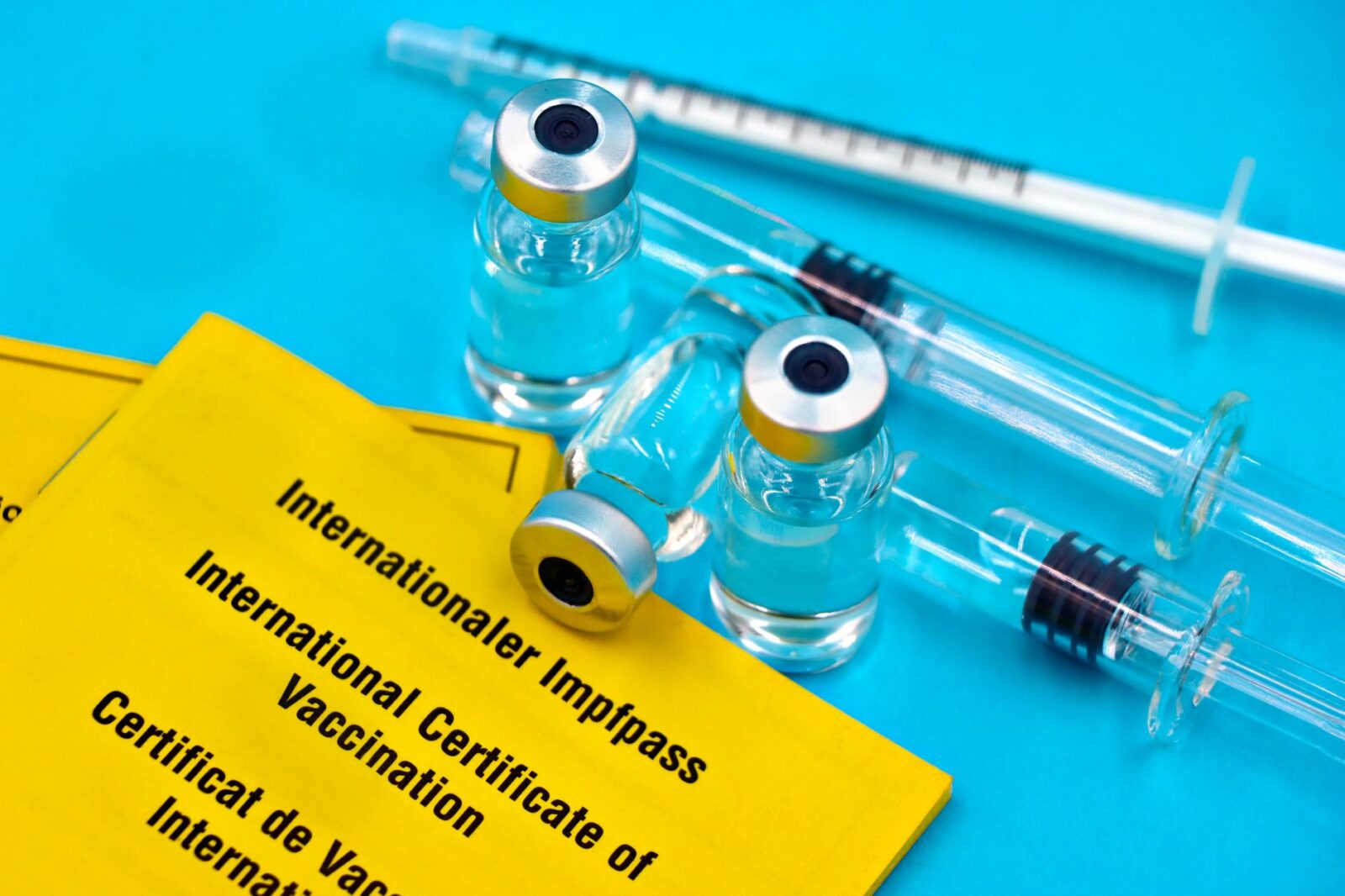
Costs vary by location. In the United States, the vaccine typically ranges from USD 150 to USD 200, inclusive of the administration fee and the official certificate. In Europe, prices are often between EUR 120 and EUR 180. In Ghana itself, the vaccine is offered free of charge to residents during outbreak response campaigns, but foreign visitors may need to pay a modest fee at private clinics, usually around USD 30 to USD 50. Travelers should obtain the International Certificate of Vaccination or Prophylaxis, which is valid for life according to WHO guidelines, although some countries may still request a booster after ten years.
It is advisable to carry the certificate in both digital and paper form, as immigration officers at Ghana’s airports and land crossings may ask to see it upon entry. Keeping a copy with your passport and storing a scanned version in a secure cloud service ensures you can produce it quickly if requested.
Mosquito Bite Prevention Strategies for Travelers
Vaccination alone does not eliminate risk; avoiding mosquito bites remains a critical layer of protection, especially during the first ten days after vaccination when immunity is still developing. Travelers should use insect repellent containing DEET, picaridin, or oil of lemon eucalyptus on exposed skin and reapply according to the product label. Wearing long‑sleeved shirts, long trousers, and socks reduces the skin area available for bites.
Staying in accommodations with screened windows, air conditioning, or bed nets significantly lowers exposure. If sleeping in areas without such protections, a permethrin‑treated bed net is recommended. Travelers should also avoid outdoor activities during peak mosquito biting times, which are typically from dusk to dawn. In the Upper West Region, where agricultural work and open‑air markets are common, planning indoor meetings or visits during midday can further reduce risk.
Additionally, eliminating standing water around lodgings—such as in flower pots, buckets, or discarded containers—helps curb local mosquito breeding. Simple actions like covering water storage tanks and clearing gutters can make a noticeable difference in reducing vector density near where you stay.

Official Resources and Verification Links
To verify the latest developments, travelers should consult the following authoritative sources:
- Ghana Ministry of Health – outbreak announcements and vaccination campaign details: https://www.moh.gov.gh
- Ghana Health Service – surveillance reports and contact numbers for regional offices: https://www.ghanahealthservice.org
- World Health Organisation – disease information and travel advice: https://www.who.int/health-topics/yellow-fever
- United States Centers for Disease Control and Prevention – Level 2 travel notice and vaccine provider search: https://wwwnc.cdc.gov/travel/destinations/traveler/none/ghana
- United Kingdom National Health Service – travel health guidance and vaccine locations: https://www.nhs.uk/conditions/travel-vaccination/
- Australian Government Department of Health – yellow fever fact sheet and clinic locator: https://www.health.gov.au/resources/publications/yellow-fever-vaccine
These sites are updated regularly and provide the most reliable information on entry requirements, vaccine availability, and public health measures.
How Ghana’s Response Compares to Other Yellow Fever Zones
Many countries experiencing yellow fever outbreaks adopt similar strategies, combining rapid vaccination drives with vector control and public awareness. For example, during a 2025 outbreak in Brazil’s Minas Gerais state, federal health authorities launched a nationwide campaign that delivered over 12 million doses within six months, while simultaneously distributing larvicide in urban centres. Kenya’s response to a 2024 outbreak in the western highlands included setting up mobile vaccination units at marketplaces and issuing travel advisories through its Ministry of Health.
Ghana’s current approach mirrors these practices: the Ministry of Health has announced a mass vaccination campaign targeting the Upper West Region, collaborated with the WHO for technical support, and used social media to spread prevention messages. What distinguishes Ghana’s situation is the relatively limited geographic scope—confined to two districts—allowing health teams to concentrate resources quickly. However, the cross‑border nature of the region means that coordination with Burkina Faso and Côte d’Ivoire is essential to prevent re‑importation of the virus.
From a traveler’s perspective, the entry requirements remain consistent with the International Health Regulations: a valid yellow fever vaccination certificate is mandatory for anyone arriving from a country with risk of transmission, and many airlines now check the certificate at check‑in. This uniformity helps travelers plan regardless of which African country they are visiting next.
Practical Advice for Long‑Term Stays and Citizenship Applicants
Expatriates, retirees, and digital nomads who intend to reside in Ghana for several months or years should view the yellow fever vaccine as part of their routine health preparation, much like hepatitis B or typhoid immunisations. Because the vaccine confers lifelong immunity for most people, a single dose administered now will cover future visits to any yellow fever‑endemic zone in Africa or South America. Nonetheless, keeping a record of the dose date is useful should any future employer or residency program request proof of recent vaccination.
For individuals pursuing Ghana’s residency‑by‑investment or citizenship‑by‑investment pathways, the vaccination certificate is often requested during the visa interview stage. Applicants should therefore schedule their shot well before submitting documentation to avoid delays. Some investment agents recommend pairing the vaccination appointment with a biometric enrolment visit at the Ghana Immigration Service, streamlining the process.
Finally, staying informed about local health alerts through the Ghana Health Service’s mobile app or subscribing to email bulletins from the Ministry of Health can help long‑term residents react swiftly if the situation evolves. Engaging with community health volunteers and participating in neighbourhood clean‑up drives also contributes to personal safety and demonstrates respect for host‑country public health efforts.
Stay informed with the latest travel news, visa updates, and destination guides. Follow HimalayanCrest.com for weekly travel intelligence delivered by our editorial team.