

The Ancient Rhythm of the Aït Atta Migration
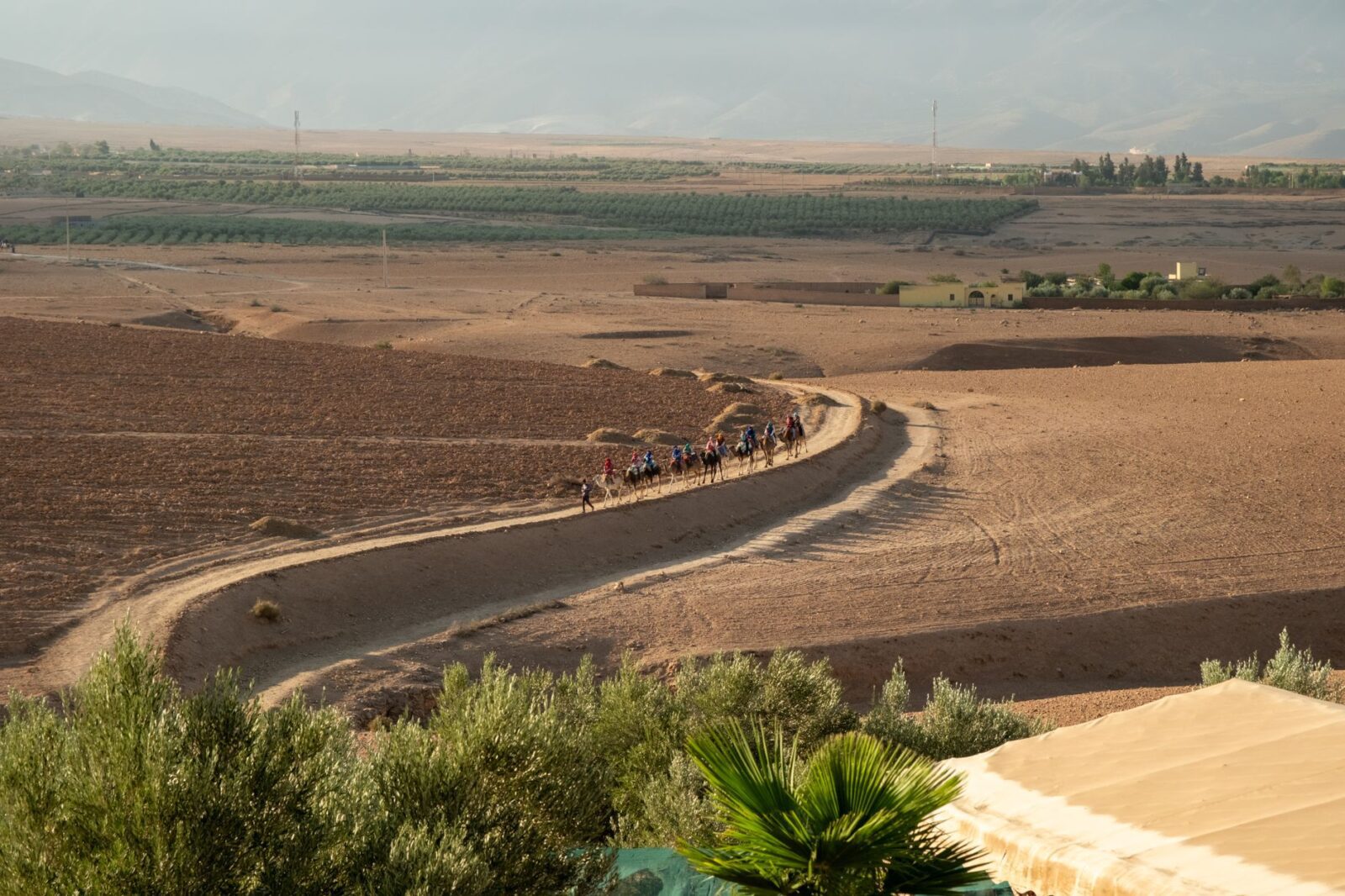
For thousands of years, the Aït Atta Berber families have guided their livestock across rugged Moroccan terrain in a cycle that mirrors the seasons themselves. Each spring, families leave the low‑lying winter pastures of Jebel Saghro and climb toward the lush summer meadows of the High Atlas, where grasses grow rich after the snowmelt. In autumn, the procession reverses, moving herds back down over 180 miles of stone and sand to escape the first frosts. This pendulum swing, known locally as transhumance, is one of the oldest continuous migrations on the African continent.
The practice is more than a livelihood; it is a cultural heartbeat that binds generations to the land. Elders recount stories of ancestors who crossed the same ridgelines, their knowledge passed orally through songs, proverbs, and hands‑on teaching. Today, the rhythm still dictates when children learn to tie a goat’s tether, when women weave wool from the season’s first shear, and when men repair stone corrals that have stood for centuries. The migration thus functions as a living archive of Amazigh identity.
Yet the rhythm is faltering. Climate shifts, expanding tourism, and the lure of urban jobs have begun to thin the ranks of those who undertake the full trek. Researchers note that only a fraction of Aït Atta households now complete the seasonal round each year, with many opting for shorter moves or settled farming. Understanding what drives this change helps travelers appreciate the fragility of the tradition they may witness.
Where the Journey Unfolds: Geography of Jebel Saghro and the High Atlas
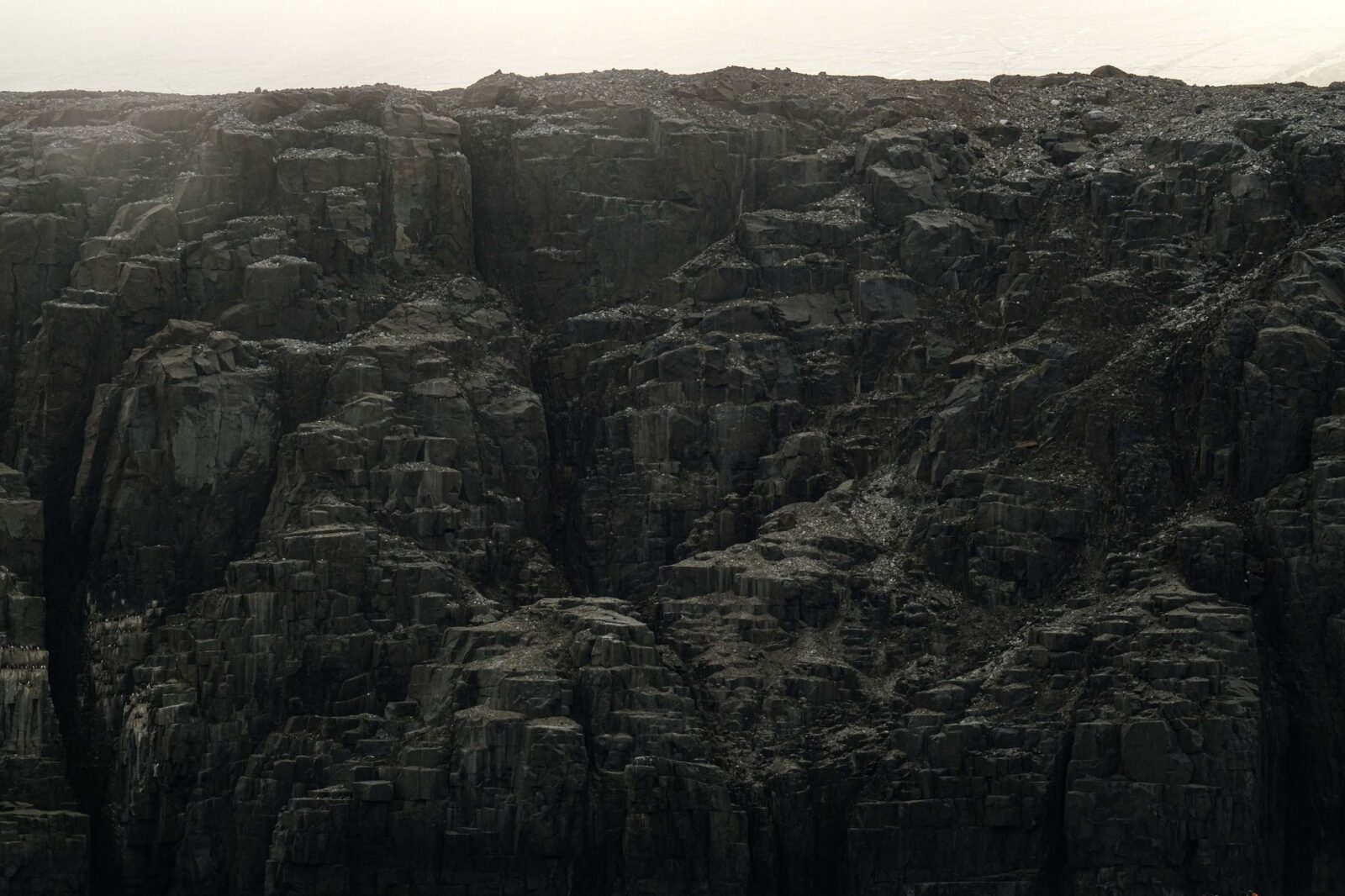
The stage for this migration stretches from the snow‑capped peaks of the High Atlas down to the arid foothills of Jebel Saghro, a volcanic massif that rises like a bastion on the edge of the Sahara. Jebel Saghro’s landscape is dominated by basalt towers, deep canyons, and wide‑open plateaus that catch the wind and scatter it across the horizon. Altitudes vary from roughly 1,500 meters in the winter grazing zones to over 3,500 meters in the High Atlas summer pastures.
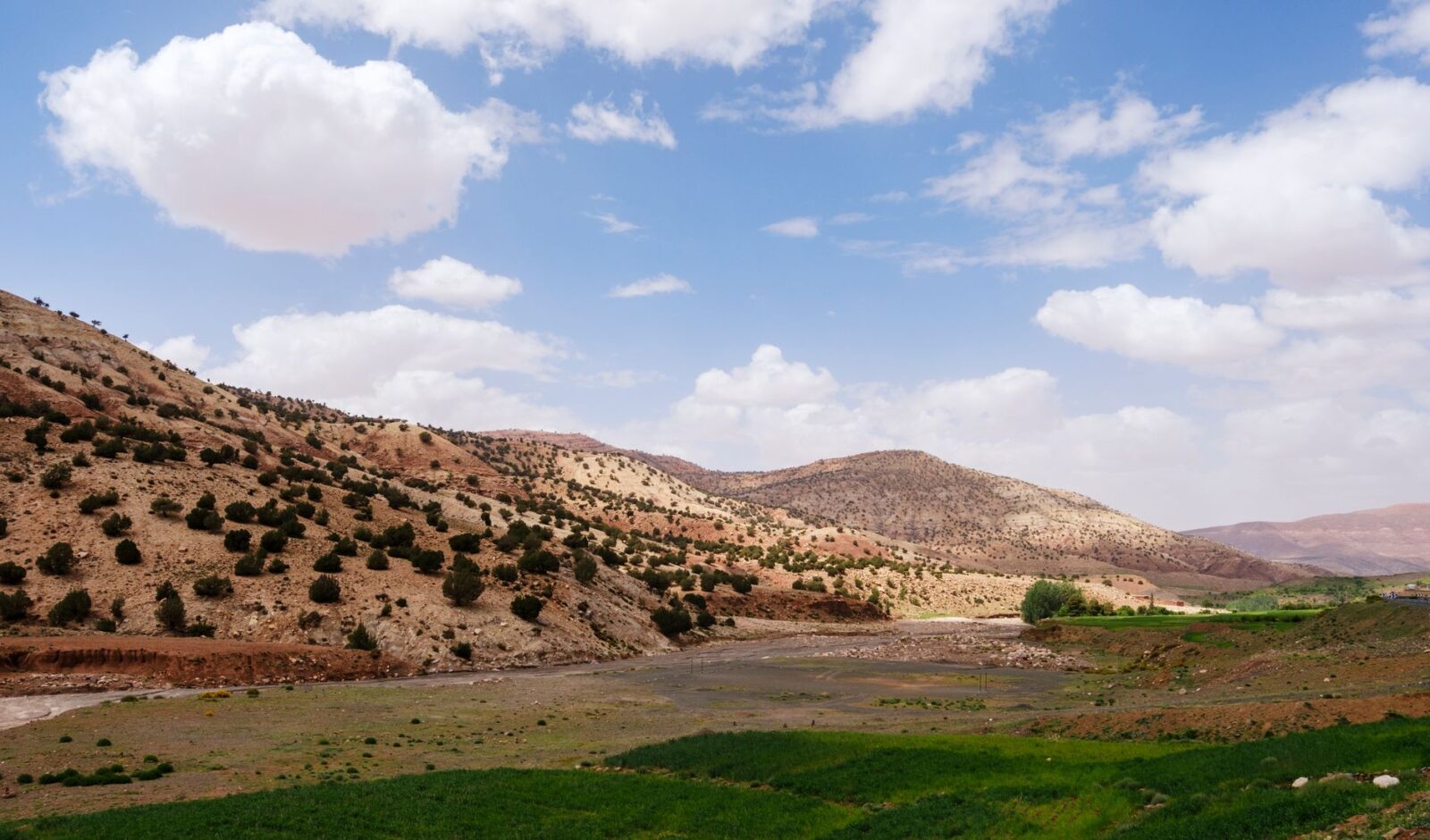
This altitude gradient creates distinct ecological zones. In the high summer meadows, alpine grasses and wildflowers provide rich forage for goats and sheep, while the lower winter ranges offer hardy scrub and acacia that can survive scarce rainfall. The migration timing aligns precisely with the phenology of these plants, ensuring animals receive optimal nutrition throughout the year. Satellite studies show that the green‑up window in the High Atlas now arrives up to ten days earlier than it did three decades ago, a shift that herders must adjust to.
Travelers who join the trek experience a dramatic change in scenery within a few hours. One moment they navigate narrow goat trails carved into volcanic rock; the next they cross open plains dotted with solitary acacia trees under a sky that shifts from deep blue to a hazy ochre as the sun descends. The contrast between the lush highlands and the stark desert fringe underscores why the route has remained vital for millennia.
Who Keeps the Tradition Alive Today
The family profiled in recent travel dispatches belongs to the Aït Atta tribe, specifically the Belâawane lineage that has resided in Jebel Saghro for generations. Telhou Belâawane, described as the matriarch, leads the seasonal move alongside her husband Hmad and daughter Saâdia. Their herd typically numbers between 150 and 200 goats, a size that balances mobility with sufficient milk, meat, and wool production for household needs.
Daily life on the move follows a predictable pattern. Before dawn, the family checks the animals’ health, milks the does, and prepares a simple bread made from barley flour. As the sun rises, the herd sets out, guided by the matriarch’s intimate knowledge of water sources, sheltering caves, and safe passages through rocky gullies. Midday brings a rest under the shade of a cliff, where tea is shared and stories are exchanged. Evening finds the group settling in a temporary corral built from loose stones, where the goats are counted and secured against nocturnal predators.
Beyond the immediate family, a wider network of relatives and neighbors often converges at key waypoints, exchanging news, trading goods, and reinforcing social bonds. These gatherings act as informal markets where handmade wool blankets, silver jewelry, and preserved meats change hands. The migration thus serves not only as an economic activity but also as a social calendar that sustains community cohesion across a vast territory.
How Modern Travelers Can Join the Move (Black Tomato’s Keepers)
Recognizing the growing desire among travelers for authentic, knowledge‑based experiences, the luxury adventure operator Black Tomato launched a collection called The Keepers. One of its five itineraries places small groups alongside a Berber family during their transhumance, providing logistical support while striving to keep the footprint light. Participants typically meet the family at a trailhead near the village of Boulmane Dades, where a briefing covers cultural etiquette, safety procedures, and the day’s objectives.
The trek itself lasts between eight and twelve days, depending on the exact route chosen and the pace of the herd. Travelers walk an average of ten to fourteen kilometers per day, carrying only a daypack with water, snacks, and personal gear. Porters supplied by the operator transport heavier items such as tents, cooking equipment, and spare clothing, allowing guests to focus on observation and interaction. Nights are spent in comfortable, low‑impact canvas camps set up at agreed‑upon grazing spots, with meals that blend Moroccan staples and ingredients sourced locally.
Costs for this immersive experience start at approximately USD 4,200 per person for a nine‑day journey, inclusive of guides, porterage, meals, permits, and a contribution directly to the host family. This price reflects the remote logistics, the need for specialized guides fluent in Tashelhit, and the limited availability of dates—only two windows per year align with the actual migration. Travelers should book at least six months ahead to secure a place, as groups are capped at six participants to minimize disturbance.
What This Means for Global Travel Trends: Experiential and Cultural Tourism
The rise of offerings like The Keepers mirrors a broader shift in the travel industry toward experiential and cultural immersion. Post‑pandemic surveys show that over 60 percent of international travelers now prioritize “learning something new” or “connecting with local communities” over traditional sightseeing. In Morocco, this trend has spurred growth in community‑based tourism initiatives, from cooperative guesthouses in the Atlas to culinary workshops led by women’s cooperatives in Marrakech.
Such experiences generate multiple benefits. They provide direct income to families who might otherwise abandon pastoralism, they foster cross‑cultural understanding, and they create incentives for the preservation of intangible heritage. However, experts caution that unchecked growth can strain fragile ecosystems and alter the very practices tourists seek to witness. Carrying capacity studies suggest that the Jebel Saghro corridor can sustain no more than twelve small groups per migration season without noticeable impact on vegetation or water points.
Responsible operators therefore implement strict guidelines: limiting group size, enforcing Leave No Trace principles, conducting pre‑trip cultural briefings, and sharing a portion of revenues with community development funds. Travelers who choose vetted programs contribute to a model where tourism supports, rather than supplants, the livelihoods of keeper communities.
Practical Tips: When to Go, What to Pack, and Cost Considerations
Timing is essential for anyone hoping to witness the transhumance in its full flow. The autumn descent typically begins in late September and runs through mid‑October, while the spring ascent unfolds from late April to early June. These windows shift slightly each year based on rainfall patterns and temperature anomalies, so prospective travelers should consult with their operator a few weeks before departure for the most current schedule.
Gear recommendations focus on layering and sun protection. A sturdy pair of broken‑in hiking boots, a wide‑brimmed hat, UV‑blocking sunglasses, and sunscreen SPF 50+ form the base. Daytime temperatures in the High Atlas can reach 25 °C (77 °F) in summer, yet nights often drop below freezing at altitude, necessitating a warm fleece or down jacket. A lightweight, waterproof shell is useful for sudden afternoon storms common in volcanic terrain. Travelers should also carry a reusable water bottle or hydration bladder, aiming for at least three liters per day, and a basic first‑aid kit that includes blister treatment.
Beyond the core trek price, budget for international flights to Marrakech (typically USD 650–950 from Europe or North America), a domestic transfer to the trailhead (around USD 80–120), and personal expenses such as souvenirs or optional side tours. Travel insurance that covers high‑altitude trekking and medical evacuation is strongly advised; policies start at roughly USD 120 for a two‑week trip. Keeping a buffer of USD 200–300 for unexpected costs ensures peace of mind.
The Future of Transhumance: Challenges and Conservation Efforts
Climate models predict that the Maghreb will experience rising temperatures and more erratic precipitation over the coming decades, which could compress the viable grazing window and push the migration routes farther south. Simultaneously, youth out‑migration to urban centers reduces the pool of knowledgeable herders capable of leading the trek. These pressures have prompted both governmental and nongovernmental actors to explore interventions.
One approach involves the formal recognition of transhumance routes as protected cultural landscapes, similar to UNESCO’s intangible heritage listings. Such designation could unlock funding for water point restoration, veterinary outreach, and mobile schooling for children who travel with the herd. Pilot projects in the southern Anti‑Atlas have shown that solar‑powered boreholes improve water reliability without altering the traditional movement patterns.
Another strategy centers on market diversification. Cooperatives that process and market Amazigh wool, leather, and dairy products are helping families earn income outside the pure livestock cycle, making the pastoral life more economically viable. Travelers who purchase directly from these cooperatives—whether a hand‑woven blanket or a jar of argan‑infused honey—contribute to this resilience. Supporting these value chains creates a feedback loop where cultural preservation and economic stability reinforce each other.
FAQ: Your Questions About Joining Morocco’s Oldest Migration
What is the best time of year to see the Berber migration?
The two main windows are late September to mid‑October for the autumn descent from the High Atlas to Jebel Saghro, and late April to early June for the spring ascent. Exact dates shift with weather, so confirm with your operator a few weeks out.
How physically demanding is the trek?
Participants walk an average of 10‑14 km per day on uneven, rocky terrain with altitude gains and losses of up to 800 m. A moderate fitness level, comfortable with sustained uphill walking, is recommended. Prior hiking experience at altitude is helpful but not mandatory.
What cultural etiquette should I observe?
Dress modestly—shoulders and knees covered—when visiting family camps. Ask before photographing people, and accept offers of tea or food as a sign of respect. Learning a few greetings in Tashelhit, such as ‘Salam alaikum’ (peace be upon you) and ‘Tanmirt’ (thank you), goes a long way.
How much does the experience cost?
The base price for a nine‑day Black Tomato Keepers itinerary starts at about USD 4,200 per person, covering guides, porters, meals, permits, and a contribution to the host family. Add international flights, transfers, insurance, and personal spending for a total budget of roughly USD 5,500–6,500.
Is the migration at risk of disappearing?
Yes. Climate change, economic pressures, and declining youth participation have reduced the number of families completing the full seasonal round. Responsible tourism that provides direct income and supports community projects can help sustain the practice, but long‑term preservation also depends on broader environmental and policy actions.
We hope this guide inspires you to consider a journey that connects you with one of Africa’s oldest living traditions. If you’ve taken part in a similar cultural trek or have questions about planning your own, share your thoughts in the comments below and spread the story to fellow travelers who value meaningful travel.
Stay informed with the latest travel news, visa updates, and destination guides. Follow HimalayanCrest.com for weekly travel intelligence delivered by our editorial team.