

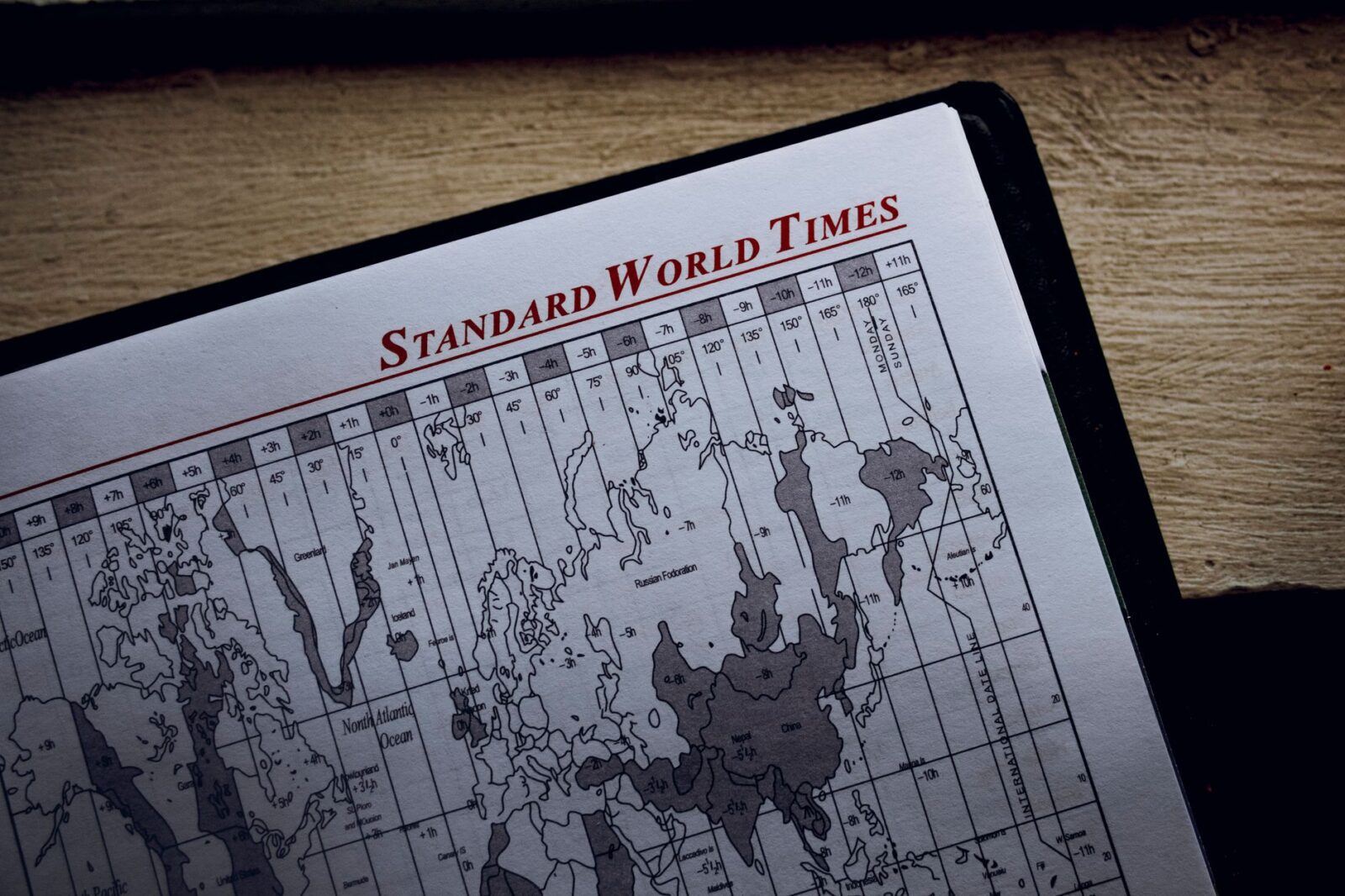
The Shifting Landscape of Global Travel Safety
Travel safety is no longer a static checklist; it shifts daily as conflicts flare, crime patterns evolve, and governments update advisories. Our research shows that platforms which recalculate risk scores every 24 hours give travelers the most current picture before they book a flight. This constant flux means that a destination deemed safe last month can quickly move into a higher‑risk bracket.
In 2026 the safest spots on the planet are microstates with tiny populations and strong governance: Liechtenstein, San Marino and Andorra consistently top the live rankings. Their low crime rates, effective emergency services and minimal exposure to armed conflict make them benchmarks for what a secure travel environment looks like.
Understanding why these shifts matter helps travelers protect more than just their itineraries; it influences insurance premiums, the likelihood of trip interruption and the overall peace of mind that turns a vacation into a restorative experience rather than a source of anxiety.
Where Danger Is Concentrated in 2026
The most perilous countries for tourists in 2026 overlap with active war zones: Sudan, Ukraine, Syria, Yemen and Myanmar are flagged as categorically dangerous for any visitor. Yemen holds the unfortunate position of being ranked last among all nations, reflecting a combination of famine, collapsing infrastructure and persistent aerial bombardment.
Beyond battlefields, several nations rank high due to crime and terrorism concerns. Egypt, despite its world‑famous antiquities, faces a heightened threat of kidnapping and extremist attacks in certain regions, prompting many governments to advise heightened vigilance even in resort areas. Similar advisories apply to parts of the Sahel, where banditry and jihadist activity intersect.
It is important to note that risk is rarely uniform across an entire country. Tourist enclaves such as Sharm el‑Sheikh or the Red Sea coast often benefit from extra security patrols, yet official warnings still urge travelers to maintain situational awareness and avoid unnecessary travel after dark.
The World’s Safest Havens for Travelers
Liechtenstein, San Marino and Andorra share common traits: tiny populations under 100 000, high GDP per capita, and police forces that report violent crime rates near zero. These factors translate into safety scores that frequently sit below 15 on the 0‑100 scale used by major risk indexes.
Other destinations that consistently appear in the top tier include Iceland, Switzerland, Singapore, Japan and New Zealand. Each combines low homicide rates, robust health infrastructure and minimal exposure to natural disasters such as earthquakes or hurricanes.
Choosing one of these havens not only reduces the likelihood of encountering danger but also provides reliable public transport, high‑quality medical care and responsive consular services, all of which contribute to a smoother, more enjoyable trip.
How the Travel Risk Index Scores Destinations
The Travel Risk Index evaluates every country across nine distinct categories, each scored from 0 to 100. These categories are crime, disease and health, government advisory, political and civil unrest, natural disaster and weather, transport, environmental quality, digital security and money safety. The individual scores are then weighted according to their impact on overall traveler safety.
A lower composite score indicates a safer environment, while a higher score signals greater risk. For example, Liechtenstein typically registers a composite score around 10, reflecting minimal threats across almost all categories, whereas Yemen’s score often exceeds 90, driven by catastrophic scores in political unrest, health and transport.
Understanding this methodology helps travelers see why two countries with similar crime stats can differ wildly in overall safety due to factors like health system capacity or digital fraud risk, allowing more nuanced decision‑making beyond a single headline number.
Practical Steps: Adjusting Your Itinerary for Safety
Before confirming any booking, consult the latest advisories from at least two official sources such as the UK Foreign Office, the Canadian government travel advice page or the U.S. State Department. These platforms update their ratings daily and often provide region‑specific guidance that national averages miss.
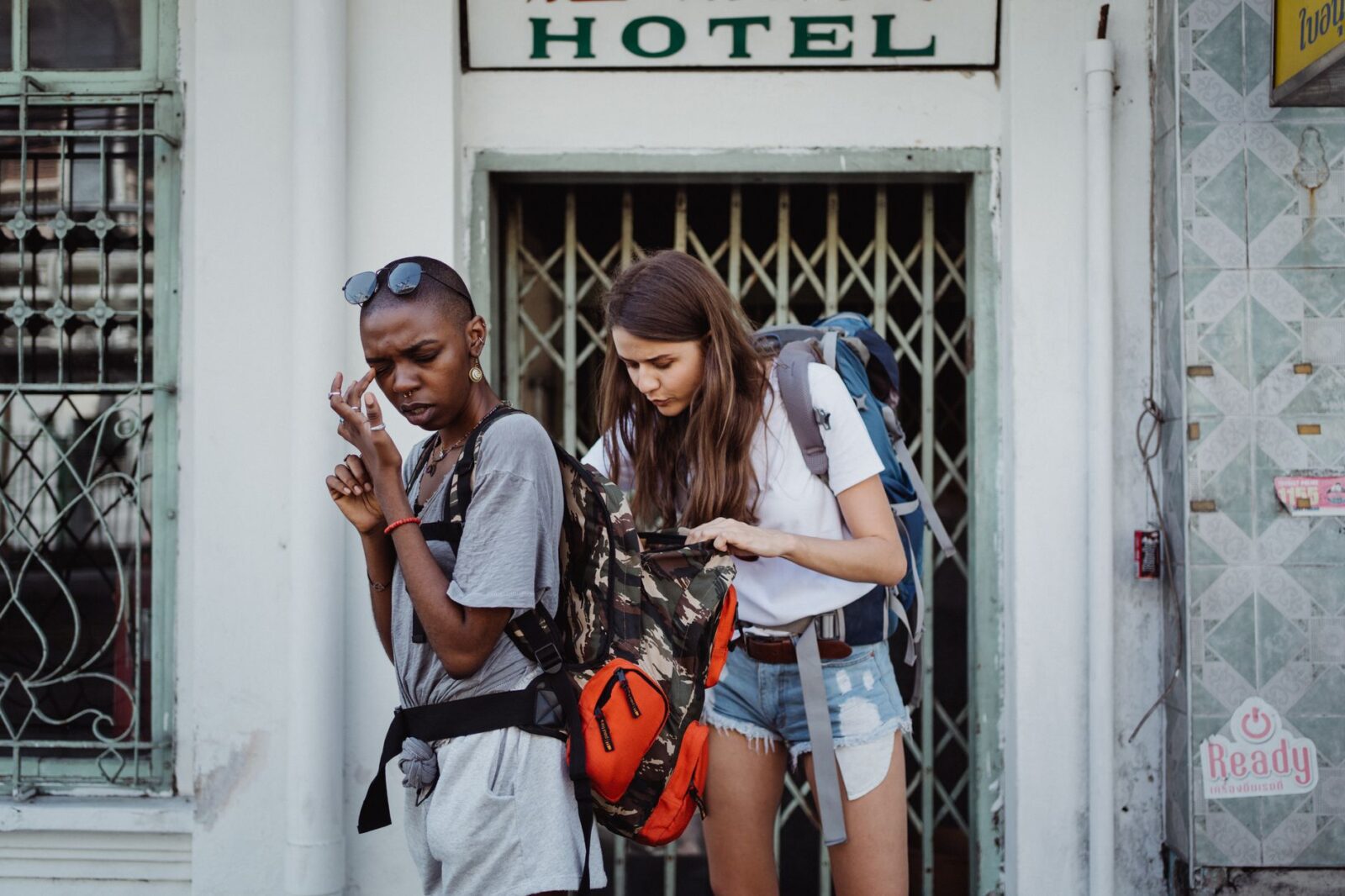
When on the ground, prioritize accommodations with 24‑hour front desk service, in‑room safes and verified guest reviews that mention security. Use reputable transport companies, avoid unlicensed taxis, and consider arranging airport transfers through your hotel rather than hailing a vehicle on the street.
Register your travel plans with your embassy or consulate, keep digital copies of passports and insurance policies in a secure cloud folder, and purchase a policy that includes coverage for medical evacuation, trip cancellation due to civil unrest and personal liability. These steps transform preparation from a vague intention into concrete action.
Budget Trade‑offs: When Safer Means Pricier
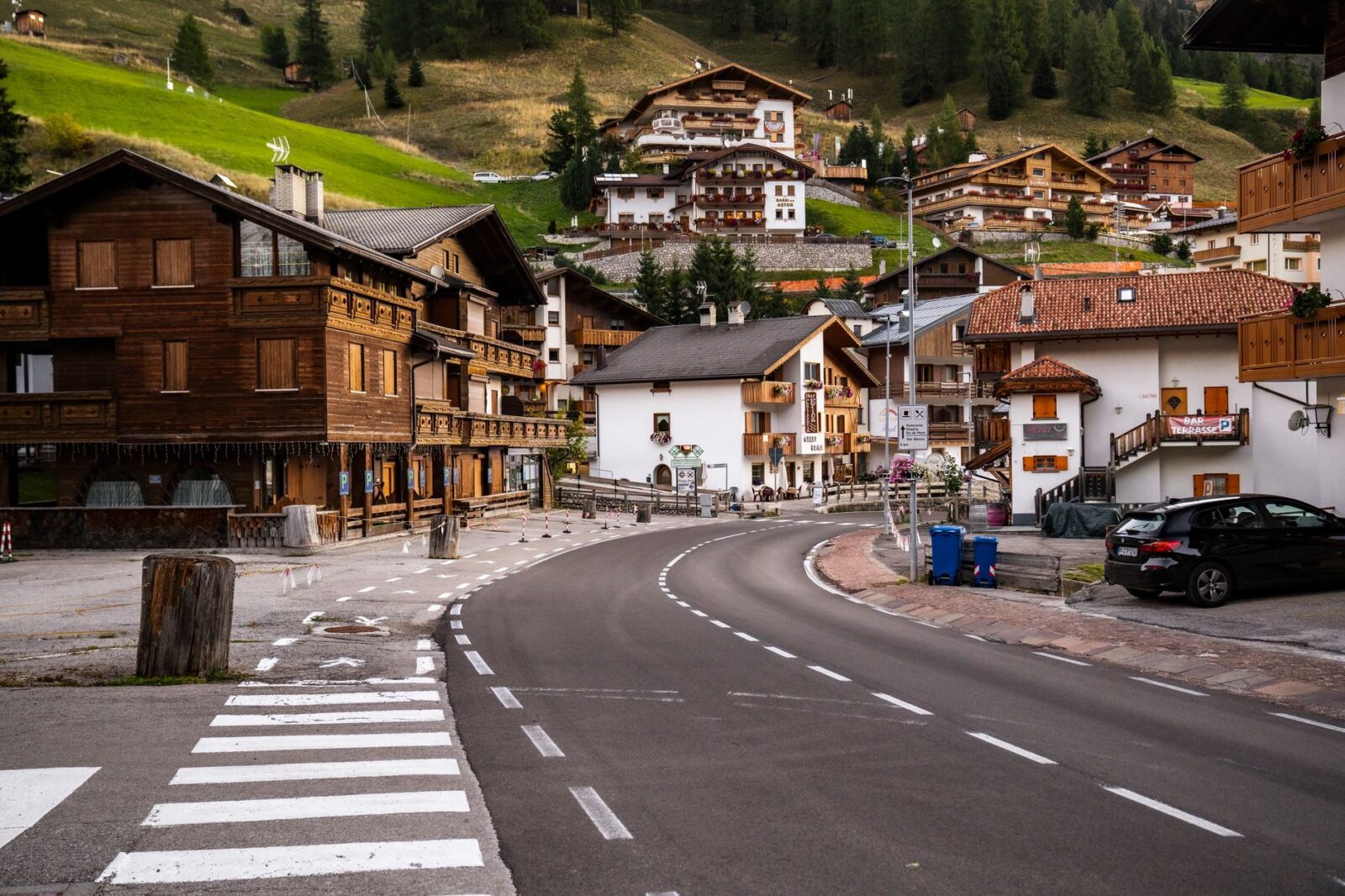
Safety often comes with a premium price tag. In Switzerland, the average mid‑range hotel night costs roughly $250 USD, while a comparable establishment in Egypt averages near $70 USD. Dining, entrance fees and local transport follow a similar pattern, making the overall daily budget in a safe European alpine destination two to three times higher than in many North African or Middle Eastern locales.
However, the financial impact of an incident can dwarf those savings. A single medical evacuation from a remote conflict zone can exceed $15 000 USD, and trip cancellation insurance claims due to sudden government travel bans regularly run into the thousands. Weighing the upfront cost against potential loss helps travelers see the value in allocating a larger share of their budget to security.
For those seeking a middle ground, destinations such as Portugal, Georgia and Uruguay offer solid safety scores—typically in the 20‑35 range—while keeping accommodation costs closer to $120‑$150 per night. These locations provide a compelling balance of affordability, infrastructure and low risk for budget‑conscious explorers.
Looking Ahead: Trends That Will Shape Travel Risk
Climate change is increasingly influencing the natural disaster category of risk indexes. Coastal regions from the Caribbean to Southeast Asia are seeing higher premiums for hurricane and flood coverage, which may deter some travelers or shift demand toward inland alternatives.
Digital security is another growing concern. More nations are registering lower scores in the digital security pillar due to rising incidents of identity theft, online scams and inadequate data protection laws, prompting travelers to use virtual private networks and two‑factor authentication as standard practice.
Geopolitically, certain long‑standing flashpoints show signs of de‑escalation, which could open new safe corridors over the next 12‑24 months. Monitoring peace talks, election outcomes and international sanctions regimes will be essential for spotting emerging opportunities before they become widely known.
Frequently Asked Questions
How often should I check travel advisories before a trip?
Experts recommend reviewing official advisories at least twice: once when you first consider a destination and again within 48 hours of departure. Because many governments update their ratings daily, a second check catches any sudden changes such as a new outbreak, protest surge or weather alert that could affect your plans.
Setting up email alerts from the travel advice pages of your home country’s foreign ministry ensures you receive notifications without having to manually revisit the sites. This habit is especially valuable for trips to regions where conditions can shift rapidly, such as the Horn of Africa or the South China Sea.
Are resort areas always safer than the rest of a country?
While many governments allocate extra security resources to popular tourist zones, safety is never guaranteed. Incidents of petty theft, scams and occasional violent crime still occur in resorts, particularly when visitors let their guard down after dark or venture outside guarded perimeters.
Travelers should treat resort areas as relatively lower‑risk but still apply standard precautions: keep valuables in a hotel safe, avoid displaying expensive jewelry, and use licensed transport for excursions. Consulting recent traveler reviews can also reveal whether a specific property has experienced security issues.
What type of travel insurance offers the best protection against political unrest?
Look for a policy that explicitly covers “trip cancellation due to government travel advisory” and “emergency evacuation for civil unrest.” These clauses are often found in comprehensive plans rather than basic medical‑only policies, and they may add 10‑15 % to the premium.
It is also wise to verify the insurer’s network of local partners in the destination country, as a reliable ground team can dramatically reduce evacuation times. Reading the fine print for exclusions—such as acts of war or nuclear incidents—helps avoid surprises when you need to file a claim.
Can I trust online safety scores that change every day?
Daily‑recalculated scores are useful for spotting trends, but they should be interpreted alongside official government advisories and recent news reports. A single‑day fluctuation caused by a minor incident may not warrant changing plans, whereas a sustained upward trend over several days merits deeper investigation.
Cross‑checking at least two independent scoring platforms—such as the Travel Risk Index and a reputable NGO‑run map—provides a more balanced view. When the scores converge on a similar risk level, you can act with greater confidence.
Stay informed with the latest travel news, visa updates, and destination guides. Follow HimalayanCrest.com for weekly travel intelligence delivered by our editorial team.