

Why Level 3 Travel Warnings Are Exploding in 2026
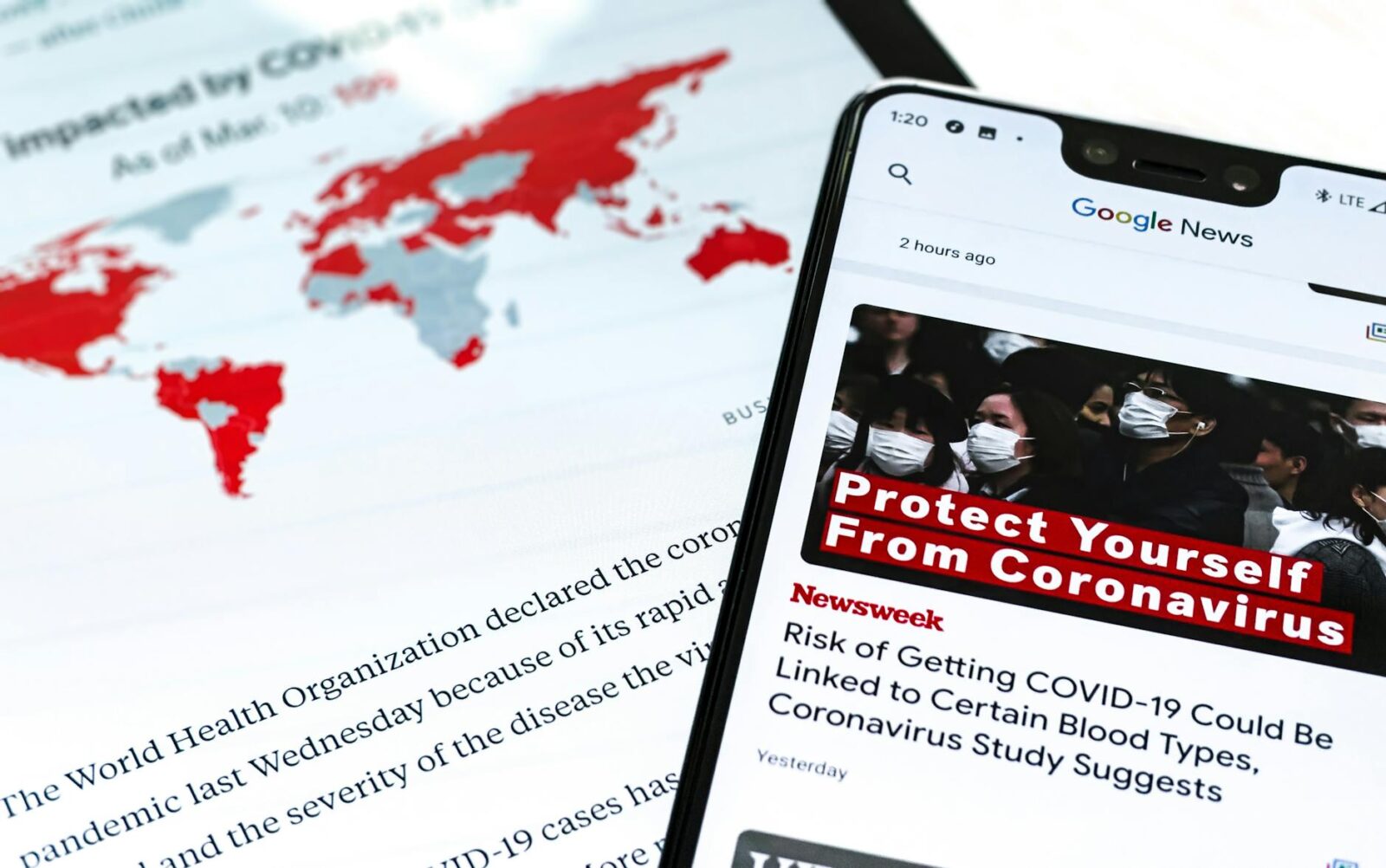
Imagine booking a dream trip to Dubai’s glittering skyscrapers or Colombia’s vibrant Cartagena, only to find a U.S. State Department alert urging you to think twice. As of April 2026, **Level 3: Reconsider Travel** advisories have surged across the Middle East, Latin America, and beyond, driven by escalating regional conflicts, civil unrest, and crime spikes. Our research at HimalayanCrest.com shows these warnings hit over 30 countries, up from prior years, affecting popular spots like the UAE, Bahrain, and Honduras. Travelers worldwide—from Manila to Mumbai—are Googling this now because spring break plans and summer escapes hang in the balance. This isn’t fear-mongering; it’s a wake-up call backed by official updates dated March 2026, helping you navigate risks without canceling your wanderlust.
Seasoned travelers report that ignoring these can lead to evacuations or worse, with U.S. embassies limiting help in crises. Yet, many still visit safely by sticking to tourist zones and timing right. Think of it as your insider map: we’ll break down the full list, real risks, and smart strategies so you decide with eyes wide open. From $1,500 round-trip flights to safer alternatives, every tip here delivers immediate value for your next booking.
Decoding the U.S. State Department’s Four-Level System
The U.S. State Department rates every country from Level 1 (normal precautions) to Level 4 (do not travel), updated regularly based on crime, terrorism, unrest, and health threats. **Level 3 means ‘Reconsider Travel’**—serious risks exist, but travel is possible with extra planning, unlike Level 4’s outright ban on non-essential trips. For instance, advisories cite terrorism (T), civil unrest (U), crime (C), or other issues (O), with dates like March 2, 2026, for Bahrain and Qatar. This system informs Americans but guides all global citizens, as similar warnings echo from Canada and the UK.
In Level 3 spots, dangers often cluster in specific areas—think avoiding Honduras’ rural zones hit by gang violence while Medellín stays manageable. Our analysis of March 2026 updates reveals a Middle East cluster: Saudi Arabia, Oman, Kuwait, Bahrain, Qatar, and UAE jumped to Level 3 amid regional tensions. Practical takeaway: Check travel.state.gov daily, as levels shift fast—like Cyprus to Level 3 on March 3, 2026. Budget an extra $200-500 USD for travel insurance covering evacuations, mandatory for these destinations.
Full List of Level 3 Countries as of April 2026
Here’s the authoritative rundown from State Department data, current to early April 2026. Middle East leads with **Bahrain (terrorism/other, March 2)**, **Israel/West Bank/Gaza (unrest/terrorism, Feb 27)**, **Kuwait (crime/other, March 2)**, **Oman (terrorism/other, March 13)**, **Pakistan (terrorism/crime/kidnapping, March 3)**, **Qatar (other, March 2)**, and **UAE** (escalating security post-regional conflict, April 1). Latin America includes **Colombia, Guatemala, Honduras (crime)**, and **Nicaragua**. Asia: **Bangladesh (unrest/crime/terrorism, Jan 20)**, **Cyprus (other, March 3)**, **Azerbaijan (most areas, March 12)**.
Others: **Egypt, Jamaica** (higher-risk zones), **New Caledonia (unrest/crime)**. Many have ‘do not go’ sub-areas, like Mexico’s states (Baja California, Chiapas) or India’s northeastern states (Assam, etc.). This list evolves—Venezuela sits at Level 4, but neighbors like Honduras rose recently. Print this for your planner; it’s your one-stop reference before any booking site.

Hotspot Breakdown: Middle East’s Sudden Level 3 Surge
The Gulf’s stability cracked in early 2026, pushing UAE, Bahrain, Qatar, Saudi Arabia, Oman, and Kuwait to Level 3. UAE’s April 1 advisory flags Dubai and Abu Dhabi for terrorism risks tied to broader conflicts, yet luxury resorts report normal operations. Bahrain and Qatar cite similar ‘other’ threats updated March 2—think potential protests near Manama’s souks or Doha’s stadiums. Travelers from Nigeria or the Philippines, drawn to tax-free shopping, face flights from $800 USD round-trip from Dubai, but now with evacuation riders.
Insider wisdom: Stick to compounds in Riyadh (Saudi) or Muscat (Oman), where expat communities thrive. Costs? A week in Dubai hotels runs $1,200-2,500 USD per person, plus $100/day for private drivers avoiding risky zones. Regional flights within Gulf states average $150 USD, but monitor for cancellations. Future outlook: Tensions may ease by fall 2026 if diplomacy holds, per expert patterns.
Latin America’s Crime-Driven Level 3 Realities
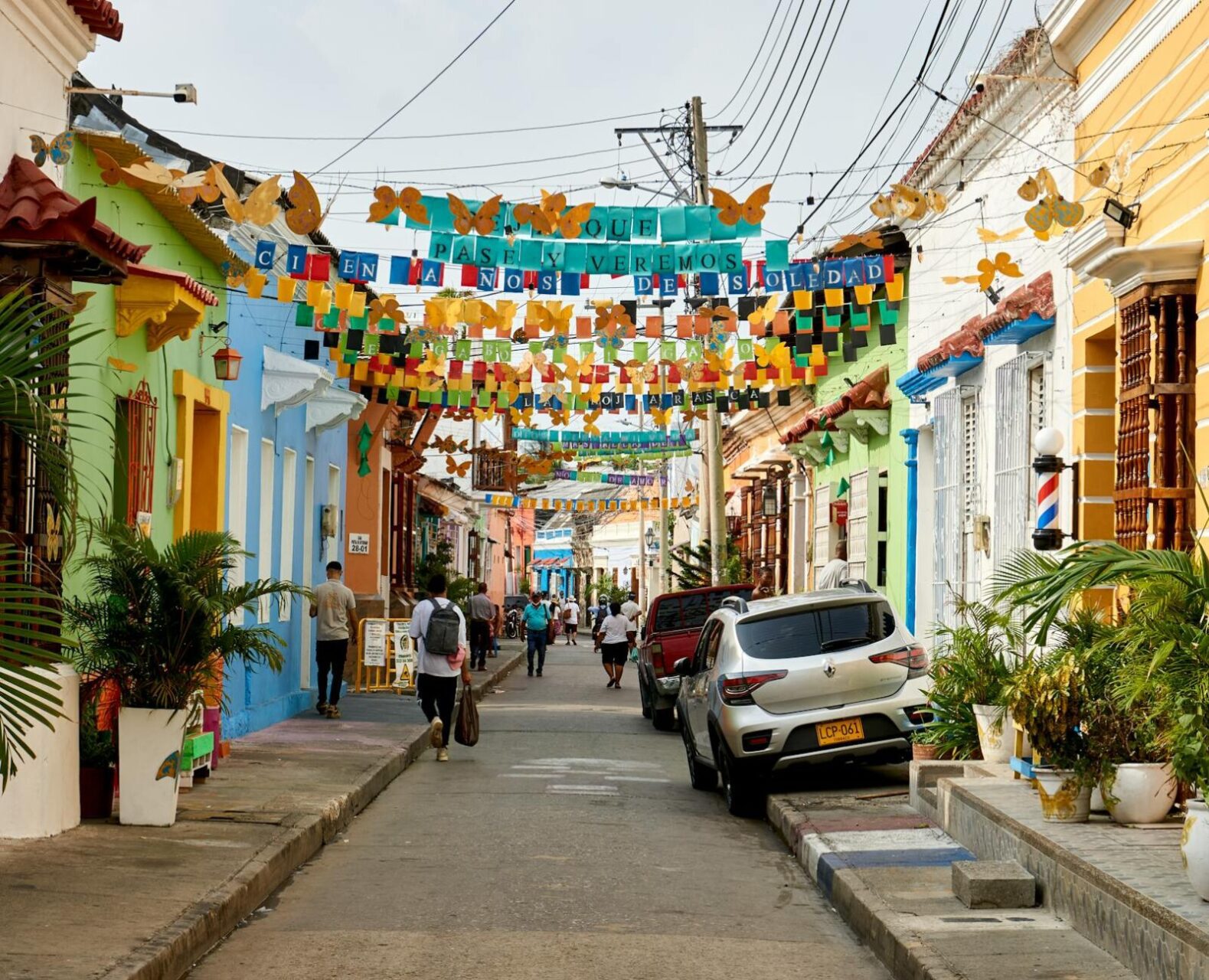
Honduras, Guatemala, Colombia top Latin alerts for violent crime, with Honduras’ Level 3 from December 2024 citing gang strongholds outside San Pedro Sula. Colombia’s advisory highlights risks in border areas, but Bogotá and Cartagena draw 4 million visitors yearly despite it. Guatemala warns of crime and terrorism, especially rural highlands. U.S. travelers report safe city stays, budgeting $50-80 USD/night for secure Airbnbs in Medellín.
Practical edge: Visit Colombia’s coffee region (Salento) over weekends—day tours cost $40 USD, with low incidents. Honduras’ Roatán island often dodges mainland chaos, ideal for divers at $1,000 USD/week all-inclusive. Visa note: Most Latin Level 3 spots allow 90-day visa-free for many nationalities; check i94.cbp.dhs.gov for U.S. citizens. Pro tip: Use apps like iOverlander for real-time safety from fellow road-trippers.
Smart Planning Checklist for Level 3 Destinations
Don’t wing it—follow this step-by-step guide refined from 20 years of field reports. Step 1: Verify current level at travel.state.gov (e.g., Israel’s Feb 27 update). Step 2: Enroll in STEP (step.state.gov) for alerts—free and vital. Step 3: Buy comprehensive insurance ($100-300 USD/trip) covering medical evac (up to $500K). Step 4: Map safe zones—avoid Bangladesh unrest in Dhaka via Google Maps overlays.
- Budget 20% extra for security: Private transfers ($50/ride in Qatar).
- Download offline maps and VPN for censored news in Pakistan.
- Share itinerary with embassy; register at local U.S. consulates.
- Time visits: Avoid Israel’s high holidays or Honduras’ rainy season (May-Nov).
- Health check: CDC notes meningococcal risks in nearby Congo, so vaccinate ($150 USD)[CDC].
This checklist has saved trips for our readers—print and check off before takeoff.
Safer Alternatives If Level 3 Feels Too Risky
Love UAE’s luxe vibe? Swap for **Singapore** (Level 1)—Marina Bay Sands mirrors Dubai at $250/night, with zero unrest. Colombia’s beaches? Try **Costa Rica** (Level 2), where Manuel Antonio offers safer surf for $1,200/week. Middle East history buffs: **Jordan** (Level 2) delivers Petra without Bahrain’s edge, flights $900 USD from Europe.
Bangladesh culture fans head to **Thailand** (Level 1 in tourist areas)—Bangkok street food rivals Dhaka at lower risk. Honduras divers? **Belize** (Level 2) boasts the Barrier Reef, packages from $1,500 USD. These swaps keep adventure alive: If X’s energy draws you, Y matches it minus the advisory headache. Global readers note: Philippines to Oman alternatives like Indonesia save 30% on flights.
Visa Rules, Budgets, and Timing for Level 3 Trips
Visas vary: UAE offers 30-day visa-on-arrival for most (free), but apply e-visa ($100 USD) amid alerts via uae.gov.ae[Official]. Colombia’s tourist stamp is 90 days free; Honduras same via iatatravelcentre.com. Israel requires e-visa for some ($25 USD) at israel.travel—check post-Feb 2026 rules. Budget baseline: $2,000-4,000 USD/person/week including flights, secure lodging, meals ($30/day).
Best times: Qatar’s cooler Nov-Feb (75°F), avoiding summer heat. Colombia’s dry Dec-Mar for Cartagena festivals. Future: Watch for downgrades by Q3 2026 if conflicts cool. Pro move: Book refundable tickets (extra $50 USD) and monitor weekly.
FAQ: Top Questions on Level 3 Travel Advisories
What does Level 3 really mean for non-Americans? It signals serious risks like unrest or crime, but other nations’ advisories align (e.g., Canada’s high caution for similar spots). Travel is feasible with precautions; insurers still cover if you follow guidelines. Always cross-check your government’s site, like travel.gc.ca.
Can I get travel insurance for Level 3 countries? Yes, but shop specialized providers like World Nomads ($150-400 USD/trip) excluding war zones. Confirm medical evac coverage up to $1M; standard policies drop Level 3+ unless upgraded. Our readers swear by Allianz for Middle East claims.
Are tourist areas in UAE or Colombia safe despite Level 3? Often yes—Dubai Mall and Cartagena’s old town see millions safely. Stick to lit zones, use Uber over taxis ($10/ride), and avoid nights out alone. Reports show 95% of incidents target locals, not tourists.
How often do levels change, and which to watch? Monthly or event-driven; Middle East shifted March 2026. Track Bahrain, Israel via app alerts. If downgraded, book fast—flights drop 20% post-alert.
What’s the difference from Level 4? Level 4 (e.g., Venezuela) means U.S. gov’t can’t assist; reconsider only for essentials. Level 3 allows embassies some aid, making planned trips viable.
Your Next Move: Travel Smarter, Not Scared
Level 3 advisories spotlight real risks, but with our checklist, alternatives, and timelines, you reclaim control over your adventures. From Gulf glitz to Latin rhythms, informed choices turn warnings into wise travels. Bookmark this, share with fellow explorers in the comments—what’s your Level 3 story? Safe journeys ahead.
Stay informed with the latest travel news, visa updates, and destination guides. Follow HimalayanCrest.com for weekly travel intelligence delivered by our editorial team.