

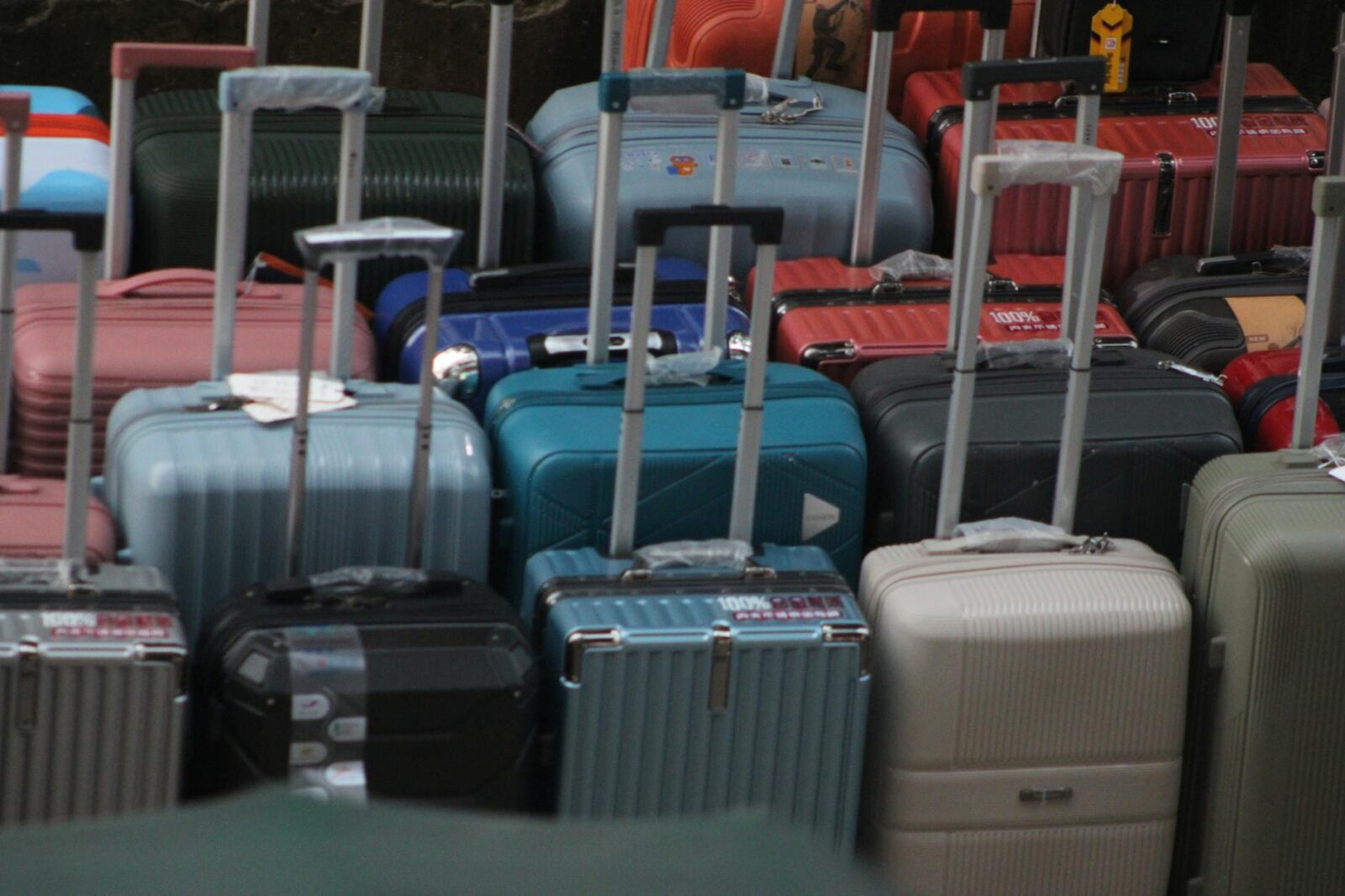
Bag Fees Surge as Oil Crisis Hits Your Wallet
Imagine lining up at the airport check-in counter, ticket in hand for that long-awaited trip to Mexico or a family reunion in Canada, only to face a $45 sticker shock for your first checked bag—up $10 from just days ago. As of today, April 8, 2026, Delta Air Lines has joined United and JetBlue in raising baggage fees, driven by skyrocketing jet fuel prices from the ongoing war in Iran. This isn’t just a minor tweak; it’s a signal that travel budgets worldwide need recalibrating right now, especially for economy flyers heading to North America or short-haul routes.
Our research at HimalayanCrest.com, drawing from airline announcements and industry reports, shows these hikes apply to tickets bought on or after key dates: Delta from April 8, United from April 3, and JetBlue earlier in the week. Travelers from Asia, the Middle East, or Europe connecting through U.S. hubs like Chicago or New York will feel this pinch on domestic legs or short international hops. Seasoned travelers report that packing light has never been more urgent—think of it as your first line of defense against these rising costs.
While long-haul flights to places like Europe or Asia still offer free first bags on these carriers, the changes hit hardest for regional travel. For context, a family of four checking two bags each could see an extra $80 tacked on per direction. This story matters because it ripples globally: higher U.S. fees influence fares everywhere, from Manila to Dubai layovers.
Delta’s Latest Move: $45 for Your First Bag
Delta Air Lines announced the fee increase effective for tickets purchased on or after Wednesday, April 8, 2026, bumping the first checked bag to $45 and the second to $55 on domestic and short-haul international flights. This applies to most economy passengers flying within the U.S. or to nearby destinations, but long-haul routes—like transatlantic or transpacific—keep the first bag free. A Delta spokesperson noted these updates reflect ‘evolving global conditions and industry dynamics,’ code for the oil price spike from Middle East tensions.
Practical takeaway: If you’re booking a multi-city itinerary with a U.S. domestic segment, run Delta’s online baggage fee calculator before confirming. It factors in your route, fare class, and status. Travelers with Delta co-branded credit cards, elite loyalty members, or active-duty military get at least one free bag, a perk worth $45 per person. For families or groups from places like Nigeria or the Philippines, this means prioritizing carry-ons under 22x14x9 inches to dodge fees entirely.
Delta’s move comes amid broader fuel woes, with jet fuel costs climbing due to the Iran conflict disrupting supplies. Our analysis shows this isn’t isolated—it’s part of a pattern where airlines pass on expenses without fully hiking base fares. Check official sites like delta.com/bags for real-time quotes tailored to your trip.
United Follows Suit with $10 Across-the-Board Jump
United Airlines led the charge earlier, raising fees by $10 for bookings on or after April 3, 2026, setting the first checked bag at $45 (prepaid) or $50 within 24 hours of departure, and $55 or $60 for the second. This covers U.S. domestic flights plus routes to Mexico, Canada, and Latin America—prime spots for snowbirds from Europe or adventure seekers from South America. United hasn’t raised bag fees in two years, making this a big shift tied directly to Middle East war-driven fuel surges.
Key exceptions keep it fairer: United Chase credit card holders, MileagePlus Premier members, active military, and premium cabin flyers score a free first bag. Last-minute checkers pay extra, so prepay online to save $5 per bag. For global travelers, if your journey includes a United leg from hubs like Denver or Chicago, budget an additional $90-$120 round-trip for two bags per person.
United’s statement emphasizes this funds competitive base fares and onboard perks. Pro tip: Use united.com’s baggage calculator to model costs—input your exact itinerary for precision. This tool has saved savvy travelers hundreds by revealing elite status waivers or prepay discounts.
JetBlue’s Tiered Fees: Peak Seasons Sting More
JetBlue kicked off the trend, hiking fees by $4 off-peak and $9 peak for domestic and short-haul flights, effective immediately for new bookings. Now, expect $39 for the first bag in slow seasons like winter, jumping to $49 during summer holidays or peaks; second bags run $50-$69, with last-minute adds at $49-$79. A JetBlue rep explained it offsets fuel costs while keeping fares low and service high.
This tiered system rewards off-peak travel—perfect for shoulder-season trips to U.S. beaches from the UAE or Caribbean getaways from India. Elite TrueBlue members, co-branded cardholders, and military get free bags. Families should note peak periods cover most holidays, so a Christmas hop could add $196 for four passengers’ two bags round-trip.
JetBlue’s calculator on jetblue.com lets you preview fees by date and route. Global nomads transiting JetBlue segments, pack strategically: one carry-on plus personal item stays free, sidestepping the hike entirely.
Fuel Crisis Roots: Iran War’s Global Ripple
The culprit? Jet fuel prices soaring from the war in Iran, disrupting oil flows and echoing 1970s crises but with modern stakes. U.S. carriers feel it acutely on short-haul routes where fuel is a bigger cost slice. This mirrors global trends: airlines in Europe and Asia have flagged similar pressures, with Emirates and Qatar Airways watching closely for fare adjustments.
Beyond bags, airfares are climbing—United even rolled out tiered premium fares amid this. For travelers from Africa or South Asia, U.S. connections mean higher total costs; a Delhi-Chicago-Miami itinerary now packs stealth fees. Industry watchers note it’s smarter to nickel-and-dime extras than hike tickets, preserving impulse buys.
Outlook: As tensions persist, expect steadier fuel costs only if diplomacy prevails. Meanwhile, pack like a pro: roll clothes, use compression bags, and weigh luggage at home to avoid gate surprises.
Who Gets Hit Hardest—and Who Skips Free
Economy passengers on short routes bear the brunt: a solo traveler with one bag pays $45-$49 one-way, doubling for returns. Families face $360+ extra for two bags each round-trip on Delta or United. Budget flyers from emerging markets like Indonesia or Morocco, often in basic economy, can’t escape without status.
Freebies abound for elites, cardholders (e.g., Delta SkyMiles or United Explorer cards, often with $95 annual fees offset by perks), and military. Active-duty folks from anywhere qualify—show ID at check-in. Couples or solos: one card between you covers both often. Globally, this pushes loyalty programs; join free tiers for potential waivers.
Implication: If planning U.S. travel, audit your status today. A quick application could save more than the fee itself.
Smart Budget Hacks to Dodge the Fee Bullet
Pack ultra-light: Airlines allow one carry-on (22x14x9 inches) and personal item free—fill with vacuum bags for 20% more space. Weigh under 50lbs to skip overweight charges ($200 third bag). Prepay online 24+ hours out saves $5 per bag on United and JetBlue.
- Use airline apps’ calculators before booking to compare total costs.
- Opt for bundles including bags if fees exceed savings.
- Ship luggage via services like Luggage Forward—sometimes cheaper than fees for groups.
- Chase credit cards with travel portals for fee credits.
- Fly budget carriers like Spirit (fees similar but base fares lower) for short hops.
For internationalists: U.S. Preclearance in Dubai or Abu Dhabi minimizes checked bag needs on connections. Track fuel trends via sites like IATA.org for timing trips.
What’s Next: More Airlines, Higher Fares?
Experts predict American, Southwest, and others will follow by summer 2026, as fuel stays volatile. Southwest’s free bags policy might bend first time in decades. Globally, this pressures low-cost carriers in India (IndiGo) or Southeast Asia (AirAsia) to match.
Positive spin: Airlines invest hikes in better seats, Wi-Fi—United’s new lie-flat options show this. Travelers, adapt by booking direct long-haul where free bags persist. Watch official airline sites and travel.state.gov for policy shifts amid geopolitics.
Future-proof your plans: Build a 10-15% buffer in budgets for extras. Loyalists thrive; casual flyers, go carry-on only.
Frequently Asked Questions
Q: Do these fee hikes apply to international long-haul flights?
A: No, Delta, United, and JetBlue keep the first checked bag free on long-haul international routes like U.S. to Europe, Asia, or South America. Short-haul (e.g., U.S. to Mexico, Canada) and domestic get hit with the new $45/$55 rates. Always confirm via airline calculators, as ‘short-haul’ definitions vary—typically under 4-6 hours.
Q: How can I avoid bag fees entirely?
A: Fly with elite status, use co-branded credit cards (e.g., United Explorer waives for cardholder +1), or qualify as active military. Otherwise, master carry-on packing: one bag + personal item under size/weight limits. Prepaying helps slightly, but status is king—sign up for free loyalty programs today.
Q: Are there penalties for last-minute bag check-ins?
A: Yes, United and JetBlue charge extra—$50 first bag (vs. $45 prepaid) and $60 second if within 24 hours. Delta aligns similarly. Pro tip: Handle at home with portable scales; airports gouge on oversize fees too.
Q: Will other airlines like American or Southwest raise fees soon?
A: Industry analysts say yes, likely by mid-2026 as fuel costs linger from Iran tensions. Southwest’s two-free-bags perk is unique but under pressure. Monitor americanairlines.com or southwest.com for updates.
Q: How much extra for a family of four round-trip?
A: Roughly $360-$400 on Delta/United (two bags each way), more on JetBlue peaks. Add $200+ for third bags. Budget tip: One cardholder covers companions; ship gear ahead for big loads.
Your Next Trip Starts Smarter
These bag fee hikes are the new normal amid global oil shakes, but armed with calculators, status hacks, and carry-on savvy, you reclaim control. Whether chasing Himalayan trails or U.S. beaches, travel on your terms—budget intact. Share your fee-beating tips in comments below; let’s crowdsource wins for fellow wanderers worldwide.
Stay informed with the latest travel news, visa updates, and destination guides. Follow HimalayanCrest.com for weekly travel intelligence delivered by our editorial team.