

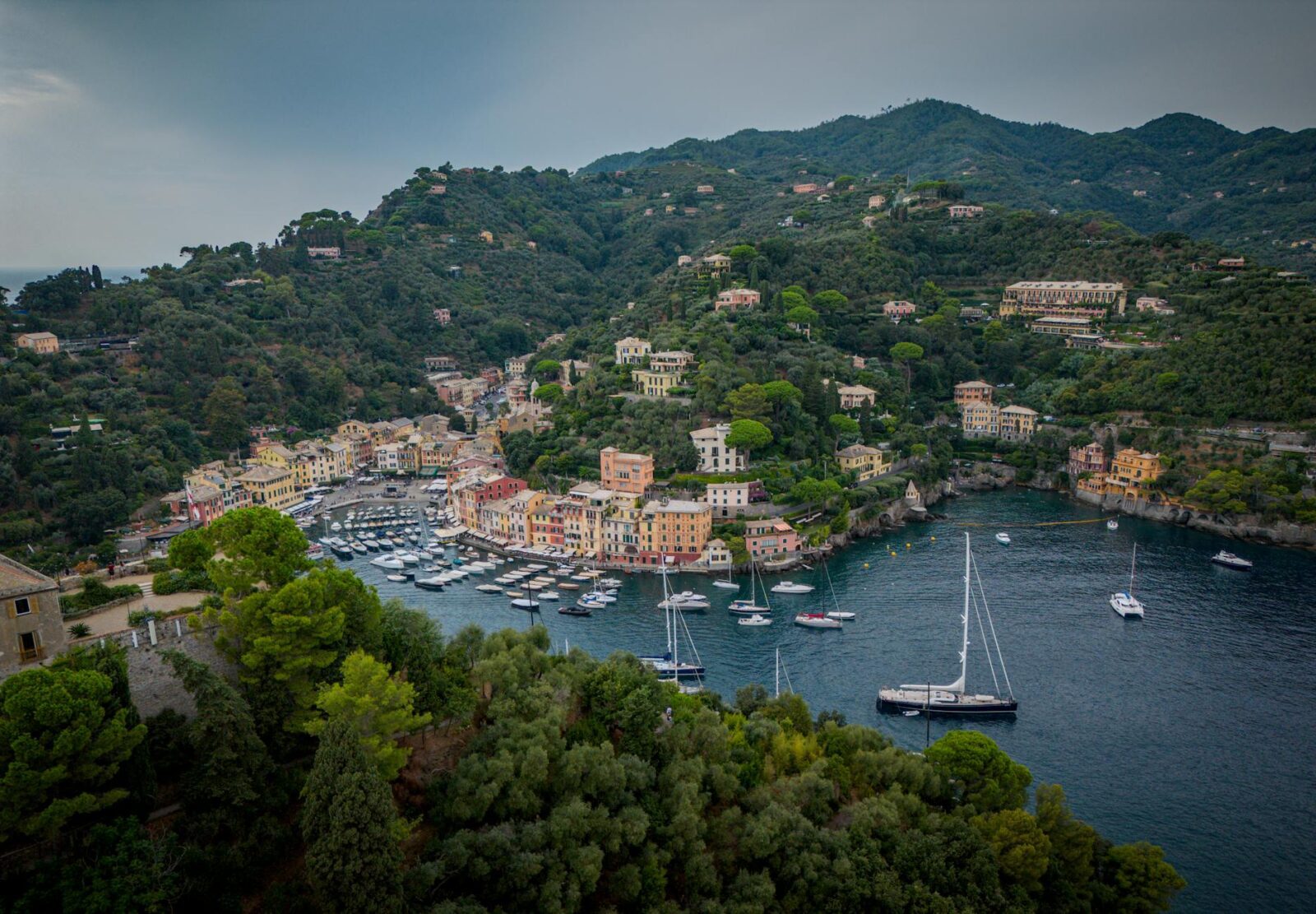
Vietnam’s Beach Towns Beat Bangkok’s Price Tag by Miles
Your dollar doesn’t just stretch in Vietnam—it practically multiplies. According to the World Bank’s price-level ratio, Vietnam sits at approximately 0.30, meaning your money buys three times as much there as it does in a mid-sized American city. This isn’t theoretical economics; it’s the difference between staying in a high-rise tourist trap and actually living like a local. While major hubs like Ho Chi Minh City and Hanoi have seen price inflation from foreign investment, the real magic happens in secondary cities like Da Nang, where beach-adjacent living combines with high-speed fiber internet and specialty coffee culture—all anchored by local market prices that haven’t been financialized.
What makes Vietnam exceptional isn’t just cheap accommodation or street food (though $2 to $3 meals are standard). It’s that you can access world-class amenities on a local budget. Private healthcare, reliable transportation, and modern coworking spaces exist alongside traditional markets. A comfortable monthly lifestyle—including private health insurance in some cases—costs a fraction of what you’d spend in neighboring Thailand or Cambodia’s tourist zones. The key is avoiding the neon districts where foreign money has already driven prices skyward.
For travelers planning stays beyond a week, Vietnam rewards those who venture beyond the guidebook circuit. Coastal towns like Nha Trang or Hoi An offer the same dollar leverage as Da Nang but with fewer digital nomads competing for the best cafes. The infrastructure works, the food is extraordinary, and your bank account will thank you.
Mexico’s Interior Cities Offer Stability Without the Peso Roller Coaster
Mexico presents a paradox: while the peso has fluctuated dramatically against the dollar, interior cities like Mérida and Querétaro maintain remarkable price stability. Mexico’s overall price-level ratio hovers around 0.60—meaning your dollar buys roughly twice as much as it would in an average American city. This is particularly true away from coastal resort zones where foreign speculation has inflated beachfront property and restaurant prices to international levels.
Mérida, the capital of Yucatán state, has become a magnet for remote workers and retirees who’ve discovered that a comfortable lifestyle costs $1,500 to $2,000 monthly—housing, food, utilities, and entertainment included. The city blends colonial architecture with modern amenities, a thriving expat community that shares practical tips, and access to cenotes (natural sinkholes) that offer free or nearly-free swimming and exploration. Querétaro, in central Mexico, offers similar value with a more cosmopolitan feel and proximity to Mexico City for weekend trips.
What separates Mexico’s interior from its beach destinations is price formation anchored by domestic demand rather than foreign investment. Local families still shop in the same markets as expats, which keeps prices grounded in reality. Healthcare is affordable and respected internationally, and the bureaucracy for longer stays has become increasingly foreigner-friendly. Unlike some budget destinations where infrastructure lags, Mexico’s interior cities offer both low prices and functional systems.
Colombia’s Healthcare System Costs Less Than Your US Gym Membership
Colombia represents one of the world’s best-kept travel secrets: a country where private health insurance costs $60 to $100 monthly within a healthcare system recognized by the World Health Organization and the World Bank as one of the strongest in Latin America relative to income level. This isn’t just about cheap medical tourism; it’s about accessing first-world care at developing-world prices as part of everyday life.
Medellín, once infamous for violence, has transformed into a thriving tech and culture hub where a month’s comfortable living—including that private health insurance—costs $1,200 to $1,600. The city’s spring-like climate year-round, reliable public transportation, and booming cafe culture attract digital nomads and long-term expats alike. Pereira, an emerging tech hub in the coffee region, offers even lower costs while maintaining excellent infrastructure and a younger, more dynamic population.
What makes Colombia exceptional is the combination of low prices with functional, modern systems. Internet speeds rival those in North America, restaurants serve both local cuisine and international fare, and the peso’s stability (relative to other Latin American currencies) means your purchasing power doesn’t evaporate overnight. The cultural richness—music, art, festivals—adds value that no price comparison captures. Travelers often arrive for a week and stay for months.
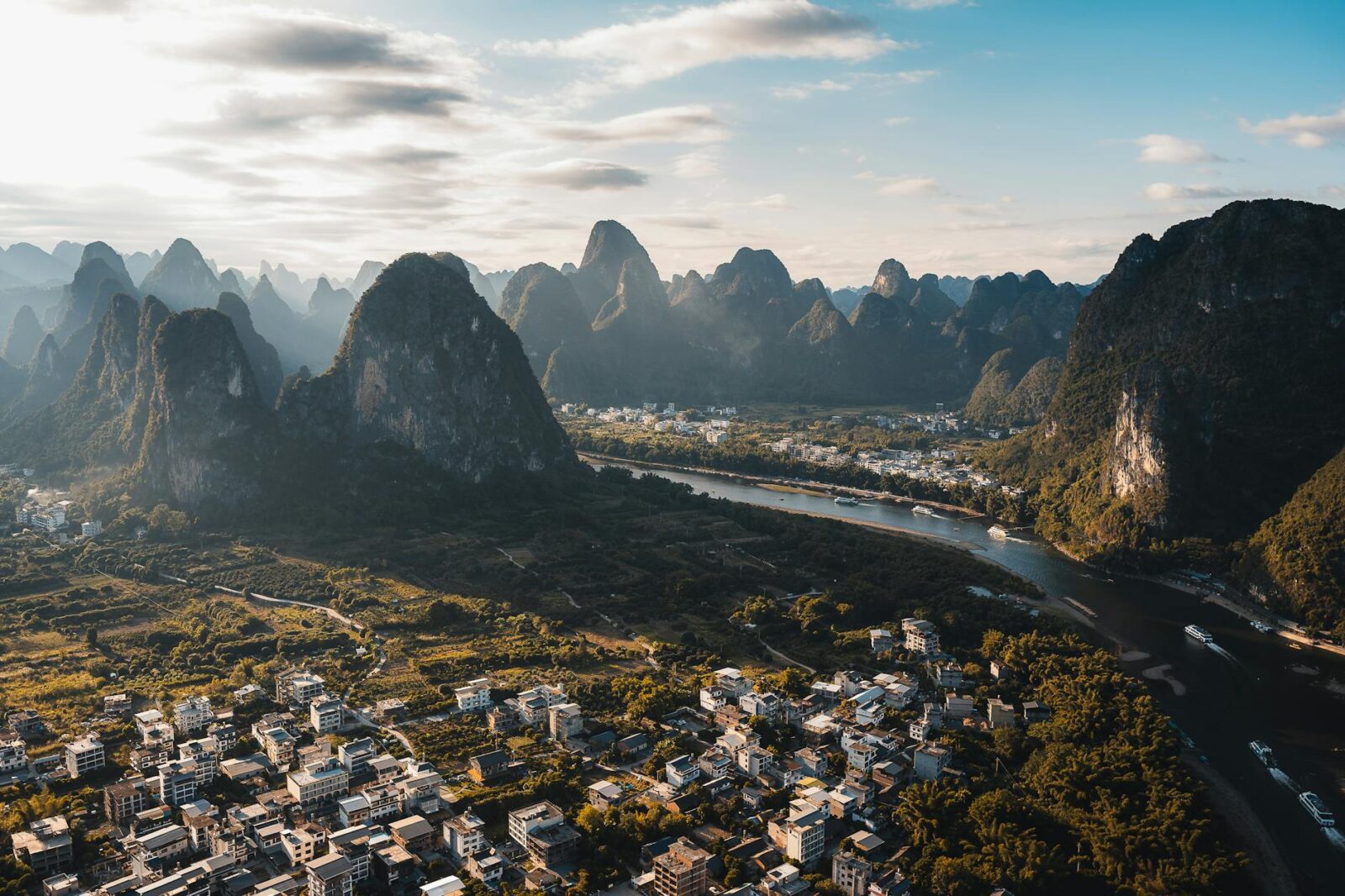
Portugal’s Michelin Stars Cost Less Than Chain Restaurants in Manhattan
Portugal delivers the European experience—coastlines, wine regions, history, architecture—without the European price shock that defines France, Italy, or Spain. A private sailing excursion, wine tasting, and boutique hotel stay in Lisbon costs less than comparable experiences in Paris or the Amalfi Coast. This advantage intensifies outside summer months when prices drop further and crowds disappear.
Lisbon’s neighborhoods like Príncipe Real and Alcântara blend historic charm with contemporary restaurants, galleries, and nightlife—all at prices that feel like a bargain for Western Europe. A three-course Michelin-starred meal runs $40 to $60, while five-star hotels in historic buildings cost $80 to $120 nightly. The Douro Valley wine region, a UNESCO site, offers vineyard tours and tastings for a fraction of what Napa or Bordeaux demand.
Portugal’s value proposition extends beyond tourism economics. The country offers visa programs for remote workers and retirees with straightforward requirements, making it accessible for longer stays. Public transportation works reliably, healthcare is excellent, and the Portuguese welcome foreigners without the cynicism that sometimes greets tourists in overtouristed European capitals. For travelers seeking European sophistication without American or Northern European price tags, Portugal remains unmatched.
Argentina’s Peso Collapse Created a Traveler’s Windfall in 2026
In 2026, the dollar stretches farther in Argentina than almost anywhere else on Earth. Economic turbulence that devastated local savers created unprecedented value for dollar holders. Stylish stays in Buenos Aires, horseback riding through wine country in Mendoza, and glacier hikes in Patagonia all cost less than a single dinner in New York. This represents a genuine shift in purchasing power, not just a temporary currency fluctuation.
Buenos Aires, often called the Paris of South America, now offers world-class dining, theater, museums, and nightlife at prices that feel surreal to visitors accustomed to North American or Western European costs. A three-course dinner at a respected restaurant with wine costs $15 to $25. Boutique hotels in San Telmo or Palermo neighborhoods run $50 to $80 nightly. The city’s European architecture, tango culture, and sophisticated cafe scene remain unchanged; only the prices have shifted dramatically in the traveler’s favor.
Patagonia’s hiking and glacier viewing—among the world’s most spectacular natural experiences—have become accessible to budget-conscious travelers. Mendoza’s wine region rivals California or Chile for quality but costs half as much for tastings and accommodation. The caveat: Argentina’s economic situation remains volatile, and inflation can shift quickly. However, for travelers with dollars in hand during 2026, the value proposition is extraordinary and unlikely to persist indefinitely.
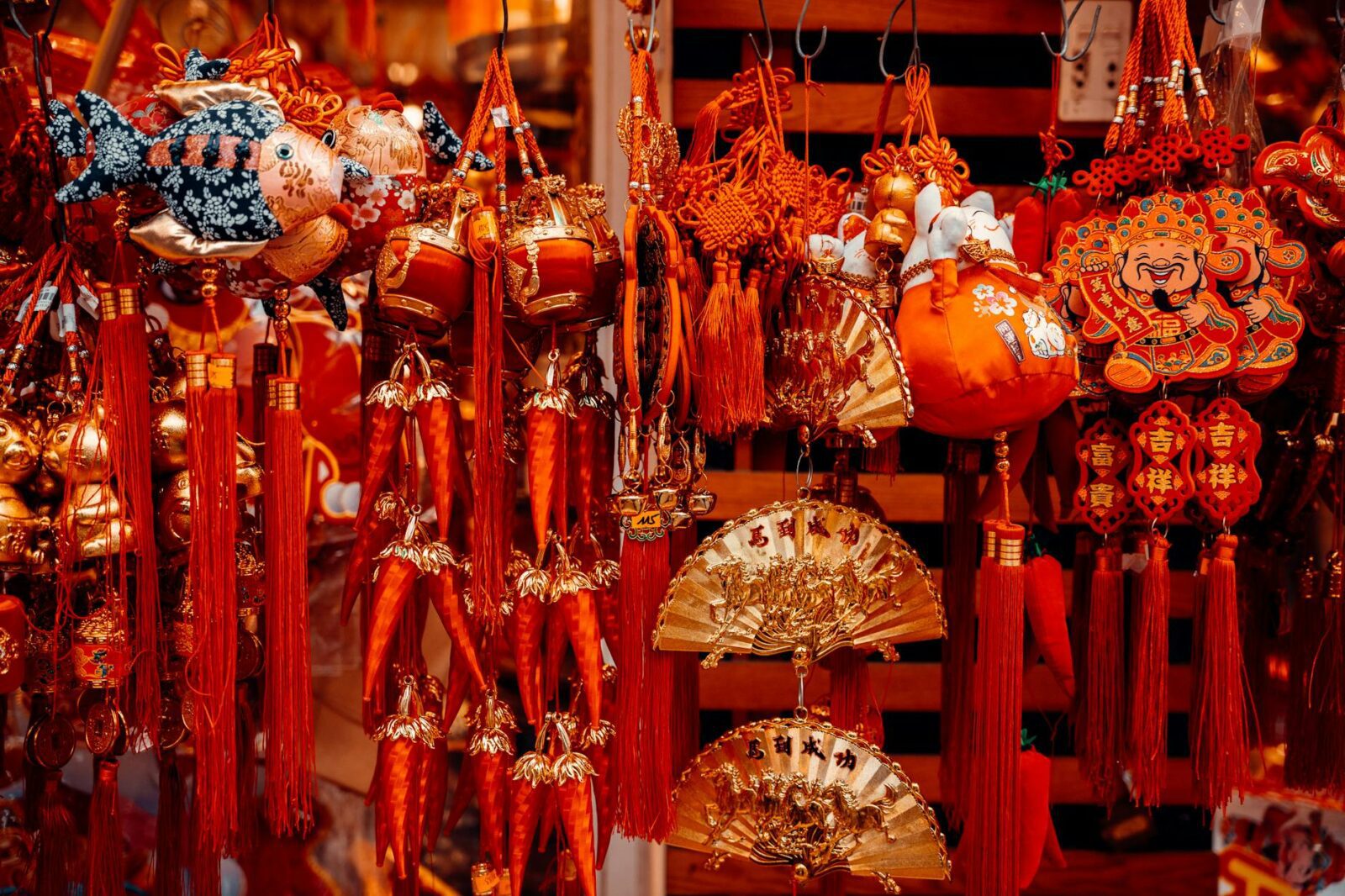
South Africa’s Safari Lodges Deliver Five-Star Luxury for Three-Star Prices
South Africa represents a paradox: the exchange rate makes five-star experiences cost what you’d expect to pay for mid-range accommodations elsewhere. Safari lodges, wine country estates, and Cape Town stays overdeliver on luxury while undercutting expectations on price. A week-long safari with private guides, game drives, and lodge accommodation—experiences that would cost $4,000 to $6,000 in East Africa—runs $2,000 to $3,000 in South Africa.
Cape Town itself combines natural beauty (Table Mountain, pristine beaches), world-class wine regions (Stellenbosch, Constantia), and urban sophistication at prices that feel generous. A five-star hotel costs $100 to $150 nightly, fine dining runs $30 to $50 per person, and activities like helicopter tours or wine tastings are accessible to travelers on moderate budgets. The city’s blend of African culture, colonial history, and modern infrastructure creates an experience that feels both exotic and comfortable.
The Kruger National Park and private game reserves offer wildlife viewing that rivals any destination globally, with the added advantage of affordability. Private guides, comfortable lodges, and multiple daily game drives create memories that justify the journey—and the dollar’s purchasing power makes it financially accessible. South Africa’s combination of natural wonders, cultural richness, and favorable exchange rates makes it exceptional value for travelers seeking luxury experiences without luxury price tags.
Guatemala’s Ancient Ruins Cost Less to Explore Than a Weekend in Las Vegas
Guatemala offers travelers the chance to explore Mayan civilization, colonial architecture, and highland culture for prices that seem almost apologetic. The country appears consistently on lists of budget-friendly destinations where the dollar remains strong. A week exploring Tikal’s ancient temples, Lake Atitlán’s indigenous villages, and Antigua’s colonial streets costs less than airfare alone to many other destinations.
Tikal National Park, one of the world’s most significant Mayan sites, charges entry fees under $20 and offers multi-day exploration possibilities. Guided tours with experienced archaeologists run $40 to $60 daily. Accommodation in nearby towns costs $15 to $30 nightly. Lake Atitlán’s indigenous communities welcome visitors respectfully, offering textile workshops, cooking classes, and cultural exchanges for $20 to $40. Antigua, the former capital, combines Spanish colonial architecture with bohemian cafes and galleries—all accessible on a shoestring budget.
What distinguishes Guatemala from other budget destinations is the depth of cultural and historical experiences available. This isn’t just about cheap accommodation; it’s about accessing world-heritage sites and living indigenous cultures at prices that reflect local economies rather than international tourism markups. The infrastructure supports travelers at all budget levels, and the warmth of local communities creates connections that transcend the transactional nature of tourism.
Kyrgyzstan’s Mountains Rival Switzerland’s Scenery at One-Tenth the Cost
Kyrgyzstan appears on lists of countries where the US dollar remains strong, offering dramatic mountain landscapes, trekking opportunities, and cultural experiences at prices that seem impossible given the scenery’s world-class quality. The Tian Shan mountains rival the Alps for beauty and exceed them for accessibility and affordability. Multi-day treks, horseback expeditions, and stays in mountain communities cost $30 to $50 daily, including guides and accommodation.
Bishkek, the capital, serves as a gateway to mountain adventures while offering surprisingly cosmopolitan amenities—cafes, restaurants, galleries—at budget prices. The Issyk-Kul lake, the world’s second-largest alpine lake, provides swimming, water sports, and lakeside relaxation. Mountain passes, alpine meadows, and nomadic yurt stays create experiences that feel genuinely remote and authentic, not manufactured for tourists.
Kyrgyzstan’s value extends beyond pricing; it offers genuine adventure and cultural immersion. Trekking routes see far fewer Western tourists than equivalent Himalayan or European trails, meaning more solitude and authentic encounters with local herding communities. The political stability and improving tourism infrastructure make it increasingly accessible while maintaining its character as an underexplored destination. For adventurous travelers with modest budgets, Kyrgyzstan delivers experiences that wealthy tourists pay ten times more to approximate elsewhere.
India’s Diversity Means Your Dollar Buys Everything From Palaces to Street Food
India appears on multiple lists of 2026 destinations where the US dollar remains strong, and for good reason. The country’s sheer scale, cultural diversity, and economic structure create extraordinary value for foreign visitors. A month of travel across multiple regions—staying in guesthouses, eating street food and restaurant meals, using transportation, and visiting sites—costs $1,000 to $1,500 for most travelers. This includes accommodation, food, internal flights, and activities.
The variety of experiences available at budget prices is staggering. Palace hotels in Rajasthan cost $40 to $80 nightly. Ayurvedic treatments and yoga retreats in Kerala cost $30 to $60 daily, all-inclusive. Train journeys across the country cost $20 to $50 for sleeper berths. Street food meals cost $1 to $3. This isn’t deprivation tourism; it’s genuine access to quality experiences at prices that reflect India’s economy rather than international tourism markups.
What makes India particularly valuable is the combination of affordability with infrastructure that supports travelers. Major cities have reliable transportation, accommodation at all price points, and restaurants serving both local and international cuisine. The cultural richness—temples, museums, festivals, markets—adds depth that no price comparison captures. For travelers willing to embrace a different pace and unfamiliar systems, India offers more value per dollar than almost any destination globally.
Cambodia’s Temple Tours Cost Less Than a Day Trip in Europe
Cambodia appears in travel guides as a budget destination where the US dollar stretches extraordinarily far, particularly for experiences like temple exploration. Angkor Wat, one of the world’s most significant archaeological sites, charges entry fees under $40 for multi-day passes. Hiring personal guides for full-day temple tours costs under $100, making comprehensive exploration of the Khmer Empire’s greatest achievements accessible to budget travelers.
Siem Reap, the gateway to Angkor, offers accommodation for $15 to $40 nightly, meals for $3 to $8, and activities ranging from temple tours to cooking classes to boat trips through floating villages—all at prices that feel almost unreal to travelers from developed economies. The town’s blend of backpacker culture and emerging sophistication means travelers at all budget levels find appropriate accommodations and experiences.
Beyond temples, Cambodia offers beaches, islands, and cultural experiences. Phnom Penh’s museums and markets provide historical context and cultural immersion. The Mekong River offers boat trips and village visits. What distinguishes Cambodia is that world-significant experiences—exploring temples that rival any historical site globally—remain accessible to travelers on modest budgets, creating value that transcends simple price comparisons.
Why These Countries Offer Real Value, Not Just Low Prices
The difference between a cheap destination and a valuable destination lies in what travel experts call “local price formation.” Real value emerges in countries where prices are anchored by domestic demand and local production, not by speculative foreign investment or tourism bubbles. Vietnam, Mexico’s interior, Colombia, Portugal, Argentina, and other destinations on this list share this characteristic: prices reflect what local people actually pay, not inflated international tourist rates.
This distinction matters because it determines sustainability and authenticity. In destinations where prices have been driven up by foreign speculation—think Bali’s Seminyak or Bangkok’s Sukhumvit—your arbitrage evaporates into air conditioning vents and overpriced tours. In destinations where local economies anchor pricing, you access genuine infrastructure, real food, and authentic experiences at rates that reflect actual value rather than tourist markups.
The secondary factor is functional infrastructure. True value combines low prices with systems that work: reliable internet, decent healthcare, transportation that functions, restaurants that serve quality food. This eliminates destinations where cheapness comes with compromised infrastructure, safety concerns, or experiences that feel degraded. The destinations highlighted here offer the rare combination: low prices plus functional systems plus authentic experiences.
Practical Strategies for Maximizing Dollar Value in 2026
Timing matters enormously. Traveling during shoulder seasons (just before or after peak tourism) in Portugal, Mexico, and Argentina cuts costs by 20 to 40 percent while improving experiences through smaller crowds. In Southeast Asia, the cool season (November to February) brings better weather and slightly lower prices than peak tourism months.
Location selection within countries determines value more than country selection itself. Vietnam’s Da Nang offers better value than Ho Chi Minh City. Mexico’s Mérida beats Cancún by a factor of three. Colombia’s Medellín costs less than Cartagena. This pattern repeats globally: secondary cities and towns offer dramatically better value than tourism-saturated capitals and beach resorts.
Duration amplifies value. A week in any destination costs more per day than a month because fixed costs (flights, visa processing, initial accommodation searches) spread across fewer days. Travelers who commit to 4-6 week stays unlock prices and experiences unavailable to shorter-term visitors. Monthly apartment rentals cost half what nightly hotels charge. Restaurant owners offer discounts to regular customers. Guides provide better rates for multi-day arrangements.
Currency timing and payment methods matter. Carrying dollars in cash and exchanging at local money changers (not airports or tourist zones) yields better rates than credit card withdrawals from ATMs in many countries. Understanding which destinations favor cash versus cards prevents fees that erode value. In 2026, with currency volatility affecting multiple regions, staying informed about exchange rate trends before booking helps maximize purchasing power.
FAQ: Your Dollar-Stretching Questions Answered
Q: Is it safe to travel to these countries in 2026? Safety varies by destination and specific location. Vietnam, Portugal, Mexico’s interior, and South Africa maintain good safety records for tourists who follow basic precautions. Colombia and Guatemala have improved significantly but warrant standard travel awareness. Kyrgyzstan and Cambodia are generally safe for tourists. Always check current travel advisories from your government before booking, and connect with recent travelers and expat communities online for current conditions.
Q: How long can I stay in these countries on a tourist visa? Tourist visas typically allow 30 to 90 days depending on nationality and destination. Vietnam, Cambodia, and Kyrgyzstan offer 30-day tourist visas on arrival. Mexico allows 180 days. Portugal, Colombia, and Argentina allow 90 days. For longer stays, visa extension or digital nomad visa programs exist in most countries. Research your specific nationality’s requirements before traveling.
Q: What’s the best way to handle money—cash, credit cards, or cryptocurrency? Cash remains king in most budget destinations for small transactions and negotiating better prices. Credit cards work in cities but often trigger foreign transaction fees. ATM withdrawals offer reasonable exchange rates in most countries but charge per-transaction fees. Cryptocurrency adoption remains limited outside major cities. Strategy: carry some cash, use ATMs for larger withdrawals, and reserve credit cards for hotels and established businesses.
Q: Can I actually live on the daily budgets mentioned, or is that backpacker-level deprivation? The budgets mentioned reflect comfortable living with private accommodation, restaurant meals, activities, and transportation—not deprivation. A $40 daily budget in Vietnam includes a private room, meals at decent restaurants, and paid activities. You’re not eating street food exclusively or staying in dorms. The difference between these destinations and North America or Western Europe is that your money buys quality, not that you’re sacrificing comfort.
Q: Will these countries remain affordable, or is inflation eroding value? Some inflation affects all destinations, but countries with local price formation (where prices reflect domestic demand) adjust more gradually than those driven by foreign investment speculation. Vietnam and Mexico’s interior show remarkable price stability year to year. Argentina’s situation remains volatile due to broader economic challenges. The safest assumption: these destinations will remain significantly more affordable than developed economies, but specific prices will shift. Lock in value by traveling sooner rather than later if affordability is your primary concern.
Your Next Move: Capturing Value Before It Shifts
The countries where your dollar goes furthest in 2026 share a common trait: they offer genuine value, not just low prices. Vietnam’s fiber-connected beach towns, Mexico’s colonial cities, Colombia’s healthcare access, Portugal’s Michelin-starred restaurants, Argentina’s wine country, South Africa’s safaris, Guatemala’s temples, Kyrgyzstan’s mountains, India’s diversity, and Cambodia’s archaeological sites all deliver world-class experiences at prices that feel generous compared to developed economies.
The window for maximum value remains open in 2026, but it’s narrowing. As more remote workers, retirees, and budget-conscious travelers discover these destinations, prices gradually shift upward. Infrastructure improvements, digital nomad visas, and increased foreign investment reshape local economies. The countries listed here offer exceptional value now—not because they’re underdeveloped or unsafe, but because they’ve maintained local price formation while building functional systems.
Your strategy should be straightforward: choose a destination that aligns with your interests and timeline, commit to staying longer than you initially planned, venture beyond tourist zones, and embrace the local economy rather than the expat bubbles. Whether you’re seeking adventure, cultural immersion, relaxation, or a combination of all three, one of these destinations will deliver experiences that justify the journey and stretch your dollars further than you thought possible. The real question isn’t where your dollar goes furthest—it’s which of these remarkable places you’ll explore first.
Stay informed with the latest travel news, visa updates, and destination guides. Follow HimalayanCrest.com for weekly travel intelligence delivered by our editorial team.