


Reef Crisis: A Global Environmental and Economic Challenge
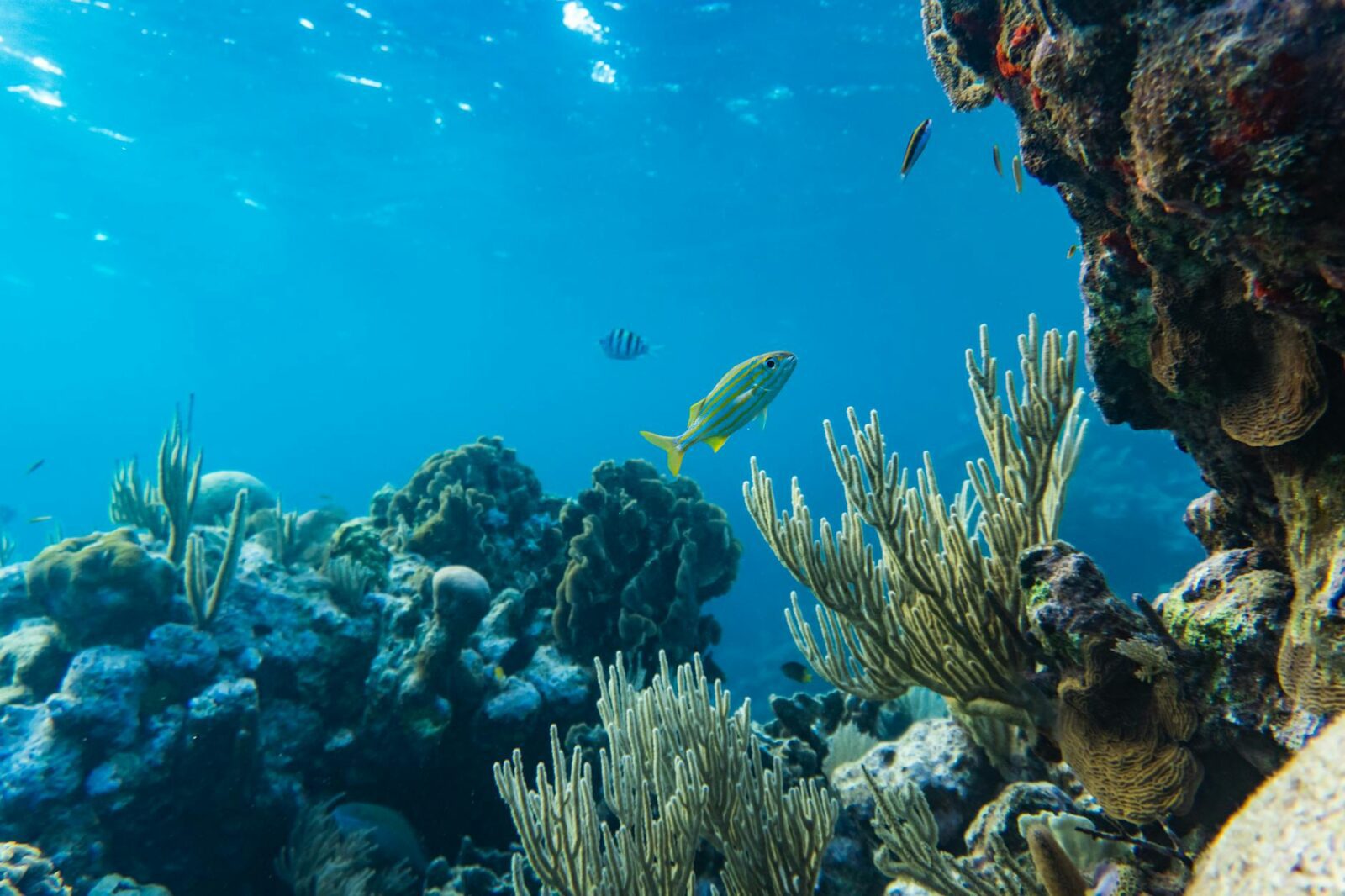
Coral reefs are in crisis. These vibrant ecosystems, which support a quarter of all marine life, face significant threats from climate change, pollution, and over-tourism. The economic ramifications are equally severe. According to estimates, reefs provide global benefits worth approximately $2.7 trillion annually, encompassing tourism, fishing, and coastal protection. As these underwater marvels decline, so too do the economic opportunities they provide, prompting urgent action.
San Andrés: A Pioneering Pilot Project
In June 2025, a groundbreaking initiative took place in Colombia’s San Andrés archipelago. The San Andrés Marine Mosaic Project, a collaboration between Colombia’s tourism board, The Explorers Club, and the local environmental authority Coralina, sought to address these issues head-on. By employing cutting-edge technology to analyze seawater, the project aimed to detect stress in marine ecosystems before visible damage occurred. This innovative approach could revolutionize how tourism destinations manage their natural resources.
Leveraging eRNA Data for Sustainable Tourism
The core of the San Andrés project lies in its use of environmental RNA (eRNA) data. This technology allows scientists to identify early warning signs of ecosystem stress, thus enabling proactive measures. The project gathered samples from over 20 sites, including coral reefs, mangroves, and seagrass beds. By using eRNA data, the team could determine which areas were suitable for recreational tourism and which needed to be reserved for regenerative efforts.
Aligning with Global Travel Trends
This pilot is not just a local initiative; it represents a significant shift in global travel trends. As travelers become more environmentally conscious, destinations that prioritize sustainability are gaining popularity. The San Andrés project could serve as a model for other regions, integrating scientific tourism with conservation efforts. The global travel industry is increasingly recognizing the need to preserve natural assets, balancing economic gain with ecological responsibility.
Practical Implications for Travelers
For travelers planning trips to coral-rich destinations, there are several considerations. First, support destinations that invest in sustainable practices. Opt for tours that prioritize environmental education and conservation. Additionally, travelers should be aware of the potential for restricted access to certain areas, as destinations might limit visitor numbers to protect fragile ecosystems. By being informed and selective, tourists can contribute to the preservation of these vital habitats.

Future Outlook: A Sustainable Path Forward
Looking ahead, the success of the San Andrés project could pave the way for broader adoption of similar initiatives. As more destinations adopt eRNA technology and other scientific methods, the travel industry could see a shift towards more sustainable practices. This could also lead to policy changes, with governments potentially implementing stricter regulations on tourism activities in sensitive ecological areas.
Cost Considerations for Eco-Conscious Travelers
Travelers should be prepared for possible cost implications. Sustainable tourism initiatives often come with higher costs, as they require significant investment in technology and infrastructure. However, these costs are balanced by the long-term preservation of natural resources. Travelers might find that eco-friendly tours and accommodations are slightly more expensive, but the investment contributes to the health of our planet’s ecosystems.
Frequently Asked Questions
What is the San Andrés Marine Mosaic Project?
This project is a collaborative effort to use eRNA technology to detect stress in marine ecosystems, aiming to guide sustainable tourism practices in the San Andrés archipelago.
Why is eRNA data significant?
eRNA data provides early warnings of ecological stress, allowing for proactive conservation measures before visible damage occurs, thus aiding in sustainable tourism management.
How does the project impact tourism?
By identifying areas needing protection versus those open for tourism, the project helps balance ecological preservation with tourism activities, potentially influencing future travel policies.
Are there cost implications for tourists?
Yes, sustainable tourism initiatives may lead to higher costs due to investments in technology and infrastructure, but these contribute to preserving natural ecosystems.
What can travelers do to support sustainable tourism?
Travelers can choose eco-friendly tours and accommodations, support destinations investing in conservation, and remain informed about environmental impacts of their travel choices.
Stay informed with the latest travel news, visa updates, and destination guides. Follow HimalayanCrest.com for weekly travel intelligence delivered by our editorial team.