

The Dawn of a New Era in EU Border Control
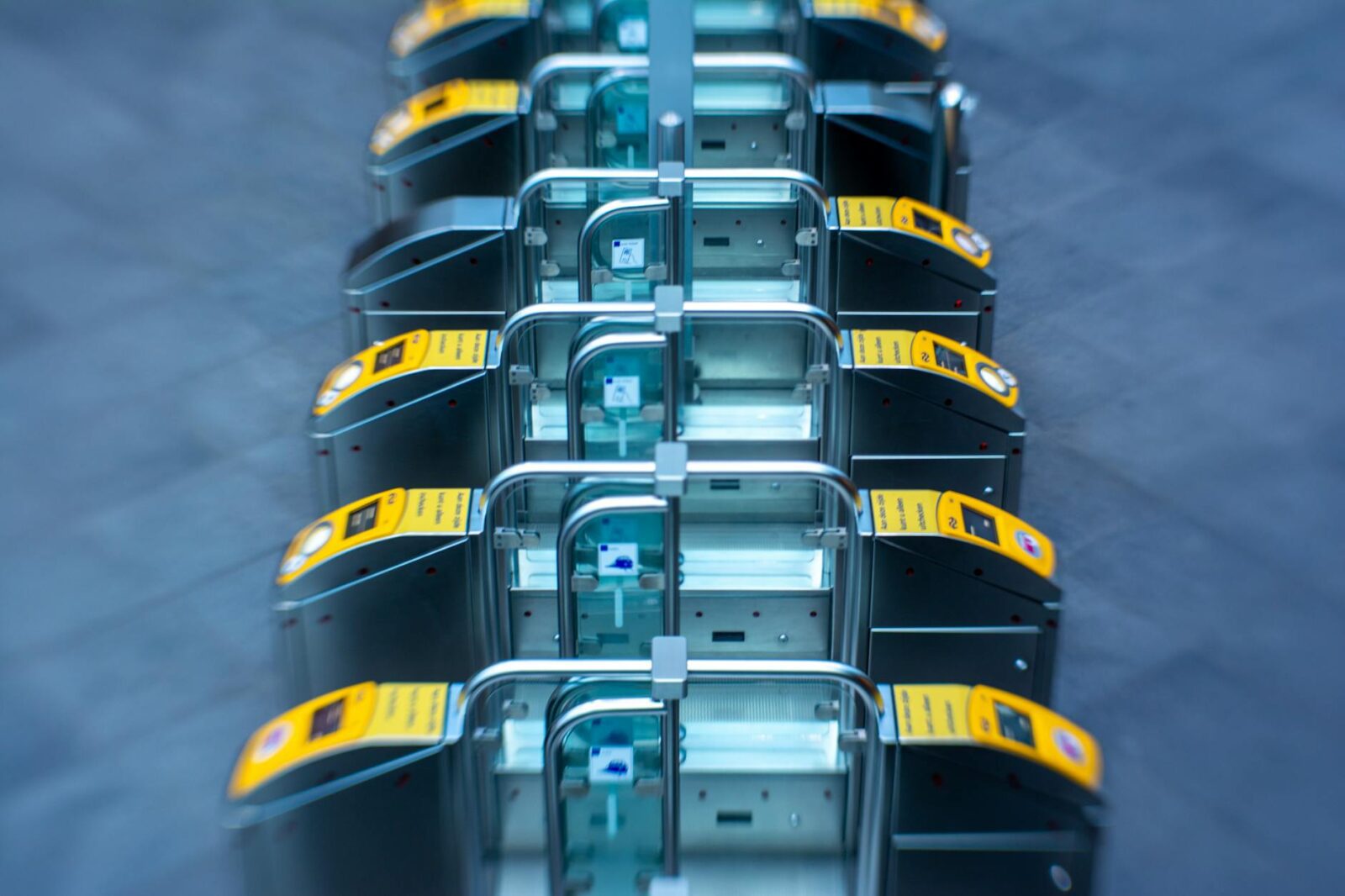
Imagine arriving at a bustling European airport, only to find that the familiar ritual of passport stamping has been replaced by sleek eGates scanning your face. As of April 10, 2026, this is the new reality for travelers entering the 29 Schengen area countries. The European Union has officially launched its long-anticipated Entry/Exit System (EES), a biometric-based border control mechanism that aims to enhance security and streamline entry processes. This significant shift affects millions of non-EU nationals who visit Europe annually, marking a pivotal change in the way borders are managed.
Understanding the Entry/Exit System
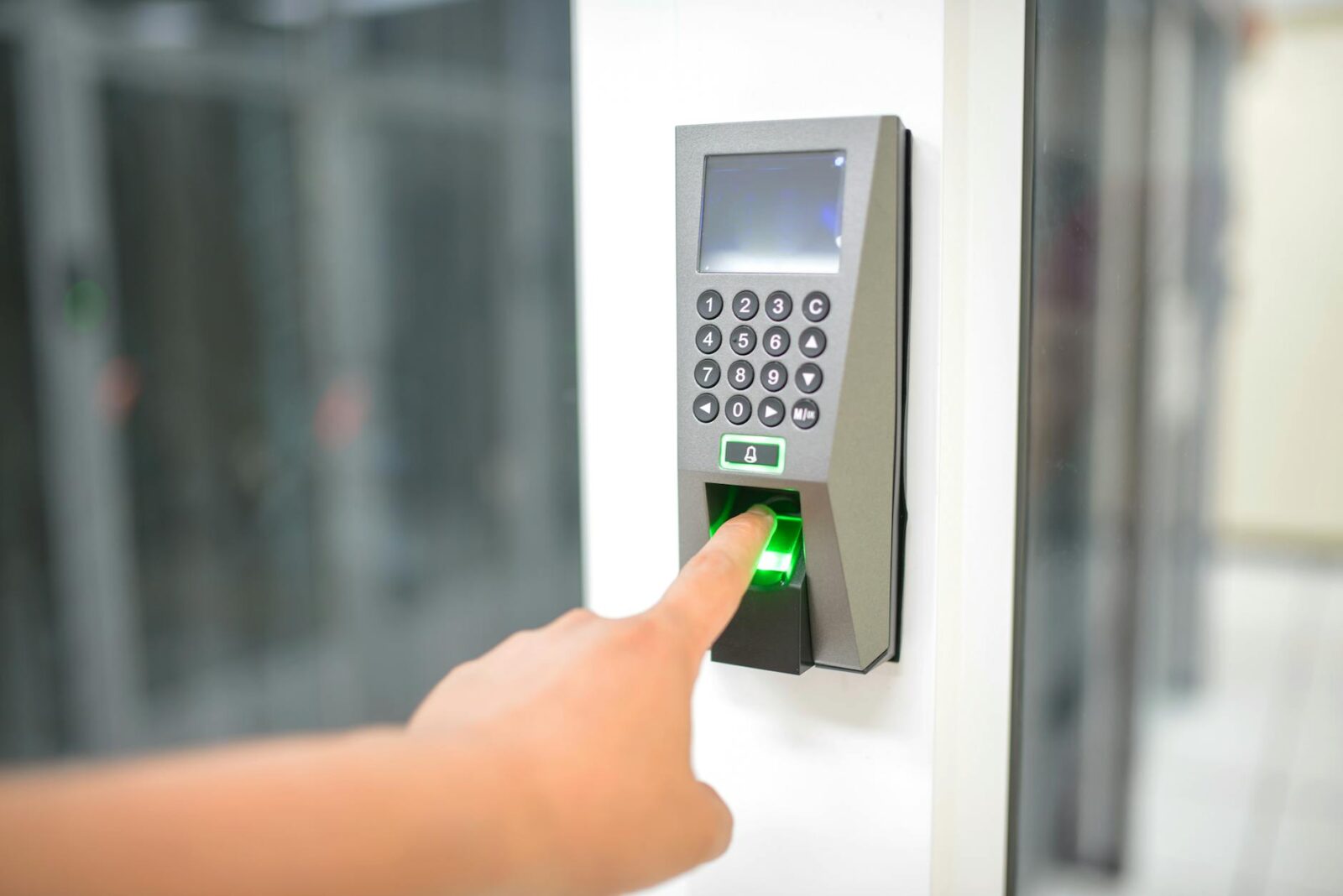
The EES is a cutting-edge border management system that digitally records the entry and exit of non-EU nationals, replacing traditional passport stamps with biometric data, such as facial scans and fingerprints. Travelers will need to present valid travel documents, but the process will now include the capture of their biometric information at border checkpoints. This system is operational at both airport and international train terminals, ensuring a comprehensive approach to monitoring visitor movements across the EU.
A Global Trend Toward Biometric Security
The EU’s adoption of the EES aligns with a broader global trend towards biometric security measures. Countries like the United States and Australia have already implemented similar systems to enhance border security and reduce identity fraud. The move reflects a growing need for more efficient and secure ways to manage the increasing volume of international travelers, especially in an era where data security and personal identification are paramount.

Implications for Travelers
For travelers planning trips to the EU, the introduction of the EES means adjusting to new border crossing protocols. Expect longer wait times initially, as both travelers and border staff adapt to the new system. However, once fully integrated, these biometric checks promise to expedite the process, reducing queues and enhancing the overall travel experience. It’s crucial for travelers to ensure their travel documents are up-to-date and to allow extra time for border processing during the initial phase of this rollout.
What Lies Ahead: Future Prospects
The full implementation of the EES signals a future where biometric data could play a larger role in travel beyond just border control. As technology advances, the potential for integrating biometrics into other aspects of the travel experience, such as hotel check-ins or car rentals, becomes increasingly viable. Travelers should stay informed about further developments in biometric applications, as these could transform the way we experience travel globally.
Budget Considerations for Travelers
While the EES itself does not directly impose costs on travelers, the system could influence travel expenses in other ways. Longer wait times at borders may necessitate additional nights of accommodation or changes in transportation plans, potentially increasing travel budgets. Travelers are advised to factor in these possible delays when planning their itineraries and to consider travel insurance that covers unexpected changes or cancellations.
FAQs: Answering Common Traveler Questions
What is the Entry/Exit System (EES)?
The EES is a biometric-based system that records the entry and exit of non-EU nationals visiting the Schengen area, replacing traditional passport stamps with digital records.
Who does the EES affect?
The system affects all non-EU nationals traveling to the EU for short stays of up to 90 days within a 180-day period.
How will the EES impact my travel experience?
Initially, you may experience longer wait times at borders as the system is new. However, it is designed to streamline the process and enhance security in the long run.
Will I need to pay any fees related to the EES?
No, there are no direct fees for travelers associated with the EES. However, indirect costs may arise from travel delays or changes in plans.
Can I refuse to provide my biometric data?
No, providing biometric data is mandatory for entry into the Schengen area under the new system.
Conclusion: Embracing the Change
As the EU embraces this new era of biometric border control, travelers must adapt to these changes while enjoying the benefits of enhanced security and efficiency. Share your experiences and insights on how the EES has impacted your travels, and stay connected with the latest updates in global travel trends.
Stay informed with the latest travel news, visa updates, and destination guides. Follow HimalayanCrest.com for weekly travel intelligence delivered by our editorial team.