

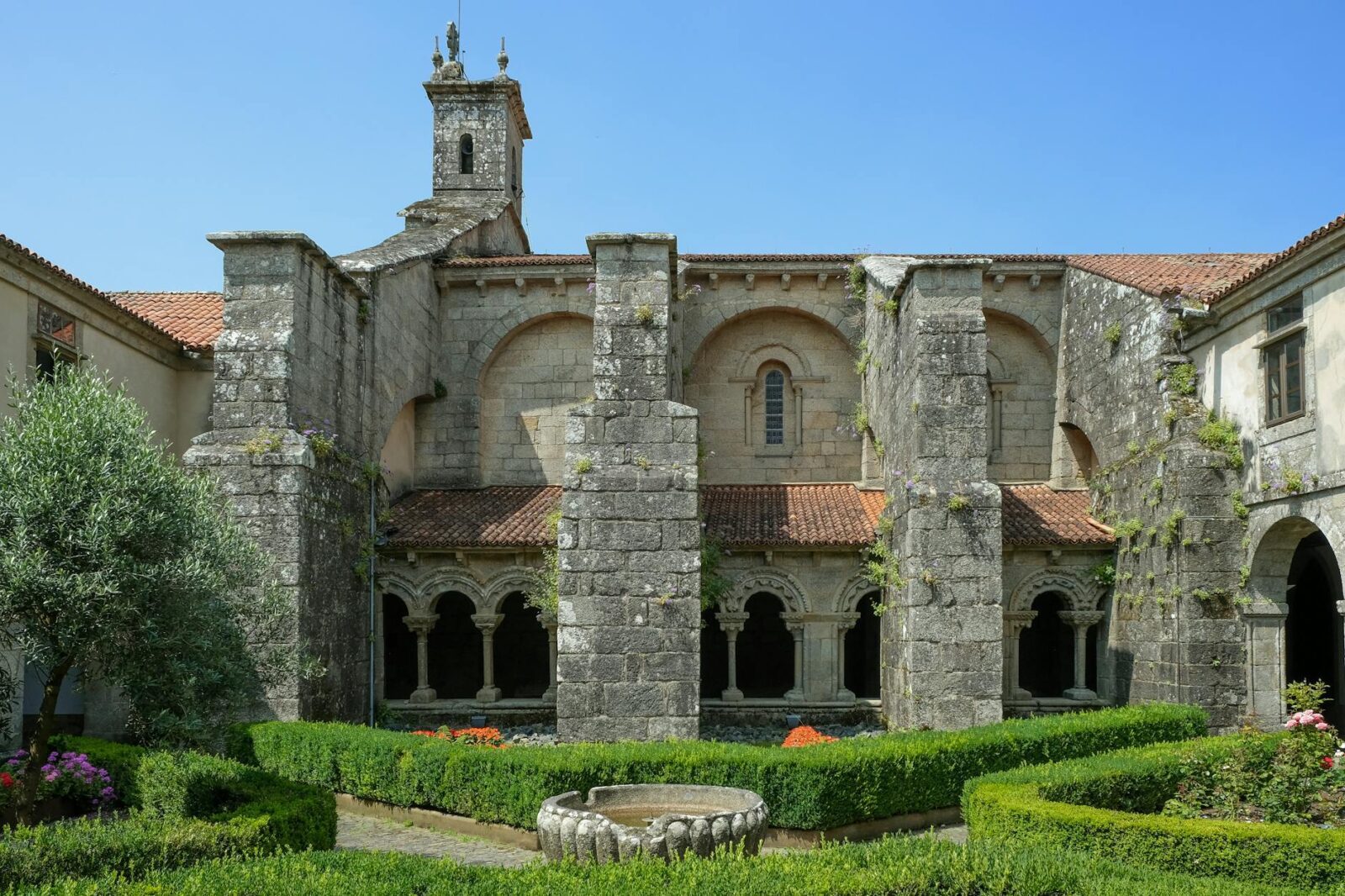
Prague’s Hidden Monastery Gem Joins Luxury Elite
Imagine stepping into a 13th-century monastery in Prague’s fairy-tale streets, where ancient stone walls now promise five-star luxury under the Kempinski banner. This isn’t a dream—it’s reality. Luxury group Kempinski Hotels is acquiring the Augustine Hotel, a historic property next to Waldstein Garden in the Malá Strana district, marking their first acquisition in 55 years since 1970. CEO Barbara Muckermann calls it a vital “proof point” for the company’s strategic shift toward selective ownership in a crowded luxury market.
Travelers worldwide should take note because this move signals a rare chance to experience scarcity-driven luxury in one of Europe’s most romantic cities. Prague already draws millions for its Gothic spires and beer gardens, but Kempinski’s involvement elevates the Augustine from boutique charm to global icon status. Our research shows this acquisition reflects broader trends where brands chase authenticity over mass expansion, perfect for discerning visitors seeking unique stays amid rising demand for heritage properties.
Located in the heart of Prague’s UNESCO-listed old town, the 101-room hotel sits amid cobblestone lanes and baroque palaces. It will close briefly this fall for rebranding, reopening by year’s end under Kempinski’s flag after initial white-label management. Seasoned travelers report that properties like this blend monastic serenity with modern opulence, offering vaulted ceilings, private cloister gardens, and views of the Vltava River.
Breaking Kempinski’s 55-Year Acquisition Silence
Kempinski, Europe’s oldest luxury hotel group founded in 1897, has operated 77 five-star properties across 35 countries without buying outright for over half a century[Wikipedia via sources]. This Prague deal, from an Austrian family-owned holding company, bucks that trend. The price remains undisclosed, but industry watchers peg similar historic acquisitions at $50-100 million USD, depending on renovations needed.
The Augustine Hotel, often linked to Prague’s monastic heritage near Strahov Monastery, has long been a quiet luxury spot. Its acquisition underscores Kempinski’s pivot from asset-light management deals to owning trophy assets. This strategy prioritizes experiential luxury, where guests crave irreplaceable history over cookie-cutter chains, much like Four Seasons snapping up iconic sites in Asia and the Middle East.
For global nomads from Dubai to Delhi, this means Kempinski is betting on scarcity over scale in a post-pandemic world. With luxury travel booming—global high-end hotel rates up 15% since 2023—brands like this one position themselves as exclusive clubs. Travelers planning Europe trips can now book with confidence in Kempinski’s renowned service standards elevating the property.
Why Prague? The Magic of Malá Strana’s Historic Heart
Malá Strana, Prague’s “Lesser Town,” captivates with its 17th-century architecture, hidden courtyards, and proximity to Prague Castle. The Augustine Hotel nestles beside Waldstein Garden, a lush oasis with Renaissance statues and summer concerts. Guests can walk five minutes to Charles Bridge for sunrise views or dine on svíčková—tender beef in cream sauce—at nearby spots like U Modré Kachničky ($25 USD per main).
This district appeals to families from the Philippines, couples from Nigeria, and solo adventurers from India alike. Public trams connect easily to Old Town Square, while Uber rides from Václav Havel Airport cost about $25 USD. Kempinski’s takeover ensures the hotel matches Prague’s allure: think spa treatments in former monk cells and breakfasts overlooking terraced vineyards.
Prague welcomed 8.5 million visitors last year, with luxury segment growing 20% annually. The Augustine’s monastic roots—echoing nearby Strahov Monastery’s library and brewery—add spiritual depth. Renovations will likely preserve frescoes and cloisters, blending Czech heritage with Kempinski’s German precision for stays starting around $400-600 USD per night post-relaunch.
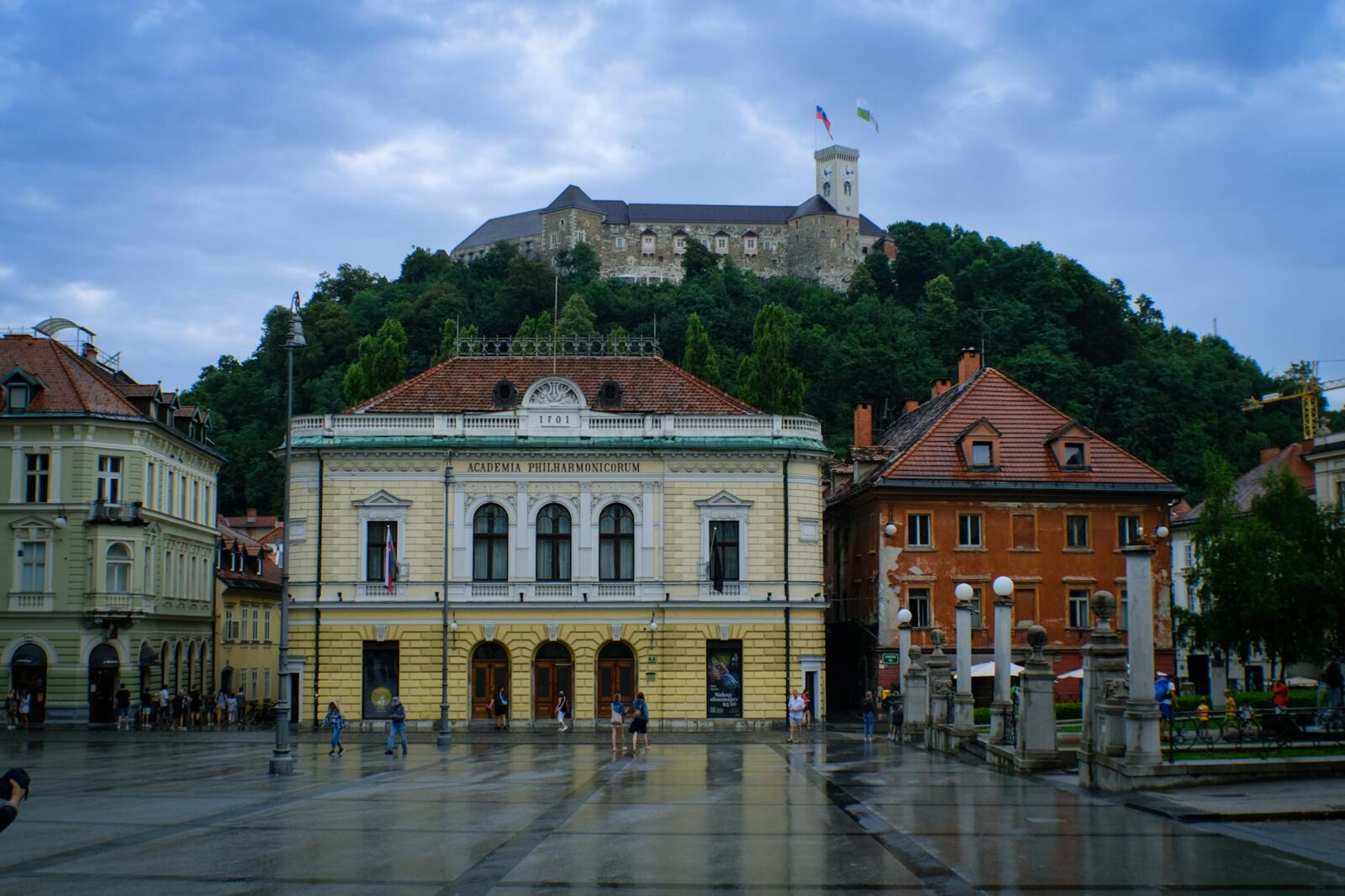
Kempinski’s Bold Shift to Asset-Heavy Luxury
Traditionally asset-light, Kempinski managed properties without ownership, minimizing risk but capping control. Now, acquiring the Augustine signals a hybrid model: own flagships for brand equity while managing others. This mirrors Aman Resorts’ playbook in Bali or Rosewood’s moves in South America, where ownership locks in prime locations amid inflating real estate.
In today’s market, scarcity sells. With Airbnb Luxe and boutique rivals flooding supply, Kempinski’s selectivity creates buzz. CEO Muckermann emphasizes this as the “next phase,” likely sparking more buys in Europe and Asia. For investors from the UAE or Saudi Arabia, it highlights hospitality as a stable asset class, yielding 8-10% annually on premium sites.
Travel experts note this differentiates Kempinski from Hilton or Marriott’s scale-focused growth. By owning history-laden gems, they offer immersive stories—like Prague’s monastic past—that generic towers can’t match. This positions the brand for high-net-worth clients seeking privacy and prestige worldwide.
What Travelers Gain from the Kempinski Touch
Post-acquisition, expect Kempinski hallmarks: personalized butler service, Michelin-guided dining, and spa rituals drawing from local lore. The 101 keys will feature upgraded suites with river views, starting at $450 USD nightly (book early for introductory rates). Families can explore nearby Petřín Hill’s mirror maze ($6 USD entry), while foodies hit the hotel’s cloister restaurant for trdelník pastries twisted fresh ($4 USD).
Practical perks include seamless airport transfers ($30 USD) and loyalty program perks via Kempinski’s Elite Circle. For budget-conscious luxury seekers from emerging markets, shoulder seasons (October-May) slash rates by 30%, with rooms at $300 USD. Combine with a Danube River cruise—packages from Budapest to Prague run $3,500 USD per person including flights.
This upgrade affects everyone eyeing Prague: higher standards mean better value long-term, despite short-term booking hiccups during transition. Early birds secure legacy rates; check official Kempinski sites for updates.
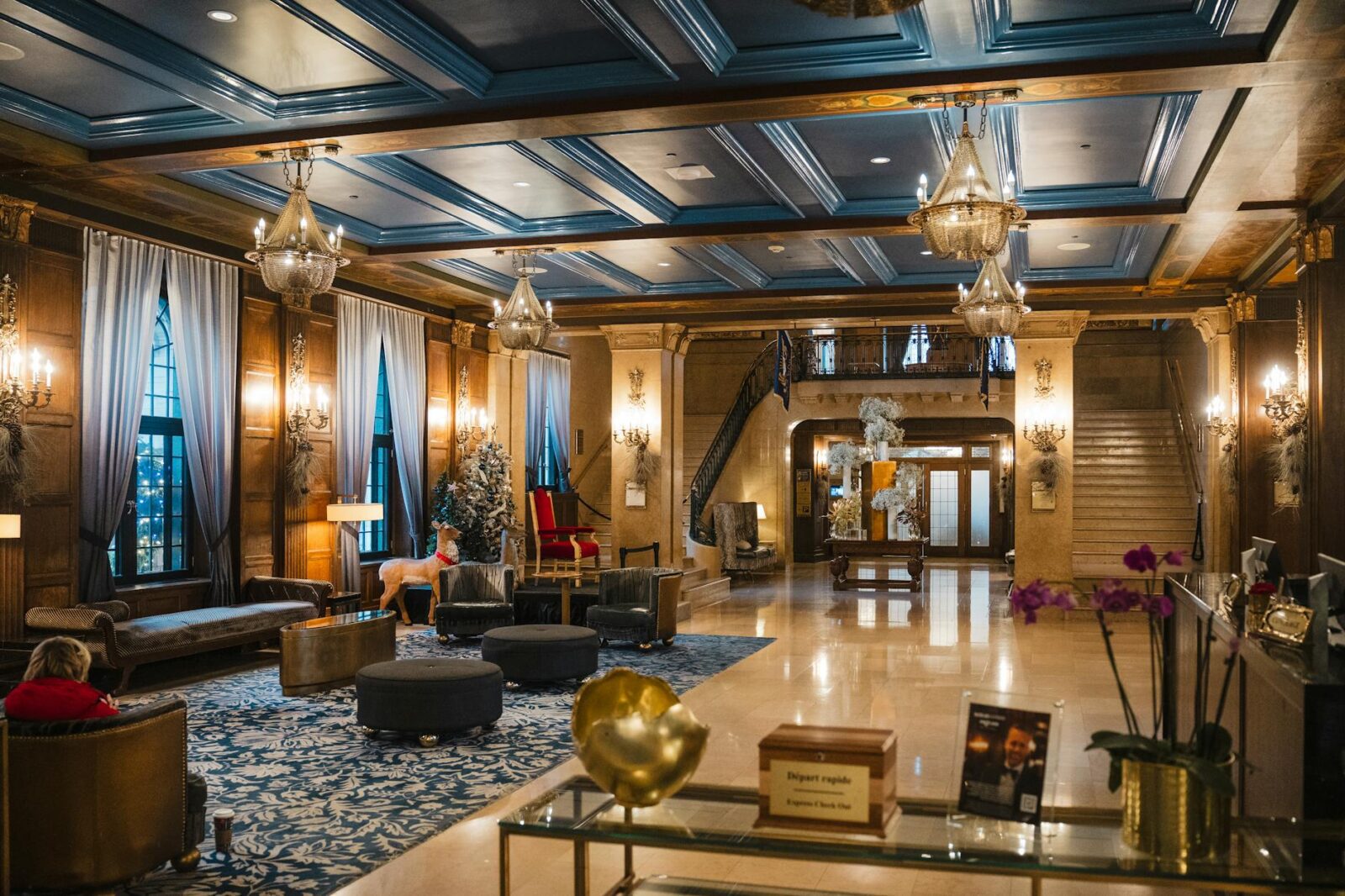
Budget Realities and Smart Planning Tips
Luxury Prague stays average $350 USD nightly, but Kempinski’s prestige may push Augustine rates to $500-800 USD for top suites. Factor in 15% VAT and city tax ($2 USD per person/night). Couples from Asia can save by bundling with rail passes—Prague to Vienna trains cost $40 USD one-way.
Anticipate renovation premiums: post-reopening, expect 10-20% hikes, but introductory packages could offer 15% off. Budget $1,200 USD for a three-night stay with meals ($50 USD daily per person on local spots like goulash at $12 USD). Groups from the Middle East might negotiate event spaces for weddings, leveraging the cloister’s 100-guest capacity.
Pro tip: Use apps like Booking.com for flexible cancellations amid the fall closure. Currency-wise, 1 USD equals 23 CZK; ATMs abound. Adjust for inflation—luxury travel costs rose 12% globally last year—by visiting off-peak and pairing with free attractions like Lennon Wall graffiti strolls.
Future Outlook: More Monastery Makeovers Ahead?
This Prague acquisition foreshadows Kempinski targeting similar heritage sites: think Tuscan abbeys or Moroccan riads. With 77 hotels already, selective buys could double owned assets in five years. Industry trends show 25% of luxury deals now involve historic conversions, per recent reports.
For travelers, this means more authentic options in hotspots like Budapest or Istanbul. Kempinski’s Nymphenburg Palace management in Munich (from $26,250 USD/night) proves their historic expertise. Watch for Asia expansions, appealing to Indian and Chinese high-spenders favoring cultural depth.
Geopolitically stable Czechia benefits, boosting tourism GDP (10% of economy). Expect partnerships with local breweries—Prague’s monastic beer tradition thrives at Strahov. Long-term, this cements Kempinski as the go-to for worldly explorers craving history-infused luxury.
FAQ: Your Prague Kempinski Questions Answered
When does the Augustine Hotel reopen under Kempinski? The deal closes this fall 2026, with a short white-label phase before full Kempinski branding by year-end. Bookings may pause briefly; monitor kempinski.com for exact dates. This timeline aligns with Prague’s high season buildup.
How much will rooms cost after the acquisition? Expect $400-700 USD per night for standards, up to $1,200 USD for suites, based on comparable Kempinski properties. Introductory deals could start lower; compare with Prague averages of $350 USD. Add taxes for true totals.
Is the Augustine really a former monastery? Yes, tied to Prague’s Augustinian heritage near Strahov Monastery, featuring cloister elements and historic stonework. Kempinski will preserve these for authentic stays, much like their High Tatras project.
What’s the best way to visit Prague around this news? Fly into Václav Havel Airport, stay in Malá Strana for castle access. Use public transport ($1.50 USD/day pass) and book multi-day passes for savings. Pair with day trips to Český Krumlov ($20 USD bus).
Will this affect other Kempinski plans globally? Likely yes—this “proof point” signals more owned assets in Europe and beyond. Recent Munich palace deal shows their historic focus. Travelers in Asia or Africa may see similar announcements soon.
Stay informed with the latest travel news, visa updates, and destination guides. Follow HimalayanCrest.com for weekly travel intelligence delivered by our editorial team.