

Sun-Kissed Waves Crashing on Hidden Shores
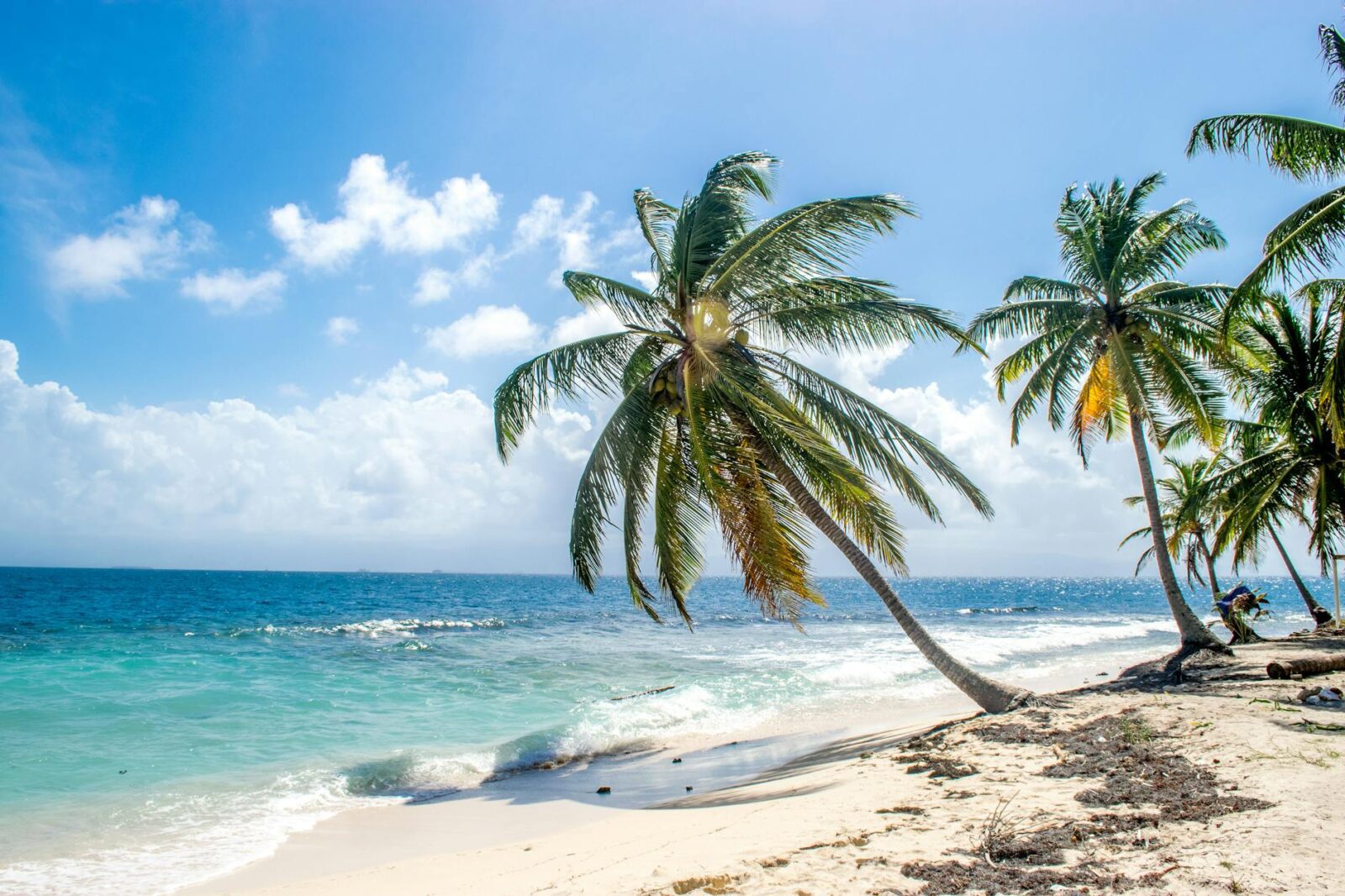
The salty breeze carries the faint aroma of fresh coconut and sizzling fish as you step onto the powdery white sand of a Maldivian local island. Waves lap gently at your feet, turquoise water stretching endlessly under a sky painted in sunset oranges, while distant calls to prayer echo from a nearby mosque. This isn’t some overpriced resort fantasy—it’s the real Maldives, alive with the hum of fishing boats and the laughter of locals sharing stories over steaming plates of mas huni. After weeks weaving through these atolls, I’ve discovered that budget travel here unlocks an authentic paradise far richer than any luxury villa.
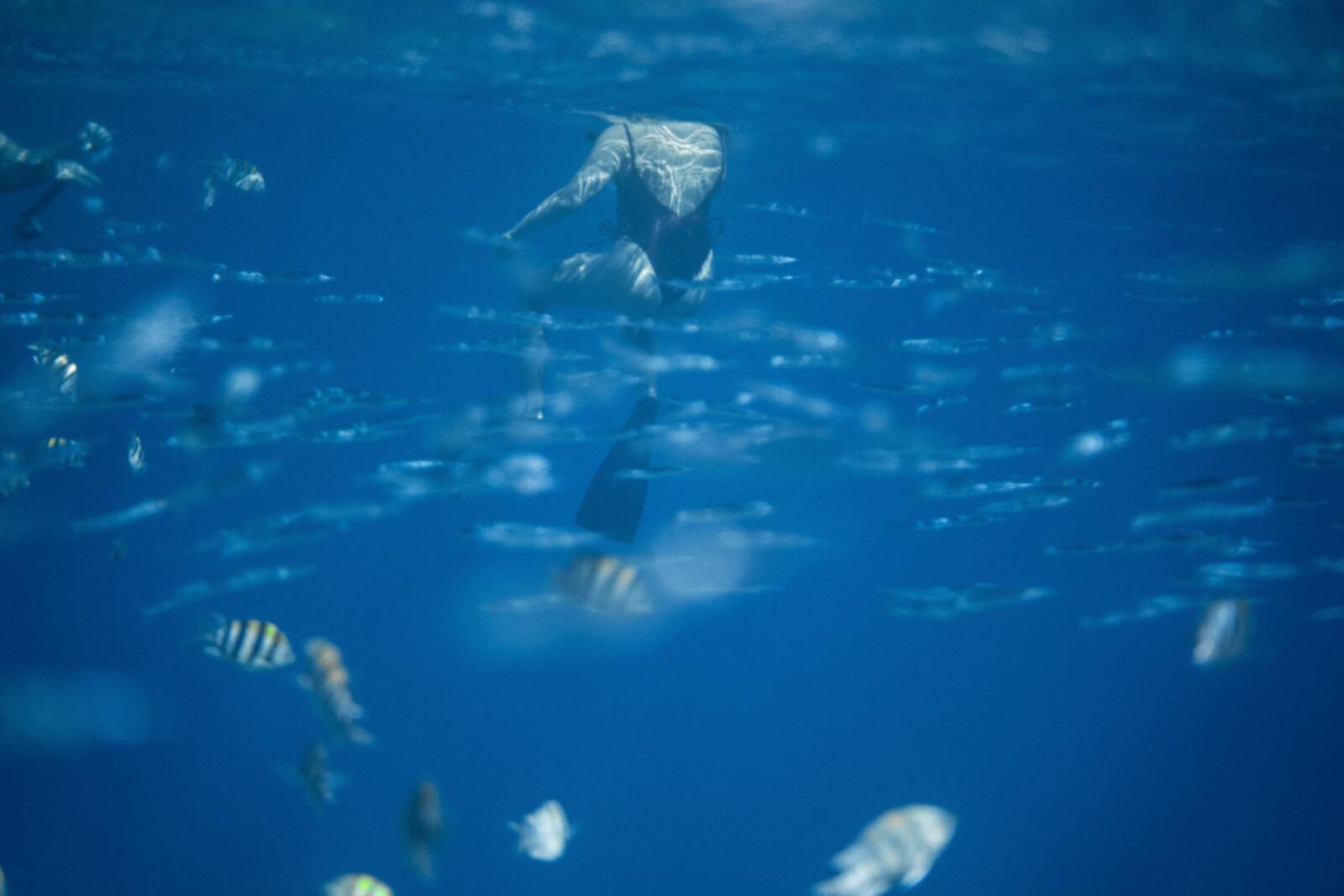
Picture yourself snorkeling among vibrant coral reefs teeming with parrotfish and turtles, the water so clear you can see your shadow on the sandy bottom below. Evenings bring the sizzle of street-side grills where fresh-caught reef fish drips with chili and lime, paired with a cold coconut water for just a few dollars. Our research shows savvy travelers are flocking here now, proving that the Maldives’ iconic beauty doesn’t demand a fortune—it’s possible for under $50 a day if you know the local secrets.
These islands pulse with sensory delights: the crunch of fresh papaya underfoot in morning markets, the rhythmic thud of waves against wooden dhonis, and the golden glow of bioluminescent plankton lighting up night swims. Seasoned travelers report that staying local immerses you in Maldivian life, from bargaining for handmade crafts to joining impromptu beach volleyball games with residents. This guide draws from real costs and routes, helping you craft a trip that’s as unforgettable as it is affordable.
Why the Maldives Calls Budget Travelers in 2026
Right now, the Maldives beckons like never before, with tourism dipping amid global tensions in West Asia, creating fewer crowds and better deals on local islands. Resorts still sparkle for the ultra-wealthy, but local guesthouses have slashed rates to $30-80 per night, and ferries chug along for pennies compared to speedboat splurges. Our on-the-ground insights reveal that while luxury headlines dominate, budget options on islands like Maafushi and Hulhumalé offer 90% of the magic at 20% of the cost.
Travel experts note a shift: post-pandemic, visitors crave authentic experiences over isolated resorts, and local islands deliver with bustling tea shops, reef tours for $25, and sandbank picnics under swaying palms. Costs have stabilized in 2026, with USD cash still king for dodging fees—bring plenty, as ATMs can be finicky. This moment is perfect for value seekers from India, Nigeria, or the Philippines, where direct flights make it more accessible than ever.
Geopolitical ripples mean quieter beaches, but the economy relies heavily on tourism, so locals welcome budget guests warmly. We’ve seen deals pop up on platforms for guesthouses bundling meals and snorkel gear, turning potential overnighters into week-long stays. Don’t miss this window—the real Maldives, with its crystal lagoons and spice-scented air, awaits those bold enough to skip the all-inclusive trap.
Timing Your Trip: Chase Dry Skies and Fewer Raindrops
The best time to visit for budget paradise is the dry season from November to April, when skies stay mostly clear and temperatures hover at a balmy 82-86°F (28-30°C). January to March offers peak perfection: calm seas for snorkeling, minimal rain, and lower humidity that lets you explore without constant sunscreen reapplications. Avoid May to October’s southwest monsoon, when sudden downpours and choppy waters can cancel ferries—though shoulder months like May or November slash guesthouse rates by 20-30%.
Month-by-month, December brings festive vibes with holiday lights on Malé’s waterfront, but book early as Europeans arrive. February is ideal for South Asians escaping winter, with steady sun and ferry schedules running like clockwork. March mirrors February’s bliss, while April edges into rainy season but offers the cheapest flights and stays—perfect if you’re flexible with occasional showers that clear to rainbow-streaked skies.
Honest weather truth: even in dry months, brief afternoon showers are common, so pack a lightweight poncho. Locals swear by checking ferry schedules weekly, as Fridays halt public boats for prayer—plan around that. For global travelers, align with off-peak from your region: UAE visitors love December’s warmth, while Filipinos find June-July bargains despite humidity.
Smart Stays: From Pods to Beachfront Gems
Budget stays shine on local islands near Malé—think $30-50/night for clean guesthouse rooms with fans and shared baths, like those in Hulhumalé’s modern vibe or Malé’s Nap Corner pods at $20. Hulhumalé feels like a mini-city with rooftop views over lagoons, wide beaches for free swims, and cafes buzzing till late. Maafushi, a backpacker hub, offers $35-50 rooms steps from bikini beaches (a rarity on modest local isles), with guesthouses bundling breakfasts of flatbread and tuna curry.
Mid-range picks ($80-150/night) elevate comfort on Thulusdhoo or Rasdhoo, where air-conditioned rooms overlook surf breaks and house reefs—perfect for longer stays. Luxury on a budget ($200+) means private beach villas on quieter spots like Dharavandhoo, still half resort prices with infinity pools and on-site dives. Always choose guesthouses over resorts for free filtered water, tour desks saving 30% on activities, and homey vibes like evening bonfires.
Pro tip: Book via apps for flexible cancels, and opt for places with bikes ($5/day) to zip around car-free islands. Travelers from Asia report Hulhumalé’s high-rises give urban energy, while Maafushi’s bars (one of few) add nightlife without excess. Stay local to dodge resort “island fees” and immerse in daily life—from dawn fishing to sunset chats.
Unmissable Adventures: Reefs, Sharks, and Sandbanks
Snorkeling house reefs off Maafushi steals the show—dive in for free from beaches, spotting colorful fish darting through corals just 20 meters offshore; it’s honest magic without $100 tours. Shark and stingray excursions ($25-40) from guesthouses deliver thrills: knee-deep sandbars where nurse sharks glide curiously close, their sandpaper skin brushing your legs amid giggles. Turtle spotting tours ($30) on calmer days reveal gentle giants munching seagrass, a peaceful contrast to adrenaline rushes.
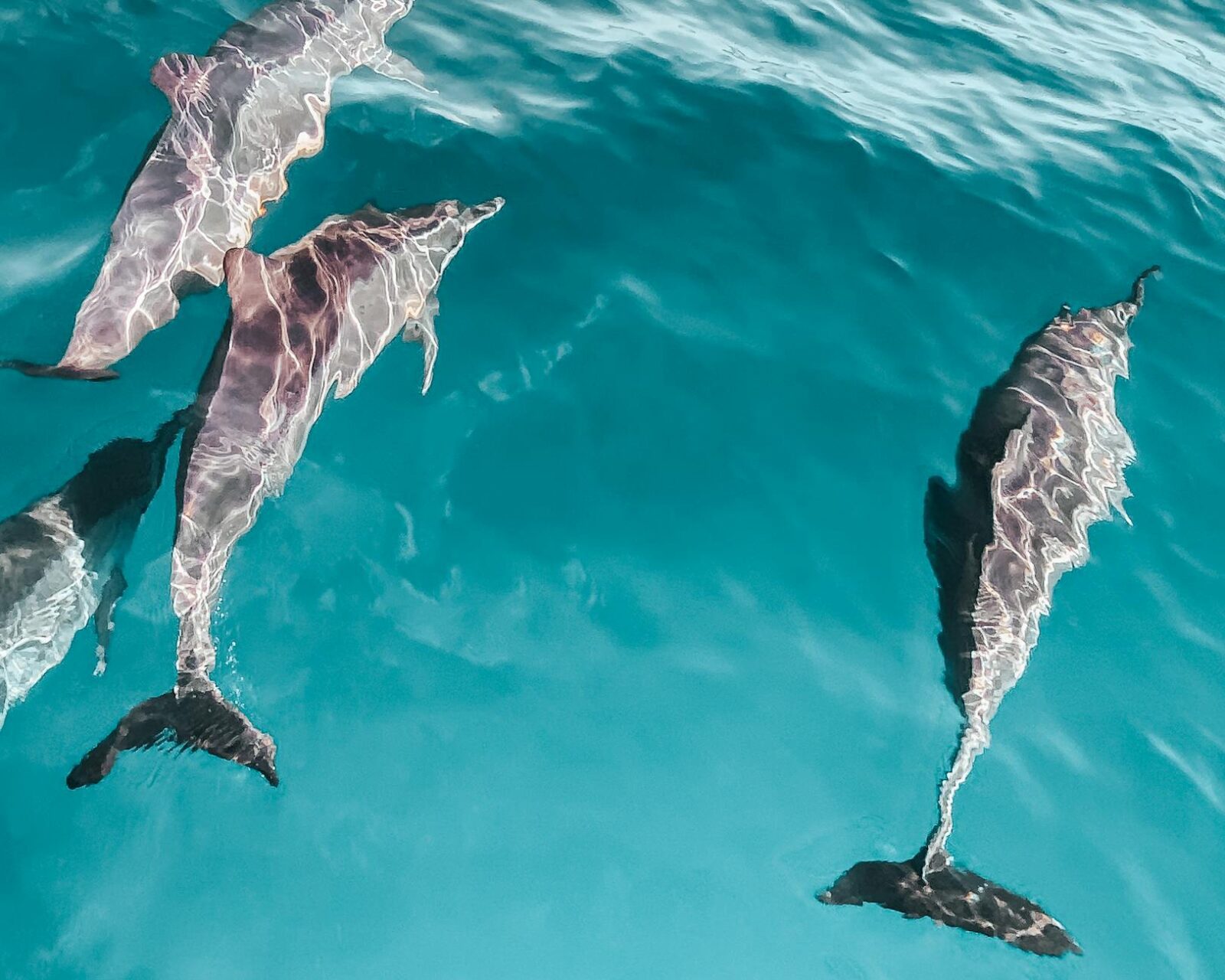
Island hopping via public ferries ($1-5) unveils hidden gems like Thulusdhoo’s surf waves or Dharavandhoo’s pristine beaches—slow rides let you watch dolphins leap alongside. Sandbank picnics ($20 including lunch) are pure bliss: powdery spits in the lagoon for lounging, with fresh fruit and grilled fish under palm umbrellas. Honestly, skip pricey resorts’ glass-bottom boats; local dhonis offer intimate, cheaper access to the same blues.
Our experts favor bundling via guesthouses for $50 full-day trips covering multiple sites—value unmatched. Nighttime plankton swims glow like stars underwater, free on many beaches. These aren’t checklists; they’re sensory feasts—the ocean’s roar, salt on your skin, shark silhouettes at dusk—that make budget travel legendary.
Savoring Local Flavors: Spice and Sea at Street Stalls
Maldivian cuisine bursts with fresh seafood—must-try mas huni, shredded tuna with coconut and chili wrapped in roshi flatbread, costs $3-5 at Maafushi’s beach cafes, its spicy kick pairing perfectly with black tea ($1). Hedhikaa snacks like theluli mas (spicy fish cakes) sizzle at Malé’s tea shops, aromas wafting as locals chat; grab a plate for $2 amid market bustle. Kulhi borkiba, tender octopus curry with rice, hits $4-6, best from guesthouse cooks using dawn catches.
Food hubs cluster on Maafushi’s main drag and Hulhumalé’s waterfront, where grills smoke with reef fish slathered in lime and curry leaves—expect $10-20/day total. Fresh juices like passionfruit or watermelon quench thirst for $2, while coconuts straight from palms cost $1. Vegetarian options abound: eggplant curry and breadfruit chips satisfy plant-based palates from India or the Philippines.
Drink local coffee from roadside stalls, thick and sweet, or rare beers on Maafushi’s bikini beach bar ($5). Avoid resort markups; street eats are safer, fresher, and half the price. Evenings, join communal iftars during Ramadan for shared feasts—hospitality at its finest.
Arrival and Navigation: Ferries, Visas, and USD Breakdown
Fly into Velana International (MLE) near Malé—budget flights from Dubai, Colombo, or Manila start low; from there, $1.50 ferry to Malé, then public ferries ($1-5) or speedboats ($20-60) to islands. Visa on arrival is free for most (30 days, check travel.state.gov for your nationality), no fees beyond $50 Green Tax for resort islands (skip by staying local). Bring USD cash—cards add 5-10% fees.
Getting around: Public ferries are scenic steals ($2-5, schedules online), speedboats for speed ($25-75). 10-day budget: flights aside, $450-700 total—accommodation $350 ($35/night), food $150 ($15/day), transfers $100, activities $150. Daily average: $45-70. Cargo ferries to far isles like Dharavandhoo run $25 for 8 hours.
Plan ferry routes from Malé hub; Fridays skip. Taxis on Hulhumalé: $3-5. This system keeps costs grounded, letting more dollars fuel adventures.
Blending In: Customs, Pitfalls, and Insider Etiquette
Maldives is 100% Muslim—cover shoulders/knees off bikini beaches (designated areas only), respect Friday prayers when shops close. Greet with “Assalaamu alaikum,” remove shoes entering homes, and ask before photographing people. Common mistake: assuming resort rules apply—locals appreciate modest swimwear and no public affection.
Avoid overpaying taxis by confirming fares upfront; haggle gently at markets for souvenirs like cowrie shells. Bring DEET for mosquitoes, snacks for kids, and reusable bottles—filtered water’s free. Tourism crisis means your dollars matter; support locals over imports.
Pro: English is widespread. Pitfall: Unreliable ferries—have speedboat backup. Embrace slow pace for richer connections.
FAQs: Answering What Travelers Really Google
Is the Maldives safe for solo female travelers on a budget? Yes, local islands like Maafushi and Hulhumalé are welcoming and low-crime; stick to guesthouses, use common sense at night, and join group tours. Women report feeling secure, with modest dress earning respect.
What’s the cheapest way to island-hop? Public ferries at $1-5 per ride—check schedules for Malé connections, avoiding Fridays. Speedboats cost more but save time; guesthouses book combos cheaply.
Do I need vaccinations or malaria pills? No malaria, but hepatitis A/B and typhoid recommended (check CDC). Routine shots suffice; DEET repels mosquitoes.
Can vegetarians eat affordably? Absolutely—curries, roshi, fruits abound for $10/day. Specify “no fish” at eateries.
How much for a 7-day budget trip excluding flights? $350-500: $30/night stays, $15 food, $100 transfers/activities. USD cash maximizes savings.
Unlock Your Maldives Dream Today
Dive into this turquoise wonder without draining your wallet—the Maldives’ local soul, from reef whispers to spice-filled feasts, redefines affordable luxury. We’ve shared the routes, rates, and rhythms from weeks on these sands; now it’s your turn to chase those waves. Share your budget hacks in comments—what island surprised you most? Tag friends dreaming of paradise and repost to spread the real deal.
Stay informed with the latest travel news, visa updates, and destination guides. Follow HimalayanCrest.com for weekly travel intelligence delivered by our editorial team.