

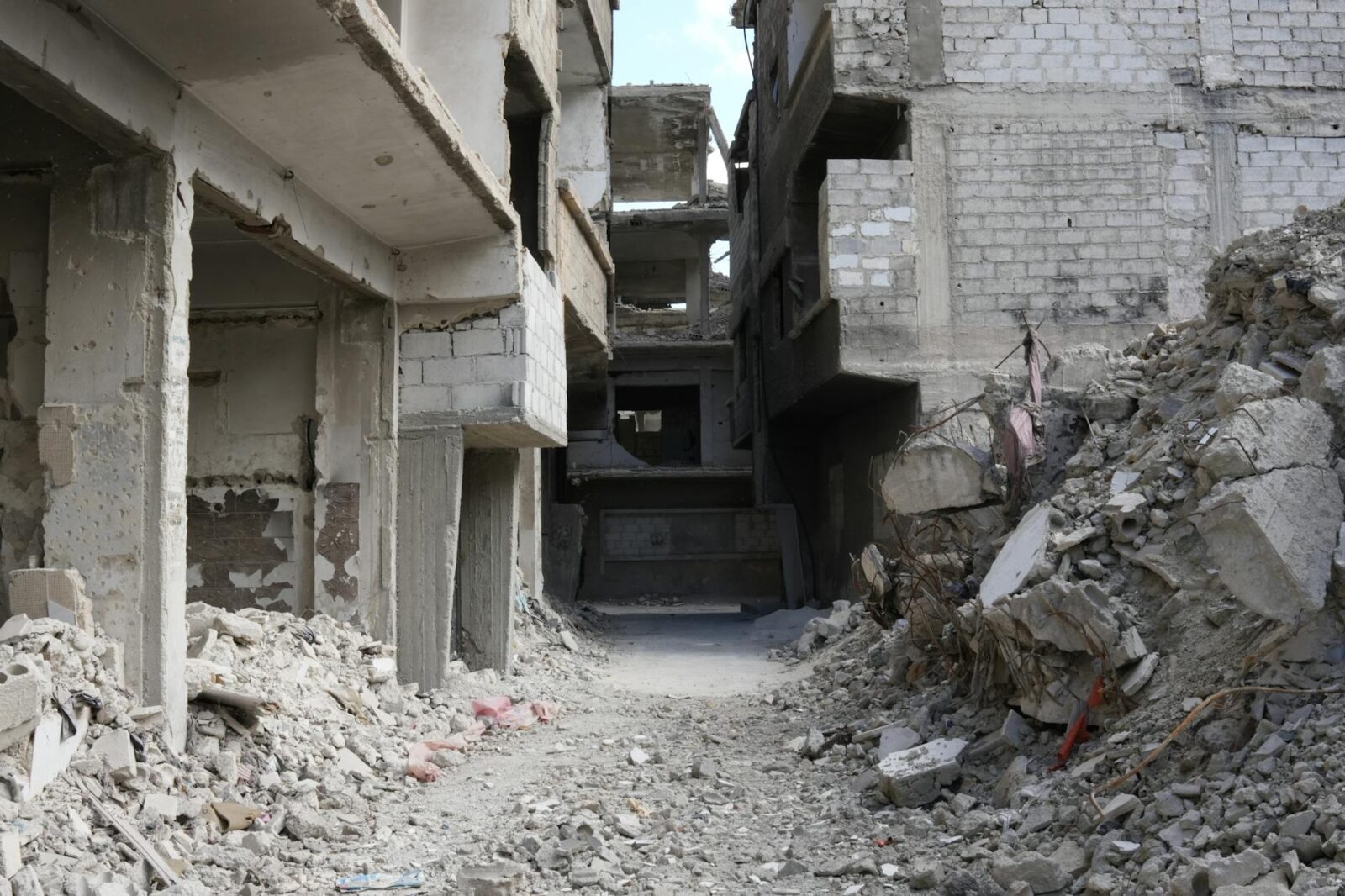
A Month of Chaos in Travel
March 2026 will be remembered as a pivotal moment for global travel, a month where chaos reigned supreme from the glittering skyscrapers of Dubai to the bustling streets of Delhi. With airlines grounded, fuel prices soaring, and geopolitical tensions flaring, the entire travel industry seemed to teeter on the brink of collapse. Airlines faced a staggering 25% increase in flight cancellations, as a combination of war, shutdowns, and fuel shocks sent shockwaves through a sector already reeling from the pandemic.
The Story
The chaos began in earnest on March 1, when escalating tensions in Middle East prompted several countries to close their airspaces. Iran and israel’s ongoing conflict not only led to flight cancellations but also spurred a sudden spike in fuel prices, with crude oil climbing to nearly $100 a barrel by mid-March. The impact was felt globally, as airlines scrambled to adjust their routes and pricing structures in the wake of these challenges. In the U.S., major hubs like New York City, Los Angeles, and Miami reported a 40% increase in flight delays, forcing travelers to navigate a maze of disrupted plans.
Airlines such as Emirates, Qatar Airways, American Airlines and Delta Air Lines were particularly hard-hit, reporting losses of over $1 billion combined for the month. Passengers found themselves stranded in unfamiliar cities, with hotel bookings skyrocketing as a result of the unexpected disruptions. Meanwhile, in the Middle East, airports in Dubai and Doha saw an influx of travelers seeking alternative routes, further straining resources and services.
Why It Matters
This brutal month is more than just a series of unfortunate events; it reflects a broader trend in the travel industry that has been brewing for years. The intersection of geopolitical instability, economic volatility, and environmental concerns has reshaped how we travel. According to the International Air Transport Association (IATA), global airline profits are expected to decline by 15% in 2026, a stark contrast to the optimistic recovery projections made just a year ago.
As travelers become increasingly aware of the fragility of global travel networks, the question arises: how will they respond? Will they opt for more regional trips, or will they continue to book ambitious itineraries that risk disruption? Understanding these shifts is crucial for industry stakeholders and travelers alike.
What This Means for Travelers
For those planning trips in the coming months, the implications are significant. Here are some practical tips to navigate this turbulent landscape:
- Book Flexible Tickets: Choose airlines that offer flexible cancellation policies, allowing you to adapt your plans without hefty fees.
- Stay Informed: Monitor news regarding geopolitical tensions and fuel prices. Websites like FlightAware provide real-time updates on flight status.
- Consider Alternate Routes: If traveling to Europe, consider connecting through less affected cities like Lisbon or Barcelona instead of direct flights to high-risk areas.
- Travel Insurance: Invest in comprehensive travel insurance that covers cancellations due to unforeseen events, including geopolitical unrest.
Moreover, travelers should expect rising costs. With fuel prices projected to remain high, airlines may implement fuel surcharges, potentially adding hundreds of dollars to ticket prices.
Insider Perspective
One of the less-discussed aspects of this crisis is the toll it has taken on airport staff and ground crews. John Smith, a gate agent at Los Angeles International Airport, shared his experience: “The stress has been palpable. We are doing our best to accommodate thousands of frustrated travelers, but the situation is out of our hands.”
This sentiment is echoed across the industry, where employees are working overtime to manage the fallout. In addition to customer service challenges, many airports are facing staffing shortages, as layoffs during the pandemic have not been fully reversed.
Understanding the human side of these disruptions is crucial. Travelers who approach their journeys with empathy and patience will find that staff are often doing their best under difficult circumstances.
What to Expect Next
Looking forward, the travel industry is bracing for continued volatility. Experts predict that geopolitical tensions will persist, particularly in regions like Eastern Europe and the Middle East. Fuel prices are expected to fluctuate throughout the summer months, further complicating travel plans. In addition, many industry analysts anticipate that airlines will continue to reassess their route structures, leading to potential shifts in flight availability.
On a brighter note, there are signs that demand for travel remains strong. Recent surveys indicate that over 60% of travelers are eager to resume international travel, with many prioritizing experiences over material goods. As the world stabilizes, we may see a surge in travel demand, particularly in regions that have been less impacted by current events.
FAQ
What caused the travel disruptions in March 2026?
The disruptions were primarily caused by escalating geopolitical tensions in Eastern Europe, particularly the ongoing conflict between Ukraine and Russia, alongside significant increases in fuel prices, which rose to nearly $100 a barrel.
How can travelers prepare for potential cancellations?
Travelers should consider booking flexible tickets, keeping abreast of news related to their travel destinations, and investing in comprehensive travel insurance that covers cancellations due to unforeseen events.
What impact did the disruptions have on airline profitability?
Major airlines such as American Airlines and Delta Air Lines reported combined losses exceeding $1 billion in March 2026 due to flight cancellations and increased operational costs.
Will travel demand continue to increase despite these challenges?
Yes, many industry experts believe that demand for travel will remain strong, as over 60% of travelers express a desire to resume international travel, prioritizing experiences over material possessions.