


A Surprising Threat in South East England’s Forests
As the warm weather of spring heralds the arrival of summer, a less welcome visitor makes its presence known in the oak forests of South East England: the oak processionary moth (OPM). These caterpillars, famous for their head-to-tail processions, may look fascinating, but they pose significant risks to both oak trees and humans. The UK Forestry Commission has issued a strong warning, urging the public to stay vigilant and report sightings as the peak season for these pests begins.
Understanding the Oak Processionary Moth
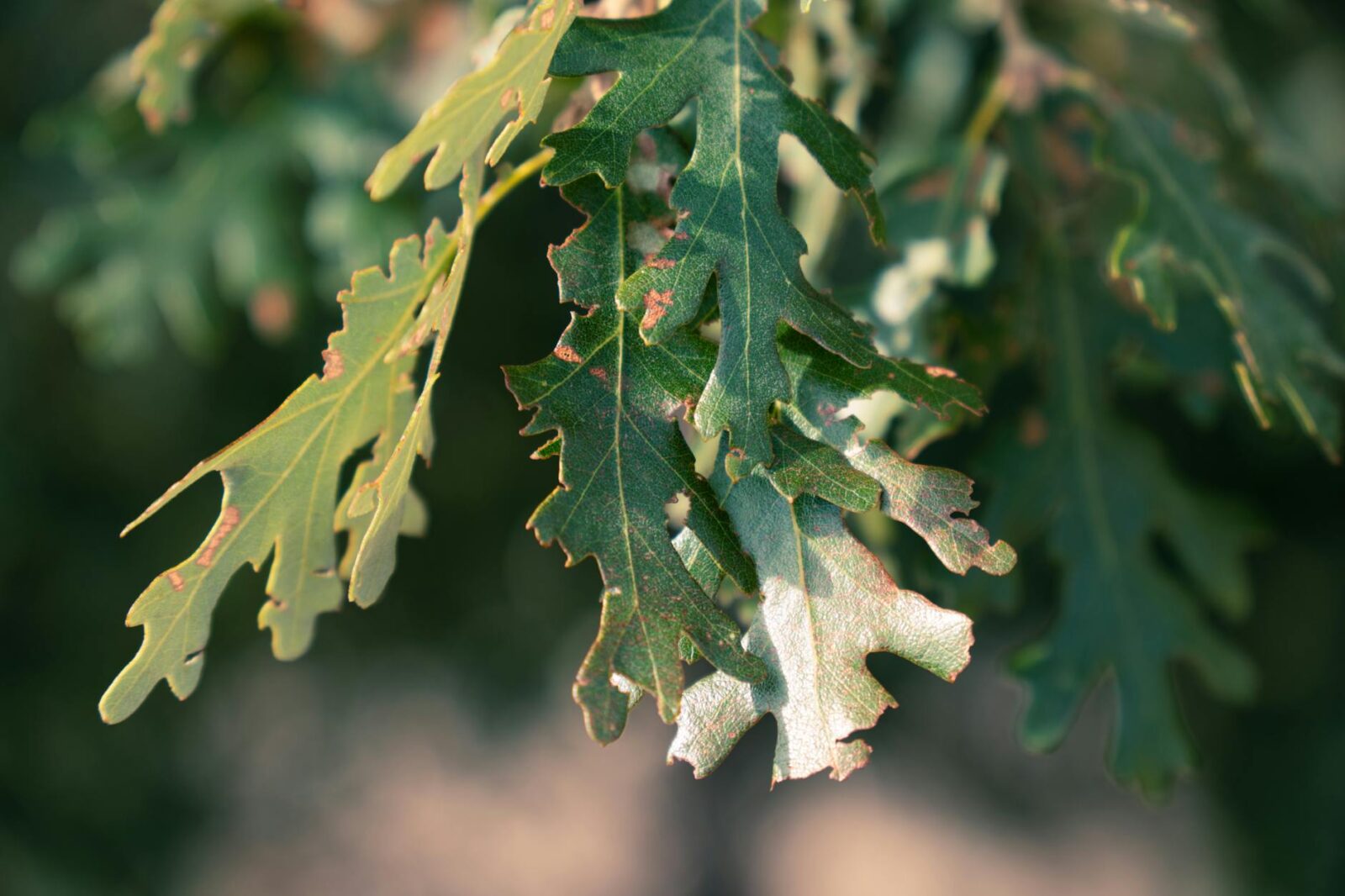
The oak processionary moth caterpillars primarily inhabit the oak trees in South East England. They descend in large groups, feeding on the leaves, which can severely weaken the trees, making them more susceptible to diseases. This has a ripple effect on the local ecosystem, as healthy oak trees are crucial for the survival of various bird species and other wildlife.
What makes these caterpillars particularly dangerous are the long hairs covering their bodies. These hairs can cause severe itching, rashes, and even respiratory problems in humans. As such, authorities advise avoiding any contact with the caterpillars or their nests, which appear as silky white structures on the trunks or branches of oak trees.
Public Advisory: Stay Vigilant and Report Sightings
The Forestry Commission has set up platforms for the public to report sightings of the OPM. If you encounter these caterpillars or their nests, you should immediately report them via the TreeAlert portal or by emailing [email protected]. Do not attempt to touch or remove the nests yourself, as they also contain the irritating hairs.
Furthermore, the public is encouraged to educate children about the dangers of these caterpillars, as their peculiar appearance often piques curiosity. Teaching children to maintain a safe distance can prevent unwanted exposure and potential health issues.
Comparing Global Approaches to Similar Pest Threats
Globally, different countries have adopted various strategies to manage pest threats similar to the oak processionary moth. For example, in Australia, authorities use a combination of monitoring and controlled pesticide use to manage the processionary caterpillar populations. In contrast, countries like Germany focus on biological control methods, employing natural predators to keep the populations in check.
The UK’s approach involves public awareness and reporting, coupled with targeted interventions by trained professionals to handle the nests safely and effectively. This multi-pronged strategy aims to minimize the health risks while preserving biodiversity.
Impact on Tourism and Local Communities
The presence of oak processionary moths can impact tourism, especially in areas known for their natural beauty and outdoor activities. Visitors are advised to be aware of the potential risks and to follow local guidelines to ensure their safety. Local communities, especially those in the forestry and tourism sectors, may experience disruptions during the peak season as efforts to manage the infestation intensify.
For expatriates and new residents in the UK, understanding the risks associated with OPM is crucial, particularly if they reside in affected areas. Staying informed and adhering to safety recommendations can help them enjoy the natural surroundings without encountering health hazards.
Protecting Your Pets from Oak Processionary Moth
Pets, much like humans, can be affected by the hairs of the oak processionary moth caterpillars. Pet owners should keep their animals away from infested areas and monitor them for any signs of irritation. If a pet does come into contact with the caterpillars or nests, it is advisable to seek veterinary assistance immediately to prevent complications.
Taking preventive measures, such as keeping dogs on a leash during walks in wooded areas and avoiding known infested zones, can significantly reduce the risk of exposure.
Future Outlook: What Lies Ahead?
With climate change potentially altering the lifecycle of many pests, including the oak processionary moth, ongoing research and adaptive management strategies will be essential. The Forestry Commission continues to study the moth’s behavior and environmental impact, aiming to develop more sustainable control methods.
As the situation evolves, staying informed and engaged with local environmental agencies will be crucial for residents and visitors alike. Being proactive in reporting sightings and following safety guidelines will help mitigate the risks associated with this invasive species.
FAQs About Oak Processionary Moth
What should I do if I find an oak processionary moth nest?
If you find a nest, do not touch or try to remove it. Report it through the TreeAlert portal or email [email protected] for professional handling.
Are there health risks associated with these caterpillars?
Yes, the caterpillars’ hairs can cause skin rashes, eye and throat irritation, and respiratory problems in both humans and pets.
How can I protect myself and my family?
Avoid areas where OPM infestations are reported, educate children about the risks, and ensure pets are kept away from affected areas.
Why are these caterpillars a concern for oak trees?
OPM caterpillars feed on oak leaves, weakening the trees and making them more susceptible to other stresses and diseases.
Where can I find more information?
For more details, visit the Forestry Commission’s website on managing oak processionary moth in England.
Stay informed with the latest travel news, visa updates, and destination guides. Follow HimalayanCrest.com for weekly travel intelligence delivered by our editorial team.