

China’s Sky-High Ambitions
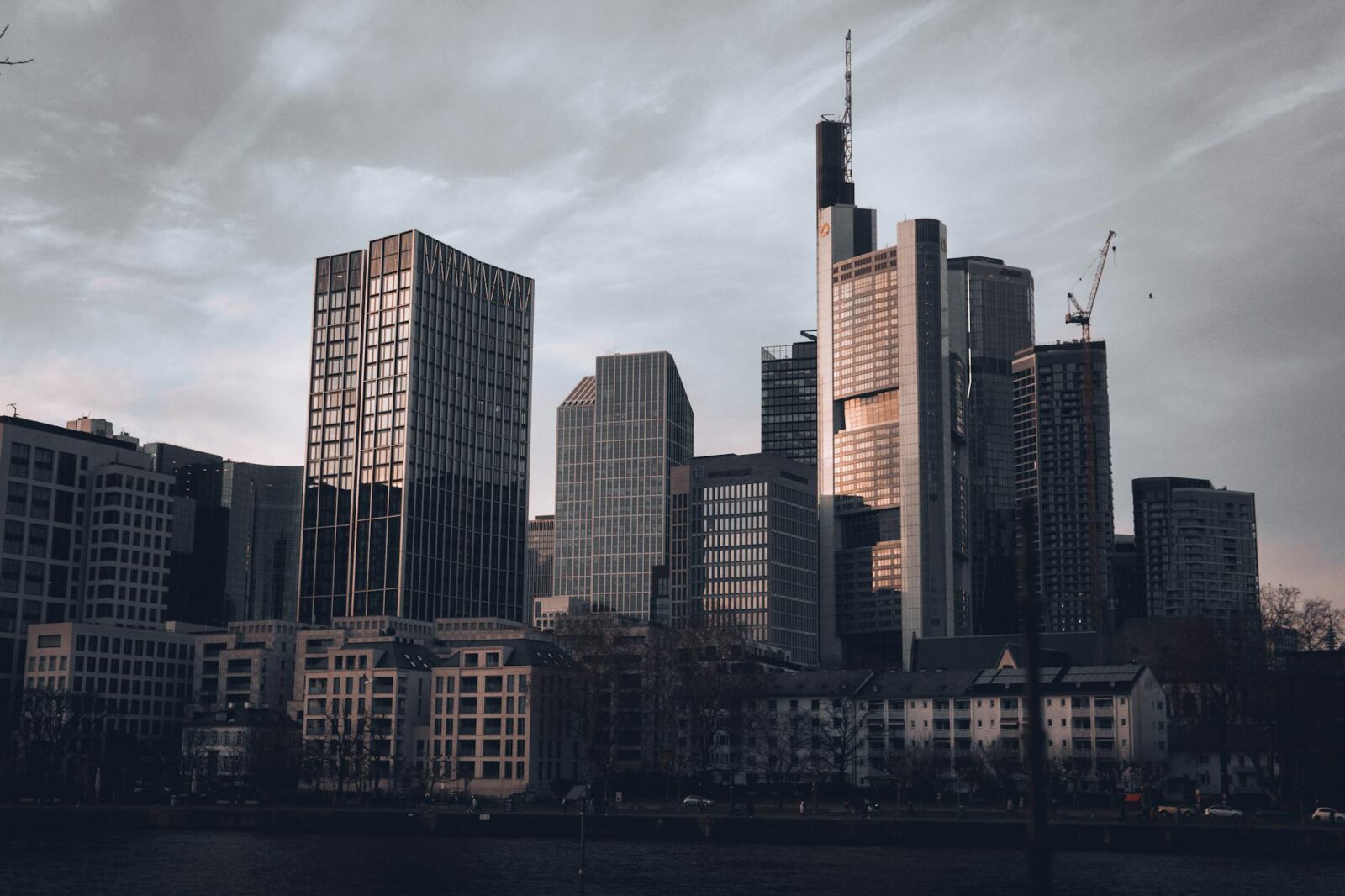
China leads the world in skyscraper construction with an astounding 28 cities boasting at least 30 skyscrapers each. The nation’s rapid urbanization and economic growth have fueled this architectural boom. The skyline of cities like Shenzhen and Shanghai is a testament to China’s ambition, with towering structures piercing the clouds. China’s focus on vertical expansion is not just about aesthetics; it addresses land scarcity and urban population density.
Travelers to China can marvel at these engineering feats, from the Shanghai Tower, the world’s second-tallest building, to the innovative Guangzhou CTF Finance Centre. Visitors can enjoy breathtaking views from observation decks or dine in sky-high restaurants. The integration of green technology in these skyscrapers is also noteworthy, showcasing China’s commitment to sustainable urban living.
United States: The Land of the Skyscraper Pioneers
While China may have taken the lead, the United States remains a pioneer in skyscraper history. Cities like New York and Chicago are synonymous with the birth of the modern skyscraper. The iconic Empire State Building and the Willis Tower are just a couple of examples of America’s enduring architectural legacy. The U.S. has five cities with at least 30 skyscrapers, reflecting its historical and economic significance.
For travelers, the U.S. offers a blend of old and new. In New York, one can explore the Art Deco marvels alongside contemporary glass towers like One World Trade Center. Chicago’s skyline, known for its architectural diversity, is a playground for enthusiasts eager to learn about skyscraper design evolution. The blend of history and innovation makes the U.S. a captivating destination for architecture lovers.
South Korea’s Vertical Surge
South Korea is emerging as a powerhouse in skyscraper construction, with Seoul at the forefront. The Lotte World Tower, standing at 555 meters, is the fifth tallest building in the world and a symbol of South Korea’s modernity and economic prowess. The country’s focus on technology and design has led to a skyline that is both futuristic and functional.
Visitors to South Korea can experience the vibrant city life from high above, with many skyscrapers offering observation decks and cultural attractions. The integration of technology in these buildings, from smart elevators to energy-efficient systems, enhances the visitor experience. South Korea’s commitment to innovation is evident in its urban landscapes, making it a must-visit for tech-savvy travelers.
Japan’s Seismic Marvels
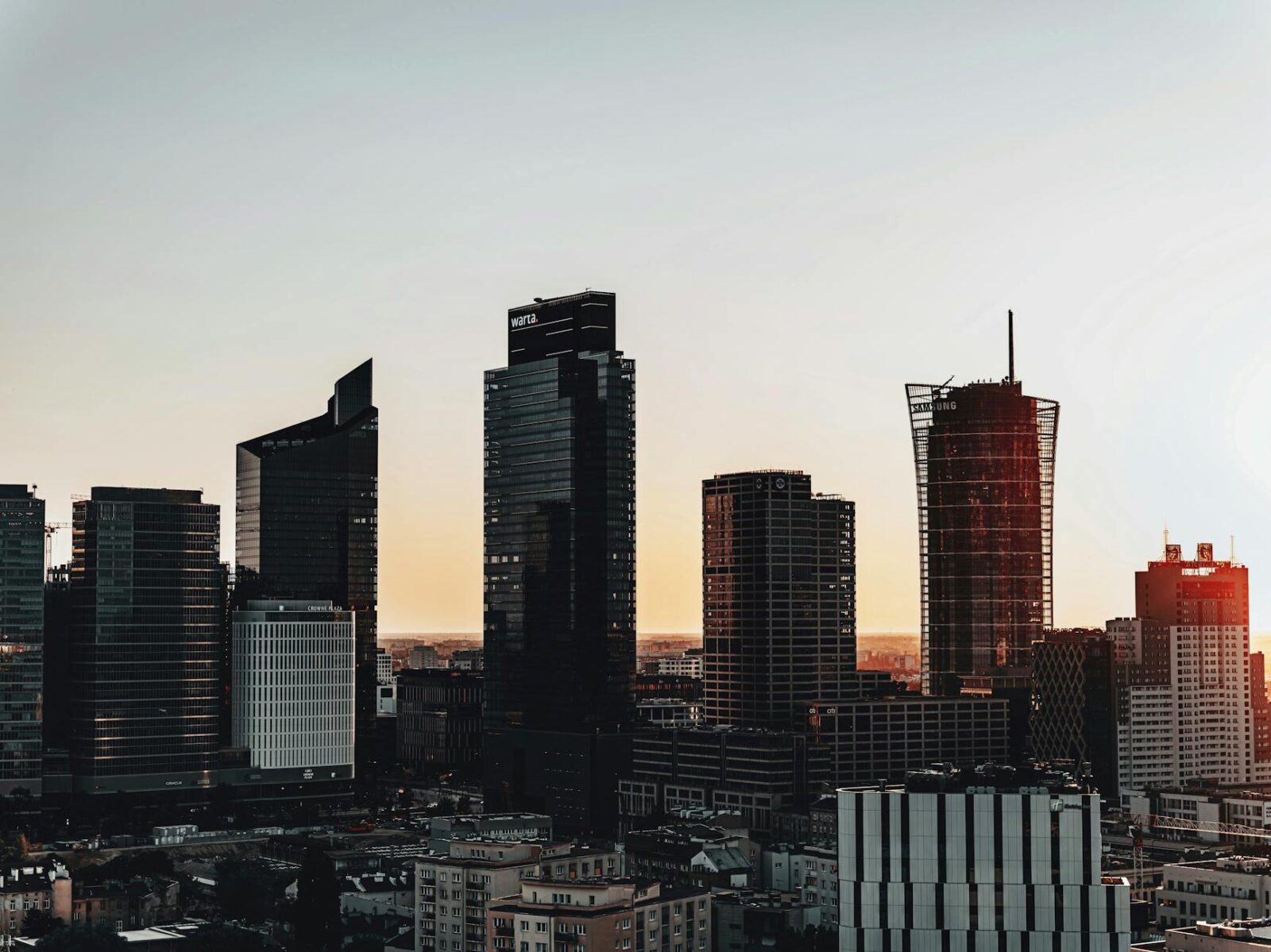
Japan, a country known for its seismic activity, has mastered the art of building skyscrapers that can withstand earthquakes. With over 300 high-rise buildings, Japan’s skyline is a testament to engineering ingenuity. Tokyo, in particular, showcases a blend of traditional and modern architecture, with structures like the Tokyo Skytree standing as a beacon of Japanese resilience and innovation.
Travelers to Japan can explore these architectural wonders and learn about the country’s cutting-edge construction techniques. The use of base isolation systems and flexible building materials ensures safety without compromising on design. Japan’s skyscrapers are a reflection of its culture, where tradition meets technology, offering a unique experience for visitors.
United Arab Emirates: Beyond the Burj Khalifa
The United Arab Emirates, particularly Dubai, is synonymous with luxury and architectural grandeur. While the Burj Khalifa remains the world’s tallest building, the UAE’s skyline is dotted with numerous other impressive structures. The rapid development in cities like Abu Dhabi and Dubai reflects the UAE’s vision of becoming a global hub for tourism and business.
Visitors to the UAE can indulge in luxury experiences, from dining in the clouds at Atmosphere in the Burj Khalifa to enjoying panoramic views from the Ain Dubai Ferris wheel. The integration of art, culture, and commerce in these skyscrapers offers a holistic experience for travelers. The UAE’s skyline is not just about height; it’s about creating a world-class urban environment.

Malaysia’s Twin Towers Legacy
Malaysia may not top the list in numbers, but it is home to the iconic Petronas Twin Towers in Kuala Lumpur, once the tallest buildings in the world. These towers are a symbol of Malaysia’s rapid development and economic growth. The country’s focus on creating a vibrant urban environment is evident in its skyline.
Travelers to Malaysia can explore the cultural and economic significance of these structures. The Skybridge connecting the two towers offers a unique vantage point of the city. Malaysia’s commitment to blending tradition with modernity is reflected in its architecture, making it an intriguing destination for those interested in cultural and urban exploration.
Russia’s Moscow City: A New European Icon
Moscow’s transformation into a skyscraper city is a testament to Russia’s economic resurgence. The Moscow International Business Center, known as Moscow City, is home to some of Europe’s tallest buildings, including the Federation Tower. This development is a blend of business, culture, and entertainment, redefining Moscow’s skyline.
Visitors to Moscow can experience the city’s modern side, with high-end shopping, dining, and entertainment options available in these skyscrapers. The contrast between Moscow’s historical architecture and its contemporary skyline offers a unique experience for travelers. The city’s commitment to becoming a global business hub is evident in its urban development strategies.
Taiwan’s Taipei 101: A Symbol of Resilience
Taipei 101 in Taiwan was once the tallest building in the world and remains an engineering marvel. Its design, inspired by bamboo, reflects Taiwanese culture and resilience. The skyscraper’s ability to withstand typhoons and earthquakes is a testament to Taiwan’s advanced engineering capabilities.
Travelers to Taipei can enjoy panoramic views from the observation deck, shop in luxury boutiques, and dine in world-class restaurants. The integration of sustainability features, such as energy-efficient lighting and water recycling systems, highlights Taiwan’s commitment to environmental conservation. Taipei 101 is not just a skyscraper; it’s a symbol of Taiwanese ingenuity and cultural pride.
India’s Growing Skyline
India is rapidly climbing the ranks in skyscraper construction, with cities like Mumbai and Bangalore leading the charge. The country’s economic growth and urbanization have spurred the development of high-rise buildings, transforming its skylines. The World One Tower in Mumbai is one of the tallest residential buildings in the world, showcasing India’s architectural ambition.
Travelers to India can explore these modern marvels alongside historical landmarks, offering a unique blend of old and new. The rise of skyscrapers is also reflective of India’s aspirations to accommodate its growing urban population. This architectural evolution presents opportunities for investment and tourism, attracting visitors from around the globe.
Saudi Arabia’s Ambitious Vision 2030
Saudi Arabia is making headlines with its Vision 2030 plan, which includes the construction of the Jeddah Tower, set to be the tallest building in the world. The country’s focus on diversifying its economy and developing tourism is evident in its skyscraper projects. Riyadh and Jeddah are at the forefront of this transformation, with numerous high-rise developments underway.
Visitors to Saudi Arabia can witness the nation’s commitment to modernization and innovation. The integration of cultural elements in these skyscrapers offers a unique perspective on Saudi heritage. As the country opens up to tourism, its skyline will play a crucial role in attracting international visitors, eager to experience the blend of tradition and modernity.
Practical Takeaways for Travelers
For those planning to explore these skyscraper-rich destinations, here are some tips:
- Research the best observation decks for panoramic views and photography opportunities.
- Consider guided tours that offer insights into the architectural and cultural significance of these structures.
- Explore dining options in skyscrapers for a unique culinary experience with a view.
- Check for any special events or exhibitions taking place in these iconic buildings during your visit.
FAQ
Which country has the most skyscrapers in 2026?
China leads the world with the most skyscrapers, boasting 28 cities each with at least 30 skyscrapers.
What is the tallest building in the world in 2026?
The Burj Khalifa in Dubai remains the tallest building in the world, standing at 828 meters.
Are there skyscrapers in earthquake-prone areas?
Yes, countries like Japan have mastered building earthquake-resistant skyscrapers using advanced engineering techniques.
How do skyscrapers impact tourism?
Skyscrapers attract tourists with their architectural beauty, observation decks, and unique dining experiences, boosting local tourism economies.
What are some notable skyscrapers to visit?
Notable skyscrapers include Shanghai Tower in China, Empire State Building in the U.S., and Burj Khalifa in the UAE.
Stay informed with the latest travel news, visa updates, and destination guides. Follow HimalayanCrest.com for weekly travel intelligence delivered by our editorial team.