

The Unexpected Dangers of Sun-Soaked Destinations
As travelers dream of sun-drenched beaches and endless summer days, a new study has unveiled a sobering reality: some of the world’s most popular destinations are also the most perilous for sunburn. This research ranks global hotspots such as Dubai, Bali, and Honolulu among the highest risk locations for sun exposure, based on UV levels, sunshine hours, and climate data. The findings are a crucial reminder that while the allure of warm weather is undeniable, the risks of sunburn and long-term skin damage are equally real.
Understanding the Study: A Global Perspective
Conducted in early 2026, the study evaluated 120 destinations worldwide, considering factors like UV radiation levels, average sunshine hours, and geographic climate conditions. Destinations such as Dubai, known for its intense sun and heat, and Honolulu, with its year-round tropical climate, topped the list. Bali, too, is a notable mention as its dry season brings increased UV exposure, posing significant risks to tourists and locals alike.
Why UV Exposure is a Growing Concern
The dangers of UV radiation extend beyond sunburn. According to health experts, prolonged exposure can lead to severe skin conditions, including melanoma, the deadliest form of skin cancer. The World Health Organization has reported that over 1.5 million skin cancer cases are diagnosed annually, underscoring the urgency for travelers to take precautions.

Implications for Travel Planning
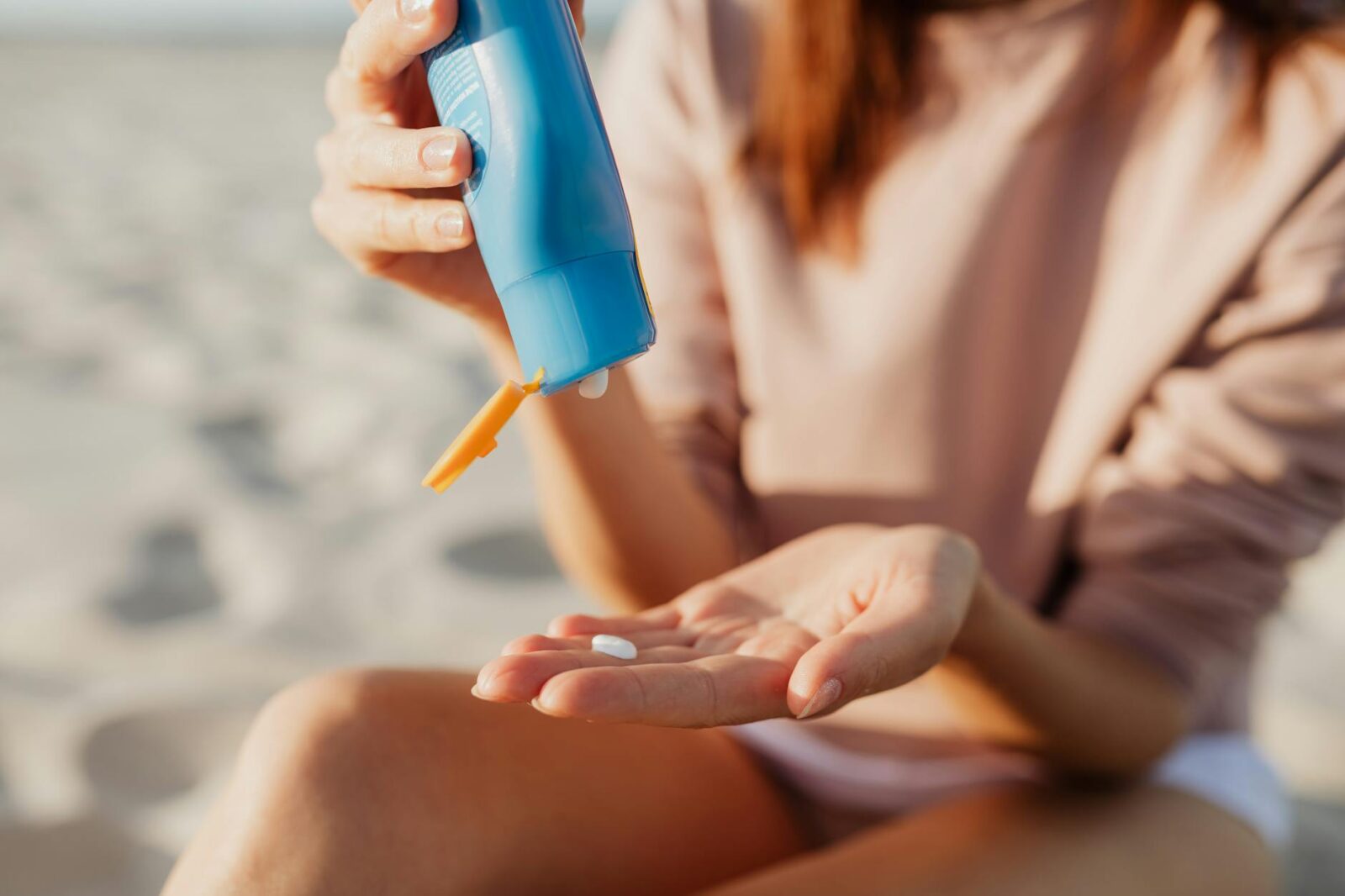
For those planning trips to these sunburn-prone destinations, preparation is key. Travelers should consider investing in high SPF sunscreens, protective clothing, and UV-blocking accessories. Additionally, planning activities during morning or late afternoon hours can minimize direct sun exposure.
- Choose accommodations with shaded or indoor amenities
- Schedule outdoor activities early or late in the day
- Regularly apply broad-spectrum sunscreen
Travel Trends: Sun Safety Becoming a Priority
As awareness of sun-related health risks grows, travel trends are shifting. More destinations are now promoting sun safety campaigns, offering free sunscreen at popular sites, and educating tourists on the risks of sun exposure. This trend is part of a broader move towards more health-conscious travel experiences.
Financial Considerations for Sun-Safe Travel
Travelers should factor sun safety into their budgets. Quality sunscreen, protective gear, and health insurance that covers sun-related conditions can add to travel costs. However, these expenses are a small price to pay for health protection, especially when considering the potential medical costs of treating sun-related health issues.
Looking Ahead: What to Expect
The future of travel may see even more emphasis on health and safety, with destinations around the globe likely to enhance their sun protection measures. As climate change continues to affect weather patterns, UV levels in traditionally mild regions may increase, broadening the scope of sunburn risks worldwide.
FAQs: Navigating Sunburn Risks
Q: What are the top destinations with the highest sunburn risk?
A: The study highlights Dubai, Honolulu, and Bali as top destinations with elevated sunburn risk due to high UV levels and long sunshine hours.
Q: How can travelers protect themselves from sunburn?
A: Travelers should use high SPF sunscreen, wear protective clothing, and limit sun exposure during peak UV hours.
Q: Are there specific times when sun exposure is most harmful?
A: The sun’s rays are strongest between 10 a.m. and 4 p.m., so it’s best to seek shade or stay indoors during these hours.
Q: Is sunburn risk higher in certain seasons?
A: Yes, sunburn risk is higher during dry seasons or summer months when UV levels peak, especially in tropical and desert regions.
Q: How can travelers prepare financially for sun-safe travel?
A: Budget for quality sun protection products and consider travel insurance that covers sun-related health issues.
Stay informed with the latest travel news, visa updates, and destination guides. Follow HimalayanCrest.com for weekly travel intelligence delivered by our editorial team.