

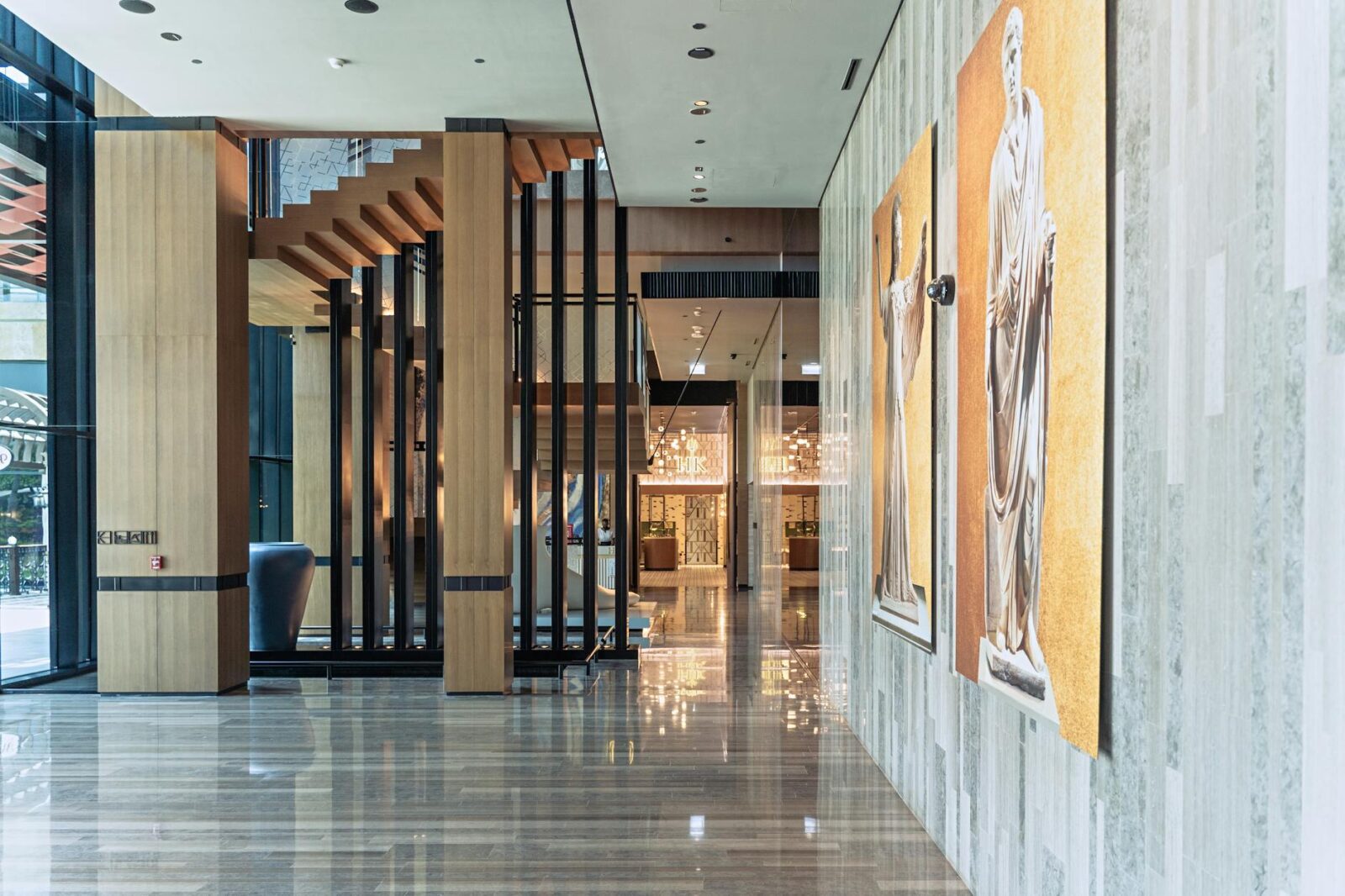
Dubai’s Skyline Stands Firm, But Empty Hotels Tell the Real Story
Picture Dubai’s iconic Burj Khalifa piercing the night sky, usually buzzing with camera flashes from millions of tourists, now casting a shadow over nearly empty luxury lobbies. The Iran war has slashed hotel occupancy to just 15-20% of normal levels, turning the UAE’s tourism powerhouse into a ghost town of shuttered restaurants and desperate deals. This isn’t just a dip—it’s a brutal hit that’s prompted a swift Dh1 billion ($272 million) rescue package from Dubai authorities, with more federal support on the way, as announced by the Minister for Economy and Tourism Abdulla bin Touq on April 6, 2026.
Seasoned travelers know Dubai welcomed 19.59 million international visitors last year, fueling a sector worth billions. But since the war erupted, over 226,500 short-term bookings vanished in the first month alone, per AirDNA data. Missiles and drones—more than 2,400 launched toward UAE targets—have hit airports, ports, and even hotels, claiming 11 lives and injuring over 185. Our research shows this crisis tests the UAE’s famed crisis management, but for now, global visitors are rethinking Gulf trips.
Hotels on Palm Jumeirah, once charging thousands of dirhams per night, now slash prices by half to lure locals during Eid. Hospitality chains cite “renovations” to close wings quietly. Migrant workers, the backbone of this industry, face salary cuts—like 30% reductions at major restaurant groups—with promises of repayment once crowds return. Travelers from India, Nigeria, and the Philippines, who flock here for shopping sprees and beach escapes, now weigh risks against deals.
Iran War Ignites Tourism Freefall in UAE’s Crown Jewel
The conflict, pitting Iran against US-Israel forces, exploded into UAE skies with missile barrages targeting civilian hubs. Debris rained on Dubai and Abu Dhabi, damaging two luxury hotels and sparking evacuations. Dubai’s Department of Economy and Tourism data reveals hotels entered 2026 strong, but war flipped the script overnight. Occupancy plummeted as flights canceled en masse, stranding tourists and crippling airlines like Emirates.
Minister Abdulla bin Touq, speaking on Dubai Eye radio’s Business Breakfast on April 6, stressed tourism’s “huge pressure,” vowing daily talks with operators. Authorities intercepted attacks, but the psychological toll lingers—travelers from Asia to Europe hit pause. Gulf News reports Dubai’s immediate Dh1 billion stimulus targets hotels, deferring fees to boost cash flow. This buys time, but the real battle is restoring confidence amid ongoing barrages.
Over €515 million daily losses rack up across Middle East tourism, per World Travel & Tourism Council estimates. UAE, with its $150-180 billion regional market, feels it acutely. JPMorgan analysts flag non-oil growth slowdowns, pinpointing tourism’s central role. For a nation diversifying beyond oil, this war threatens years of progress built on skyscrapers and sand dunes.
Swift Fee Deferrals and Dh1B Fund: UAE’s Emergency Toolkit
Dubai acted fast with a Dh1 billion ($272 million) fund for three to six months, deferring government fees, sales taxes, and the tourism dirham—a per-guest levy funding promotion. This eases liquidity for cash-strapped hotels facing refunds and no-shows. A ministerial operations room coordinates daily, signaling UAE’s crisis playbook honed from past pandemics and oil slumps.
The broader federal package, teased by bin Touq, promises more relief soon. Price controls protect jobs, while plans brew for revival campaigns post-conflict. Hotels get breathing room; operators delay payments without penalties. Travelers benefit indirectly—expect deeper discounts, but watch for hidden catches like blackout dates.
Our team tracked similar moves in past crises: post-COVID, UAE rebounded with vouchers and visa perks. Here, focus stays on hotels and aviation, hit hardest by flight reroutes. Airlines face longer, pricier paths, hiking fares from hubs like Mumbai or Lagos. This package isn’t charity—it’s an investment in a sector employing millions of expats from South Asia and Africa.
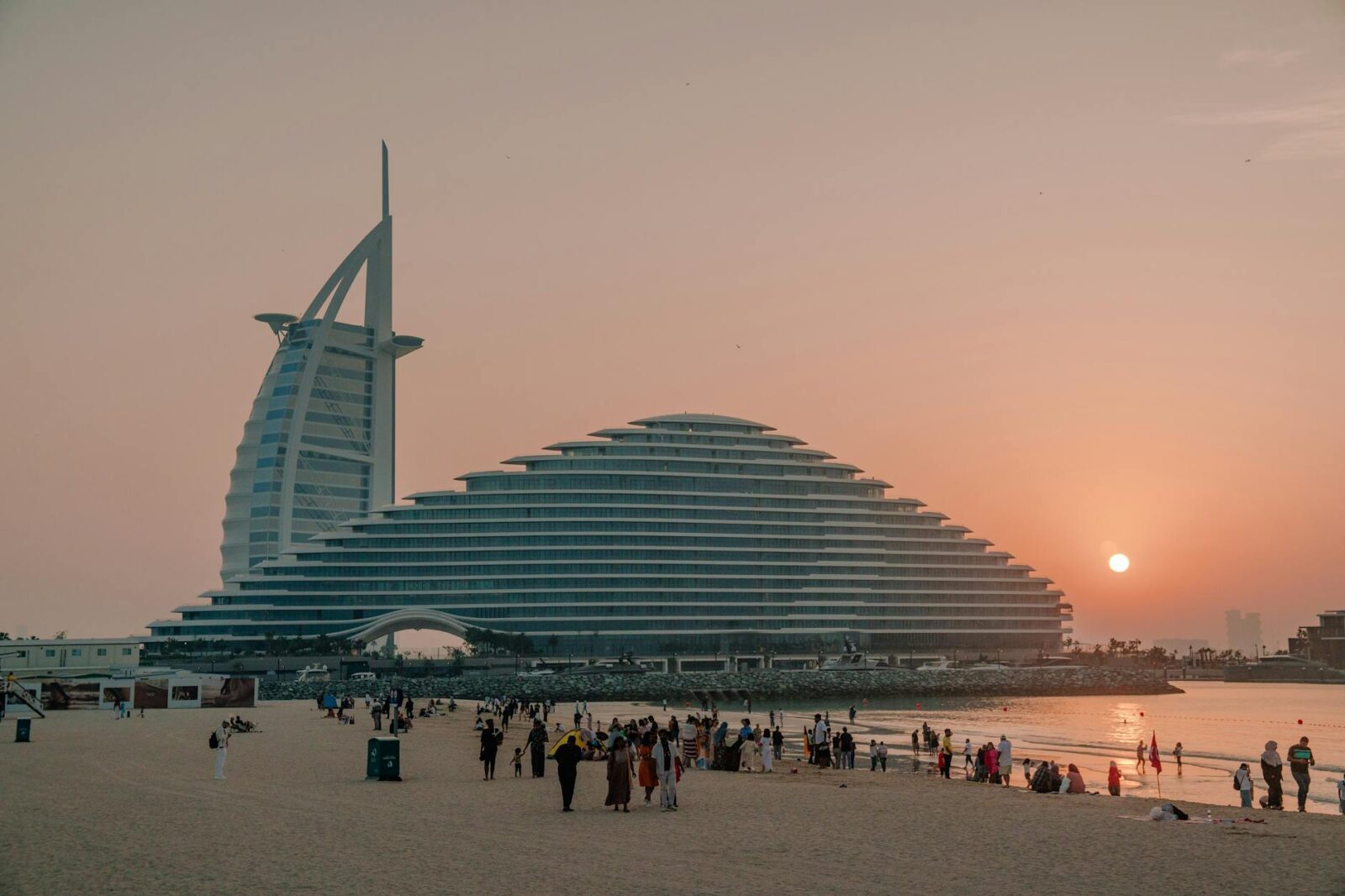
Global Ripples: How Iran War Rewrites Travel Maps
UAE tourism isn’t isolated; it’s a Gulf hub linking Europe, Asia, and Africa. War disrupts this, with Emirates and Qatar Airways juggling pressures, per industry experts. Regional market, growing fastest globally, now risks billions in 2026 losses from shaken confidence. Compare to Ukraine war’s drag on Europe—Gulf travelers now opt for safer spots like Thailand or Portugal.
WTTC pegs Middle East daily hit at €515 million ($560 million), dwarfing smaller nations. Dubai’s fall echoes Beirut’s 1970s woes, but UAE’s wealth cushions blows. Non-oil GDP, tourism-led, stalls per JPMorgan. Filipinos chasing OFW dreams or Indians on Umrah layovers reroute, boosting rivals like Singapore or Turkey.
Yet resilience shines: UAE intercepted threats, minimizing damage. Past conflicts, like Yemen skirmishes, faded without lasting scars. Global trends favor diversification—think Saudi’s NEOM or Qatar post-World Cup. War accelerates shifts, but UAE’s infra positions it for snap-back once skies clear.
Will Discounts Lure You Back? Practical Tips for Savvy Travelers
If UAE tempts despite risks, act smart. Monitor official sites like UAE government portal for alerts. Dubai hotels offer 50% off luxury stays—Palm Jumeirah gems under $300/night versus $1,000 peaks. Book flexible: platforms like Wego report deep Eid cuts for residents, spilling to internationals.
Visa rules hold—free 30-day entry for many, including Indians and Nigerians. But flights? Emirates adds stops, bumping Mumbai-Dubai fares 20-30%. Pack light; airports tense. Skip malls for beaches—Jumeirah’s calm amid chaos. Families from Philippines find kid-friendly deals; couples snag spa steals.
- Check travel.state.gov or gov.uk/uae for updates.
- Buy refundable tickets; cancellations hit 226,500 bookings.
- Haggle tours—operators hungry for business.
- Focus Abu Dhabi for calmer vibes versus Dubai buzz.
Post-war boom likely: UAE excels at comebacks. Delay if risk-averse; pounce if deal-hunter.
Job Cuts and Price Hikes: Budget Realities for 2026 Trips
War slashes costs short-term but inflates others. Hotels: half-price luxury, but food scenes hurt—restaurants trim menus, cut salaries 30%. Dubai’s food capital status wobbles; expect 10-20% dining hikes from supply crunches. Flights from Delhi or Manila? Up 25% via detours ($800-1,200 roundtrip).
Budget $1,500/week for two (flights, mid-range hotel, meals)—down from $2,500 pre-war, thanks to stimulus. Dirham fees deferred mean no extras passed to you yet. Taxis stable at 2.5 AED/km; gold souks tempt with dips. Nigerians: convert NGN wisely; Filipinos: remit savings home.
Longer view: package rollout could stabilize prices. Track AED at 3.67 to $1. Adjust: cut dining, splurge stays. War ends? Surge pricing hits—book early. Expats face layoffs; service dips possible. Hedge with travel insurance covering conflicts.
Post-War Rebound: What Experts Predict for UAE Horizons
Minister bin Touq eyes quick package rollout, blending stimulus with promo blasts. History favors UAE: COVID rebound smashed records. Occupancy could hit 70% within months post-ceasefire, per Wego’s Mamoun Hmiden. Airlines ramp up; Gulf’s connectivity king status returns.
Risks linger if war drags—2026 losses in billions. But Dubai’s Dh1B fund and federal aid signal commitment. Campaigns target Asia, Africa markets—Indians for Diwali, Saudis for weekends. Analysts like those at JPMorgan see non-oil pivot enduring. Saudi, Oman gain short-term, but UAE’s malls, beaches reclaim throne.
Watch aviation: Emirates hubs recover fast. Broader Gulf? $40 billion regional hit possible, but unity aids. Travelers: plan Q4 2026 for peak value. UAE’s resilience—interceptions, swift aid—bodes well. War out of control, but recovery in theirs.
FAQ: Answering Your Burning Questions on UAE Travel Now
Is Dubai safe to visit during the Iran war? UAE authorities report intercepting most threats, with minimal civilian hits beyond debris. 11 deaths, 185 injuries logged, but daily life continues in secured zones. Check official advisories; many nations keep Level 2 (exercise caution). Hotels ramp security—avoid outskirts.
What are the tourism dirham fees, and are they waived? This per-room levy (AED 7-20/night) funds marketing; Dubai deferred it three months alongside sales fees. No direct savings to you yet, but hotels pass relief via discounts. Expect normalization post-crisis.
How much have hotel prices dropped in Dubai? Luxury Palm Jumeirah spots halved rates—$500 to $250/night averages. Mid-range from $150. Eid deals for locals spill over; book via apps for best rates. Chains close sections, freeing inventory.
When will the full UAE tourism support package launch? Minister bin Touq said “very soon” on April 6—likely weeks. Builds on Dubai’s Dh1B fund, adding job safeguards, promos. Details via visitdubai.com.
Should I cancel my UAE trip or wait? If flexible, monitor; refunds easy now. Risk-averse? Pivot to Maldives or Thailand. Optimists snag bargains—UAE rebounds strong historically. Insure comprehensively.
Stay informed with the latest travel news, visa updates, and destination guides. Follow HimalayanCrest.com for weekly travel intelligence delivered by our editorial team.