

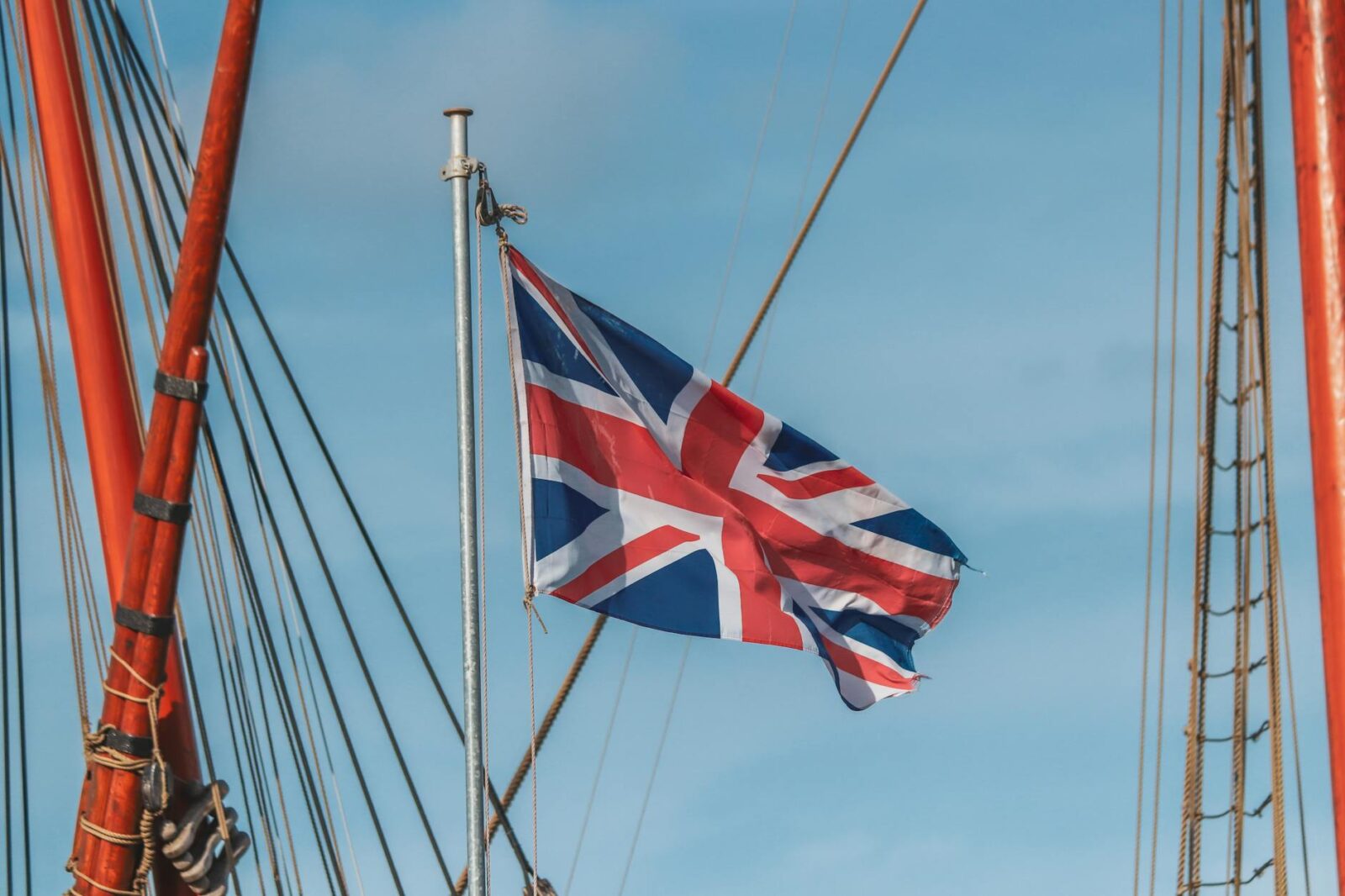
Leaders’ Urgent Call Signals Geopolitical Shifts for Global Travelers
On April 1, 2026, UK Prime Minister Keir Starmer held a high-level phone call with German Chancellor Friedrich Merz, focusing on escalating Middle East tensions and their ripple effects on international travel and security. This discussion highlighted shared concerns over safe shipping in the Strait of Hormuz, UK support for defensive operations via US forces at British bases, and de-escalation needs in the West Bank amid Israel’s controversial death penalty bill. For visa applicants, expats, and investors eyeing residency in Europe or the UK, this call underscores how regional instability could tighten border controls and visa processing, especially as Germany’s updated Visa Handbook—released March 26, 2026—introduces stricter rules on family reunification, business travel insurance, and a new digital nomad chapter.
Seasoned travelers report that such leader-level talks often precede policy tweaks to manage migration flows during crises. Our research shows the handbook’s changes, effective immediately, allow blocked-account funds in any EU-licensed fintech with escrow protection, easing access for investors from Asia and the Middle East. Yet, heightened Middle East risks mean applicants from affected nationalities—like those from Iran or regional hotspots—face extra scrutiny at UK and German embassies. Actionable takeaway: Check your travel plans against the 90-day Schengen limit now, as the EU’s Entry/Exit System (EES) rolls out fully by April 10, 2026, requiring biometric registration at borders.
This call also touched on Ukraine, reaffirming sanctions on Russia, which impacts Eastern European visa routes. Investors seeking German residency should note the upcoming Remote-Work Visa, previewed in the handbook, targeting digital nomads with flexible proof of funds.
Germany’s Fresh Visa Handbook Reshapes Entry Rules Overnight
Germany’s Federal Foreign Office dropped a 680-page Visa Handbook update on March 26, 2026, dated February 6 but taking immediate effect across all embassies. This comprehensive overhaul codifies stricter DNA evidence rules for family reunification, curbing discretionary approvals and demanding clearer biological ties proof. Business travelers benefit from limited medical insurance demands for short stays, while a brand-new chapter on digital nomads paves the way for a dedicated Remote-Work Visa later in 2026, requiring proof of remote income and health coverage.
For global applicants, the big win lies in blocked accounts: now acceptable via any EU fintech with escrow, not just German banks, slashing setup costs from around $150 USD to under $50 for many. This opens doors for investors from Nigeria, the Philippines, and India, who can use platforms like N26 or Revolut equivalents. Retirees planning long stays must still secure national visas beyond 90 days, with embassies guided strictly by this handbook—verify at Germany’s official visa site.
Compared to France, where Macron and Merz recently discussed fighter jet projects amid similar handbook rigidity, Germany’s approach feels more nomad-friendly. Travelers from the Middle East, flagged in the leaders’ call, should prepare for delays; our experts advise submitting applications 8-12 weeks early.
How the Strait of Hormuz Tensions Hit Visa Processing Timelines
The PM-Merz call stressed “crucial partners stepping up” for safe shipping in the Strait of Hormuz, following US-Israeli strikes on Iran in late February 2026 and Iran’s retaliation. This volatility, echoed in a joint UK-France-Germany statement on February 28, raises insurance premiums and disrupts supply chains, indirectly slowing visa decisions as embassies prioritize security checks. Applicants from Gulf states or Iran-linked nationalities now face extended vetting, with UK Foreign Ministers meeting planned for April 2 adding pressure.
Practical impact: Digital nomads and investors transiting via Hormuz routes—like Dubai to Frankfurt—risk flight cancellations, counting against 90/180-day Schengen clocks. EES biometrics from April 10 will track overstays automatically, banning violators up to three years. Step one for affected travelers: Monitor UK GOV advice for Germany and apply for visa extensions preemptively if holding residence permits.
Investors note: Germany’s fintech blocked-account shift helps maintain proof of $12,500 USD annual funds (about €11,500), vital during delays. Retirees from South America or Africa, less tied to the conflict, sail smoother but should stock travel insurance quoting Hormuz risks.

UK Immigration Overhaul Echoes Leaders’ Security Focus
Across the Channel, UK rules shift dramatically in 2026, aligning with the call’s defensive ops emphasis. From January 8, Skilled Worker visas demand B2 English (up from B1), £41,700 salary thresholds, and RQF Level 6 skills, closing care worker routes and trimming graduate visas to 18 months by January 2027. Path to settlement stretches possibly to 10 years from April, per consultations closing February 12.
Global Business Mobility eases: Secondment workers need just six months prior employment from April 8, and Indian nationals gain Service Supplier access under trade deals. Yet, Nicaragua and St. Lucia nationals join visa-required lists from March 5, pausing Afghan student/skilled visas from March 26. Expats switching categories must hit B2 English unless exempt via degrees or nationality—check UK Skilled Worker page.
Digital shift: eVisas mandatory by December 31, 2026, replacing BRPs; employers, register via UKVI accounts now. This mirrors Germany’s handbook, tightening amid Ukraine sanctions pressure reiterated in the call.
Step-by-Step Guide: What Travelers Must Do Right Now
First, assess your nationality against updates: Middle East/Iran-linked? Budget extra for security fees ($50-100 USD). Digital nomads, gather remote income proofs for Germany’s forthcoming visa—aim for €3,000 monthly. Step two: Open blocked accounts via EU fintechs like Wise or Solarisbank, depositing €11,208 for a year (about $12,200 USD).
Step three: Apply early—8 weeks for Schengen, 12 for nationals. Use official portals: Germany’s visa portal, UK’s visa application site. Step four: Prep EES biometrics (fingerprints/photo) for Schengen entry post-April 10; no pre-action needed but carry e-passports. Investors: Explore Global Talent ‘design endorsement’ from April 8 in UK for faster tracks.
- Verify 90/180-day stays via Schengen calculator apps.
- Buy insurance covering conflict zones, quoting leaders’ Hormuz concerns.
- Exempt from English tests? Confirm via Ecctis for overseas degrees.
- Retirees: Pair with Germany’s freelance visa for over-90-day stays.
Step five: Monitor Zelensky-Merz coordination on Ukraine talks, as sanctions could snag Russian-linked applicants.
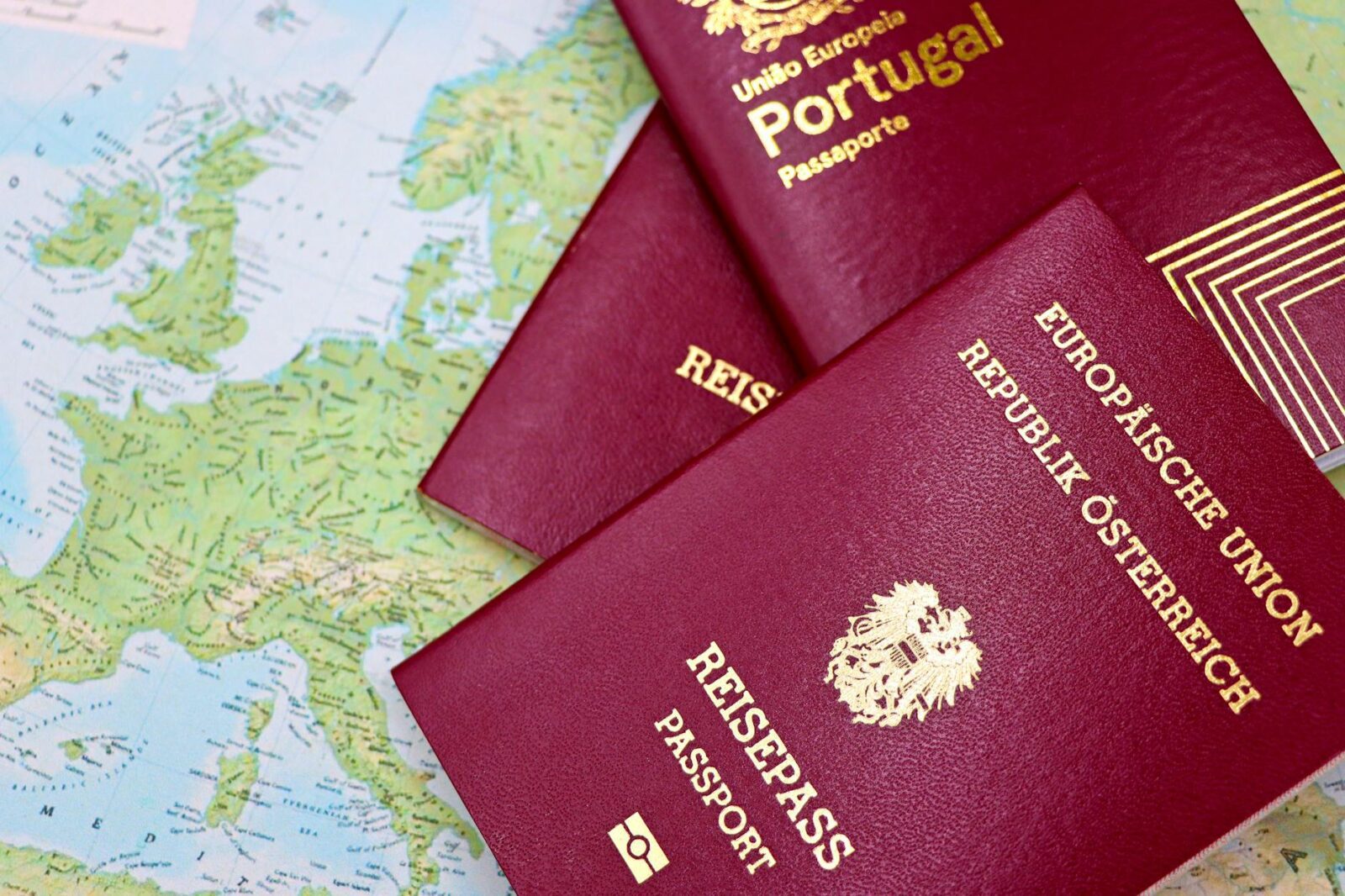
Investor and Nomad Wins Amid Global Policy Comparisons
For citizenship-seekers, Germany’s Remote-Work Visa previews flexible residency paths, contrasting Portugal’s Golden Visa phase-out. UK eases GBM for Indians (1,800 cap, 12 months), akin to UAE’s remote worker perks but with settlement potential. Digital nomads gain from no German bank mandates, saving $100+ USD setup fees versus pre-2026 rules.
Investors from Philippines or UAE can now escrow funds easily, proving stability during Merz-Starmer flagged crises. Retirees compare favorably to Spain’s non-lucrative visa ($2,500 monthly proof), as Germany’s handbook limits insurance asks. Future outlook: ETIAS launches late 2026 for 59 nationalities ($7 fee, 90-day Schengen), like UK’s £20 ETA from April 8—pre-apply online.
Our analysis: Leader calls like this accelerate digital borders, benefiting compliant investors while challenging conflict-zone expats.
Ukraine Sanctions and West Bank Concerns Shape Long-Term Mobility
The call reaffirmed Ukraine’s self-determination and Russia sanctions, impacting Eastern applicants—pair with UK’s Afghan pauses. West Bank violence and Israel’s bill draw “deep concern,” potentially flagging Palestinian-linked visas. Practical tip: Diversify applications; if Germany delays, pivot to Estonia’s nomad visa (1 year, €3,500 monthly).
By 2027, UK’s 10-year settlement and Germany’s nomad rollout create hybrid paths for high-earners. Global readers from India to Nigeria: Leverage trade deals like UK-India for smoother entries. Check EU EES site for timelines.
FAQ: Top Questions on UK-Germany Visa Shifts Post-Leaders’ Call
Does the PM-Merz call change visa requirements directly? No direct changes, but it signals tighter security amid Middle East/Ukraine issues, amplifying handbook effects like DNA rules and nomad chapters. Expect delays for at-risk nationalities; unaffected travelers see fintech flexibilities.
Who qualifies for Germany’s new digital nomad provisions? Remote workers proving €3,000+ monthly income, health insurance, and accommodation. Full visa drops later 2026—handbook adds guidance now. Verify at German embassies.
How does EES/ETIAS affect short trips to Germany? EES (April 10, 2026) mandates biometrics for tracking; ETIAS (late 2026, $7) pre-authorizes visa-free nationals for 90/180 days. No action pre-travel, but overstays ban you three years.
Can I use fintech for UK/German blocked accounts? Yes, Germany allows EU-licensed with escrow ($12,200 USD equiv.); UK similar via eVisa shifts. Indians gain UK GBM access too.
Impact on family reunification post-handbook? Stricter DNA mandates limit approvals; provide certified tests early. Business shorts dodge full insurance.
Navigate These Changes with Confidence and Plan Ahead
As UK and German leaders align on global flashpoints, visa landscapes evolve fast—but opportunities abound for prepared travelers. From fintech savings to nomad visas, these shifts reward proactive expats and investors. Share your experiences in comments: How are you adapting? Forward to friends eyeing Europe—secure your path today.
Stay informed with the latest travel news, visa updates, and destination guides. Follow HimalayanCrest.com for weekly travel intelligence delivered by our editorial team.