

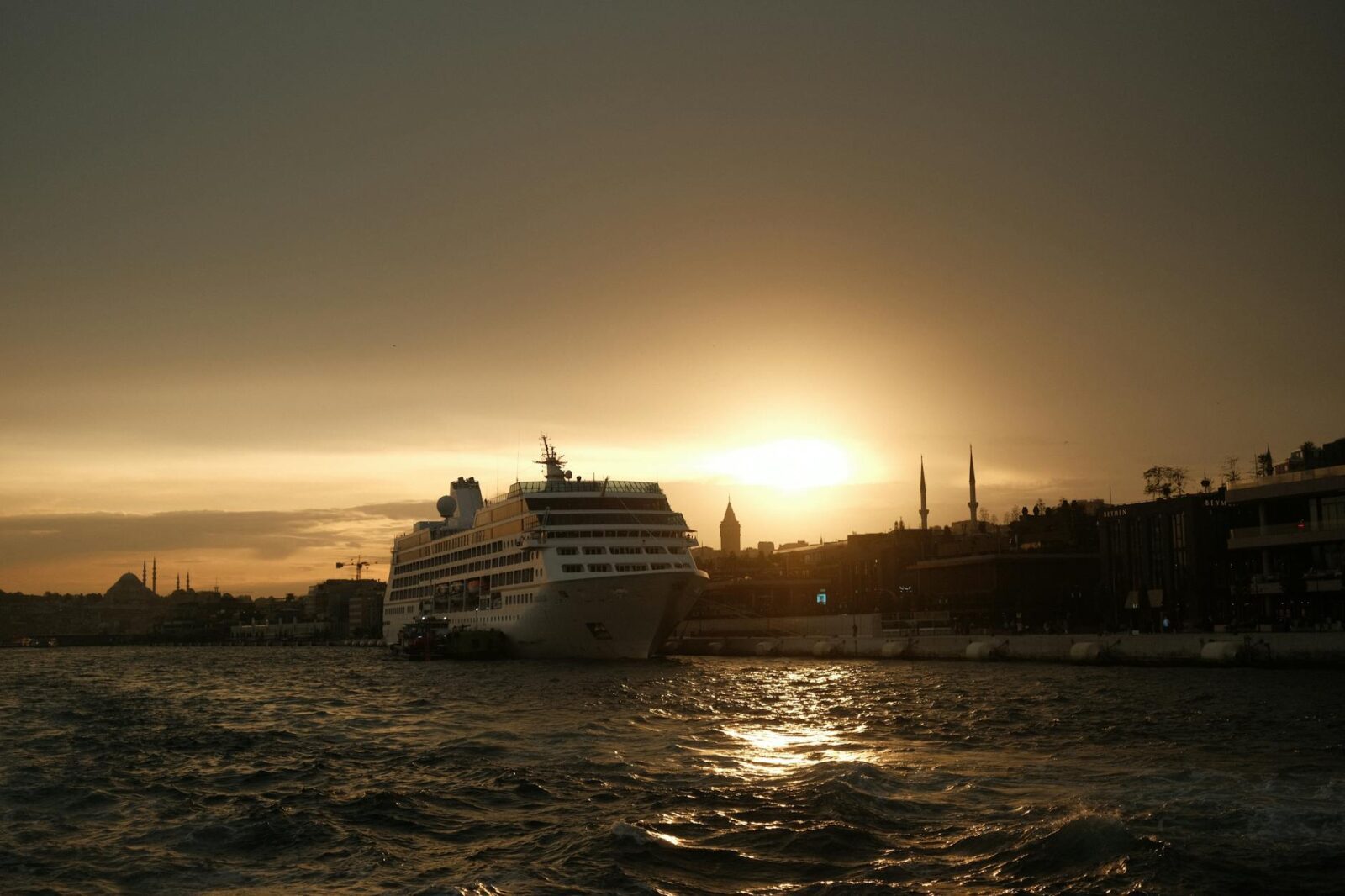
Strait of Hormuz Shutdown: A Wake-Up Call for Global Travelers
On April 7, 2026, the UN Security Council failed to pass a Bahrain-led resolution aimed at reopening the Strait of Hormuz, after Russia and China vetoed it. The UK deputy permanent representative expressed deep regret, highlighting how Iran’s denial of transit passage violates the United Nations Convention on the Law of the Sea. This critical chokepoint, normally handling up to 150 vessels daily, saw only nine ships pass in the last 24 hours before the vote, crippling global trade routes vital for oil, grain, and humanitarian aid.
Seasoned travelers from Asia, Africa, and the Middle East report mounting delays in flights and shipments rerouted around Africa, adding weeks to journeys. For expats in the Gulf, this means uncertainty in visa renewals tied to employment in disrupted sectors like shipping and energy. Our research shows this standoff could push 45 million more people into extreme hunger by June, per World Food Programme estimates, rippling into food price spikes that hit wallets worldwide—from Manila markets to Lagos streets.
Investors eyeing Gulf residency programs face immediate risks, as ports grind to a halt. Digital nomads planning UAE or Bahrain stays must rethink logistics for equipment imports. Retirees with assets in the region worry about supply chains for essentials, while citizenship seekers note how regional instability delays investment visa processing.
Iran’s Grip on the Strait: What Sparked the UN Clash
Iran’s actions have effectively closed the Strait of Hormuz, an international waterway essential for one-fifth of global oil trade. By denying transit rights, Tehran holds the world economy hostage, as stated in the UK’s UN explanation of vote. This builds on escalating Middle East tensions, with prior UN resolutions like 2817 (2026) condemning Iran’s attacks on neighbors—a measure Russia pushed but which failed amid abstentions from the UK and others.
The Bahrain initiative sought Council action to restore passage, backed by the UK and allies invoking self-defense rights under international law. Russia and China shielded Iran, rejecting claims that opening the Strait would complicate matters—insisting Iran’s moves are defensive. Only nine vessels navigated the Strait recently, versus the usual 150, underscoring the stranglehold’s severity.
For travelers, this closure disrupts direct routes from South Asia to Europe, forcing detours that inflate fuel costs by 20-30% on average, based on shipping industry reports. Expats from Pakistan and India, common in Gulf hubs, face job losses in logistics, triggering visa lapses. Our experts advise monitoring this daily, as prolonged closure amplifies refugee flows from hunger-hit areas.
Global Repercussions: Hunger, Prices, and Disrupted Journeys
The World Food Programme warns of 45 million additional people facing extreme hunger by June 2026 if the Strait remains shut, as grain and fertilizer shipments stall for African and South Asian planting seasons. Humanitarian groups—80 UN and international organizations—cannot deliver aid to crises in Congo, Sudan, and Gaza, exacerbating refugee movements toward Europe and Asia.
Oil-dependent economies like Nigeria and the Philippines see fuel prices surge, making air travel 15-25% costlier for budget migrants. Digital nomads report delayed laptop shipments via sea freight, stranding remote workers in limbo. Retirees in Portugal or Thailand, sourcing Gulf imports, face medicine shortages as supply chains fracture.
Investors in UAE golden visas or Bahrain investor residencies confront portfolio dips from energy market volatility. Citizenship-by-investment programs in the region pause amid uncertainty, with processing times extending from months to years. Travelers from Indonesia to South America feel the pinch through higher import duties on everything from electronics to rice.

Which Nationalities Feel the Heat from Hormuz Chaos
South Asians—Indians, Pakistanis, Bangladeshis—dominate Gulf expat workforces in shipping and oil, now idled by the closure. Their remittance flows, over $100 billion annually to home economies, risk halving if jobs vanish. Filipinos and Indonesians in hospitality and construction face similar visa threats tied to employer sponsorships.
African nationals from Nigeria, Somalia, and Kenya, reliant on Strait grain imports, see food riots brewing, prompting migration spikes to Europe via Turkey or Malta routes. Middle Eastern travelers, including Iranians and Bahrainis, encounter flight cancellations rerouting through Saudi Arabia or Oman. Digital nomads from diverse spots like South Korea, Philippines, and Brazil delay Gulf relocations.
Investors from China, Russia, and the West pause real estate buys in Dubai or Manama, wary of instability. Retirees from Malaysia or South Africa rethink Gulf pensions drawing on volatile oil funds. Citizenship seekers from Vietnam or Nigeria find pathways clogged by embassy backlogs in affected regions.
Step-by-Step: What Gulf Expats and Visa Hunters Must Do Now
Step 1: Verify your visa status immediately. Check Gulf country portals—UAE’s ICP.gov.ae, Bahrain’s evisa.gov.bh—for extensions due to disruptions. Contact your embassy if employed in shipping; many offer grace periods.
Step 2: Diversify travel routes. Book flights via Oman (omanair.com) or Saudi (saudigov.sa) hubs, avoiding Hormuz-dependent carriers. For sea freight, use African Cape routes, adding 10-14 days but securing essentials.
Step 3: Secure alternative residencies. Apply for Portugal’s D7 visa (vfsglobal.com) or Malaysia’s MM2H (mm2h.gov.my) as backups. Investors: Shift to Georgia (evisa.gov.ge) or Turkey (evisa.gov.tr) golden visas, processing in 1-3 months.
Step 4: Stockpile and hedge finances. Bulk-buy non-perishables now; use apps like TransferWise for USD hedging against oil spikes. Retirees: Link pensions to stable currencies via UAE’s centralbank.ae tools.
Step 5: Monitor UN updates. Track securitycouncil.un.org for resolutions; join expat forums like InterNations for real-time alerts. Prepare exit plans if tensions escalate.
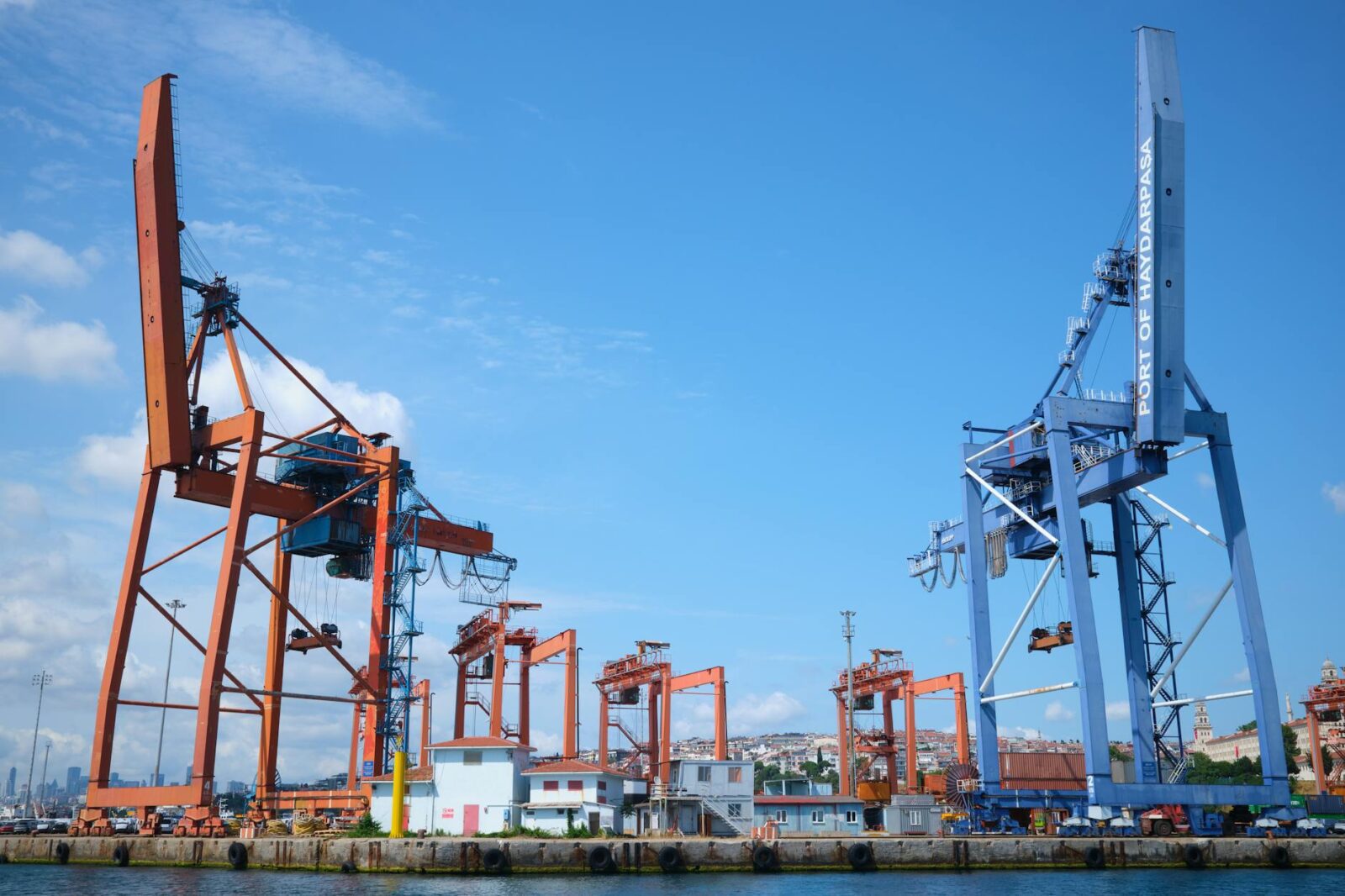
Investor and Citizenship Angles: Navigating Gulf Uncertainty
Gulf investor visas demand $270,000 minimum in UAE property (ica.gov.ae), but Hormuz woes devalue assets 10-15%. Bahrain’s $265,000 threshold (moi.gov.bh) faces delays as banks tighten lending. Digital nomads qualify for UAE’s 5-year remote work visa (icp.gov.ae), but import bans stall setups.
Citizenship seekers eye Jordan or Egypt programs, less exposed, requiring $250,000+ investments with faster paths. Retirees pivot to Thailand Elite (thaielite.com), $20,000 for 5 years, sidestepping Gulf volatility. Our analysis shows diversified portfolios—20% in stable Asian bonds—weather this best.
Compared to Europe’s Schengen chaos post-Ukraine, Gulf nations offer flexible extensions; check gov.uk/foreign-travel-advice for UK-aligned tips usable globally.
How the World Responds: UK Stance vs. Russia-China Vetoes
The UK supports Gulf self-defense, aiding allies against Iran per international law (gov.uk/government). US echoes this, decrying Russia-China tolerance of economic hostage-taking. Past UN votes, like rejecting Russian drafts on Middle East violence, show veto patterns shielding allies.
Saudi Arabia and UAE bolster navies independently, mirroring Australia’s Pacific patrols. India, neutral, reroutes tankers like Brazil’s grain ships. For travelers, this means emulating expats in Philippines who stockpile via air from Singapore.
Future outlook: Diplomatic pushes may yield non-binding statements (securitycouncil.un.org), but without resolution, expect 6-12 month disruptions.
FAQ: Answering Your Top Questions on Hormuz Visa Impacts
Will the Strait closure affect my UAE visa renewal? Yes, if tied to shipping jobs; extensions likely via icp.gov.ae. Non-sponsored visas safer; apply early for 30-day grace.
How long until normal shipping resumes? Indefinite without UN action; prep for 3-6 months. Track imo.org for sea updates.
Best backup destinations for Gulf expats? Oman (evisa.rop.gov.om), Georgia (geoconsul.gov.ge)—quick investor options under $300,000.
Impact on digital nomad visas in Bahrain? Delays in gear imports; switch to Estonia e-residency (e-resident.gov.ee) for seamless remote work.
Can investors get refunds on Gulf properties? Rare; resell via bayut.com, but prices dip 10%. Diversify to Portugal (sef.pt).
This Hormuz crisis tests global mobility—share your story in comments. Act now, stay connected, and explore resilient paths forward.
Stay informed with the latest travel news, visa updates, and destination guides. Follow HimalayanCrest.com for weekly travel intelligence delivered by our editorial team.