

Venezuela’s Yellow Fever Surge Hits New States
Imagine trekking through Venezuela’s lush Angel Falls or sipping coffee in the Andean highlands, only to face a hidden threat from buzzing mosquitoes carrying yellow fever. As of March 2026, an outbreak has spread to 14 states, prompting the U.S. CDC to issue a Level 2: Practice Enhanced Precautions notice. This marks a sharp rise from earlier patterns, with cases now popping up in areas like Aragua and Lara where vaccination wasn’t previously urged.
Our research at HimalayanCrest.com reveals six confirmed human cases through February 21, 2026, including one death—a 17% fatality rate that underscores the virus’s danger. Seasoned travelers report exposures in states like Aragua, Bolívar, Lara, and Monagas, blending urban and rural risks. This isn’t just a blip; sustained transmission across South America, including 32 cases and 19 deaths in Venezuela in 2025, signals a regional crisis demanding immediate action from anyone planning a trip.
For expats eyeing long-term stays or investors scouting real estate in Caracas suburbs, this changes the game. Digital nomads working from beachside Maracaibo must now factor in health protocols alongside Wi-Fi speeds. The key takeaway? Get vaccinated now—it’s your shield against a disease that strikes 3-6 days post-bite with fever, chills, and worse.
Decoding CDC’s Level 2 Warning for Venezuela
The CDC’s alert, issued earlier in March 2026, urges enhanced precautions due to rising cases nationwide. Unlike Level 1’s routine advice, Level 2 targets higher risks, recommending yellow fever shots for travelers to affected zones. Cases in non-traditional spots like Aragua and Lara expand the worry map, visible on CDC’s interactive charts.
Yellow fever, a viral hemorrhagic illness from infected mosquitoes like Aedes aegypti, causes jaundice, bleeding, and organ failure in 15% of severe cases. No cure exists—supportive care is all doctors offer. Venezuela’s suboptimal vaccination coverage, hovering below 70% in hotspots like Monagas, fuels this fire amid a strained health system.
Travelers from any nationality face equal risk, but those from low-transmission areas like India, Nigeria, or the Philippines need extra vigilance. Retirees dreaming of coastal villas or citizenship seekers via investment paths should verify status on CDC’s Yellow Fever page. Boosters apply if your last dose was over 10 years ago, especially for high-risk ventures like jungle hikes.
Outbreak Timeline: From Monagas to 14 States
Roots trace to 2021’s WHO-reported cluster in Monagas state, with seven confirmed cases, six unvaccinated. Epizootics—monkey deaths signaling circulation—hit nearby Anzoátegui too. Fast-forward to 2025: 32 cases, 19 fatalities in Venezuela amid 346 regional confirmations.
By early 2026, PAHO notes 34 cases and 15 deaths across Bolivia, Colombia, Peru, and Venezuela in just seven weeks. March updates confirm spread to 14 Venezuelan states, per health ministry data. Through February 21, six human cases emerged, probable exposures in Aragua, Bolívar, Lara, Monagas.
This evolution hits visa applicants hard—entry proofs may demand vaccine certificates. Investors in agriculture or eco-tourism near these states face delays if health checks falter. Practical step: Check U.S. State Department Venezuela page for layered advisories blending disease and security risks.
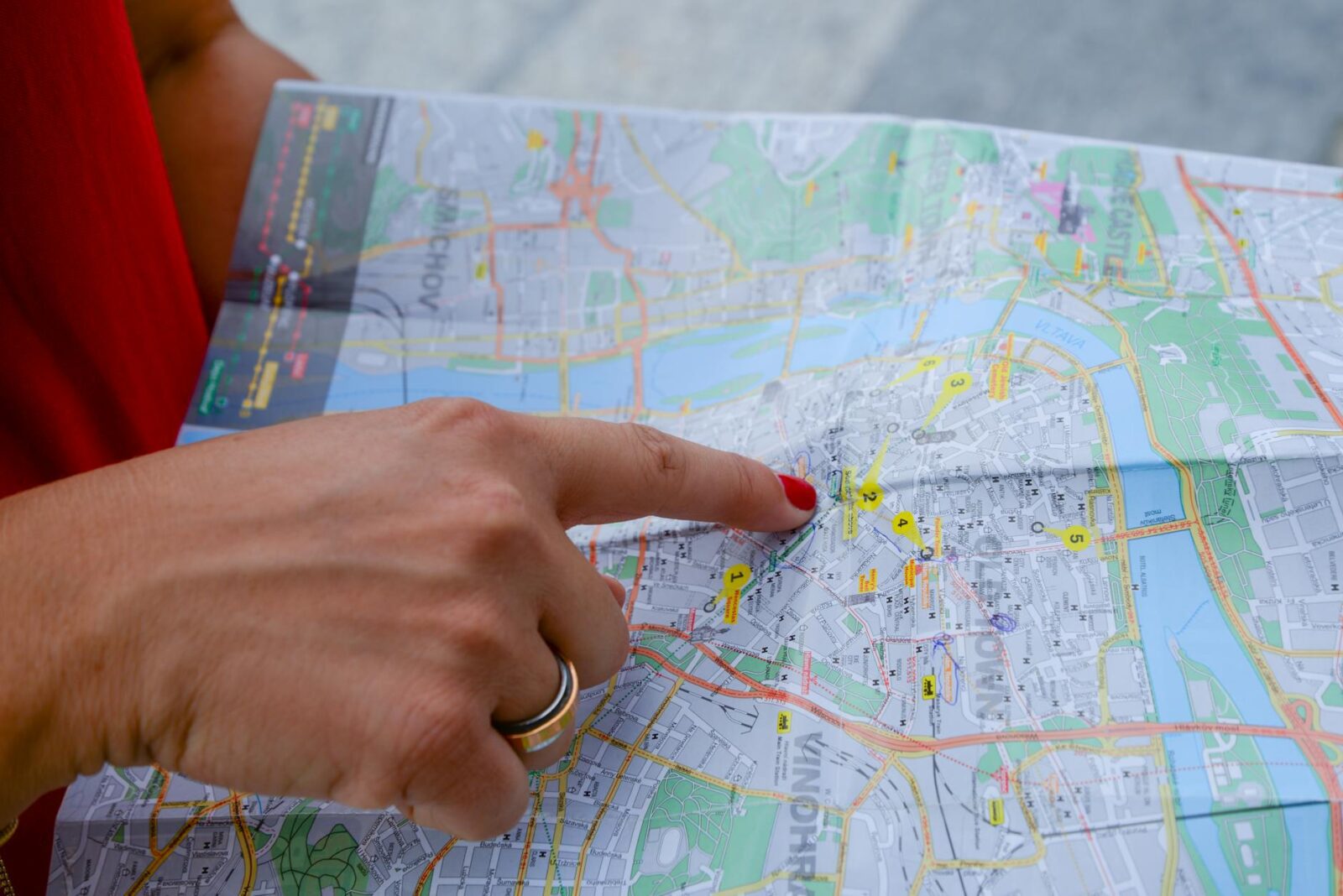
Who Needs the Vaccine? Step-by-Step Guide
All travelers to Venezuela’s affected areas should vaccinate at least 10 days before departure. Contact certified providers via CDC’s locator—not every clinic stocks it. If your last shot was 10+ years ago or you’re high-risk (e.g., rural stays), get a booster.
Step 1: Assess risk using CDC’s map—Aragua, Lara, Monagas now qualify. Step 2: Consult a doctor; vaccine isn’t for infants under 6 months, pregnant women without need, or those over 60 with conditions. Step 3: Prevent bites with DEET repellent, long sleeves, permethrin-treated gear.
Expats and digital nomads: Carry your yellow fever card for residency apps. Citizenship investors note some programs scrutinize health histories. Verify via WHO’s risk list, which flags Venezuela as high-risk.
- Find providers: Use CDC Yellow Book.
- Timing: 10 days minimum; plan months ahead for shortages.
- Cost: Around $150-250 USD in the U.S., less in Asia/Middle East clinics.
- Side effects: Mild fever in 10-30%; rare severe reactions in elderly.
Mosquito Defense: Beyond the Vaccine
Vaccination is king, but mosquitoes thrive in Venezuela’s tropics—stay bite-free. Use EPA-registered repellents with 20-50% DEET, reapply every few hours. Sleep under insecticide nets, especially in rural bolívars or Amazon fringes.
Peak bite times: Dawn and dusk. Wear light, loose clothing covering skin; tuck pants into boots for hikes. Eliminate standing water to curb breeding—hotels and Airbnbs should fumigate.
For families or retirees, this means choosing urban hubs like Caracas over wilds. Digital nomads in Lara state co-working spaces: Screen enclosures help. If fever hits post-trip, seek care fast—mention Venezuela travel for tests.

How Venezuela Compares to Neighbors’ Outbreaks
Venezuela’s crisis mirrors Brazil’s 120 cases (48 deaths) in 2025, where aggressive campaigns curbed urban spread. Colombia tallied 125 cases (46 deaths), leaning on border vaccinations. Peru’s 49 cases (19 deaths) prompted stockpiles; Bolivia mirrors with early 2026 surges.
| Country | 2025 Cases/Deaths | Response | CDC Level |
|———|——————-|———-|———–|
| Venezuela | 32/19 | Expanded alerts to 14 states | Level 2 |
| Brazil | 120/48 | Mass vaccination drives | Varies by state |
| Colombia | 125/46 | Border checks | Level 2 in parts |
| Peru | 49/19 | Stockpiles, surveillance | Level 2 |
Unlike Sudan’s 800+ suspected cases in 2012, Venezuela benefits from EYE strategy priority. Brazil requires certificates for some entries; Venezuela doesn’t yet, but airlines may. Retirees compare: Costa Rica mandates for certain zones, smoother via private clinics.
Impacts on Expats, Investors, and Long-Term Stays
Visa seekers for residency or investment citizenship face indirect hits—no direct policy shift, but consulates probe health. Digital nomads: Remote work visas unchanged, but insurance must cover yellow fever evacuations ($50K+ USD). Retirees in Valencia (Carabobo) report clinic backups.
Investors in oil-rich Zulia or tourism in Margarita: Due diligence now includes outbreak maps. Citizenship programs, though limited in Venezuela, reference health stability—opt for stable neighbors like Uruguay. Expats renewing cédulas: Vaccine proof speeds processes.
Outlook: With 82% coverage in some states but lows elsewhere, expect prolonged alerts. Global nomads from UAE or Philippines: Stock vaccines pre-flight; costs $100 USD equivalent locally.
Future Outlook and Global Lessons
PAHO pushes early detection, stockpiles for South America’s sylvatic cycle. Venezuela’s complex crisis—economic woes, COVID echoes—hampers rollout, but intensified campaigns in Monagas hit 68% coverage. Expect Level 2 persistence through rainy seasons.
Lessons for Asia/Africa travelers: Similar to Nigeria’s alerts, prioritize boosters. Investors: Diversify to low-risk havens like Portugal’s Golden Visa. By mid-2026, better surveillance could downgrade risks, but plan conservatively.
Travelers worldwide: This reinforces global health interdependence—vaccinate, protect, explore wisely.
Frequently Asked Questions
Is yellow fever vaccine required for Venezuela entry?
No mandatory entry requirement yet, but CDC recommends it for at-risk areas. Some airlines or neighboring countries (e.g., Brazil) may check cards. Verify with your embassy; unvaccinated travelers risk denial at borders.
Who can’t get the yellow fever vaccine?
Infants under 9 months, pregnant women (unless high-risk), elderly over 60 with thymus issues, or immunocompromised folks. Consult doctors for alternatives like waivers. In India or UAE, local health ministries offer guidance.
How effective is the yellow fever vaccine?
Over 99% effective after 10 days; lifelong for most, boosters for some.
Rare viscerotropic reactions occur, but benefits outweigh risks in endemic zones.
Does this affect Venezuela visa or residency applications?
No direct change, but health declarations may flag it. Residency investors submit medicals; outbreaks delay processing. Check U.S. Embassy Venezuela or equivalents.
What if I get symptoms after visiting Venezuela?
Rush to a hospital—fever, jaundice signal trouble. Share travel history for RT-PCR tests. Early care cuts fatality from 20-50% in severe cases.
Stay informed with the latest travel news, visa updates, and destination guides. Follow HimalayanCrest.com for weekly travel intelligence delivered by our editorial team.