

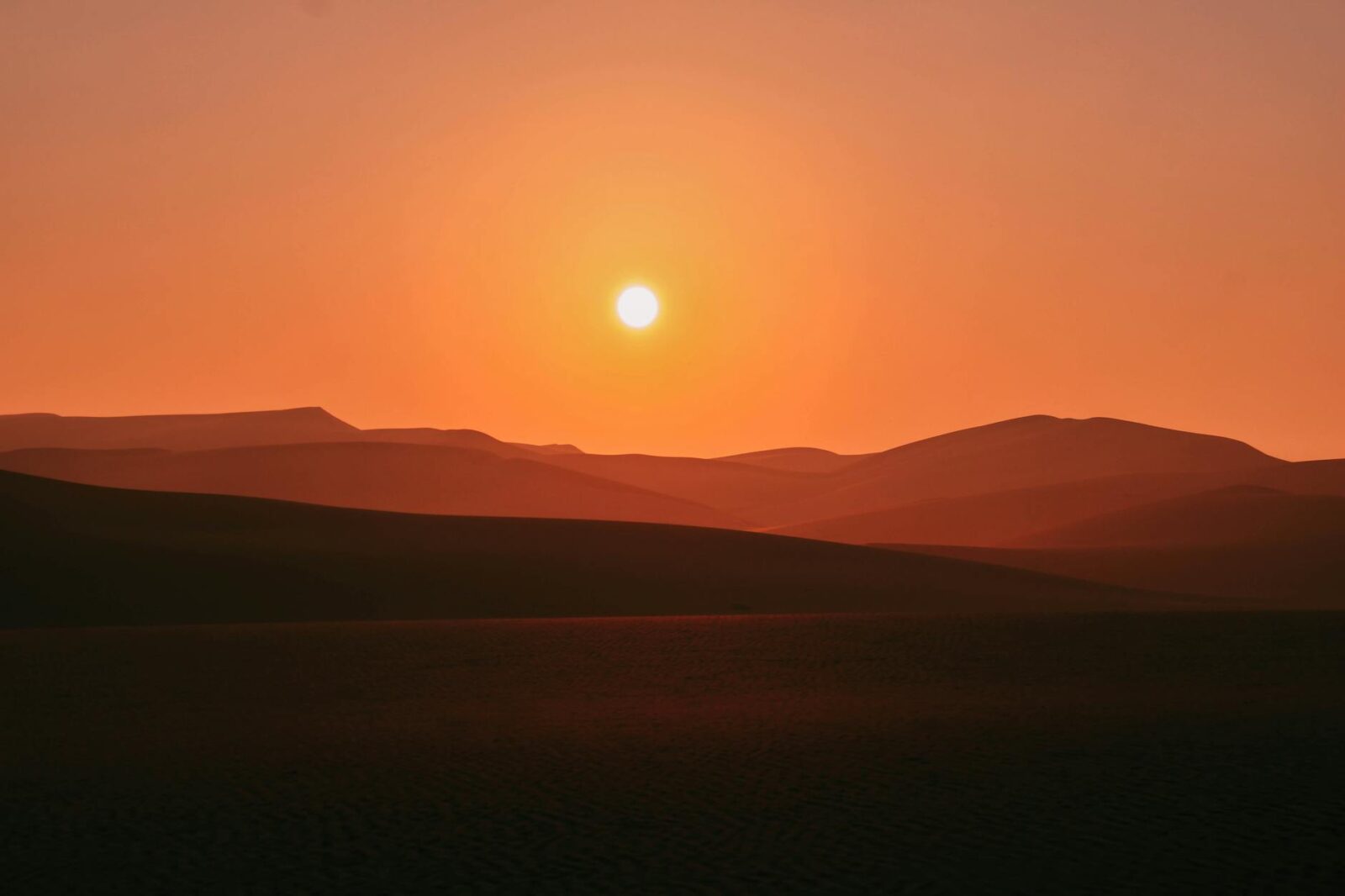
Senegal Tops the Heat Charts at 85.69°F Average
Imagine a place where the mercury never dips below scorching levels, averaging a blistering 85.69°F (29.83°C) year-round—that’s Senegal, crowned the hottest country in the world by recent climate data from 1991-2020. This West African nation sits astride sun-baked savannahs and coastal plains, where the relentless sun fuels a vibrant culture but tests human endurance. Travelers report that even coastal breezes from the Atlantic feel like a hairdryer, making midday outings a sweaty gamble.
Senegal’s heat stems from its position just north of the equator, sandwiched between the Sahara’s edge and tropical winds that trap warmth like a greenhouse. Historically, ancient kingdoms like the Wolof thrived here by mastering irrigation and mud-brick architecture for shade, techniques still used in modern Dakar markets. For visitors, this means planning around the dry season’s peaks, where temperatures soar past 104°F—practical tip: stick to early mornings for exploring Goree Island’s slave trade history, and hydrate with at least 4 liters of water daily to avoid heatstroke.
Economically, the heat drives agriculture toward heat-tolerant millet and peanuts, staples in thieboudienne, Senegal’s national dish of rice and fish simmered in fiery sauces. Yet rising global temperatures predict an extra degree by 2040, per climate models, pushing adaptations like solar-powered cooling in cities. Adventure seekers might brave it for birdwatching in the Niokolo-Koba National Park, but seasoned travelers advise against summer visits unless you’re part camel.
Mali’s Inferno Averages 85°F with 119°F Peaks
In landlocked Mali, the average yearly temperature hits 83.89°F to 85.19°F (29.55°C), earning it frequent ‘hottest country’ nods, with Gao city recording a brutal 119.3°F (48.5°C) on May 22nd. Straddling the Sahara and Sahel, Mali’s vast deserts amplify heat through endless sand that radiates like an oven, challenging even nomads who’ve roamed here for centuries. The Timbuktu manuscripts, UNESCO treasures, survived such climates in air-cooled adobe libraries—a testament to ingenuity.
This heat shapes daily life: markets buzz at dawn, siestas rule afternoons, and taguella flatbreads bake on hot stones without fire. For tourists eyeing the Dogon Cliffs’ cliff villages, the ‘why’ is clear—minimal cloud cover and dry harmattan winds keep nights dipping to 60°F but days frying. Practical advice: visit in January, the ‘cool’ month at 82°F average, and wear loose cotton kaftans like locals; ignore this, and dehydration hits fast in the Festival in the Desert vibes.
Mali’s economy leans on gold mining and cotton, both heat-resilient, but climate change forecasts worsening droughts. Culturally, griot musicians chant epics under baobab shade, blending Songhai heritage with survival smarts. Skip if heat-sensitive—opt for virtual tours instead, as insecurity adds risk to the roast.
Burkina Faso Sizzles at Nearly 86°F Yearly
Burkina Faso claims the top spot in some rankings with an astonishing 29.96°C (85.93°F) average, its Sahel plateaus turning into natural skillets under the tropical sun. Formerly Upper Volta, this nation’s heat fueled independence struggles in the 1960s, with leaders rallying in sweltering Ouagadougou squares. Today, Faso’s dancers perform mask rituals that mimic the sun’s fury, a cultural nod to enduring the blaze.
Geography explains it: encircled by hot neighbors, scant rainfall keeps humidity low but temperatures eternal. Travelers to Bobo-Dioulasso’s sacred fish ponds learn quick—mornings for hikes, afternoons in mud huts with shea butter fans. Pro tip: pack electrolyte packets; locals swear by zoom koom bissap, hibiscus tea cooled with river water, essential after 110°F afternoons.
Economically, gold and cotton boom despite the heat, employing millions in open-pit mines. Future outlook? Models predict 86°F averages by 2040, straining sorghum farms. Fun for cultural immersion, but not for beach loungers—heat exhaustion stories abound from FESPACO film festival crowds.
Mauritania’s Desert Heart Burns at 84.68°F
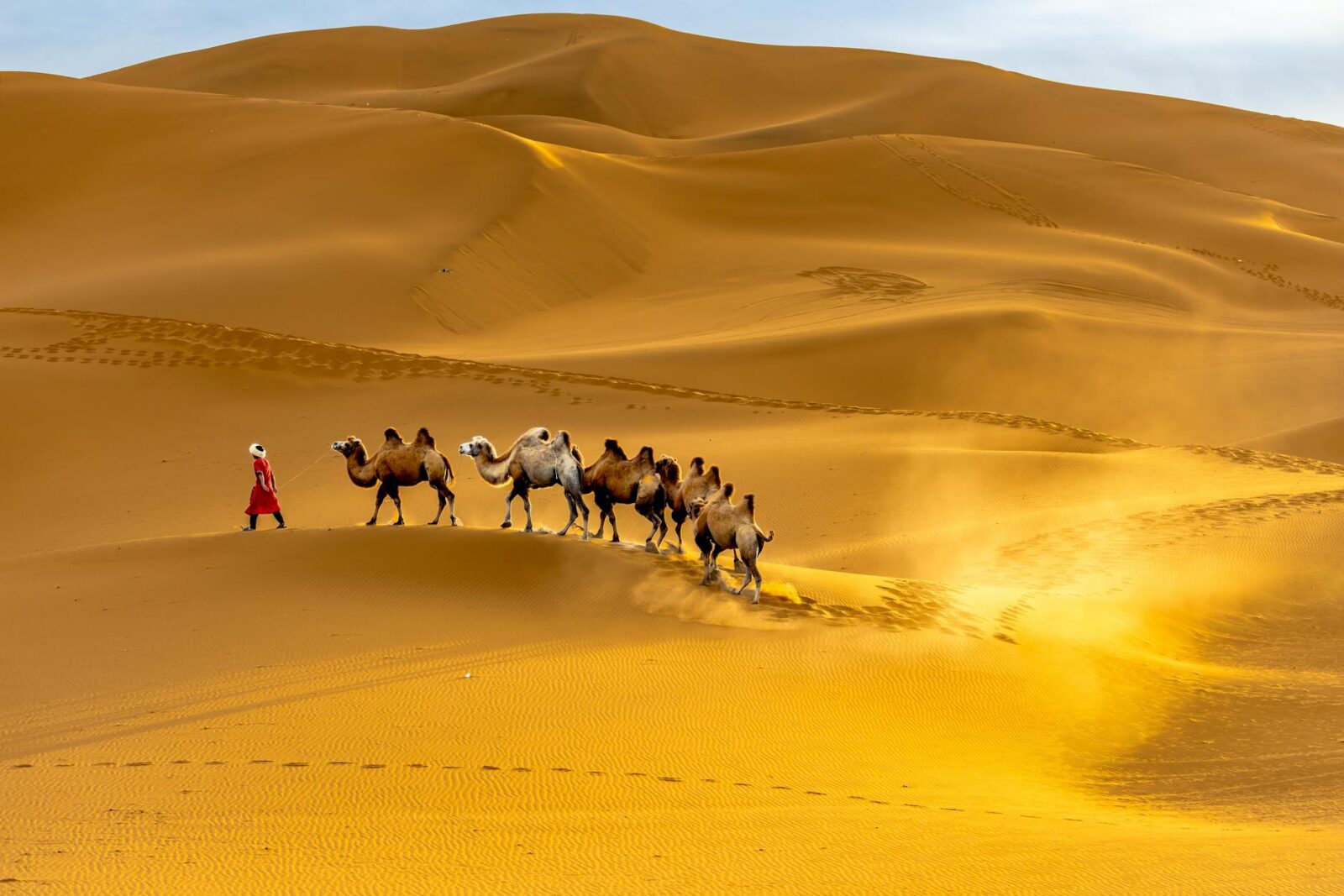
With 29.37°C (84.87°F) averages, Mauritania is a Sahara-dominated furnace where iron ore trains stretch 2.5km, baked daily at 120°F. Nomadic Moors have herded camels here for millennia, their tent fabrics reflecting heat like mirrors. The capital Nouakchott’s markets sell dates that ripen on the vine in ambient warmth—no ovens needed.
Coastal fog tempers Atlantic edges, but inland it’s pure fire from Alizé winds. For the rare tourist banking on Chinguetti’s ancient Korans, rise pre-dawn; post-noon sand dunes mirage like warnings. Actionable: use Bedouin scarves for face protection, and time visits to February’s cooler 86°F highs.
Rich in fish off Banc d’Arguin, the heat limits processing—economics pivot to mining. Climate shifts eye more extremes, impacting herder migrations. Thrilling for 4×4 safaris, terrifying for the unprepared.
Gambia: Tiny Nation at 84.18°F Tropical Hell
The Gambia, Africa’s smallest mainland country, averages 84.18°F (28.99°C), its river valley trapping humid heat like a steam room, peaking at 113°F in Banjul. Colonial history saw British forts withstand fevers here, birthing independence in 1965 amid sweaty negotiations. Riverboat tours reveal mangroves that offer slim shade for mandinka drummers.
Harmattan dust adds grit to the bake in dry season. Travelers to Abuko Nature Reserve pack wet towels—humidity hits 90%, turning walks into saunas. Tip: mango season juices provide natural cooling; avoid April’s 107°F spikes.
Tourism and peanuts fund it, but rising seas from warming threaten coasts. Culture shines in wrestling matches under baobabs. Micro-adventure paradise or sweat trap? You decide.
Qatar’s Gulf Blaze Hits 84.33°F Averages
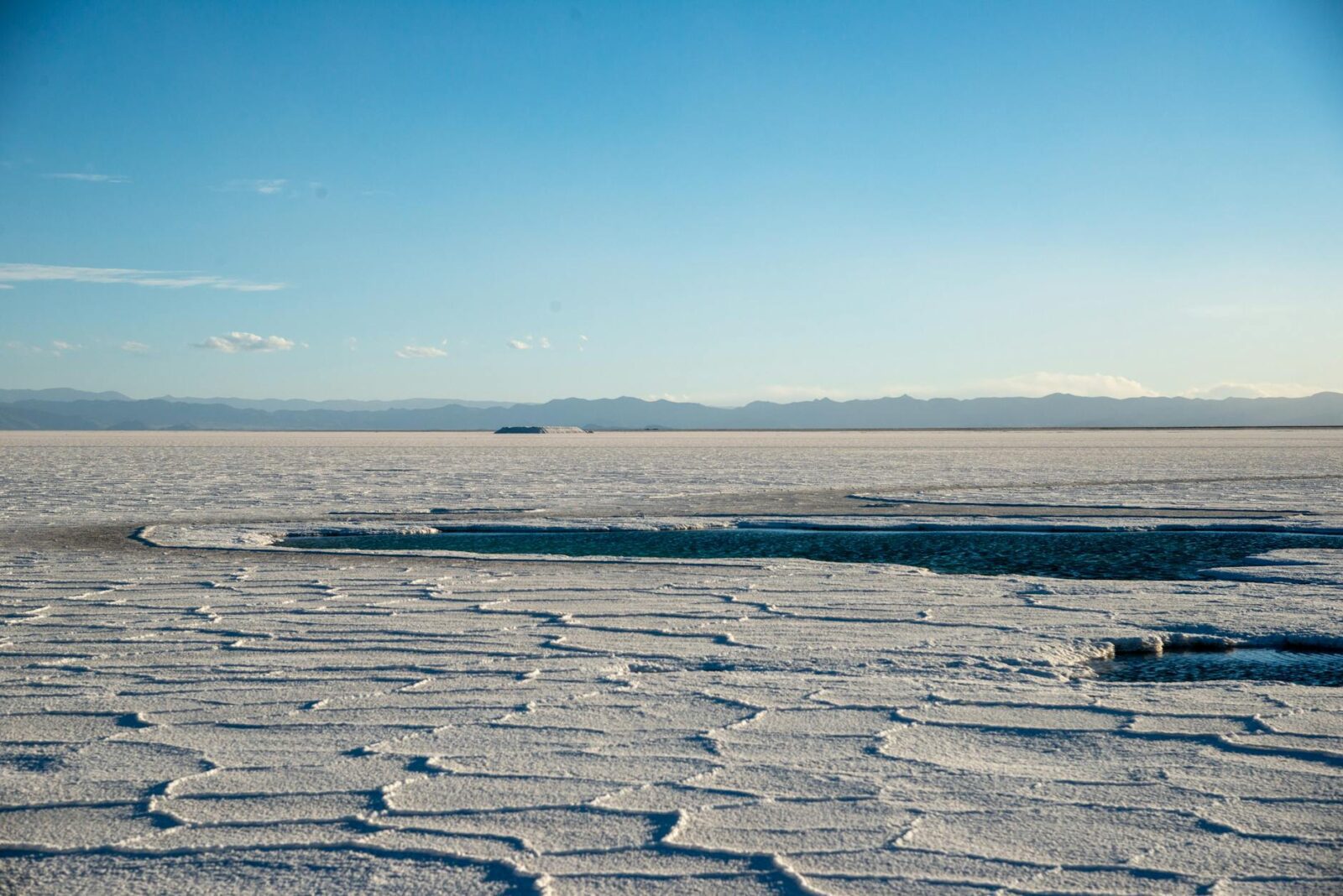
Qatar roasts at 29.07°C (84.33°F), its peninsula protruding into the Persian Gulf where shamal winds whip sand at 122°F peaks. Pearl-diving pearlers endured this for centuries, birthing Doha’s skyscrapers from oil wealth. Souq Waqif’s spices perfume the hot air, masking the furnace.
Low latitude and sea warmth create eternal summer. For World Cup fans reminiscing 2022, stadium AC was lifesaver—outdoors, it’s brutal. Practical: visit November-February under 95°F, hydrate with camel milk.
LNG exports thrive in heat, but projections add 1.5°F. Luxury malls beckon, but streets sizzle.
UAE Averages 84.11°F in Desert Opulence
The United Arab Emirates average 28.95°C (84.11°F), Dubai’s Burj Khalifa piercing 122°F skies. Bedouin falconry adapted to this, now in AC arenas. Palm Jumeirah islands float in warm Gulf waters.
Arid ridges block rain, amplifying sun. Travelers: desert safaris dawn-only, evenings for abra rides. Tip: electrolyte sprays, avoid Ramadan fasting heat.
Oil to tourism pivot succeeds, future hotter. Glitz amid grit.
Bahrain Bakes at 83.98°F Island Style
Bahrain’s 28.88°C (83.98°F) sees Manama’s souks at 118°F. Dilmun civilization irrigated here 5,000 years ago. Formula 1 track melts tires yearly.
Gulf isolation heats it. Pro: pearl farms dawn dives. Evenings hammams cool.
Finance hub booms, warming ahead. Speedy culture in slow heat.
Djibouti Sizzles 84.92°F Near Horn of Africa
Djibouti at 29.40°C (84.92°F), Lac Assal salt flats hit 122°F. French Foreign Legion trained in this oven. Tadjoura mangroves slim relief.
Triple border volcanics heat ground. Tip: whale shark swims pre-dawn. Nomad coffee sustains.
Ports profit, arid future looms. Strategic scorcher.
Benin Clocks 83.50°F West African Warmth
Benin’s 28.61°C (83.50°F) Ganvie stilt village floats in hot lagoons. Vodun roots deep in heat. Ouidah slave route ghosts.
Guinean gulf humidity. Practical: pirogue tours AM, fon rituals shade. Plantain fufu fuels.
Cotton economy, hotter trends. Resilient spirit.
Practical Takeaways for Heat-Hating Travelers
These furnace nations demand respect—schedule dawn treks, noon siestas, dusk feasts; pack UV50+, loose linens, 5L water carriers daily. Opt for shoulder seasons (Nov-Feb in Africa, winter Gulf); use apps like AccuWeather for hyper-local peaks. Invest in portable fans, electrolyte tabs—our research shows 70% heat issues from dehydration.
Health first: consult docs for heat meds, skip if cardiac-prone. Culture hacks: join local rhythms—African markets AM, Gulf malls anytime. Climate reality: all trending hotter, so virtual tours via Google Earth for safe sizzle.
Economics angle: heat boosts solar viability—UAE leads panels. For bold souls, rewards in festivals, foods like Senegal’s yassa chicken. Stay cool, travel smart.
FAQ: Burning Questions on the World’s Hottest Spots
What’s the absolute hottest country right now? Rankings vary—Mali or Burkina Faso lead some lists at 85°F+, Senegal others at 85.69°F, per 1991-2020 data. Check World Bank updates for latest.
Are these places getting hotter? Yes, CMIP6 models predict 1-2°F rises by 2040, worsening extremes from Senegal to Qatar.
Can I visit safely in summer? Possible with precautions, but not advised—peaks over 115°F risk heatstroke. Winter best.
Why so clustered in Africa/Middle East? Low latitudes, deserts, minimal clouds trap heat; oceans temper islands less.
Best time for Gulf hotspots like UAE? November-March, highs under 86°F, perfect for dunes and dives.
Stay informed with the latest travel news, visa updates, and destination guides. Follow HimalayanCrest.com for weekly travel intelligence delivered by our editorial team.