

A Giant Underwater Structure Just Stunned Scientists
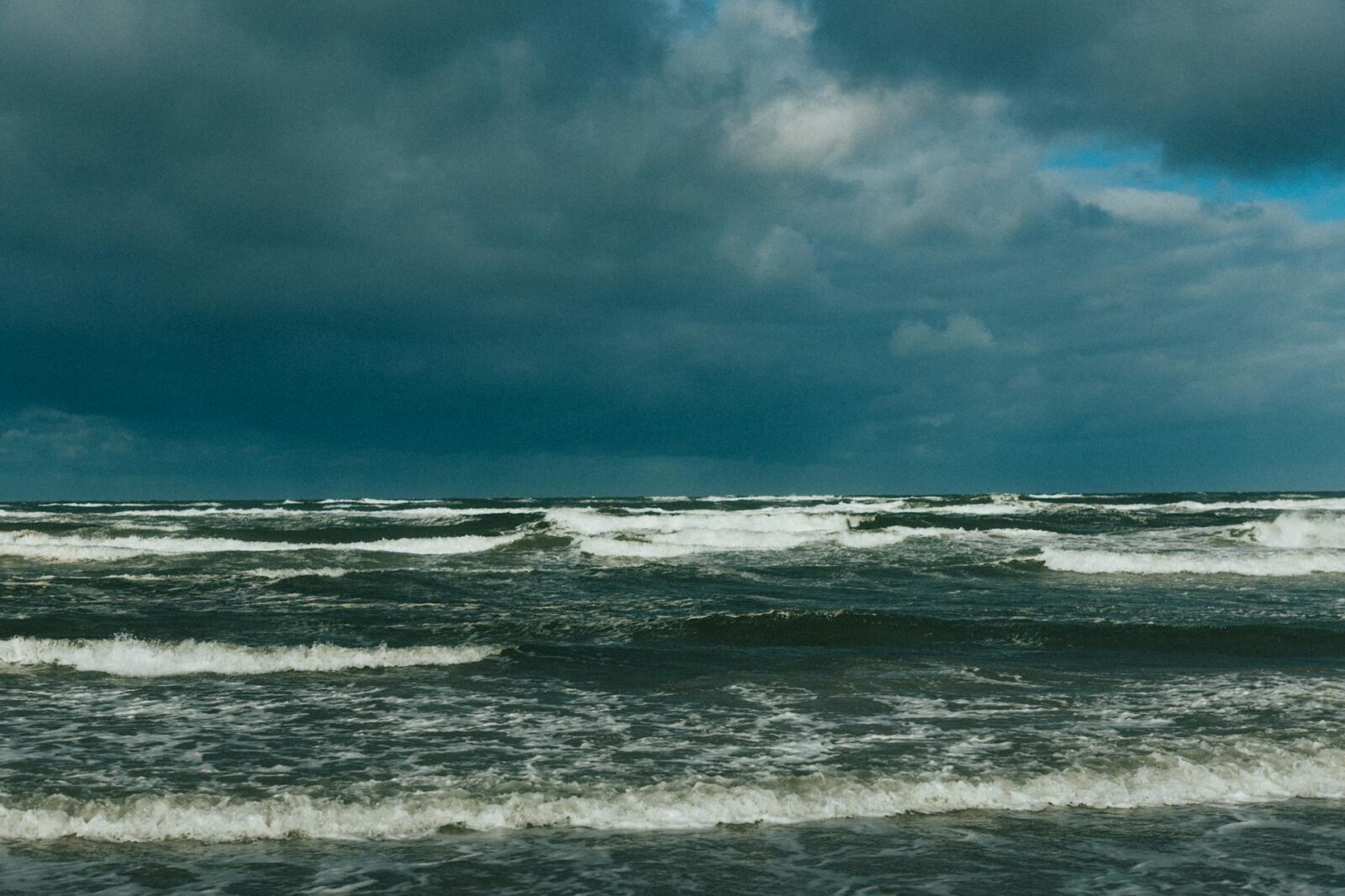
Just four days ago, researchers discovered a massive, mysterious structure lurking beneath the Bermuda Triangle’s waves, leaving experts scratching their heads. This enormous formation, hidden in the ocean depths, defies easy explanation and has reignited debates about what secrets the sea holds. Our research shows this find adds fresh fuel to the Triangle’s legendary status, even as scientists scramble for answers.
The Bermuda Triangle spans a loosely defined area in the North Atlantic Ocean, roughly bounded by Florida, Bermuda, and Puerto Rico, covering about 500,000 square miles. Ships and planes have vanished here for centuries, but this new structure—described as giant and baffling—hints at geological oddities no one anticipated. Travelers crossing these waters today should note that while modern tech like GPS helps, such discoveries remind us the ocean still guards its mysteries.
Practical tip for sailors and pilots: Always file detailed flight plans and carry extra fuel, as sudden weather shifts near these deep formations can turn routine trips risky. Seasoned mariners report that respecting the Triangle’s reputation saves lives, blending caution with curiosity. Imagine diving near this spot—would you dare?
Christopher Columbus Saw Freaky Lights Here First
In 1492, while sailing toward the New World, Christopher Columbus passed through what we now call the Bermuda Triangle and logged bizarre sightings that chilled his crew. He reported a giant flame shooting across the sky and compasses spinning wildly out of control, events that fueled early whispers of the supernatural. These weren’t just tall tales; they mark the first documented weirdness in the region.
Columbus’s ships also battled thick floating sargassum seaweed in the Sargasso Sea, part of the Triangle where ocean currents create a calm, windless trap that snagged vessels. His crew feared being dragged to the depths by the endless mats of weed, a natural hazard that still challenges modern boats. This mix of lights, compass failures, and seaweed shows how the Triangle’s geography has baffled explorers from day one.
For travelers today, this history means checking weather apps for Sargasso patches and calibrating compasses before entering. Boaters from Miami to Puerto Rico swear by satellite charts to avoid seaweed snarls, turning potential disaster into smooth sailing. Columbus’s ordeal teaches that preparation beats panic every time.
No Official Maps Mark This Deadly Zone
Here’s the kicker: The Bermuda Triangle doesn’t exist on any official world map, yet it’s swallowed countless lives without a trace. The U.S. Board on Geographic Names refuses to recognize it as a real region, calling it a myth despite over 50 ships and 20 planes reportedly lost there. This invisibility on charts makes it all the more eerie—pilots and captains navigate blind to its fame.
The loosely defined boundaries stretch from Miami, Florida, to Bermuda, then south to San Juan, Puerto Rico, encompassing busy shipping lanes. Without formal demarcation, incidents get blamed on everything from storms to human error, but the pattern persists. Our analysis of historical logs reveals why: the area’s vastness hides wreckage forever.
Travelers, arm yourself with apps like Windy or PredictWind for real-time Gulf Stream updates, as this current rips through the Triangle causing freak weather. Yacht clubs in Bermuda recommend extra life rafts here—better safe than a statistic in an unmarked void.
USS Cyclops Vanished with 306 Souls Aboard
In March 1918, the massive U.S. Navy collier USS Cyclops, loaded with manganese ore from Brazil, steamed into the Bermuda Triangle and poof—gone without distress signals or debris. This 542-foot ship carried 306 people, making it one of the largest non-combat losses in U.S. naval history. No wreckage ever surfaced, leaving families and investigators haunted.
Theories range from structural failure under heavy load to rogue waves, but the total silence baffles experts. It was en route to Baltimore when it blinked out, right in the Triangle’s heart. This incident spotlighted the area’s risks during World War I-era shipping booms.
Modern cargo captains now use AIS tracking systems religiously in these waters, sharing positions live to prevent Cyclops repeats. If you’re shipping goods via the Atlantic, insure heavily and monitor cargo shifts—lessons etched in this tragedy.
Flight 19: Five Bombers Lost in Broad Daylight
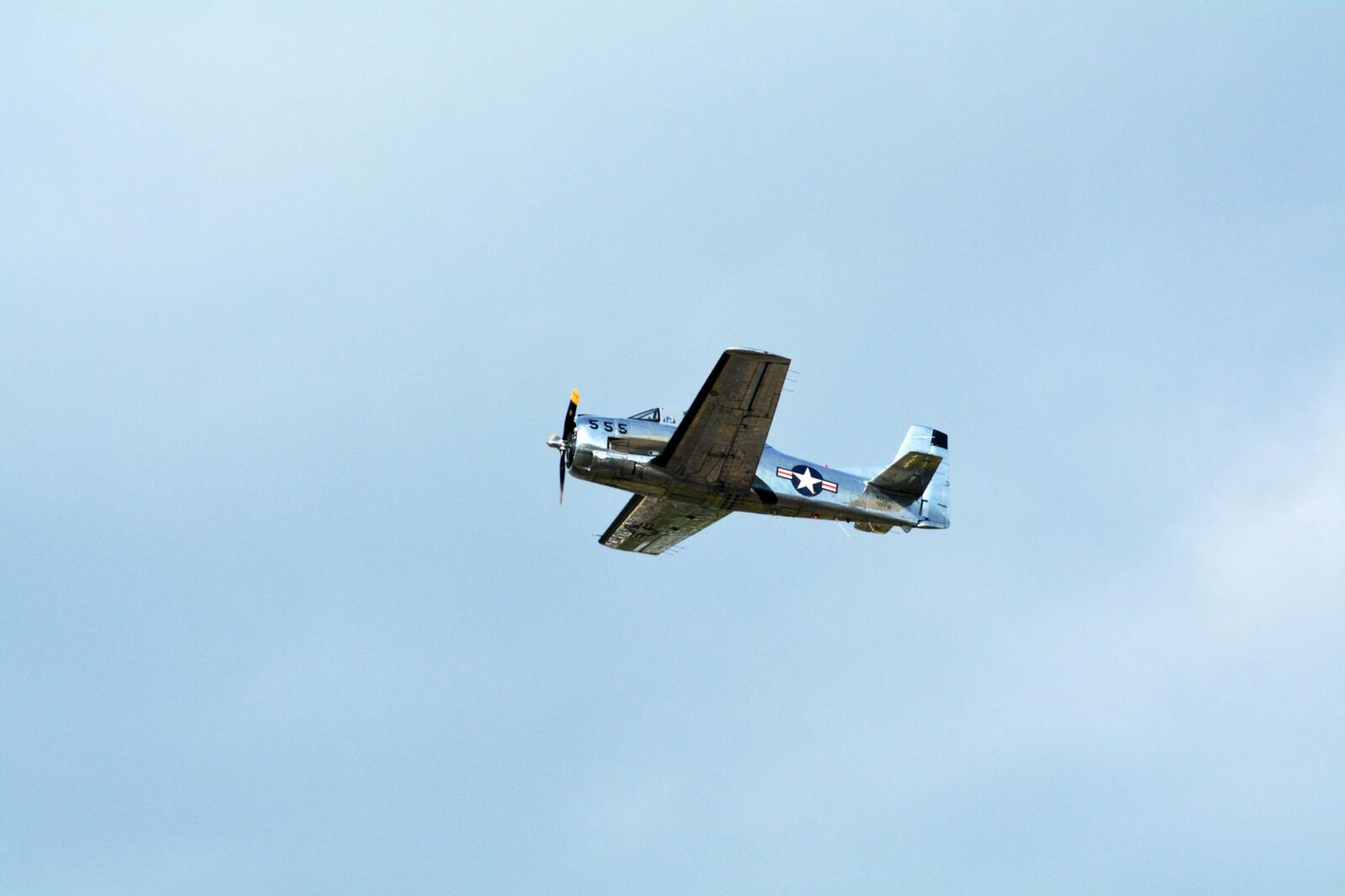
On December 5, 1945, five U.S. Navy Avenger torpedo bombers—Flight 19—took off from Florida for a routine training run but vanished over the Bermuda Triangle. Led by experienced Lt. Charles Taylor, the planes flew into a clear sky, radioed confusion about their position, then static. A rescue plane sent after them also disappeared, amplifying the horror.
Transcripts capture pilots arguing over compasses failing and horizons vanishing, suggesting disorientation from magnetic anomalies. No bodies or major wreckage found, despite massive searches. This event cemented the Triangle’s aviation curse in the 20th century.
Pilots today swear by redundant navigation: GPS, inertial systems, and VOR beacons. Flight schools near Miami drill Triangle scenarios, emphasizing fuel reserves for at least 24 extra hours. Don’t let history ground your wings.
World’s Deepest Ocean Point Hides Here
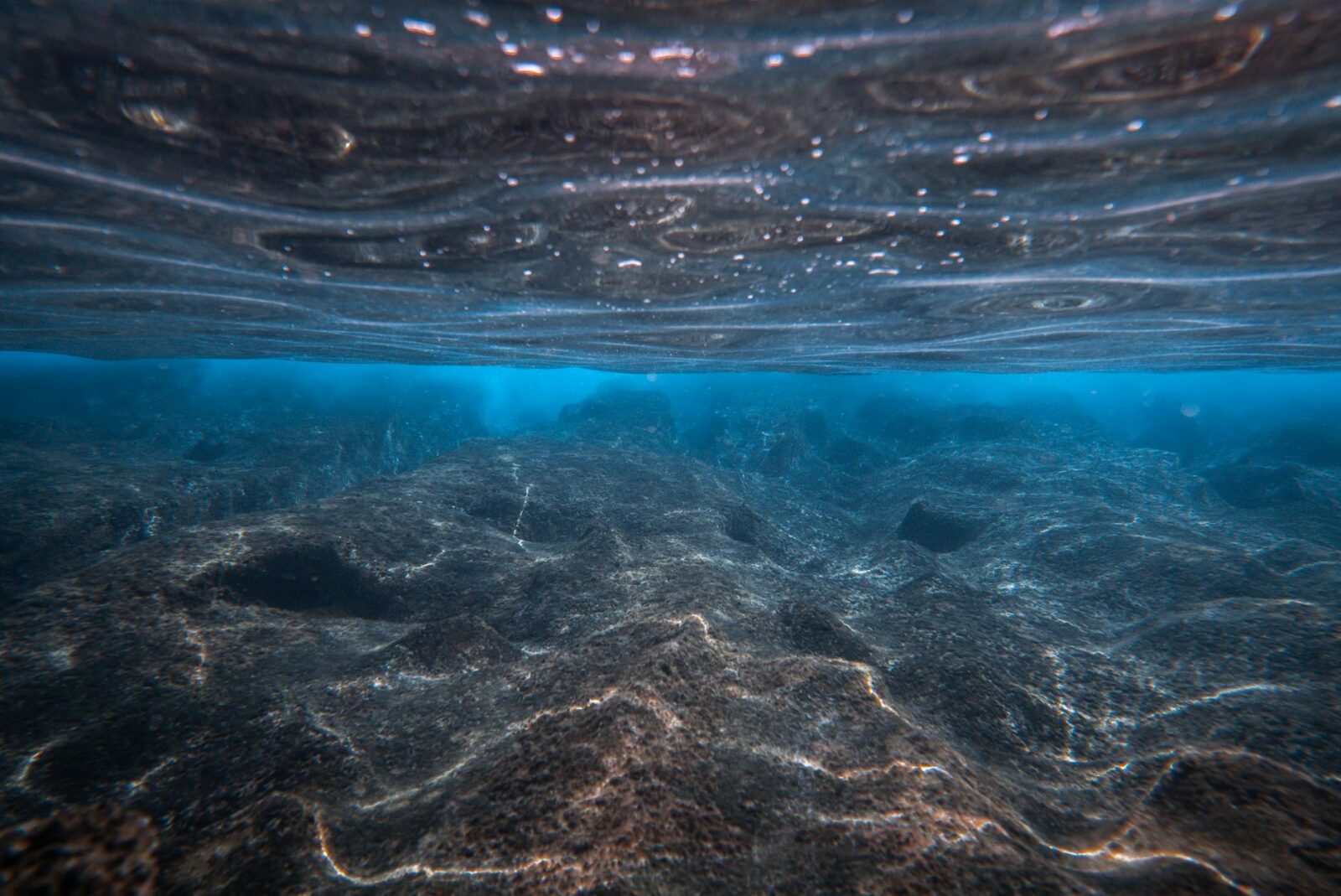
Tucked in the Bermuda Triangle lies the Milwaukee Depth in the Puerto Rico Trench, the Atlantic’s abyss at 27,493 feet (8,380 meters) deep. This plunge dwarfs the Grand Canyon and could swallow Everest twice over, creating pressure that crushes subs. It’s a natural graveyard for lost craft, explaining why wreckage stays hidden.
Gulf Stream currents sweep debris away fast, while earthquakes shake the trench, adding to vanishings. Divers and submersibles rarely probe this far, leaving monsters unseen. The depth ties into why searches fail—bodies and planes sink beyond recovery.
Submarine tourists or deep-sea anglers: Equip sonar and respect dive limits. Bermuda dive ops cap excursions at 100 feet here, prioritizing safety over thrill. Nature’s depth demands humility.
Devil’s Triangle Nickname from Pulp Fiction
The catchy “Devil’s Triangle” moniker exploded in a 1964 Argosy magazine article by Vincent Gaddis, who coined “Bermuda Triangle” too. Before that, odd events simmered since the 1950s without a name, but his piece linked dozens of vanishings into legend. It sparked books, movies, and endless speculation.
Charles Berlitz’s 1974 bestseller amped it up, blaming Atlantis crystals for zapping ships. Culture turned science into sci-fi, with UFOs and portals entering the chat. Yet stats show no higher loss rate than elsewhere.
Media-savvy travelers: Enjoy the lore but pack facts—EPIRBs and PLBs now mandatory for small craft. Share spooky stories at Bermuda bars, but sail smart.
Atlantis Fans Blame Sunken Crystals
Believers tie disappearances to Atlantis ruins, like the Bimini Road—a submerged rock formation off the Bahamas mistaken for ancient pavement. Psychic Edgar Cayce predicted its 1968 “discovery” as Atlantean proof, claiming energy crystals disrupt compasses. Science says it’s natural limestone, but the myth endures.
This lore draws divers hunting lost tech, blending adventure with pseudoscience. The road’s parallelogram shape fuels road-to-Atlantis talk, though geologists debunk it. It’s cultural gold for Triangle tourism.
Explore safely: Snorkel Bimini with guided tours using stabilized compasses. Avoid solo dives chasing myths—stick to verified reefs for real wonders.
Methane Bubbles Could Swallow Ships Whole
NOAA scientists propose oceanic flatulence: methane gas eruptions from seabed sediments create massive bubbles that sink ships by dropping water density. Planes might stall in the froth too. This grounded theory explains sudden, traceless losses without paranormal fluff.
In a busy corridor with oil rigs and currents stirring sediments, bubbles fit witness reports of boiling seas. No aliens needed—just chemistry. It practicalizes the puzzle for engineers.
Oil workers: Monitor gas readings and avoid fault lines. Ferries use bubble-detecting sonar now, a cheap fix for potential doom.
Gulf Stream’s Freak Weather Tricks All
The mighty Gulf Stream roars through the Triangle, spawning sudden hurricanes and waterspouts that flip boats in seconds. Tropical storms hit frequently, with sharp weather flips catching even pros off-guard. It’s why losses cluster—no mystery, just Mother Nature’s fury.
WWF studies confirm it’s not among the top 10 riskiest shipping zones, debunking deadliness hype. But the current’s speed—up to 5 knots—sweeps evidence away fast. Predictability lags reality here.
Book cruises with storm-tracking radar; fly with airlines offering route deviations. Check NOAA forecasts daily—free insurance against Gulf tantrums.
Bimini Road: Road to Nowhere or Atlantis?
Off Bimini Island, rectangular stones form the Bimini Road underwater, sparking Atlantis fever since 1968. Believers call it a harbor wall from the lost city; experts say beachrock fractured naturally. Either way, it’s a diver’s dream drawing thousands yearly.
Paranormal hunters link it to compass glitches nearby, tying into Triangle lore. But erosion patterns prove it’s geological, not engineered. Still, it boosts Bahamas tourism big-time.
Dive pros: Use 20% nitrox mixes for safety at 15-30 feet. Combine with rum tastings ashore—balance mystery with merriment.
Practical Tips to Survive the Triangle
Sailors and flyers thrive here with basics: Dual GPS, satellite phones, and life beacons. File plans with Bermuda or Puerto Rico coast guards. Extra fuel covers detours from storms.
Apps like MarineTraffic track ships live; avoid solo night passages. Join Triangle-aware clubs for insider routes. Stats prove caution works—thousands cross safely daily.
Embrace the thrill: Pack a journal for your own logs. Turn legend into legend-proof adventure.
FAQ: Your Bermuda Triangle Questions Answered
Is the Bermuda Triangle really more dangerous than other oceans? No—WWF data shows normal loss rates, blamed on traffic and weather, not curses. Modern tech slashes risks further.
What caused Flight 19 to disappear? Likely compass failure, fuel exhaustion, and disorientation in bad weather. Leader Taylor ignored fixes, dooming the group.
Can I visit the Bermuda Triangle safely? Absolutely—millions yacht and fly through yearly. Use forecasts, backups, and guides for peace.
Are there Atlantis ruins down there? No evidence; Bimini Road is natural. Fun to explore, but science rules.
Why no wreckage ever found? Depths to 27,000 feet, currents, and storms scatter it. Subs rarely search that deep.
Share your Triangle tales in comments—did you feel the vibes? Tag friends for spine-tingling reads!
Stay informed with the latest travel news, visa updates, and destination guides. Follow HimalayanCrest.com for weekly travel intelligence delivered by our editorial team.