

Where East Meets West: Your First Glimpse of Istanbul
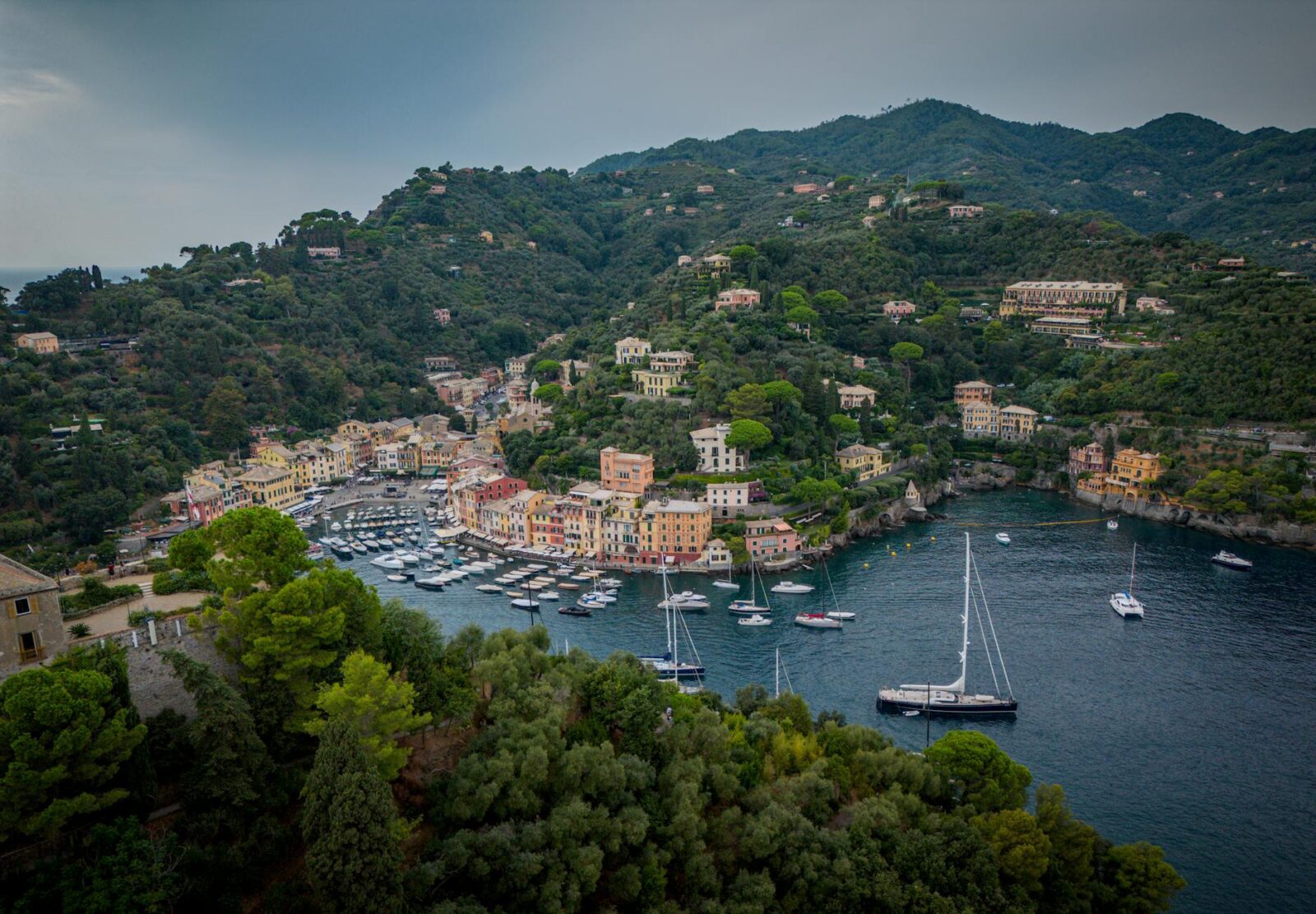
The call to prayer echoes across the Golden Horn as ferries slice through water the color of hammered steel. You’re standing on the Galata Bridge at dawn, fishermen casting lines beside you, and suddenly the city reveals itself in layers—minarets piercing a pale sky, domed mosques catching the first light, the Asian shore glimmering across the strait. This is Istanbul: a city that refuses to be pinned down, where Byzantine emperors once ruled, Ottoman sultans built palaces, and today’s travelers find themselves caught between continents, centuries, and cultures in the most intoxicating way possible. In just 48 hours, you can experience the architectural wonders that have captivated travelers for millennia, taste food that bridges three continents, and understand why this city has been fought over, rebuilt, and cherished for more than 2,600 years. Istanbul isn’t a city you visit—it’s a city that visits you, leaving traces in your memory long after you’ve left.
Right now in 2026, Istanbul is experiencing a renaissance of international interest. The city’s neighborhoods have become increasingly sophisticated without losing their gritty authenticity. Boutique hotels are opening in converted Ottoman mansions, contemporary art galleries are thriving alongside 500-year-old bazaars, and the food scene has evolved into something genuinely world-class while remaining deeply rooted in Turkish tradition. What makes a 48-hour visit work is understanding that you’re not trying to see everything—you’re trying to *feel* everything. The best travelers here move slowly, get deliberately lost in neighborhoods, sit for hours over Turkish coffee, and let the city’s rhythm become their own.
When to Come: Timing Your Istanbul Escape
Istanbul’s weather is as dramatic as its skyline. Late April through May and September through early October represent the sweet spot for most visitors—warm enough for rooftop dining and Bosphorus cruises, but cool enough that exploring Sultanahmet’s marble-paved streets won’t leave you drenched in sweat. During these months, temperatures hover between 18-25°C (64-77°F), the light is crystalline, and the tourist crowds, while present, haven’t reached the suffocating levels of July and August. April specifically offers the advantage of spring energy—gardens blooming, cafés spilling onto streets, locals emerging from winter hibernation with visible enthusiasm.
If you’re traveling in summer (June-August), expect temperatures of 28-30°C (82-86°F) and crowds that can make the Blue Mosque feel like a human cattle market. Winter (November-February) brings rain, gray skies, and temperatures dropping to 5-10°C (41-50°F), but also means fewer tourists, lower prices, and the chance to experience Istanbul as locals actually live it. March and April can be unpredictable—beautiful one day, rainy the next—but the city feels alive with possibility. September and October are genuinely magical: summer heat has broken, crowds have thinned, and the light takes on that golden quality that makes photographers weep. For a 48-hour visit, aim for late April, May, or September if possible. These windows give you the best combination of weather, manageable crowds, and that ineffable sense that Istanbul is welcoming you rather than tolerating you.
Where to Sleep: Finding Your Istanbul Base
Your choice of neighborhood shapes your entire 48-hour experience more than any single attraction. Sultanahmet, the historic heart where the Blue Mosque and Hagia Sophia stand sentinel, offers the most convenient base for first-time visitors. Budget options here range from $30-50 per night in hostels like Cheers Hostel or Argonauta, where you’ll meet other travelers and get solid local tips. Mid-range hotels ($80-150) such as the Vault Hostel’s private rooms or Sirkeci Mansion offer character-filled stays in converted Ottoman buildings, many with rooftop views of the Bosphorus. Luxury properties ($200+) like Four Seasons Sultanahmet occupy actual palaces and offer the kind of service that makes you feel like you’re visiting your own private Istanbul.
If you want to feel less like a tourist and more like a resident, consider Beyoğlu across the Golden Horn. This neighborhood pulses with energy—galleries, independent bookstores, trendy restaurants, and bars that stay open until dawn. Hostels here start at $35-45 per night, mid-range hotels at $90-160, and luxury options like Soho House Istanbul (housed in a 19th-century palazzo with marble staircases, underground gym, and rooftop pool with city views) at $250+. The trade-off is that Beyoğlu requires more walking or tram rides to reach major historical sites, but you gain authenticity and the chance to experience Istanbul’s creative pulse. Ortaköy, the waterfront neighborhood on the European side, offers a middle path—close enough to walk to major attractions, with its own distinct personality built around the picture-perfect Ortaköy Mosque and waterfront cafés. Budget stays here run $40-55, mid-range $100-170, and luxury $220+.
Practical tip: book accommodation in advance, especially if traveling April-May or September-October. Use Airbnb for neighborhood immersion, Booking.com for hotel variety, or Hostelworld for budget social stays. Most neighborhoods have reliable metro or tram connections, so you’re not locked into Sultanahmet unless you specifically want to be.
Day One: History, Icons, and Sunset Magic
Start your first day before the city fully wakes. Aim to be walking down to the Bosphorus by 7:00 AM, when Istanbul still belongs to locals—fishermen, elderly men with prayer beads, a few dedicated joggers. Cross the Galata Bridge on foot, moving from Karaköy toward Eminönü. This isn’t just a bridge; it’s a living cross-section of Istanbul. Below, ferries depart for the Asian shore. Around you, the city’s two shores come into focus: the European side’s minarets and the Asian side’s quieter waterfront. Stop for tea (çay) at one of the small stalls—it costs about 50 cents, tastes better than it should, and gives you time to absorb the moment.
By 8:30 AM, grab a traditional Turkish breakfast at a local café with views of the Blue Mosque. Expect a generous spread: creamy white cheese, black and green olives, sliced tomatoes, honey, fresh bread still warm from the oven, and unlimited tea. The cost is typically $5-8 per person. This isn’t rushed fuel; it’s a ritual. Turks take breakfast seriously, and you should too. Your first full day requires energy, and this breakfast delivers it while teaching you something about how locals approach food—with time, community, and genuine pleasure.
By 9:30 AM, enter the Hagia Sophia. This isn’t just a building; it’s a time machine. Built in 532 CE, it served as a Byzantine cathedral, then an Ottoman mosque, then a museum, and its architectural genius still stops people mid-breath. The massive dome seems to float unsupported. Light streams through windows in ways that feel almost supernatural. Mosaics—some dating back 1,500 years—peek from beneath layers of plaster. Spend at least 90 minutes here. Don’t rush. Sit on the floor, look up, and try to imagine the weight of history pressing down from every angle. Entry is approximately $20 USD.
Next, visit the Blue Mosque, just steps away. It’s called the Blue Mosque because of the Iznik tiles covering its interior in shades of blue, turquoise, and white. Six minarets frame the structure—unusual and striking. It’s free to enter, but check opening times in advance as they shift with prayer schedules. Dress respectfully (covered shoulders and knees; women may need a headscarf). The interior is serene, vast, and genuinely moving. Avoid midday prayer times if you want a quieter experience.
Stroll through Hippodrome Square, where chariot races once entertained emperors. The Obelisk of Theodosius and the Serpent Column stand as reminders of Istanbul’s ancient past. The square is peaceful, lined with cafés, and offers perspective on how this city layers its history.
By noon, descend into the Basilica Cistern, an underground chamber supported by hundreds of ancient columns. It’s atmospheric, slightly eerie, and utterly fascinating. The famous Medusa heads sit in the shadows—originally Roman sculptures, now part of Istanbul’s subterranean mythology. The temperature drops noticeably; bring a light jacket. Entry is approximately $15 USD. Plan for 45 minutes here.
Lunch at a nearby lokanta (traditional Turkish restaurant) around 1:00 PM. Try karnıyarık (eggplant stuffed with spiced meat), köfte (meatballs), or a simple lentil soup (mercimek çorbası). Expect to pay $4-7 for a generous meal. Eat slowly. Watch how locals order, how they interact with the staff, how they take their time.
By late afternoon, head to the Galata Tower for sunset views. The observation deck offers 360-degree panoramic views of the Bosphorus and Golden Horn. Expect 45 minutes to over an hour in line, depending on crowds. Tickets cost approximately $20 USD. Buy your ticket at the entrance, take the elevator to the 6th floor, then climb 146 stairs to the observation deck. The wait is worth it. Watch the light change from gold to orange to deep crimson as the sun descends toward the Asian shore.
End your first day with dinner in Karaköy, the hip neighborhood on the European side of the Golden Horn. This area has exploded with culinary energy—independent restaurants, fish taverns, meyhanes (traditional Turkish bars serving meze). Try meze platters (small plates of appetizers: hummus, baba ganoush, stuffed grape leaves, fried cheese), fresh grilled fish, or lamb kebabs. A generous dinner with wine or beer runs $15-25 per person. End the evening with Turkish coffee at a small café, watching the city lights reflect off the water.
Day Two: Bazaars, Culture, and Waterfront Wonders
Wake around 9:00 AM on your second day and head directly to the Grand Bazaar. This isn’t just a market; it’s a living, breathing organism with over 4,000 shops spread across more than 60 covered streets. It’s one of the oldest and largest covered markets in the world, and it can be overwhelming—which is exactly the point. Come with no agenda except to wander, observe, and occasionally stop to examine something that catches your eye. Bargain for jewelry, textiles, ceramics, spices, and souvenirs. The art of the bargain is part of the experience: shopkeepers will invite you for tea, tell stories, and eventually offer a price. Start at perhaps 60% of the asking price and negotiate upward. Most importantly, only buy things you genuinely want. Entry is free; you pay only for purchases. Plan for 2-3 hours minimum.
By early afternoon, visit the Spice Bazaar, a historic 17th-century market near the waterfront. If the Grand Bazaar is chaotic energy, the Spice Bazaar is sensory overload in the best way. Saffron, sumac, dried chilies, cumin, and dozens of other spices are piled in pyramids of color. The aromas are intoxicating. Vendors offer samples. Prices are reasonable—a large bag of quality saffron runs $8-15, sumac $3-5. This is where locals actually shop, not just tourists. Buy a few spices to take home; they’ll transport you back to Istanbul every time you cook.
Grab lunch from street food stalls in the Eminönü area, which has heavy concentrations of food vendors. Try a simit (sesame-seed bread ring) for $1, or if you’re adventurous, kelle söğüş (sheep’s head, more delicious than it sounds). Döner kebab, fresh fish sandwiches, and boiled chickpeas are all excellent options at $2-5. Street food in Istanbul is legitimate, delicious, and cheap. This is how locals eat.
By mid-afternoon, take a ferry across the Bosphorus. This is non-negotiable—you cannot claim to have experienced Istanbul without crossing the strait by water. Buy a transportation card at kiosks throughout the city (approximately $5-10 for multiple journeys). Ferries depart regularly from Eminönü. A 20-minute crossing costs roughly $1-2 and offers views that rival any paid tour. Disembark in Ortaköy, a lively waterfront neighborhood known for art stalls, cafés, and the picture-perfect Ortaköy Mosque with its baroque design right on the water’s edge. Try a kumpir (loaded baked potato with various toppings) while watching ferries cross the strait—approximately $4-6. This moment—sitting waterside, potato in hand, watching Istanbul’s two continents in conversation—captures something essential about the city.
If energy permits, visit one or two museums in Sultanahmet based on your interests. The Topkapi Palace Museum, former residence of Ottoman sultans, offers insights into imperial life. Entry is approximately $30 USD. Alternatively, explore neighborhood museums or galleries in Beyoğlu. The choice depends on your energy level and interests.
Return to your accommodation to rest. By evening, consider a Bosphorus dinner cruise (optional but highly recommended). These typically depart around 7:00 PM, last 2-3 hours, and include a meal and drinks. Prices range from $40-80 per person depending on the operator. You’ll see both shores illuminated at night, pass under two major bridges, and experience Istanbul from the water as the sun sets. This is the kind of experience that feels touristy but delivers genuine magic.
Alternatively, if cruises don’t appeal, have a final dinner at a neighborhood restaurant of your choice. By your second evening, you should have favorite streets, cafés, and flavors. Return to them. Eat slowly. Reflect on what you’ve seen and experienced. Istanbul reveals itself to those who move deliberately.
Essential Istanbul Food: Tastes That Define the City
Turkish cuisine is a bridge between Mediterranean, Middle Eastern, and Central Asian flavors—a reflection of Istanbul’s position between continents. Meze (small appetizer plates) are the foundation of Turkish eating culture: hummus (chickpea puree), baba ganoush (smoky eggplant), stuffed grape leaves, fried cheese, and dozens of other options. A meze platter for two costs $12-18 and is meant for sharing and conversation. Kebabs come in dozens of varieties—döner (meat roasted on a vertical spit), şiş (meat on skewers), kofta (ground meat formed into patties). A quality kebab plate with rice, salad, and bread runs $8-12.
Fish is essential to Istanbul’s identity. Hamsi (Black Sea anchovy), levrek (sea bass), and çipura (sea bream) are grilled simply with lemon and olive oil. A fresh grilled fish plate costs $12-18. Breakfast is a ritual: menemen (scrambled eggs with tomatoes and peppers), sucuk (spicy Turkish sausage), white cheese, honey, and endless bread. Breakfast for one person is $5-8. Turkish coffee (kahve) is thick, strong, and served in tiny cups—it’s meant to be sipped slowly, not gulped. A cup costs $1-2. Tea (çay) is everywhere and costs 50 cents to $1.
Street food is where Istanbul’s soul lives. Simit (sesame seed bread) is sold by vendors on nearly every street corner for $1. Balık ekmek (fish sandwich) from waterfront vendors is fresh, delicious, and costs $3-5. Mısır (corn) roasted over charcoal, kestane (roasted chestnuts), and roasted chickpeas are all cheap, authentic, and satisfying. Baklava (phyllo pastry with nuts and honey) is ubiquitous but varies wildly in quality—buy from established shops, not tourist traps. A quality baklava costs $2-4.
Dining neighborhoods worth exploring: Beyoğlu for contemporary Turkish cuisine and international options, Karaköy for seafood and meyhanes (traditional bars), Balat for bohemian cafés and casual eateries, and Sultanahmet for tourist-oriented but often genuinely good restaurants. Budget $15-25 for a casual dinner with drinks, $30-50 for mid-range, and $60+ for upscale dining.
Getting There, Getting Around, and Practical Essentials
Istanbul is served by two major airports: Istanbul Airport (IST), the newer international hub about 35km northwest of the city center, and Sabiha Gökçen (SAW) on the Asian side. Most international flights arrive at IST. Airport transfers cost approximately $15-20 by shuttle bus (Havaş), $25-35 by taxi, or $8-12 via metro (slower but cheapest). Journey times range from 45 minutes to 1.5 hours depending on traffic and method.
Within the city, public transportation is efficient and cheap. Buy a transportation card (Istanbulkart) at kiosks throughout the city for approximately $5-10, then load credit onto it. A single journey on metro, tram, or bus costs roughly $0.50-0.75 USD. The T1 tram from Kabataş through Sultanahmet to Bağcılar represents Istanbul’s most useful tourist line—memorize this route as it connects to nearly everything. Ferries across the Bosphorus cost $1-2 and are both transportation and experience. Taxis are plentiful but negotiate fares in advance or ensure the meter is running. Ride-sharing apps (Uber, Bolt) operate in Istanbul and offer transparent pricing.
Visa requirements depend on your nationality. Citizens of most Western countries, including the US, UK, Canada, and EU nations, receive 90-day tourist visas on arrival for free or a small fee (approximately $20 USD for some nationalities). Check your country’s specific requirements at the Turkish government’s official visa website before traveling. Ensure your passport has at least six months validity beyond your travel dates.
Currency is the Turkish Lira (TL). As of April 2026, exchange rates fluctuate, but roughly 30-35 TL equals $1 USD. ATMs are ubiquitous and offer competitive exchange rates. Credit cards are accepted in most restaurants and shops in tourist areas, but carry cash for street food, small shops, and bazaars. Tipping is customary but not obligatory—rounding up bills or leaving 10-15% for good service is appreciated.
Budget Breakdown: What 48 Hours Really Costs
A realistic budget for 48 hours in Istanbul depends on your accommodation choice and dining preferences. Budget travelers can manage on $80-120 total: $35-50 for a night in a hostel, $15-20 for food (street food and casual restaurants), $25-30 for attractions (Hagia Sophia, Basilica Cistern, Galata Tower), and $5-10 for transportation. Mid-range travelers should budget $200-300: $90-150 for mid-range hotel, $50-80 for meals at better restaurants, $35-50 for attractions, and $15-20 for transportation. Luxury travelers can expect $400-600+: $250+ for high-end hotel, $100-150 for dining at upscale restaurants, $50-70 for attractions and experiences, and $20-30 for transportation.
Money-saving tips: eat breakfast and lunch at casual restaurants or street food vendors, splurge on one nice dinner, buy the Istanbul Tourist Pass if visiting multiple paid attractions (approximately $50-70 for 5-day validity covering major sites), use public transportation instead of taxis, and negotiate prices in the bazaar. Free activities include walking neighborhoods, crossing the Galata Bridge, visiting the Blue Mosque (free entry, donations appreciated), strolling through parks, and watching sunset from public viewpoints.
Cultural Nuances and What Not to Do
Istanbul is a Muslim-majority city, and certain cultural sensitivities matter. When visiting mosques, dress respectfully: covered shoulders and knees are essential. Women should carry a headscarf or be prepared to borrow one at the entrance. Remove shoes before entering prayer areas. Don’t point your feet at people—it’s considered rude. When offered tea or food, it’s polite to accept, even if you only take a small amount. Refusing outright can seem dismissive of hospitality.
The call to prayer (ezan) happens five times daily and echoes across the city. It’s not an alarm or disturbance; it’s the rhythm of Istanbul. Embrace it rather than resist it. During Ramadan (dates vary yearly), many restaurants close during daylight hours, and the atmosphere shifts—fewer tourists, more spiritual energy, and evening celebrations after sunset. If traveling during Ramadan, be respectful of fasting and avoid eating, drinking, or smoking in public during daylight hours.
Common tourist mistakes to avoid: don’t expect bargaining to work everywhere (it’s specific to bazaars and informal shops, not restaurants or hotels), don’t photograph people without permission, don’t assume everyone speaks English (learn a few Turkish phrases), don’t dress provocatively in conservative neighborhoods, don’t drink tap water (stick to bottled), and don’t schedule your entire day around seeing every famous site—you’ll exhaust yourself and miss the real Istanbul. The city rewards slowness and curiosity more than rushing between checkboxes.
Locals appreciate effort to speak Turkish, even if your pronunciation is terrible. Learning “Merhaba” (hello), “Teşekkür ederim” (thank you), “Lütfen” (please), and “Affedersiniz” (excuse me) goes a long way. Turks are generally warm, hospitable, and patient with tourists. Don’t be afraid to ask for directions or recommendations—you’ll often receive not just answers but stories and invitations to tea.
Frequently Asked Questions About 48 Hours in Istanbul
Is 48 hours enough time in Istanbul? Yes, 48 hours is enough to experience Istanbul’s major attractions and get a genuine feel for the city, but it’s not enough to truly know it. You’ll see the Blue Mosque, Hagia Sophia, explore the Grand Bazaar, and cross the Bosphorus. However, you’ll miss neighborhoods like Balat and Fener, day trips to the Princes’ Islands, and the slower pace that reveals Istanbul’s true character. Most travel experts recommend 3-4 days for a first visit, but 48 hours delivers a satisfying introduction that often inspires return visits.
Do I need to book attractions in advance? For major sites like Hagia Sophia and Basilica Cistern, booking in advance (through the Istanbul Tourist Pass or directly online) helps you skip lines, which is valuable during peak season. However, you can also buy tickets on-site—you’ll just wait longer. The Grand Bazaar and Spice Bazaar require no advance booking. Bosphorus cruises benefit from advance booking during busy months, but walk-up options usually exist. For a 48-hour visit, advance booking isn’t essential but reduces stress and maximizes time.
What’s the best way to get from the airport to my hotel? The metro is cheapest ($8-12 and 45-90 minutes depending on your hotel location), shuttle buses are comfortable and reasonably priced ($15-20 and 45-60 minutes), and taxis offer direct service but cost $25-35 and depend on traffic. For your first arrival when you’re tired, a shuttle or taxi might be worth the extra cost. For departure, the metro is fine if you’re not rushed. Ride-sharing apps offer middle-ground pricing ($18-25) with door-to-door service.
Is Istanbul safe for solo travelers? Yes, Istanbul is generally safe for solo travelers, including solo women travelers. Neighborhoods like Sultanahmet, Beyoğlu, and Karaköy have heavy tourist and local presence. Use standard travel precautions: avoid displaying expensive items, don’t accept drinks from strangers, and trust your instincts. Avoid large demonstrations (early 2026 saw some protests related to local politics, so check local news each morning). Most travelers report feeling safe and welcomed. Solo travel in Istanbul is genuinely rewarding—you move at your own pace, make spontaneous decisions, and often have unexpected conversations with locals and other travelers.
What should I pack for 48 hours in Istanbul? Pack light—you’ll be walking extensively and navigating crowds. Comfortable walking shoes are essential. Bring layers because temperature varies between neighborhoods and indoor/outdoor spaces. A light scarf is useful for mosque visits and can protect from sun. Bring a refillable water bottle (tap water isn’t recommended, but many cafés will refill bottles). Sunscreen, sunglasses, and a hat are important. A small backpack works better than a large suitcase for navigating crowds and cobblestone streets. Phone charger is essential. Modest clothing (covered shoulders and knees) is respectful, especially in conservative neighborhoods. One nicer outfit for evening dining is useful if you plan upscale restaurants.
Why Istanbul Deserves Your 48 Hours Right Now
Istanbul in 2026 is experiencing a creative renaissance while remaining authentically rooted in its history. The food scene has evolved into something genuinely world-class. Neighborhoods like Beyoğlu are thriving with galleries, independent bookstores, and innovative restaurants. Yet the Blue Mosque still stands as it has for 400 years, the Grand Bazaar still operates according to rhythms established centuries ago, and the Bosphorus still divides two continents with the same majesty it always has. The city is becoming more cosmopolitan without losing its soul—a rare balance that makes it feel urgent to visit now, before it changes further.
A 48-hour visit to Istanbul isn’t about checking boxes. It’s about standing on a bridge between continents, tasting food that connects three cultures, walking streets where empires rose and fell, and experiencing a city that refuses to be simple or one-dimensional. You’ll leave with aching feet, spice-stained fingers, and a head full of images and stories. You’ll also leave knowing you’ll return—Istanbul has that effect on people. Every traveler who spends two days here becomes a lifetime Istanbul enthusiast, forever chasing that feeling of standing between East and West, ancient and modern, sacred and profane, all at once.
Stay informed with the latest travel news, visa updates, and destination guides. Follow HimalayanCrest.com for weekly travel intelligence delivered by our editorial team.