


Canada’s Proactive Response to Natural Disasters
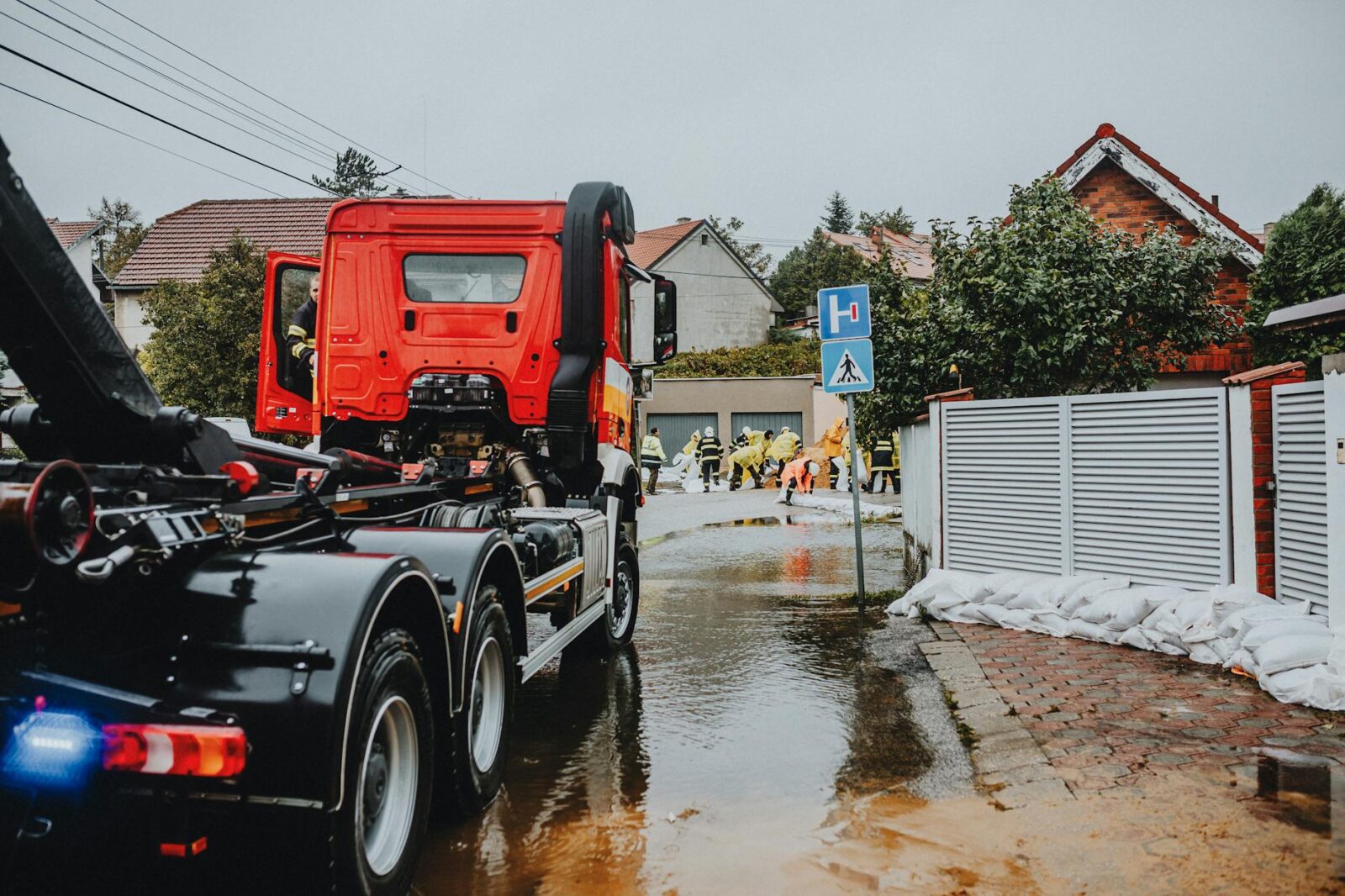
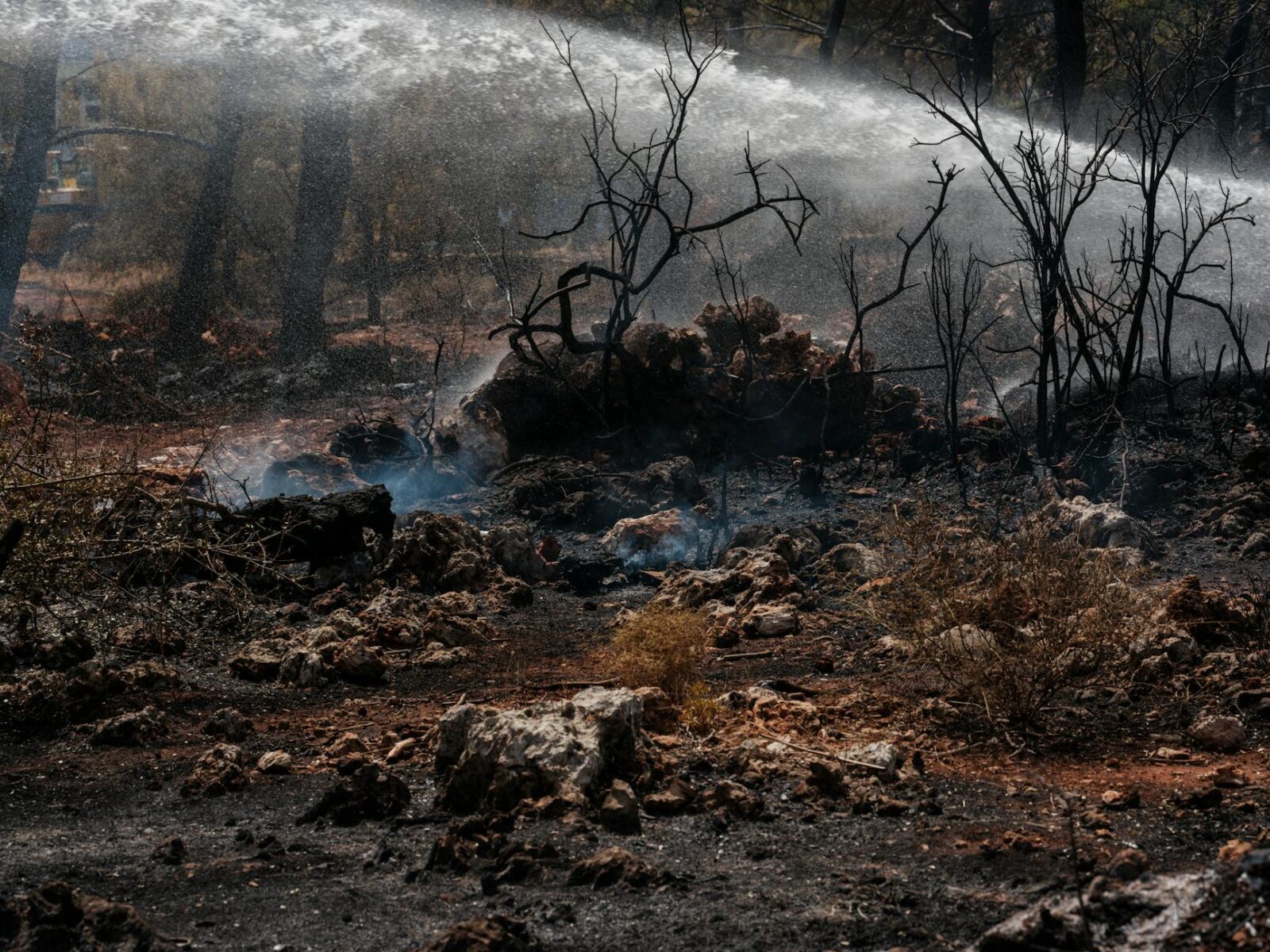
As climate change continues to reshape our environment, Canada is witnessing an increase in natural disasters, from devastating wildfires to severe flooding. In a move to address these challenges, the Canadian government has announced new immigration measures aimed at supporting both residents and foreign emergency personnel affected by domestic natural disasters. These measures, effective from April 1, 2026, to November 30, 2028, highlight Canada’s commitment to providing flexibility and swift assistance in times of crisis.
New Measures and Their Implications
The newly introduced measures allow temporary residents in Canada, such as international students, temporary foreign workers, and visitors, to replace lost or damaged status documents and extend or restore their status even beyond the usual 90-day restoration period. Additionally, foreign emergency services personnel from visa-required countries can enter Canada without the standard application or biometric fees, ensuring quicker response times during emergencies. This is a significant departure from the usual stringent immigration protocols, reflecting a nuanced understanding of the urgent needs during disaster situations.
Who Benefits from These Changes?
These measures primarily benefit temporary residents in Canada who may lose vital documentation due to natural disasters. The policy changes also extend to foreign emergency personnel, whose expedited entry into Canada is crucial for effective disaster response. With these measures, Canada ensures that those who are already contributing to the country’s economy and society, as well as those coming to offer aid, are supported adequately.
Steps for Affected Individuals
For temporary residents impacted by natural disasters, the immediate step is to contact the Immigration, Refugees and Citizenship Canada (IRCC) to begin the process of document replacement or status restoration. It’s essential to provide a signed attestation letter detailing how the disaster affected them, along with the code “NaturalDisaster2026”. Meanwhile, foreign emergency personnel should coordinate with their respective agencies and the Canadian government for fee exemptions. Detailed guidance is available on the IRCC’s official website, providing clarity on eligibility and application processes.
Comparing Global Policies on Natural Disaster Response
Globally, countries are adapting their immigration policies to address the increasing frequency of natural disasters. For instance, Australia has similar provisions for extending visas for those affected by bushfires, and the United States has temporary protected status for nationals from countries experiencing disasters. Canada’s approach, however, is distinctive in its focus on both domestic residents and international aid workers, offering a comprehensive support system that balances humanitarian needs with immigration control.
Impact on Investors and Future Immigration Trends
For investors and those considering Canada for permanent residency, these measures underscore the country’s resilience and adaptability in the face of environmental challenges. By maintaining stability for temporary residents and ensuring swift disaster response, Canada continues to be an attractive destination for investment and immigration. This proactive stance may also influence other nations to adopt similar policies, further integrating climate response into immigration frameworks.
FAQs
1. How can I apply for status restoration if affected by a natural disaster?
You can apply through the IRCC’s online portal, providing necessary documentation and the attestation letter with the code “NaturalDisaster2026”.
2. What fees are waived for foreign emergency personnel?
Standard application and biometric collection fees are waived to expedite their entry into Canada during a disaster response.
3. Are these measures applicable to all natural disasters?
Yes, these measures apply to any natural disaster occurring within Canada during the specified timeframe.
4. Can I extend my work or study permit under these measures?
Yes, affected individuals can extend their permits, even if they are beyond the standard restoration period.
5. Where can I find more information?
Visit the IRCC’s official website for detailed information on eligibility, application processes, and updates.
Conclusion: A Model for the Future
Canada’s new measures for those impacted by domestic natural disasters set a precedent in integrating climate change response into immigration policy. This initiative not only supports those directly affected but also facilitates international collaboration in disaster response. As climate challenges continue to rise, such innovative approaches will be essential in fostering global resilience. Share your thoughts on how these changes might impact you or your community below.
Stay informed with the latest travel news, visa updates, and destination guides. Follow HimalayanCrest.com for weekly travel intelligence delivered by our editorial team.