

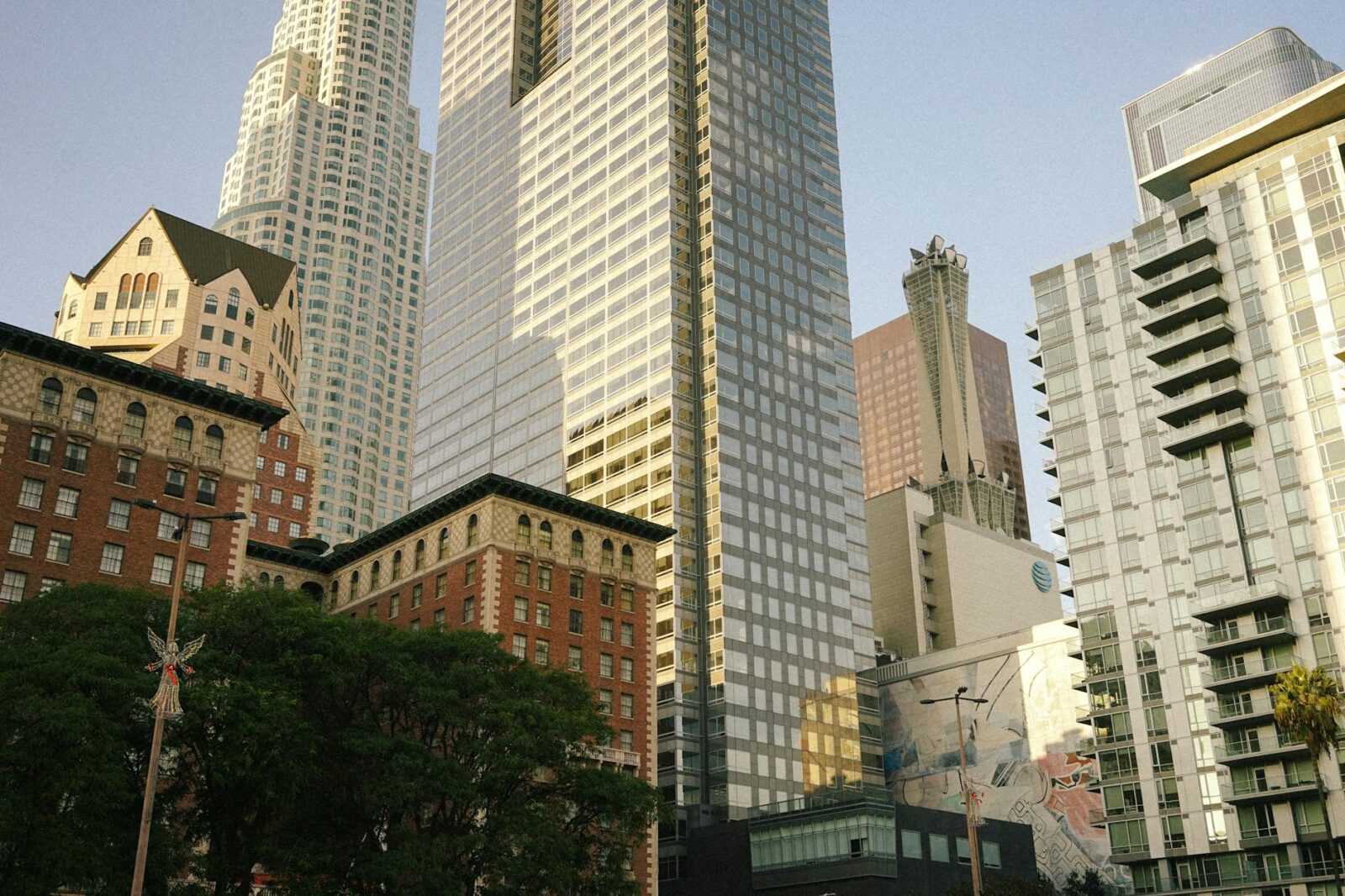
China’s Towering Dominance
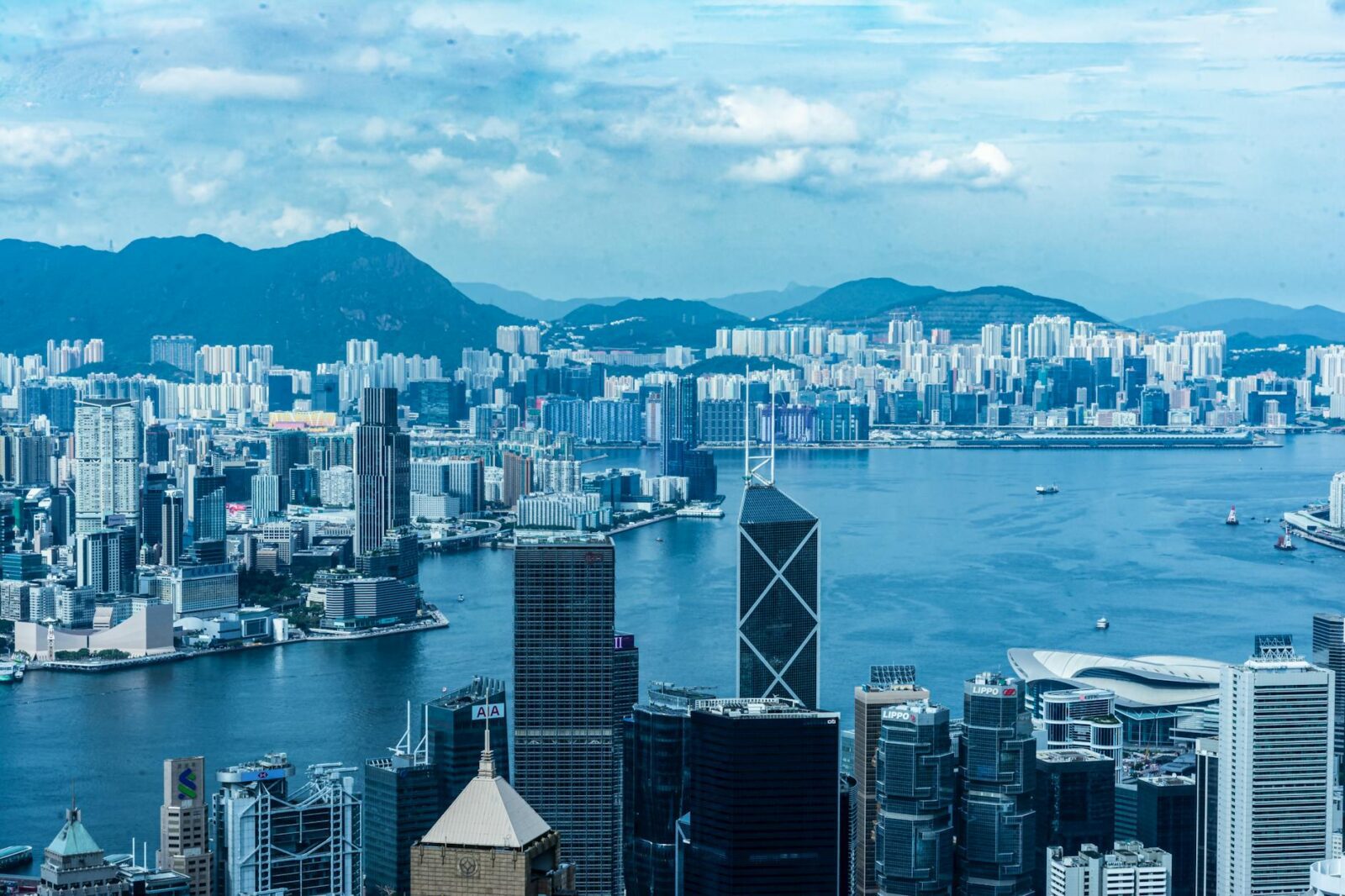
China is not just a country; it’s a vertical phenomenon. With over 2,800 skyscrapers standing tall, China leads the world in these towering structures. This number dwarfs even the United States, which ranks second. The remarkable skyline of Hong Kong, boasting 569 skyscrapers, is a testament to China’s architectural ambitions.
But why does China dominate this space? Rapid urbanization and economic growth have fueled the need for high-rise buildings to accommodate businesses and a growing population. Cities like Shenzhen, with over 300 skyscrapers, are models of modern urban planning. For travelers, China’s cities offer a unique blend of futuristic skylines and traditional culture, making them irresistible destinations.
New York City: The Historic Skyscraper Pioneer
New York City has long been synonymous with skyscrapers. With 317 skyscrapers, it remains the tallest city in the United States. The iconic Empire State Building and One World Trade Center are just a couple of the highlights in this concrete jungle.
New York’s skyscraper history dates back to the late 19th century, when economic booms and technological advancements converged to create towering architectural wonders. Travelers can explore these historic buildings and enjoy breathtaking views from observation decks, offering a glimpse into the city’s storied past.
Dubai: A Modern Marvel in the Desert
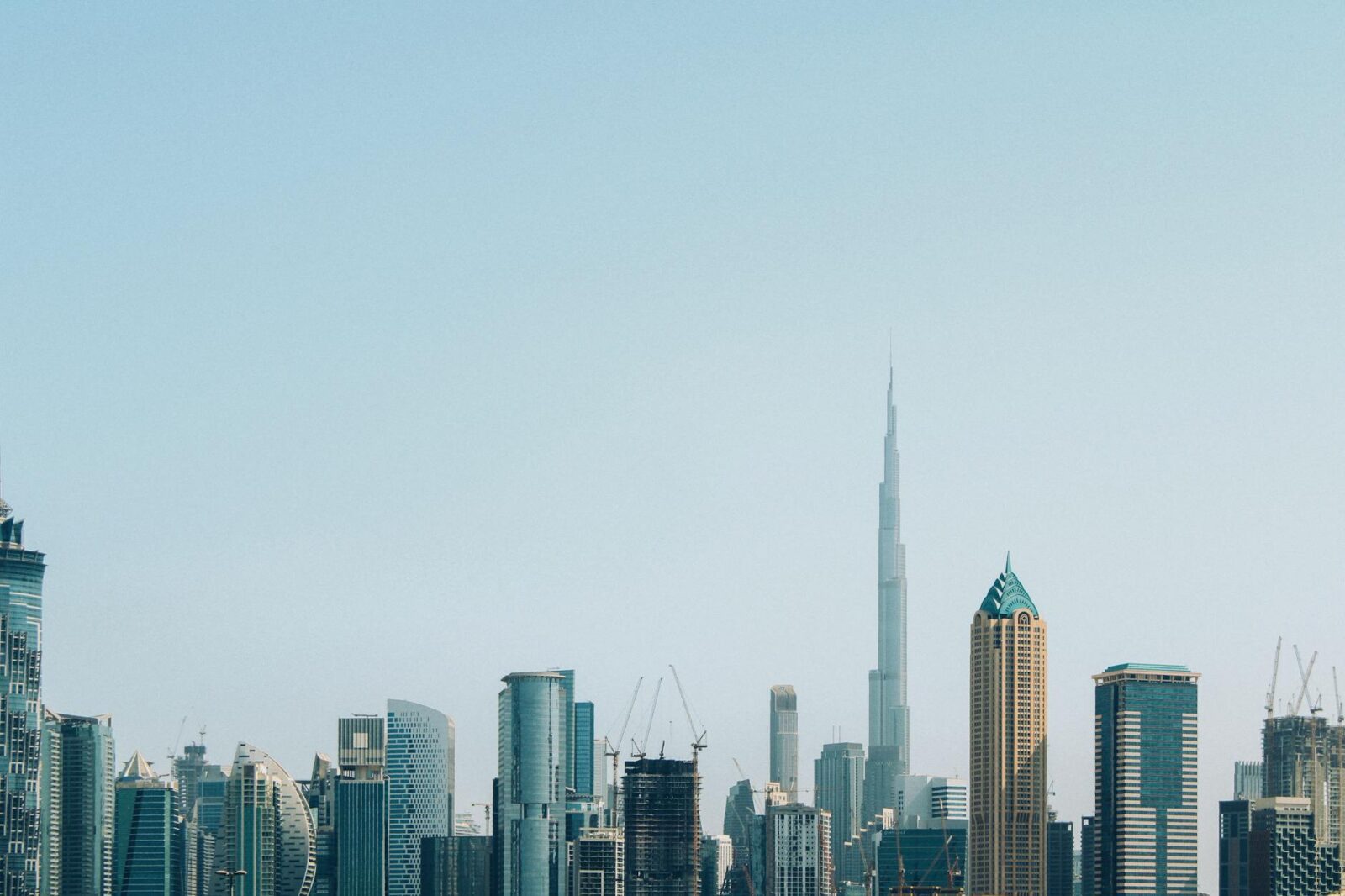
Dubai has transformed from a desert outpost to a skyscraper capital with over 160 skyscrapers. The Burj Khalifa, the world’s tallest building at 828 meters, stands as a symbol of Dubai’s ambition and innovation.
Dubai’s rapid growth is fueled by oil wealth and a strategic push to diversify its economy. The city’s skyline reflects its aspirations to be a global hub for tourism and business. Visitors can marvel at the architectural feats, dine at sky-high restaurants, and enjoy luxury shopping experiences.
South Korea’s Vertical Growth
South Korea, particularly Seoul, is home to a burgeoning skyline with over 150 skyscrapers. The Lotte World Tower, standing at 555 meters, is the tallest in the country and the fifth tallest in the world.
South Korea’s skyscraper boom is driven by limited land space and a high population density, necessitating vertical growth. Travelers to Seoul can explore the city’s rich cultural heritage while enjoying the modern conveniences offered by its high-rise structures.
India’s Ascending Ambitions
India, with cities like Mumbai leading the charge, boasts over 200 skyscrapers. The country’s tallest building, the Palais Royale, reaches 320 meters, showcasing India’s growing prowess in skyscraper construction.
India’s urban centers are expanding rapidly due to economic growth and population pressures. Skyscrapers in cities like Mumbai offer breathtaking views of the cityscape and the Arabian Sea. Travelers can experience the vibrant culture, diverse cuisine, and bustling markets that coexist alongside these architectural giants.
Japan: Merging Tradition with Modernity
Japan, known for its blend of tradition and modernity, is home to over 250 skyscrapers. The Tokyo Skytree, while technically a tower, is a notable example, standing at 634 meters.
Japan’s skyscraper development is a response to limited land and seismic activity, leading to innovative engineering solutions. Visitors to Tokyo can explore ancient temples and shrines, then gaze at the skyline from observatories like the Tokyo Tower, which offer panoramic views of the city.
Malaysia’s Petronas Pride
Malaysia, particularly Kuala Lumpur, is famous for the Petronas Twin Towers, which held the title of the world’s tallest buildings from 1998 to 2004. With 80 skyscrapers, Kuala Lumpur is a rising star in the skyscraper world.
Malaysia’s skyline reflects its economic progress and aspirations to be a regional business hub. Travelers can visit the Petronas Towers’ sky bridge and enjoy the cityscape from above, while also exploring the cultural and culinary delights of Kuala Lumpur.
Australia’s Skyline Surprises
Australia, known for its natural landscapes, also has a growing number of skyscrapers, with over 130 spread across cities like Sydney and Melbourne. The Q1 Tower in Gold Coast is the tallest building in the country.
Australia’s skyscraper boom is driven by urban development and a growing population in its major cities. Visitors can enjoy a mix of urban and natural experiences, from exploring vibrant city centers to relaxing on beautiful beaches.
Practical Takeaways for Travelers
For travelers, skyscrapers offer more than just impressive views; they provide insight into a country’s economic and cultural landscape. Exploring these architectural giants can enhance your understanding of a city’s history and its future direction. Whether you’re dining at a rooftop restaurant in Shanghai, enjoying the view from the Empire State Building, or experiencing the luxury of Dubai’s high-rises, skyscrapers are a window into the heart of a city.
FAQs
Which country has the most skyscrapers?
China leads the world with over 2,800 skyscrapers, a result of rapid urbanization and economic growth.
What is the tallest building in the world?
The Burj Khalifa in Dubai, United Arab Emirates, is the tallest building globally, standing at 828 meters.
Why are skyscrapers important?
Skyscrapers address urban density challenges, symbolize economic power, and often become iconic landmarks that attract tourism.
How do skyscrapers impact tourism?
Skyscrapers are tourist attractions, offering unique perspectives of cities, hosting fine dining, and featuring observatories with panoramic views.
Stay informed with the latest travel news, visa updates, and destination guides. Follow HimalayanCrest.com for weekly travel intelligence delivered by our editorial team.