

Welcome to the Vibrant Heart of South Korea
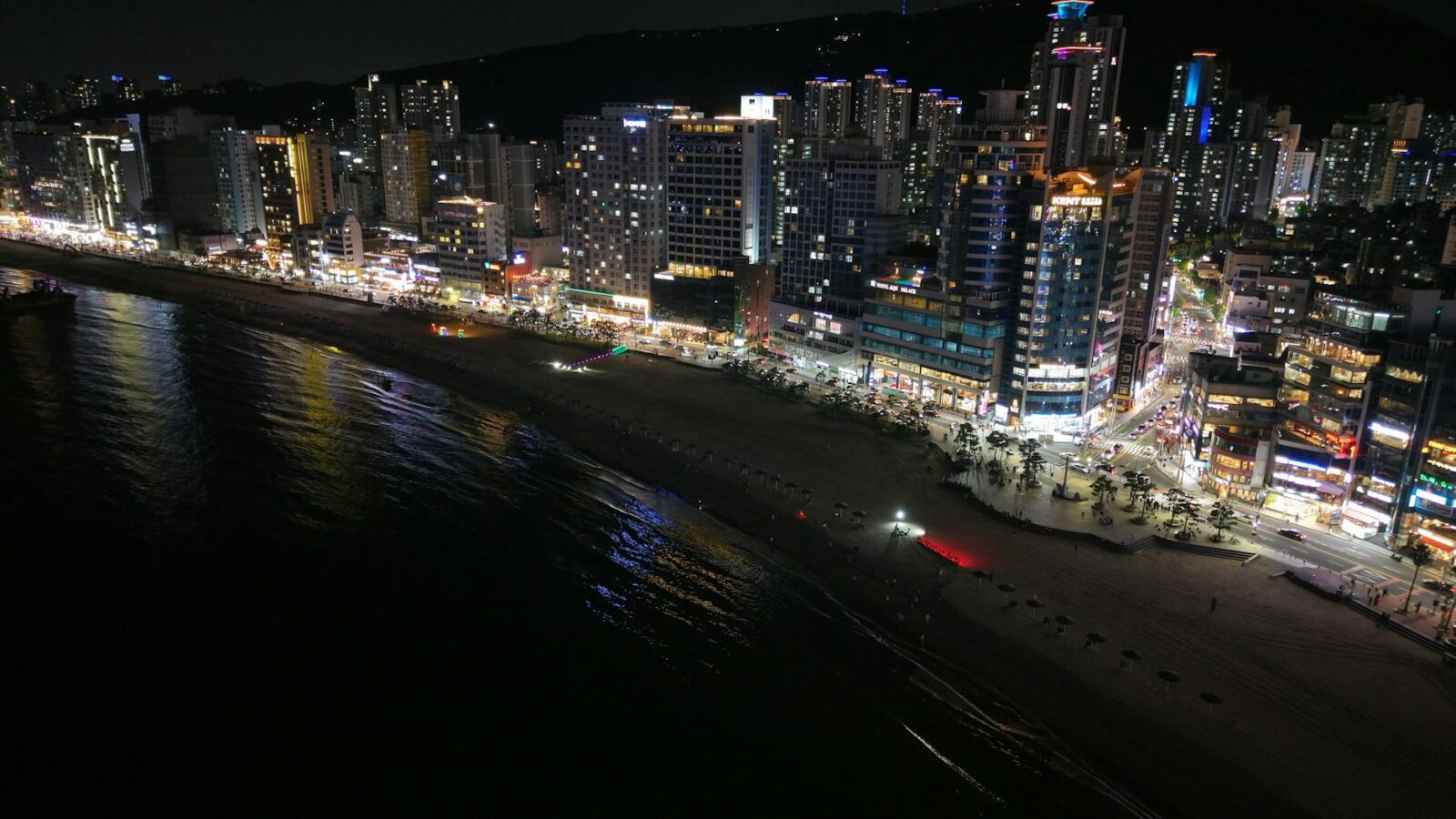
Imagine standing in the bustling streets of Seoul, where the aroma of sizzling street food mingles with the melodic chatter of vendors in the Gwangjang Market. The city hums with energy, blending tradition with modernity in a seamless dance. Beyond the capital, the coastal city of Busan offers a contrasting pace, with its serene beaches and vibrant seafood markets. This journey through South Korea promises a tapestry of experiences, from the historic to the contemporary.
Why South Korea is a Must-Visit Now
South Korea is experiencing a cultural renaissance, driven by the global popularity of K-pop, K-dramas, and its innovative technology sector. The country has become a hotspot for travelers seeking a blend of rich history and cutting-edge culture. As of 2026, the nation has further opened its doors to tourists, with seamless travel infrastructure and vibrant local festivals that make it an irresistible destination.
Best Time to Visit: Weather and Festivals
South Korea’s climate varies significantly by season. Spring (April to June) is ideal for witnessing the Seoul Cherry Blossom Festival, with temperatures ranging from 50°F to 68°F (10°C to 20°C). Summer can be hot and humid, while fall (September to October) offers crisp air and stunning foliage. Winter is cold, especially in the north, but the ski resorts and festive markets provide ample attractions.
Where to Stay: Comforts for Every Budget
In Seoul, consider staying in the trendy district of Hongdae for budget options ($30-50/night) or Gangnam for mid-range accommodations ($80-150/night). For luxury, the Shilla Seoul in Jung-gu offers unparalleled comfort starting at $200 per night. In Busan, Haeundae is perfect for beach lovers, with a range of options to suit all budgets.
Must-Do Experiences in Seoul and Busan
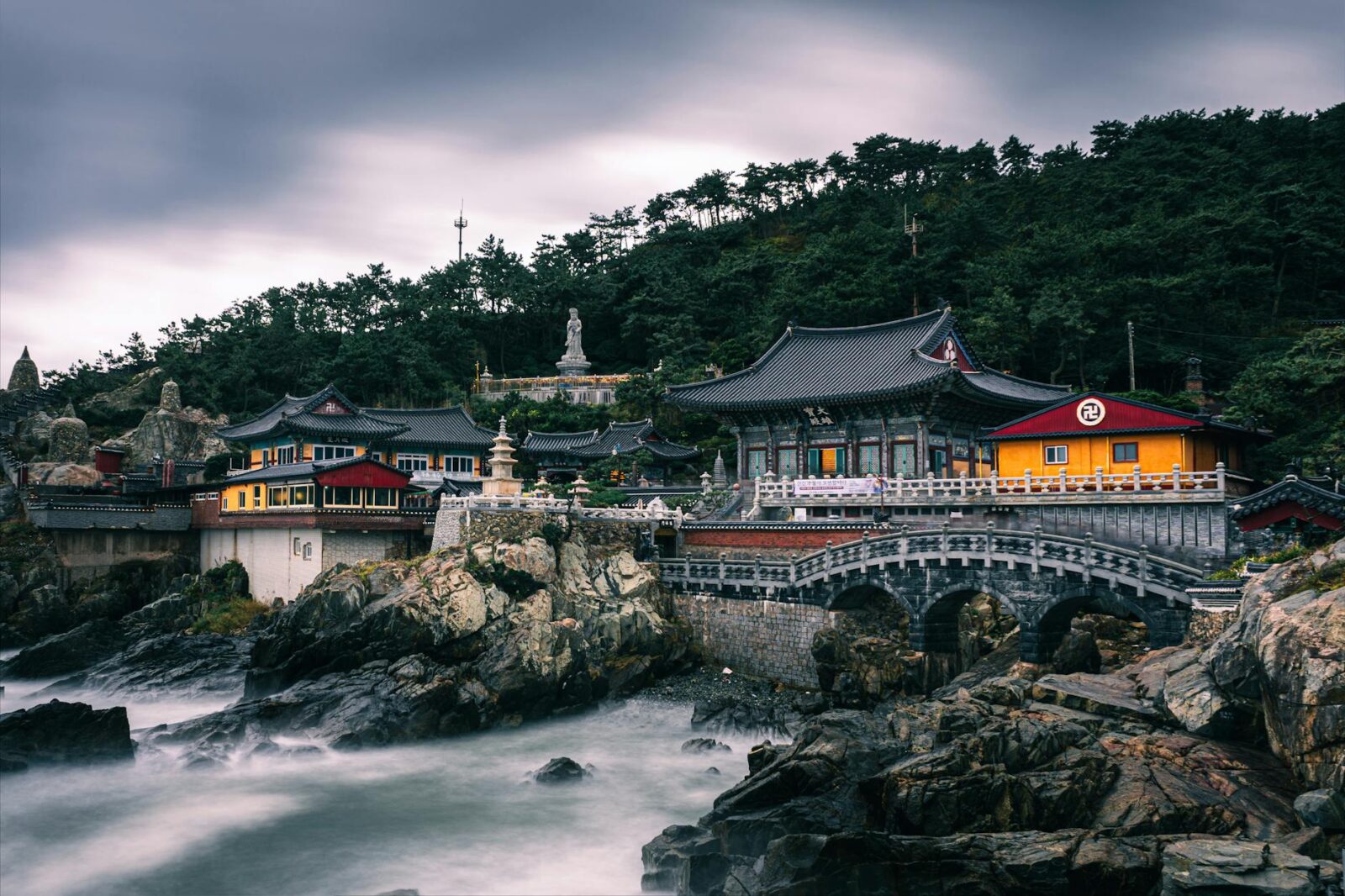
In Seoul, don’t miss the historic Bukchon Hanok Village, where traditional Korean houses offer a glimpse into the past. The dynamic district of Seongsu is perfect for shopping and discovering quirky cafes. In Busan, the vibrant Jagalchi Fish Market is a feast for the senses, while the serene Haedong Yonggungsa Temple offers breathtaking ocean views. A hike along Busan’s coastal trails is highly recommended for nature enthusiasts.
Culinary Delights: Taste the Best of Korea
South Korea is a paradise for food lovers. In Seoul, indulge in tteokbokki (spicy rice cakes) at Gwangjang Market or try samgyeopsal (grilled pork belly) in the lively streets of Myeongdong. Busan is renowned for its seafood; the freshest catches are served at Jagalchi Market. Expect to pay around $5-10 for street food and $20-30 for a sit-down meal.
Travel Logistics: Getting There and Around
Most international flights land at Incheon International Airport, a 45-minute train ride from Seoul. The KTX high-speed train connects Seoul to Busan in under three hours, with tickets costing about $50. South Korea’s public transportation is efficient and affordable, with metro fares in major cities averaging $1.50. Visitors from many countries can enter visa-free for up to 90 days, but always check the latest requirements on official embassy websites.
Embrace Local Culture and Customs
South Koreans value respect and politeness; a simple bow and using two hands when receiving items can go a long way. While English is widely understood in tourist areas, learning a few Korean phrases is appreciated. Avoid tipping, as it is not customary and might be considered rude.
FAQs About Traveling to South Korea
Is South Korea safe for solo travelers?
Yes, South Korea is considered very safe for solo travelers, including women. Violent crime is rare, and public transport is reliable and secure.
What is the best way to travel between Seoul and Busan?
The KTX high-speed train is the fastest and most convenient option, taking under three hours to travel between the two cities.
How much should I budget for a week in South Korea?
A budget traveler can expect to spend around $50-70 per day, while mid-range travelers might spend $100-150 daily, including accommodations, food, and transport.
Do I need to tip in South Korea?
No, tipping is not customary in South Korea. Good service is expected and appreciated without additional gratuity.
What are common tourist mistakes to avoid?
Avoid speaking loudly in public and always remove your shoes when entering a Korean home or certain traditional restaurants.
Conclusion: Share Your South Korea Journey
South Korea offers a rich tapestry of experiences waiting to be explored. From the vibrant streets of Seoul to the serene beaches of Busan, every corner holds a new adventure. We invite you to share your own stories and tips with fellow travelers. Comment below and let the world know about your South Korean journey!
Stay informed with the latest travel news, visa updates, and destination guides. Follow HimalayanCrest.com for weekly travel intelligence delivered by our editorial team.