

The Sun’s Relentless Reign in Senegal
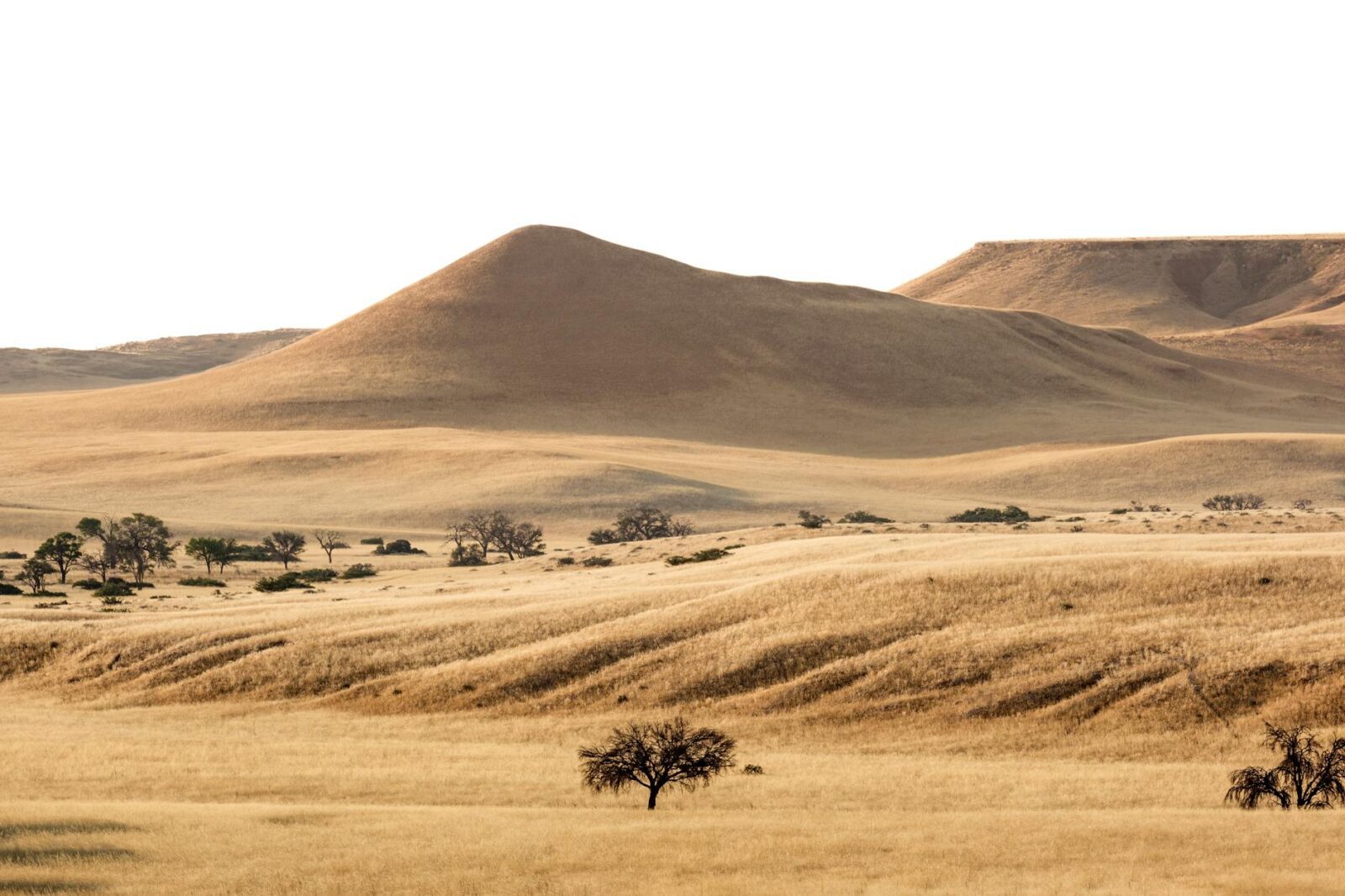
Did you know that Senegal is officially the hottest country on Earth? With an average annual temperature of 85.69°F (29.83°C), this West African nation tops the charts for its sweltering climate. The country’s geographical position at the edge of the Sahara Desert and its extensive savannah regions contribute to its extreme heat. Despite the intense conditions, Senegal is home to a vibrant culture that thrives under the sun’s powerful rays.
Travelers visiting Senegal often find respite in the coastal cities like Dakar, where Atlantic breezes provide some relief from the heat. However, the inland regions, particularly the northeastern areas, are where the real heat is felt. The country’s adaptation to such temperatures is evident in its architecture and daily life, where activities slow down during the peak heat of the day.
Mali’s Scorching Heart
Mali follows closely with an average temperature of 83.89°F (28.83°C). This landlocked West African country is primarily covered by the Sahara Desert, making it one of the hottest places on the planet. The combination of desert climate and minimal rainfall creates a harsh environment that is both challenging and fascinating.
In Mali, traditional mud-brick architecture helps insulate homes from the extreme heat. Travelers should be prepared for the intense sun, especially when exploring historic sites like Timbuktu or the Bandiagara Escarpment. Despite the heat, Mali’s rich cultural history and unique landscapes offer an unforgettable experience.
Burkina Faso: The Land of Upright People and High Temperatures
Known for its warm hospitality, Burkina Faso also boasts an average temperature of 82.94°F (28.3°C). Like its neighbor Mali, Burkina Faso is heavily influenced by the Sahara’s arid climate. The country’s nickname, “Land of the Upright People,” reflects the resilience and strength of its inhabitants.
Visitors to Burkina Faso can explore the stunning architecture of Ouagadougou, the capital, and experience traditional festivals that showcase the country’s vibrant culture. However, the heat is ever-present, and precautions such as staying hydrated and wearing sun protection are essential.
Djibouti’s Fiery Furnace
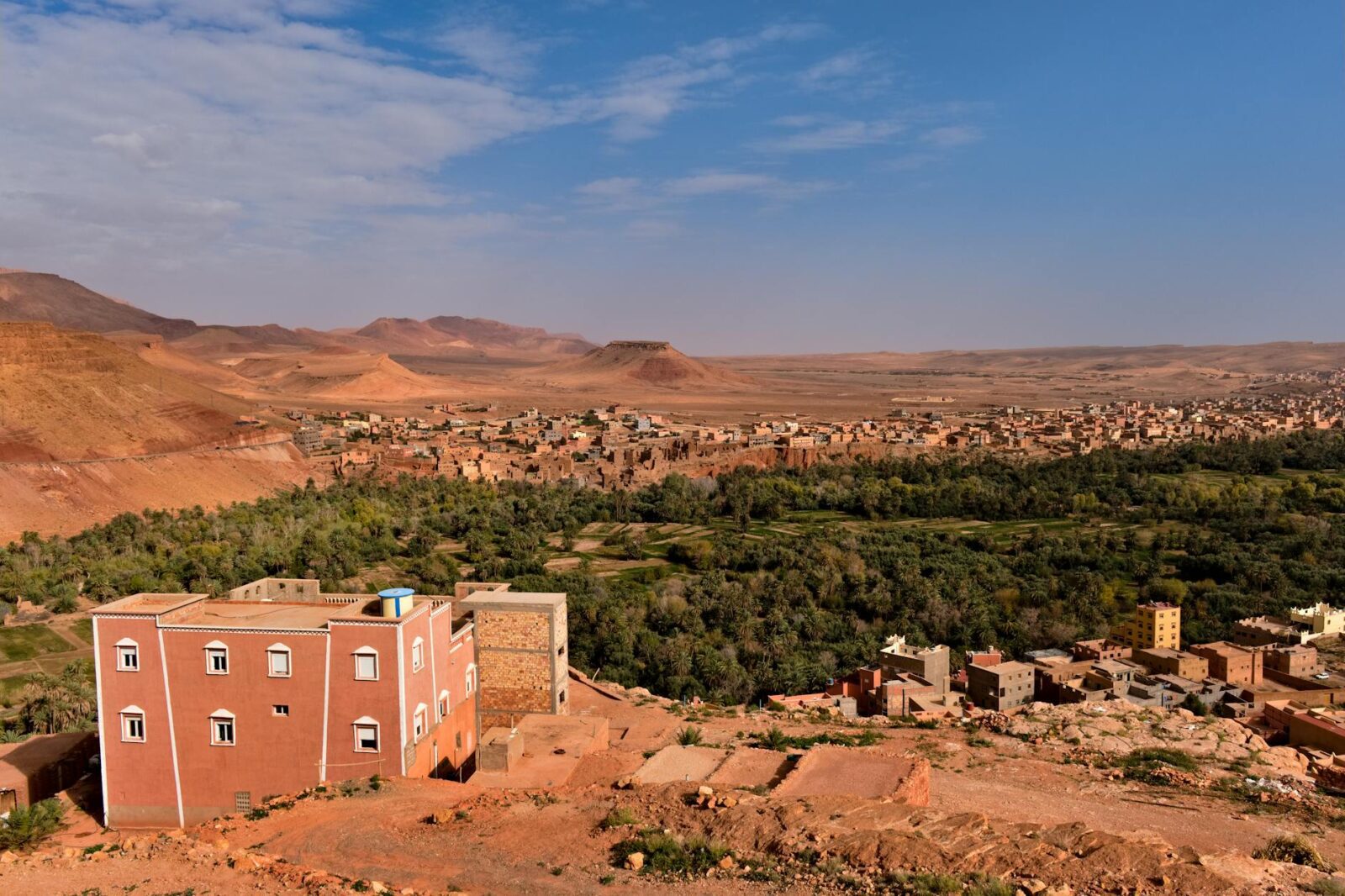
Djibouti, located in the Horn of Africa, experiences an average temperature of 82.4°F (28°C). Its proximity to the Red Sea and the Gulf of Aden influences its hot, arid climate. Despite its small size, Djibouti offers unique geological features like the salt flats of Lake Assal, one of the hottest places on Earth.
The heat in Djibouti can be intense, with temperatures often soaring above 104°F (40°C). Travelers seeking adventure in this country will be rewarded with breathtaking landscapes and a rich tapestry of cultures, but should be prepared for the relentless sun.
The Fiery Sands of Kuwait
Kuwait, a small nation in the Middle East, has an average temperature of 82.3°F (27.95°C). The country’s desert climate is marked by extremely hot summers, with temperatures frequently exceeding 113°F (45°C). Kuwait City’s modern skyline rises from the desert sands, offering a stark contrast to the traditional souks and mosques that dot the landscape.
While the summer heat can be overwhelming, the winter months offer a more comfortable climate for exploring. Travelers can enjoy Kuwait’s cultural attractions and culinary delights, but should plan their visits with the weather in mind.

Tuvalu: A Tropical Heatwave
In the Pacific Ocean, Tuvalu experiences an average temperature of 82.2°F (27.9°C). This tiny island nation is known for its stunning coral atolls and turquoise waters. The equatorial climate means high temperatures and humidity year-round, with occasional tropical storms adding to the mix.
Despite the heat, Tuvalu’s natural beauty and laid-back lifestyle attract adventurous travelers seeking an off-the-beaten-path destination. It’s essential to embrace the island’s slow pace and take advantage of the cooling ocean breezes.
Qatar’s Desert Heat
Qatar, with an average temperature of 81.8°F (27.7°C), is one of the hottest countries in the Middle East. The country’s wealth and rapid development have transformed it into a modern metropolis, but the desert climate remains unchanged. Summers in Qatar are particularly harsh, with temperatures often reaching 122°F (50°C).
Despite the extreme heat, Qatar offers a blend of traditional and contemporary attractions, from the bustling Souq Waqif to the futuristic skyline of Doha. Visitors should plan activities early in the morning or late in the evening to avoid the midday sun.
Bahrain: The Persian Gulf’s Heat Oasis
Bahrain, an island nation in the Persian Gulf, has an average temperature of 81.1°F (27.3°C). The country’s hot and humid climate is influenced by its maritime location, with high temperatures exacerbated by the surrounding waters.
Bahrain’s rich history and modern attractions draw visitors year-round, but the summer months can be particularly challenging. Exploring the ancient ruins of Qal’at al-Bahrain or enjoying the vibrant nightlife is best done during cooler periods.
Kiribati: Where the Sun Never Sets
Kiribati, straddling the equator in the central Pacific, experiences an average temperature of 81°F (27.2°C). The country’s 33 atolls and reef islands offer stunning landscapes and a unique cultural experience. The heat and humidity are constants, with the equatorial sun shining brightly year-round.
Travelers to Kiribati should be prepared for a remote and rustic adventure, with limited amenities and infrastructure. However, the pristine beaches and friendly locals make it a worthwhile destination for those seeking solitude and natural beauty.
Practical Tips for Traveling in Hot Climates
Visiting these hottest countries requires careful planning and preparation. Here are some practical tips for travelers:
- Stay hydrated: Drink plenty of water and avoid alcohol and caffeine.
- Wear appropriate clothing: Light, loose-fitting clothes and a wide-brimmed hat provide protection from the sun.
- Plan activities wisely: Schedule outdoor activities for early morning or late afternoon when temperatures are cooler.
- Use sun protection: Apply sunscreen with a high SPF regularly and seek shade whenever possible.
- Acclimate gradually: Give yourself time to adjust to the heat, especially if you’re not accustomed to hot climates.
FAQs
Which country is the hottest in the world?
Senegal currently holds the title for the hottest country, with an average annual temperature of 85.69°F (29.83°C).
What is the best time to visit these hot countries?
The best time to visit is during the cooler months, usually from November to February, when temperatures are more bearable.
How do locals adapt to such high temperatures?
Locals adapt through traditional architecture, siestas during peak heat, and acclimatization over generations.
Are there any health risks associated with extreme heat?
Yes, heat-related illnesses such as heat exhaustion and heatstroke are potential risks. It’s important to stay hydrated and take necessary precautions.
What should I pack for a trip to a hot country?
Pack light, breathable clothing, a hat, sunscreen, sunglasses, and a reusable water bottle for hydration.
Stay informed with the latest travel news, visa updates, and destination guides. Follow HimalayanCrest.com for weekly travel intelligence delivered by our editorial team.