

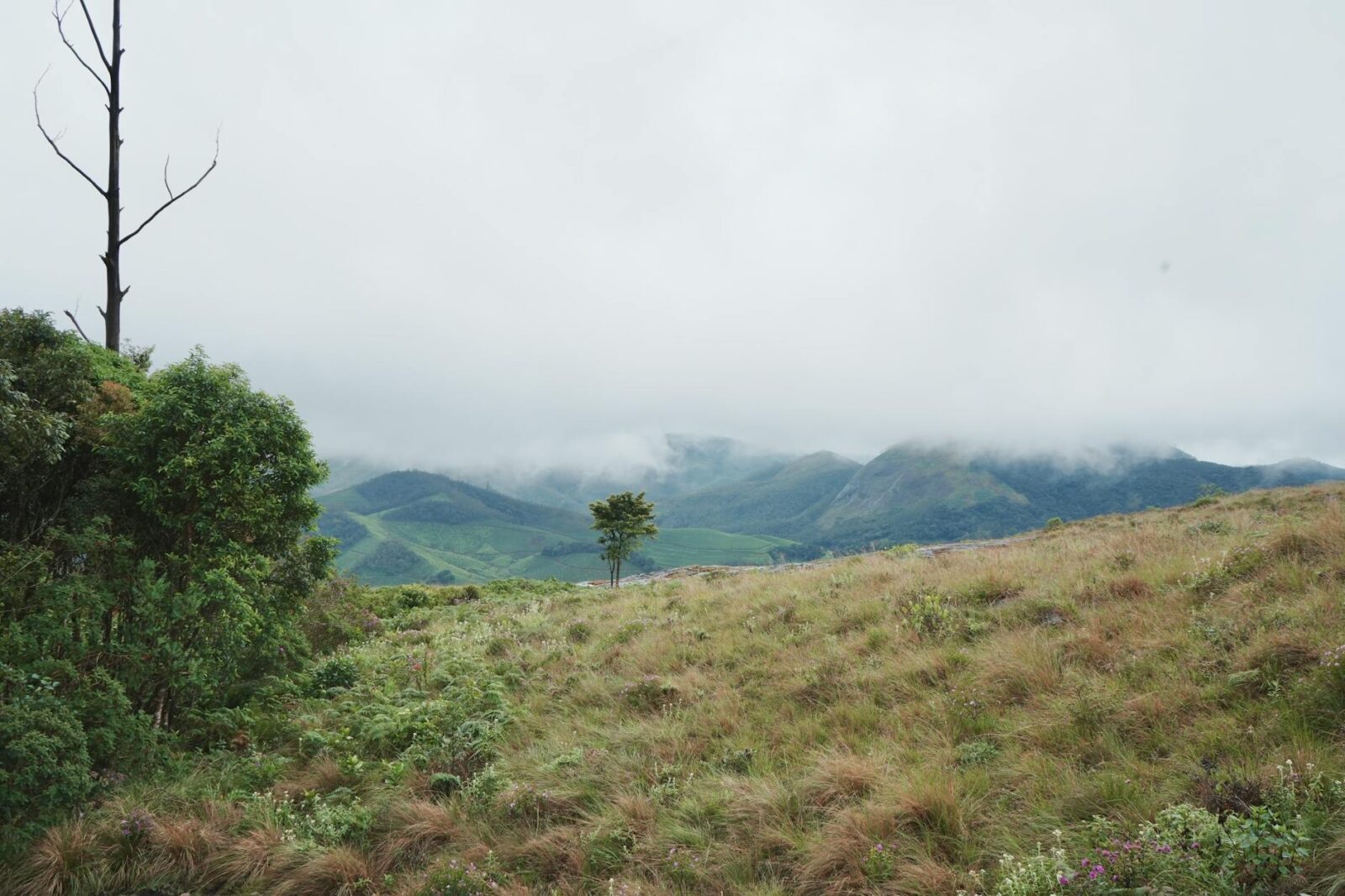
Whispers of Serenity: India’s Hidden Hill Stations
Imagine a place where the hustle of daily life fades into the background, replaced by the gentle rustle of leaves and the distant call of a mountain bird. India’s lesser-known hill stations offer such tranquility, tucked away from the tourist crowds and waiting to be discovered. These are not the bustling streets of Shimla or the crowded trails of Manali, but serene escapes like Chikhaldara in Maharashtra and Haflong in Assam, where nature’s beauty is still intact.
Chikhaldara: Maharashtra’s Best-Kept Secret
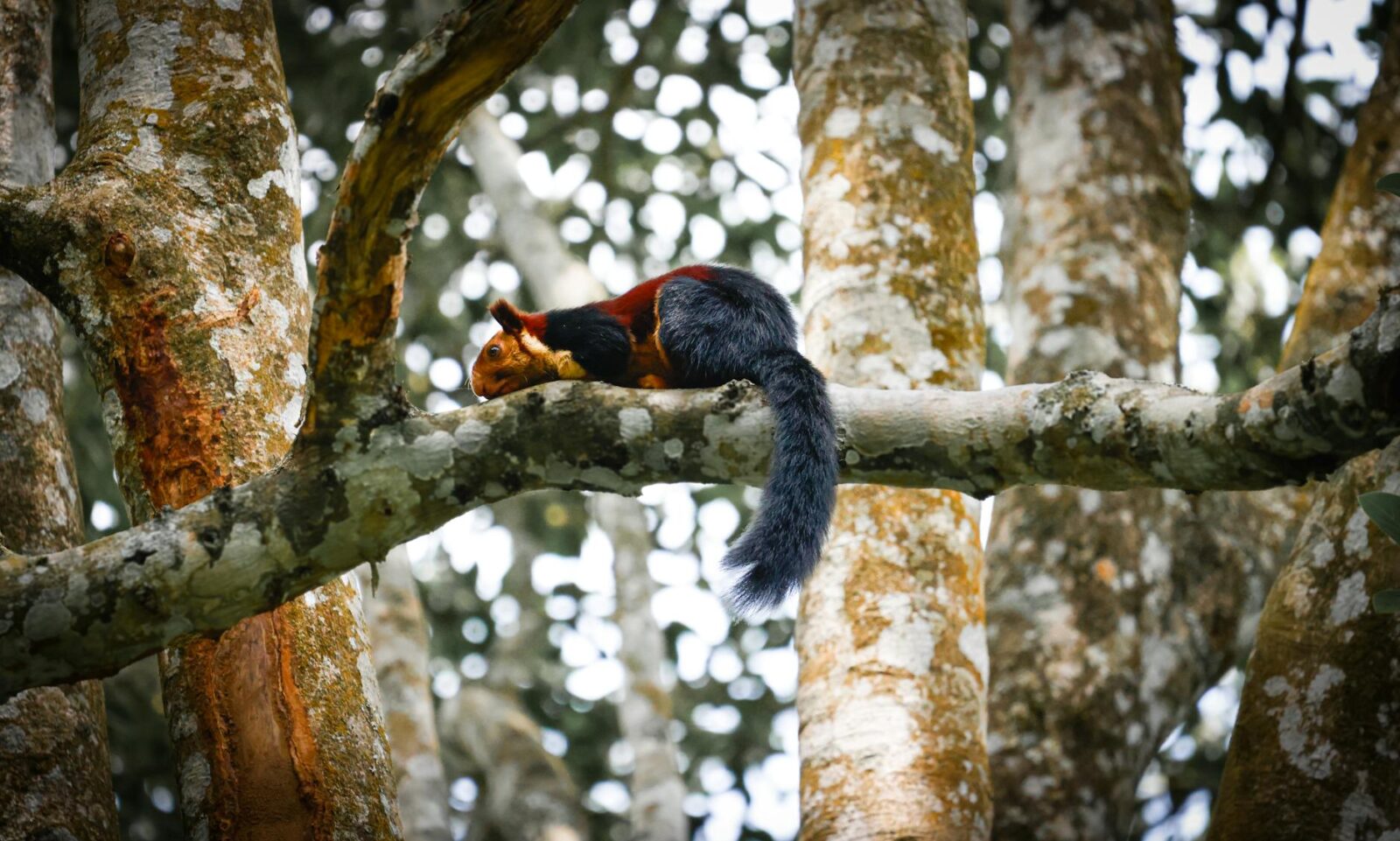
Chikhaldara, perched at an altitude of 1,118 meters, is a gem hidden in the Satpura Range. This hill station is perfect for moderate trekkers looking for a weekend escape. The trek through its coffee plantations and lush forests offers a rare chance to see the Indian giant squirrel. The trek spans approximately 15 km, taking about two days, with mild altitude changes that won’t challenge seasoned trekkers. The best time to visit is from October to February, when the weather is cool and pleasant, though monsoon visits offer a lush, green landscape at the cost of slippery trails.
Haflong: Assam’s Peaceful Retreat
In Assam, Haflong stands as the only hill station, a quiet retreat at 680 meters above sea level. Known for its breathtaking vistas and vibrant culture, Haflong is ideal for those seeking an easy trek. The route is about 10 km, perfect for a day hike, with gentle slopes suitable for families. The best seasons are spring and autumn, avoiding the heavy rains of summer and the chilly winters. Haflong’s unique appeal lies in its cultural diversity, with many local tribes offering a rich tapestry of traditions and customs.
Practical Tips for Trekking These Hidden Gems
When planning a trip to these hidden hill stations, it’s essential to pack wisely. A sturdy pair of hiking boots, a waterproof jacket, and a backpack with essentials like a first-aid kit and water purification tablets are must-haves. While permits are generally not required for these areas, it’s always wise to check with local authorities or hire a local guide to enhance your experience and ensure you follow proper etiquette and environmental guidelines.
The Best Seasons to Visit and What to Expect
Choosing the right season can make or break your trekking experience. For Chikhaldara, the winter months provide cool weather, perfect for trekking without the risk of dehydration. Haflong, on the other hand, offers vibrant landscapes and moderate temperatures in spring and autumn. Each season offers unique advantages: lush greenery during monsoons and clear skies in winter, though the latter can bring cold nights.
Local Customs and Sustainable Practices
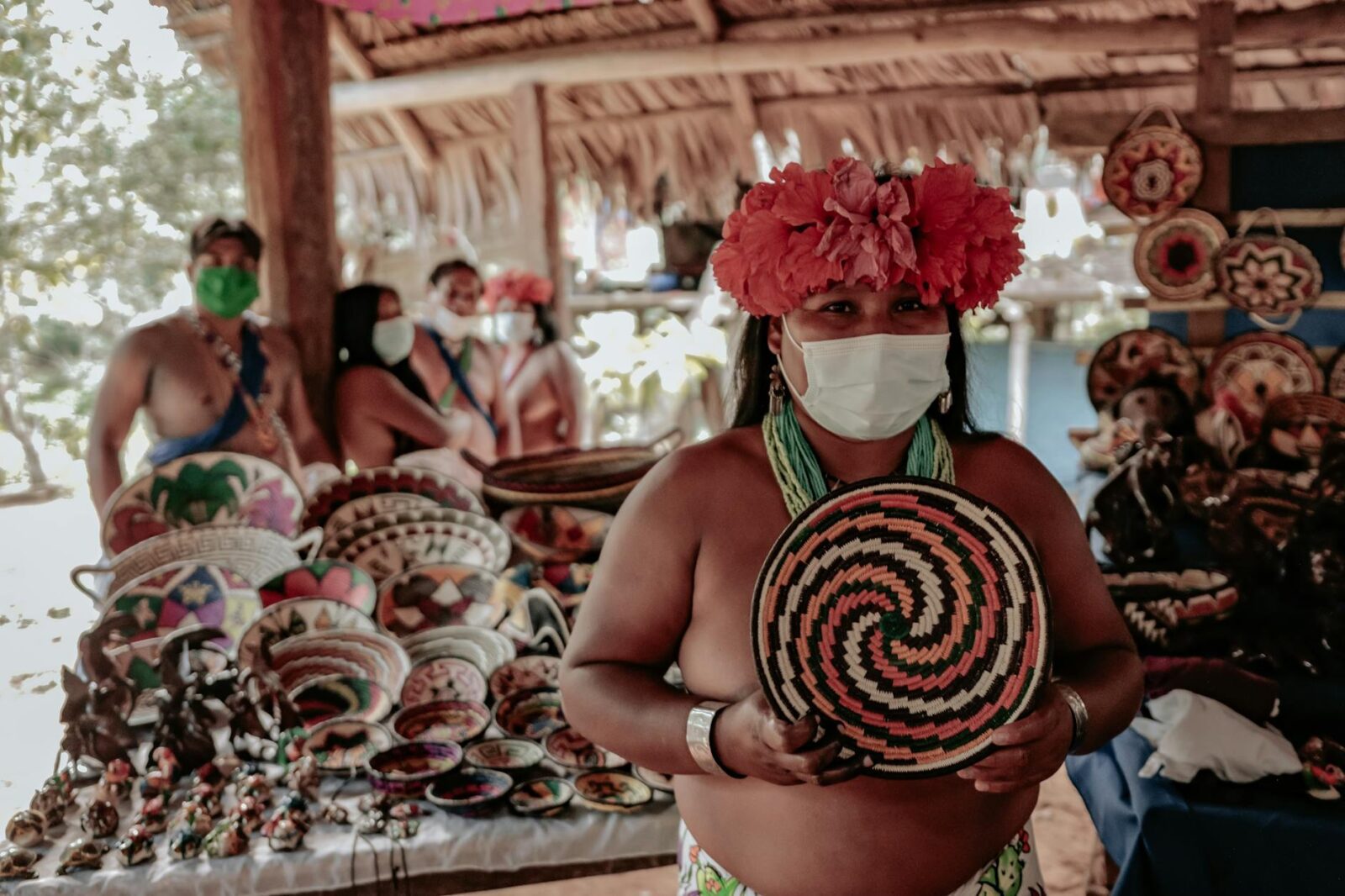
Respect for local customs is paramount. In Haflong, where multiple tribes coexist, understanding and respecting their traditions enriches the experience. Sustainable practices, like carrying reusable water bottles and avoiding single-use plastics, help preserve these pristine environments. Supporting local businesses, such as staying in family-run guesthouses and buying local crafts, contributes to the community’s economy.
Altitude Sickness and Health Precautions
Although these hill stations are not at extreme altitudes, trekkers should still be mindful of altitude sickness symptoms, such as headaches and dizziness. Staying hydrated and acclimatizing properly can prevent discomfort. Having travel insurance that covers evacuation is advisable, especially in remote areas where medical facilities are limited.
Accommodation and Costs
Accommodation in these hill stations ranges from basic guesthouses to modest hotels. In Chikhaldara, expect to pay between $20 to $50 per night for a comfortable stay. Haflong offers similar pricing, with options for local homestays providing cultural insights. Hiring a guide can cost around $15 to $30 per day, a worthwhile investment for a richer experience.
FAQs
What should I pack for trekking in these hill stations?
Pack light but include essentials like a first-aid kit, water purification tablets, a raincoat, and layers for varying temperatures. Good hiking boots are a must.
Are permits required for trekking in Chikhaldara and Haflong?
No specific trekking permits are required, but checking with local authorities or hiring a guide for updated information is recommended.
What is the best time to visit these hill stations?
For Chikhaldara, October to February offers the best weather. Haflong is ideal in spring and autumn, avoiding heavy rains and cold winters.
How can I prevent altitude sickness in these areas?
Stay hydrated, take it slow, and acclimatize by spending a day or two at the altitude before starting strenuous activities.
What are the accommodation options and costs?
Expect to pay between $20 to $50 per night in guesthouses or modest hotels. Consider local homestays for a more authentic experience.
Stay informed with the latest travel news, visa updates, and destination guides. Follow HimalayanCrest.com for weekly travel intelligence delivered by our editorial team.