


A Half-Century Legacy in Global Security
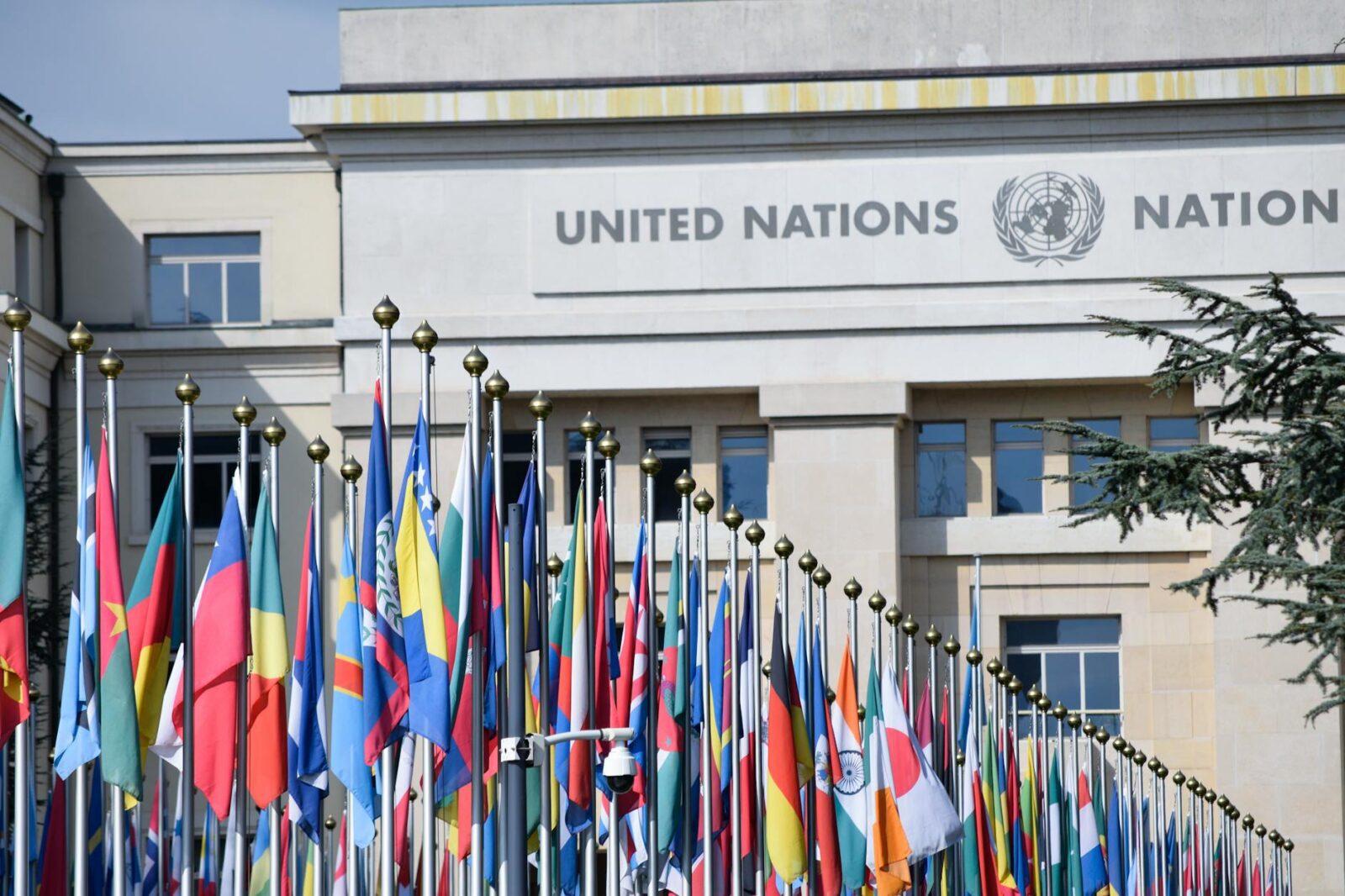
As the world gathered at the United Nations General Assembly on April 27, 2026, a significant statement from the United Kingdom resonated across the halls of international diplomacy. The Treaty on the Non-Proliferation of Nuclear Weapons (NPT), for over fifty years, has been hailed as a cornerstone of global peace and security. It has played a critical role in curbing the spread of nuclear weapons, facilitating access to nuclear energy, and promoting responsible nuclear trade. This week, the UK reaffirmed its unwavering commitment to the treaty, emphasizing its importance in a world fraught with nuclear tensions.
UK’s Firm Stand Amid Rising Tensions
Steven Doughty MP, Minister of State for Europe, North America, and the Overseas Territories, addressed the UN General Assembly, highlighting the UK’s dedication to the NPT. The statement comes at a pivotal moment, as countries like Russia, Iran, and North Korea present renewed challenges to nuclear non-proliferation efforts. The UK, alongside other treaty signatories, aims to reinforce the treaty’s principles and ensure its continued relevance in addressing contemporary threats.
What This Means for Global Travelers
The UK’s reaffirmation of the NPT has implications beyond the immediate realm of diplomacy. For global travelers, especially those from countries engaged in nuclear negotiations or conflicts, the treaty’s stability offers a measure of security. Travelers from affected regions should stay informed about their home countries’ compliance with international treaties, as non-compliance can influence diplomatic relations and travel policies.

Immediate Steps for Concerned Citizens
For individuals concerned about how these developments might affect their travel plans or residency options, there are practical steps to take. First, it is crucial to monitor updates from the International Atomic Energy Agency (IAEA) and relevant government websites such as GOV.UK. Staying informed about your home country’s nuclear policy and international standing can provide insights into potential travel restrictions or changes.
Comparing International Nuclear Policies
The NPT’s framework has been a model for other international agreements aimed at reducing nuclear proliferation. Countries like Japan and Germany have maintained robust non-proliferation policies while leveraging nuclear energy for peaceful purposes. In contrast, North Korea’s defiance of the treaty underscores the challenges faced in ensuring global compliance. These comparisons highlight the importance of international cooperation and transparency in nuclear policy.
Impact on Investors and Global Mobility
For investors, digital nomads, and retirees seeking residency or citizenship options, the stability provided by the NPT can influence investment decisions. Countries with strong commitments to international treaties often provide a more stable environment for foreign investment and living. Understanding a country’s stance on nuclear issues can be an important factor in assessing its political and economic stability.
Looking Ahead: The Future of the NPT
As the global community continues to navigate complex geopolitical landscapes, the NPT’s role in maintaining peace and security remains critical. Future conferences and diplomatic efforts will focus on strengthening the treaty’s implementation and addressing new technological advancements that could impact nuclear proliferation. The UK’s commitment serves as a reminder of the treaty’s enduring importance and the need for continued vigilance in upholding its principles.
FAQs on the NPT and Travel Implications
What is the NPT, and why is it important?
The Nuclear Non-Proliferation Treaty is an international treaty aimed at preventing the spread of nuclear weapons and promoting the peaceful use of nuclear energy. It is vital for maintaining global security.
How does the NPT affect international travel?
While the NPT itself doesn’t directly affect travel, countries’ compliance with the treaty can influence diplomatic relations, which may impact visa policies and travel advisories.
Which countries are currently non-compliant with the NPT?
As of 2026, countries like North Korea and Iran have been noted for non-compliance with the NPT, raising concerns within the international community.
How can I stay informed about my country’s nuclear policy?
Regularly check updates from your government’s foreign affairs department and reputable international organizations like the IAEA for the latest information.
What should investors consider regarding nuclear treaties?
Investors should consider a country’s adherence to international treaties as a factor in assessing its political and economic stability, which can impact investment security.
Stay informed with the latest travel news, visa updates, and destination guides. Follow HimalayanCrest.com for weekly travel intelligence delivered by our editorial team.