

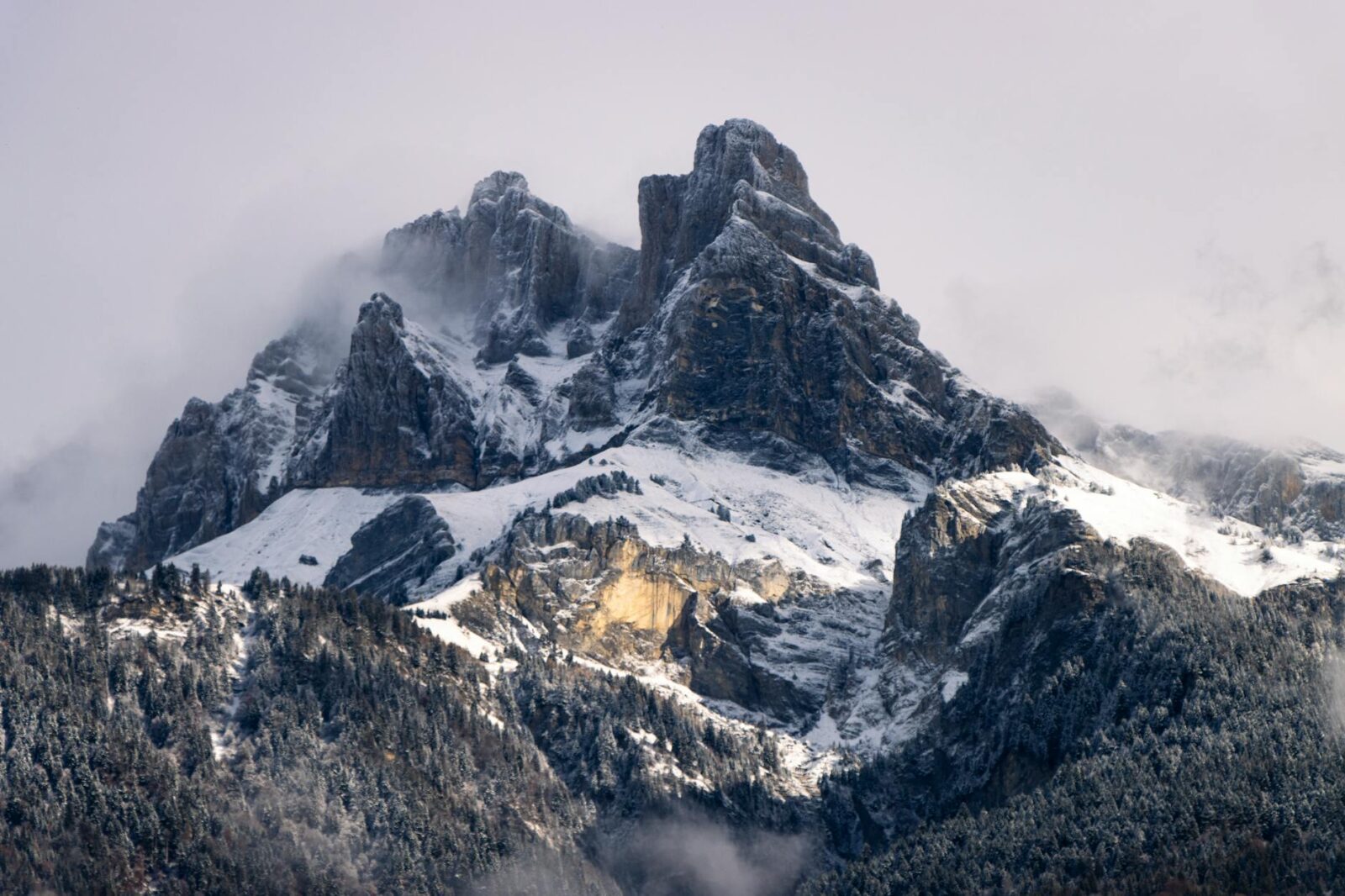
The Allure of Everest: A Trekker’s Dream
Imagine the sound of a distant monastery bell echoing through the crisp morning air, as the first rays of sunlight reveal the snow-capped peaks of the Himalayas. This is the magic of the Everest Base Camp trek, a journey that draws adventurers from all corners of the globe to witness the majestic beauty of the world’s highest mountain. Standing at 5,364 meters (17,598 feet), the South Base Camp serves as both a challenging destination and a gateway to the formidable Mount Everest.
Route Overview: Charting Your Course
The trek to Everest Base Camp is not for the faint-hearted. Covering approximately 130 kilometers (81 miles) round trip, the trek typically takes 12-14 days to complete. The journey begins with a thrilling flight from Kathmandu to Lukla, the gateway to the Khumbu region. From there, trekkers navigate through a series of picturesque Sherpa villages, lush forests, and rugged terrains. The trek is classified as moderate to challenging, requiring a good level of fitness due to the significant altitude gains and varied terrain.
Day-by-Day Itinerary: Step-by-Step to Base Camp
Each day on the trek offers new landscapes and experiences. The typical itinerary includes:
- Day 1-2: Fly to Lukla and trek to Phakding. Continue to Namche Bazaar, the bustling Sherpa capital.
- Day 3: Acclimatization day at Namche Bazaar, with optional hikes to nearby viewpoints.
- Day 4-5: Trek to Tengboche, home to a famous monastery, and onward to Dingboche.
- Day 6: Another acclimatization day at Dingboche, exploring local trails.
- Day 7-8: Trek to Lobuche and then to Gorak Shep, the final stop before Base Camp.
- Day 9: Reach Everest Base Camp, celebrate your achievement, and return to Gorak Shep.
- Day 10-12: Descend back to Lukla, retracing your steps through the beautiful Khumbu Valley.
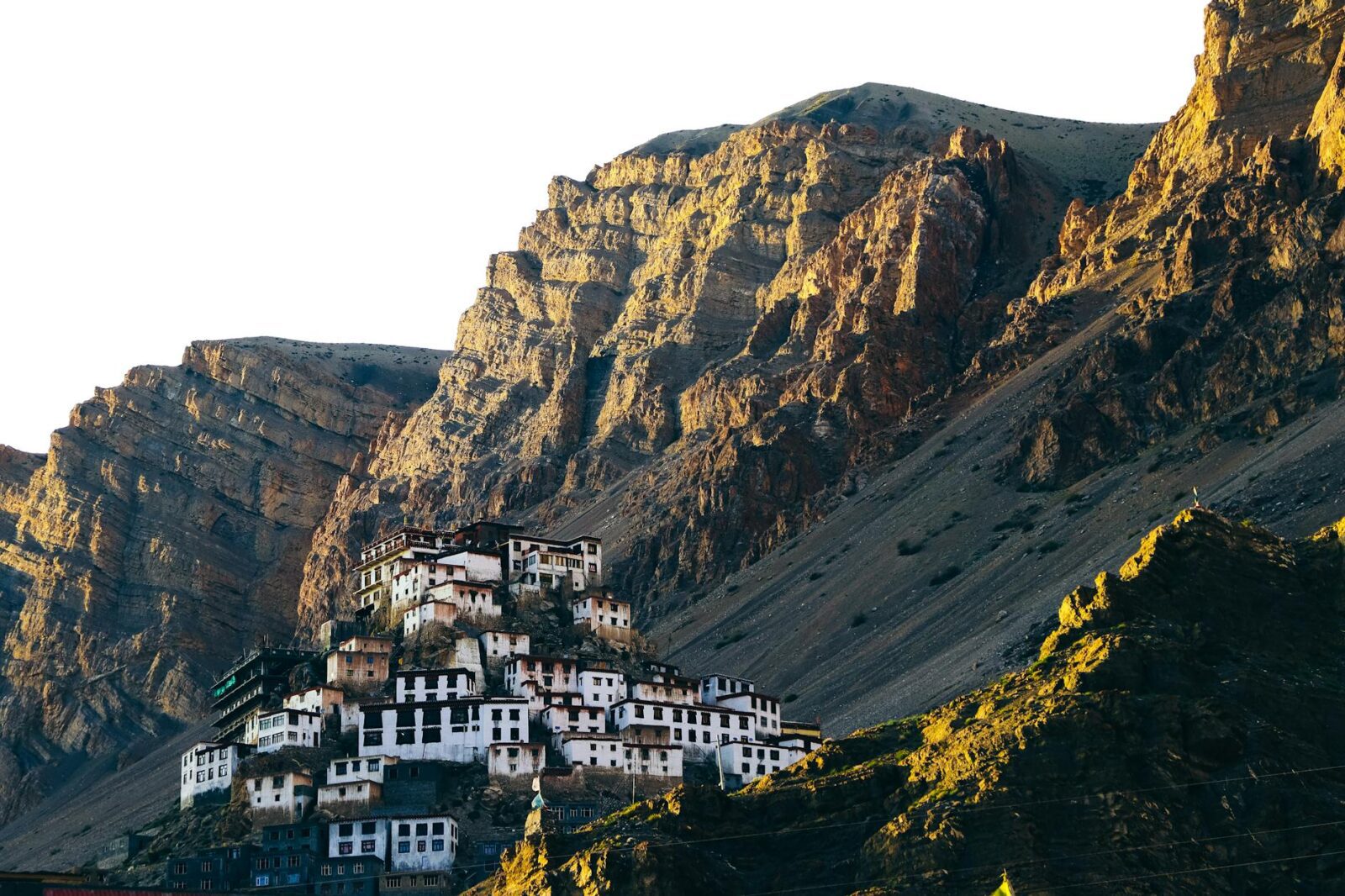
Choosing the Best Season: Weather and Timing
The ideal time to trek to Everest Base Camp is during the pre-monsoon (March to May) and post-monsoon (late September to November) seasons. These periods offer clear skies and moderate temperatures. However, each season has its trade-offs. The pre-monsoon period sees blooming rhododendrons and vibrant landscapes, while the post-monsoon offers unparalleled mountain views but colder nights. Trekking during the monsoon (June to August) can be challenging due to heavy rains and slippery trails, while winter (December to February) brings extreme cold and potential trail closures.
Permits and Costs: Navigating the Bureaucracy
To trek to Everest Base Camp, you’ll need several permits. The TIMS (Trekkers’ Information Management System) card costs approximately $20 USD, and the Sagarmatha National Park entry fee is around $30 USD. Additionally, a local government fee is applicable, costing about $20 USD. These permits can be obtained in Kathmandu or through trekking agencies.
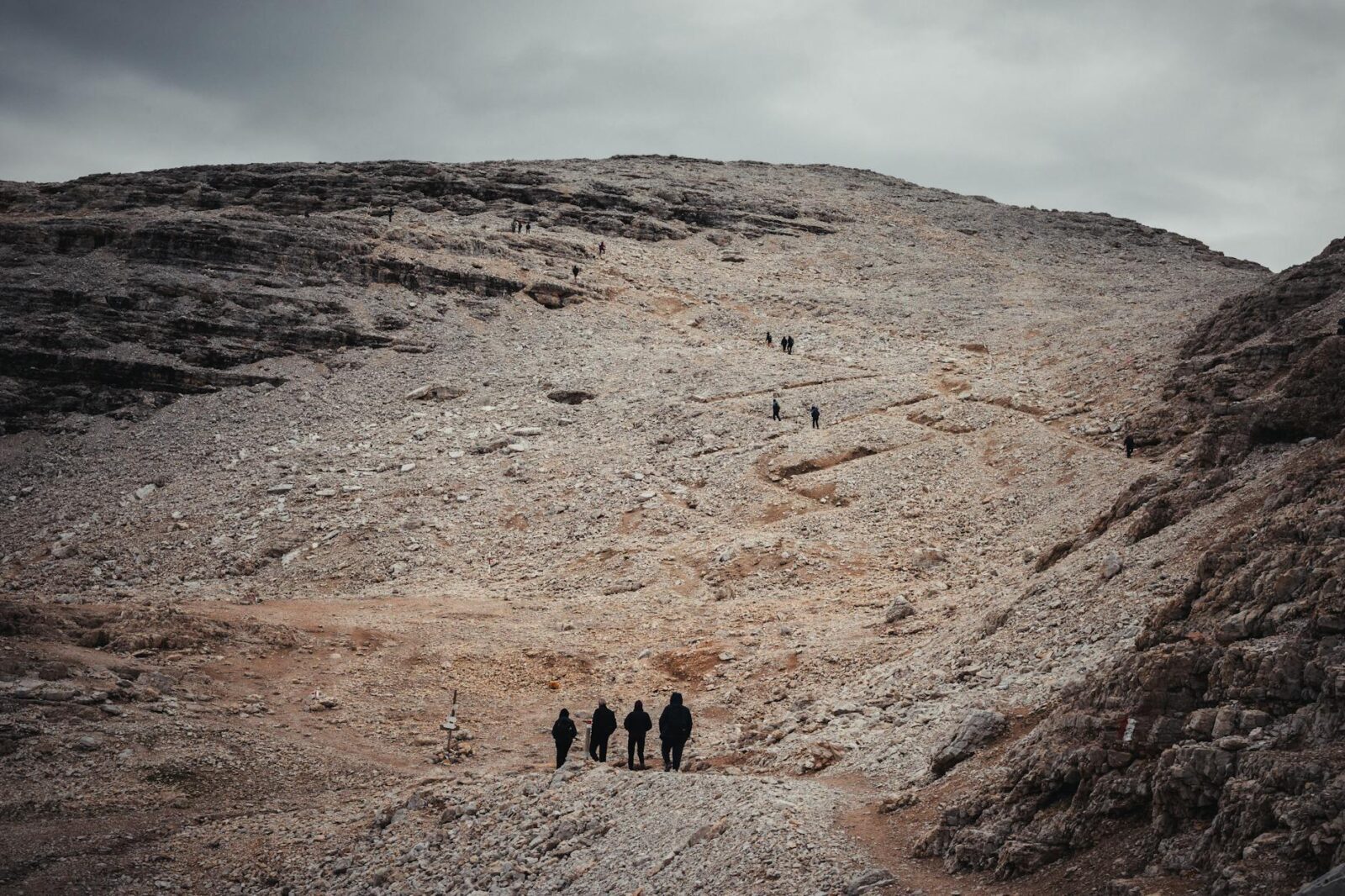
Essential Gear for the Trek: Pack Smart
Proper gear is crucial for a successful trek. Key items include:
- Layered clothing to adjust to temperature changes.
- Sturdy trekking boots with good ankle support.
- A sleeping bag rated for sub-zero temperatures.
- A quality backpack and daypack for daily essentials.
- Trekking poles, sun protection, and a reliable water purification system.
Accommodation and Costs: Teahouses and Tips
Along the trek, teahouses offer basic accommodation and meals. Expect to pay around $10-20 USD per night for a room. Meals can range from $5-10 USD per dish. Hiring a guide costs approximately $30 USD per day, while a porter costs around $20 USD per day. Tipping is customary, with 10-15% of the total trip cost being a standard amount to show appreciation for their hard work.
Health and Safety: Staying Safe in the Mountains
Altitude sickness is a serious concern on the Everest Base Camp trek. It’s essential to acclimatize properly by taking rest days and ascending gradually. Drink plenty of water, avoid alcohol, and consider medications like Diamox if advised by a healthcare professional. Evacuation insurance is highly recommended, as helicopter rescues can cost upwards of $5,000 USD.
Cultural Insights: Respecting Local Traditions
The Everest region is rich in Sherpa culture and Buddhist traditions. Visitors should dress modestly, especially when visiting monasteries. Always ask for permission before taking photos of locals, and participate in sustainable practices by minimizing waste and supporting local businesses.
FAQs
Do I need a guide for the Everest Base Camp trek?
While not mandatory, hiring a guide is highly recommended for safety, local insights, and navigation assistance.
What is the best time to trek to Everest Base Camp?
The best times are during the pre-monsoon (March to May) and post-monsoon (late September to November) seasons.
How much does the trek cost?
On average, the trek can cost between $1,000-$3,000 USD, including permits, accommodation, and food.
What are the risks of altitude sickness?
Altitude sickness can affect trekkers above 2,500 meters. Symptoms include headaches, nausea, and dizziness. Proper acclimatization is crucial.
What should I pack for the trek?
Pack layered clothing, sturdy boots, a sleeping bag, trekking poles, and sun protection. Ensure your gear is suitable for cold weather.
Stay informed with the latest travel news, visa updates, and destination guides. Follow HimalayanCrest.com for weekly travel intelligence delivered by our editorial team.