

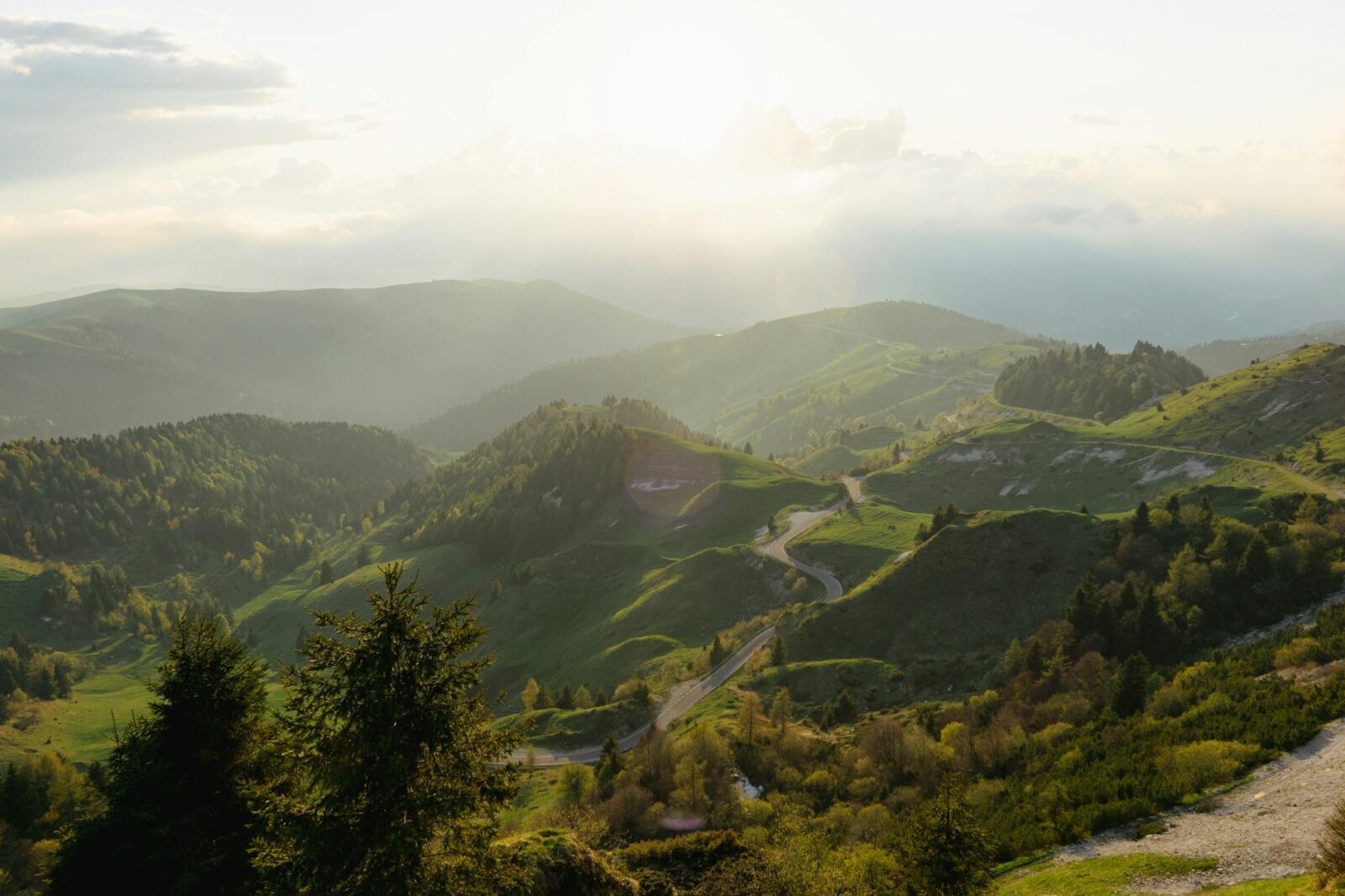
The Allure of the Himalayas: Annapurna vs Everest
As the first light of dawn touches the peaks of the Himalayas, casting a golden hue over snow-capped summits, trekkers face a thrilling decision: Annapurna Circuit or Everest Base Camp? Both treks offer breathtaking vistas and cultural encounters, yet each presents its own unique challenges and rewards. The Annapurna Circuit, a sweeping loop through diverse landscapes, and the Everest Base Camp trek, a pilgrimage to the world’s highest peak, beckon adventurers from around the globe.
Route Overview: Comparing Trails and Challenges
The Annapurna Circuit spans approximately 160-230 kilometers depending on the chosen path. It typically takes 15-20 days to complete. The trek ascends to a maximum altitude of 5,416 meters at the Thorong La Pass, demanding moderate to high fitness levels. In contrast, the Everest Base Camp trek covers about 130 kilometers over 12-14 days, reaching 5,364 meters at the base camp itself. Both treks require acclimatization days to mitigate altitude sickness risks.
Stage-by-Stage: Itineraries and Altitude Gains
The Annapurna Circuit usually begins in Besisahar, winding through terraced fields and ancient villages. Key stops include Manang for acclimatization and the challenging Thorong La Pass. Descend into the sacred valley of Muktinath, where the landscape dramatically shifts from alpine to arid. The Everest Base Camp journey starts with a thrilling flight to Lukla, then follows the Dudh Koshi River through Namche Bazaar. Acclimatization days here and in Dingboche prepare trekkers for the final push to the base camp.
Best Seasons: Timing Your Trek
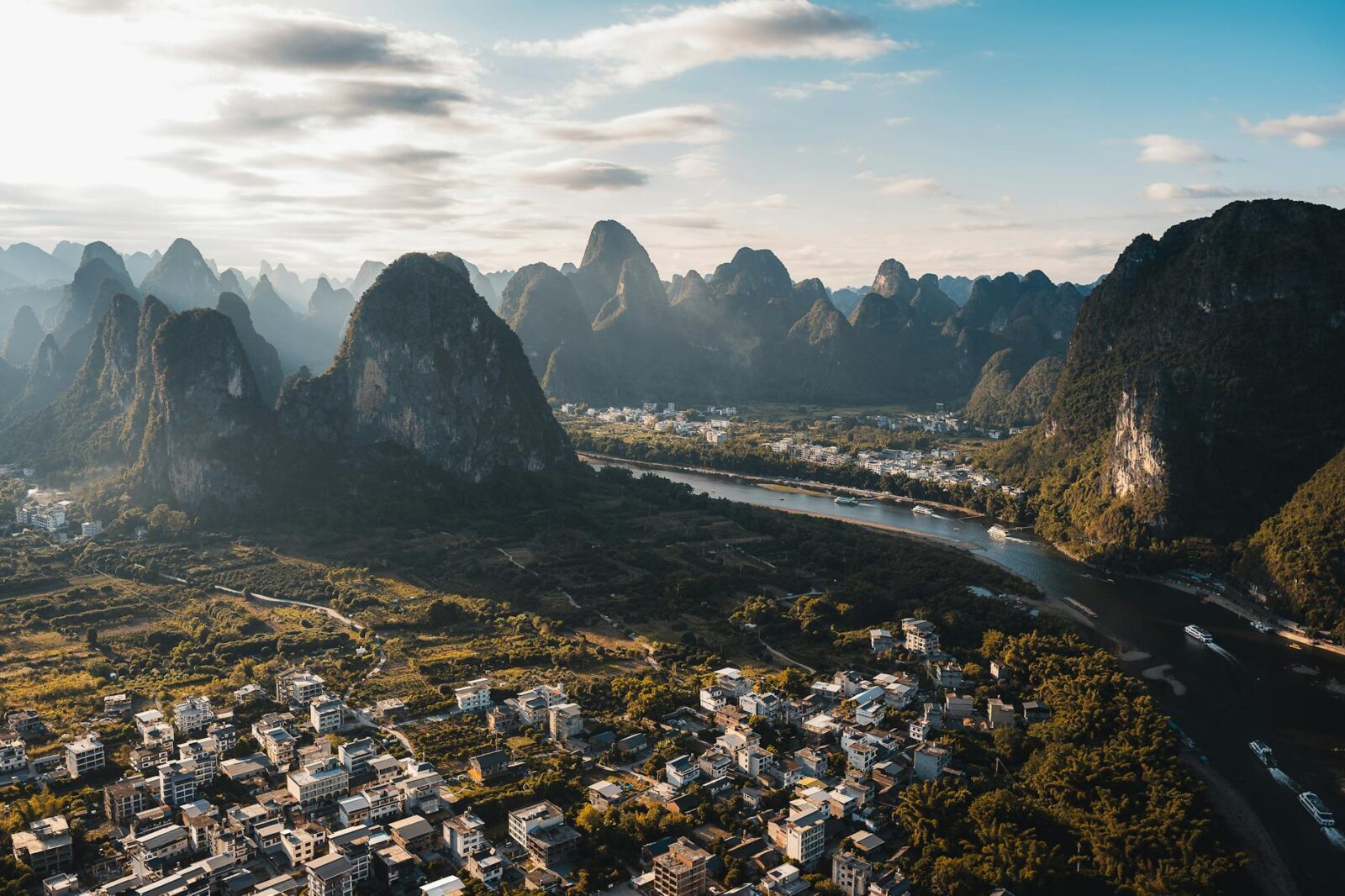
Spring (March-May) and autumn (September-November) are the best seasons for both treks. During these months, the weather is generally clear and the temperatures are moderate. However, expect crowds on both trails. The monsoon season (June-August) brings heavy rains, especially on the Annapurna Circuit, making trails slippery and increasing leech activity. Winter (December-February) offers solitude but poses challenges with snow, particularly on the Thorong La Pass.
Permit Requirements: Navigating Red Tape
For the Annapurna Circuit, trekkers need an Annapurna Conservation Area Permit (ACAP) and a Trekkers’ Information Management System (TIMS) card. The total cost is approximately $30 USD. Everest Base Camp requires a Sagarmatha National Park entry permit and a TIMS card, costing about $40 USD in total. Permits can be obtained in Kathmandu or Pokhara.
Essential Gear: Packing for Success
Invest in quality gear tailored to high-altitude trekking. Essentials include a down jacket, layered clothing, waterproof boots, and a good-quality sleeping bag rated for -10°C (14°F). Trekking poles, water purification tablets, and a headlamp are also crucial. Renting equipment in Kathmandu or Pokhara is a budget-friendly option for those traveling light.
Teahouses and Guides: Ensuring a Comfortable Trek
Teahouses along both routes offer basic yet comfortable lodging and meals, costing around $20-$30 USD per day. Hiring a guide enriches the experience with local insights and ensures safety, costing approximately $25-$30 USD per day. Porters charge around $20 USD per day, easing the burden of carrying heavy packs. Remember to tip guides and porters; a 10-15% tip is customary.
Safety First: Altitude and Health Considerations
Acclimatization is critical. Ascend slowly, hydrate well, and consider Diamox for altitude sickness prevention. Carry a comprehensive first-aid kit and ensure you have travel insurance that covers high-altitude evacuation. Purify all drinking water with tablets or a filtration system to prevent illness.
Cultural Etiquette and Sustainable Practices
Respect local customs by dressing modestly and asking permission before photographing people. Participate in local economies by buying goods from village shops. Practice Leave No Trace principles to preserve the pristine environment for future trekkers.
FAQs: Common Questions Answered
How do I prepare physically for these treks?
Begin a fitness routine at least three months prior, focusing on cardio, strength training, and hikes with elevation gain.
What is the accommodation like on the trails?
Teahouses provide simple rooms with twin beds and shared bathrooms. They offer hearty meals and hot drinks.
Can I trek independently or do I need a guide?
Both treks can be done independently, but hiring a guide is recommended for safety and cultural insights.
What should I do in case of an emergency?
Carry a satellite phone or a GPS device. Contact local authorities or your embassy for assistance, and ensure your insurance covers helicopter evacuation.
Are there any restrictions for female trekkers?
Nepal is generally safe for solo female travelers, but it’s wise to dress modestly and join groups when possible.
Stay informed with the latest travel news, visa updates, and destination guides. Follow HimalayanCrest.com for weekly travel intelligence delivered by our editorial team.