

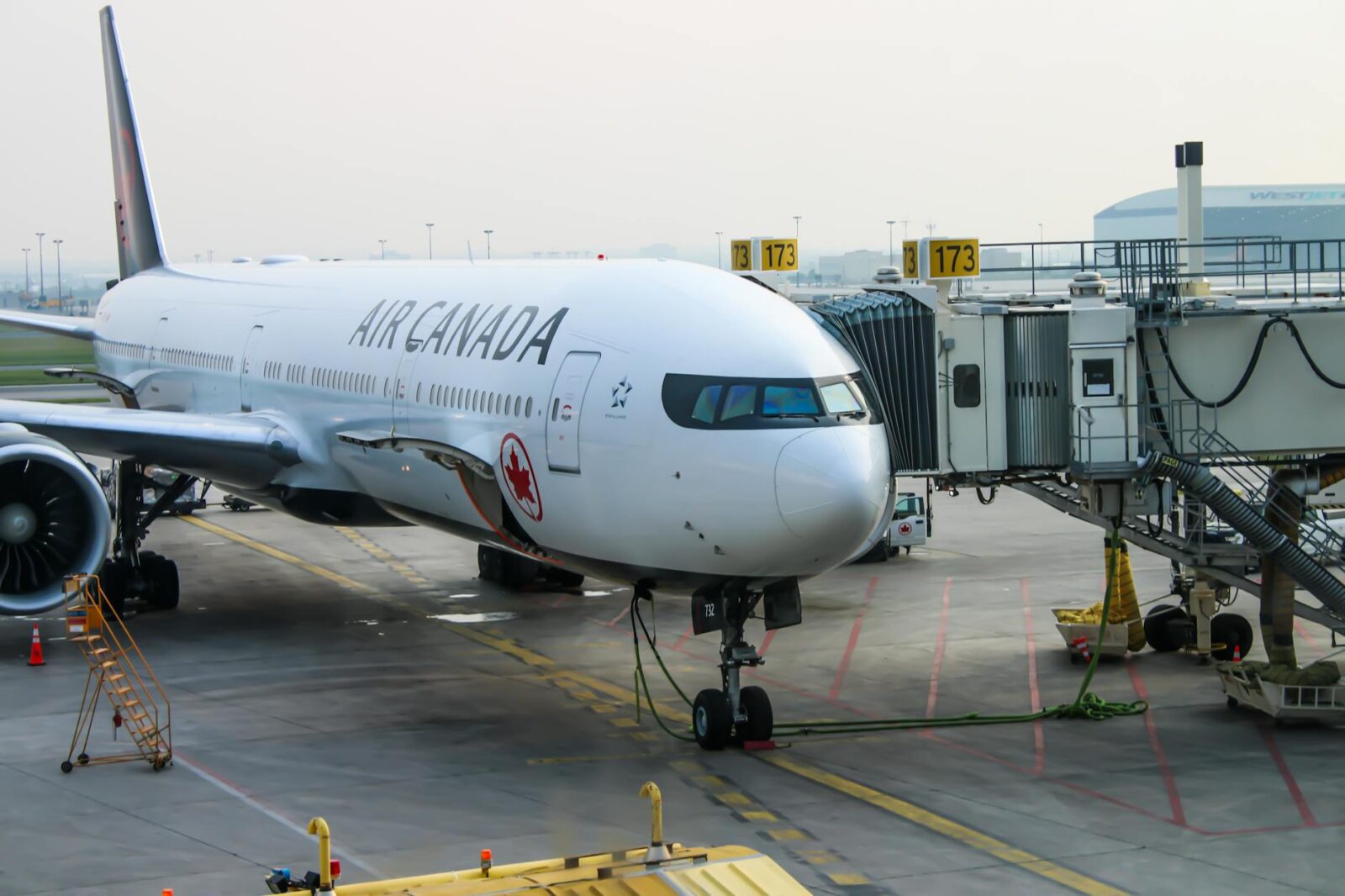
A New Chapter in Canadian Aviation
On April 24, 2026, Air Canada marked a significant milestone in its aviation journey with the delivery of its first Airbus A321XLR at a ceremony held in Hamburg, Germany. This event not only highlights Air Canada’s role as the first Canadian operator of this next-generation aircraft but also signals a transformative shift in its operational capabilities. The A321XLR, leased from SMBC Aviation Capital, is the first of 30 aircraft intended to revolutionize the airline’s fleet, offering new opportunities for route expansion and passenger experience.
What Makes the A321XLR Special?
The Airbus A321XLR is a game-changer in the realm of single-aisle aircraft. With its extended range capabilities, the A321XLR can cover distances of up to 4,700 nautical miles (8,700 kilometers), significantly further than traditional narrowbody aircraft. This makes it ideal for longer routes that were previously the domain of larger, less efficient widebody jets. Air Canada’s new aircraft, registered as C-GXLR, is expected to bridge the gap between short-haul and long-haul operations, enhancing both route flexibility and operational efficiency.
Global Travel Trends and Air Canada’s Strategic Move
The aviation industry is witnessing a shift towards more efficient and versatile aircraft as airlines strive to meet the evolving demands of global travel. The introduction of the A321XLR into Air Canada’s fleet aligns with this trend, allowing the airline to offer direct flights to secondary markets that were previously unfeasible. This not only meets the growing demand for non-stop connectivity but also optimizes fuel efficiency, reducing the carbon footprint per passenger, a crucial consideration in today’s environmentally conscious market.
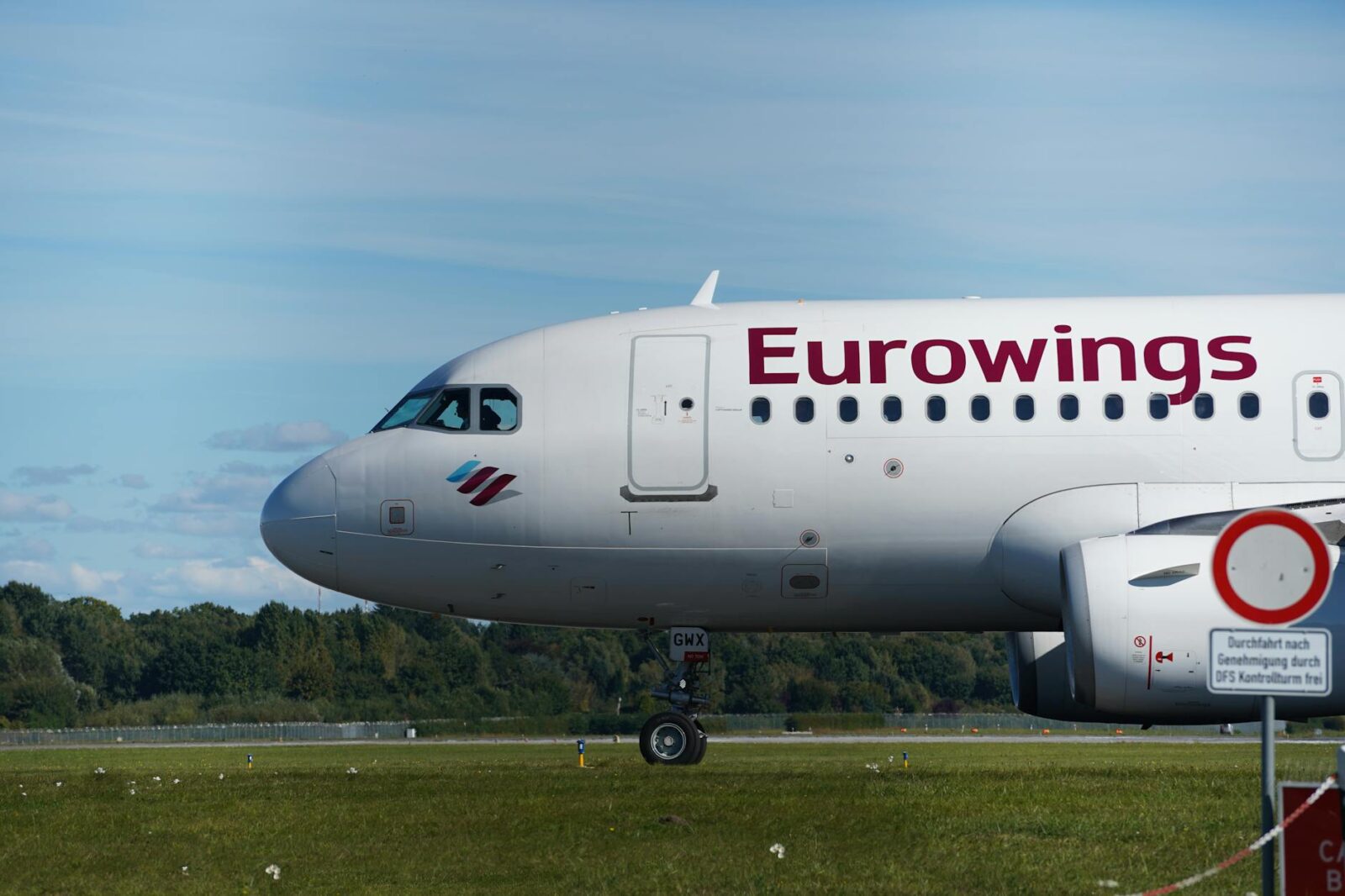
Implications for Travelers
For travelers, the deployment of the A321XLR opens up a plethora of new direct flight options. The aircraft’s enhanced range means passengers can expect more non-stop flights to destinations that typically required layovers, thereby reducing travel time and inconvenience. This is particularly advantageous for business travelers and frequent flyers who value time efficiency and comfort.
What to Expect Next
As Air Canada continues to integrate the A321XLR into its fleet, travelers can anticipate a gradual rollout of new routes and increased frequency on existing ones. The airline’s strategic expansion into secondary markets will provide more travel options to destinations that were previously underserved. Additionally, the introduction of these aircraft is likely to enhance in-flight experiences, with more modern amenities and improved cabin comfort compared to older aircraft models.
Financial Considerations for Travelers
While the addition of the A321XLR is a boon for travelers, it’s essential to consider potential changes in airfare pricing. The increased efficiency of these aircraft may lead to competitive pricing on new and existing routes. However, travelers should stay informed about fare trends and consider booking early to take advantage of introductory offers and promotions that often accompany the launch of new routes.
Frequently Asked Questions
What is the range of the Airbus A321XLR?
The Airbus A321XLR has an extended range of up to 4,700 nautical miles (8,700 kilometers), allowing it to fly longer routes typically reserved for widebody aircraft.
How many A321XLRs is Air Canada planning to add to its fleet?
Air Canada plans to add a total of 30 A321XLRs to its fleet, with 15 leased from SMBC Aviation Capital and 15 acquired directly from Airbus.
What routes will the A321XLR serve?
The A321XLR will primarily serve long-haul routes, including non-stop flights to secondary markets that were previously less accessible, enhancing connectivity and route flexibility.
How will the A321XLR impact passenger comfort?
The A321XLR is designed to enhance passenger comfort with modern amenities, improved cabin design, and efficient in-flight services, providing a superior travel experience compared to older models.
Will ticket prices change with the introduction of the A321XLR?
While the A321XLR’s efficiency may lead to competitive pricing, travelers should monitor fare trends and consider booking early to secure the best rates, particularly on newly launched routes.
Looking Ahead
The delivery of Air Canada’s first Airbus A321XLR is more than just a fleet update; it represents a strategic evolution in how the airline approaches its route network and passenger service. As travelers, understanding these changes can help you make informed decisions about your future journeys. We invite you to share your thoughts and experiences with us as the A321XLR takes to the skies, promising a new era of convenience and connectivity.
Stay informed with the latest travel news, visa updates, and destination guides. Follow HimalayanCrest.com for weekly travel intelligence delivered by our editorial team.