

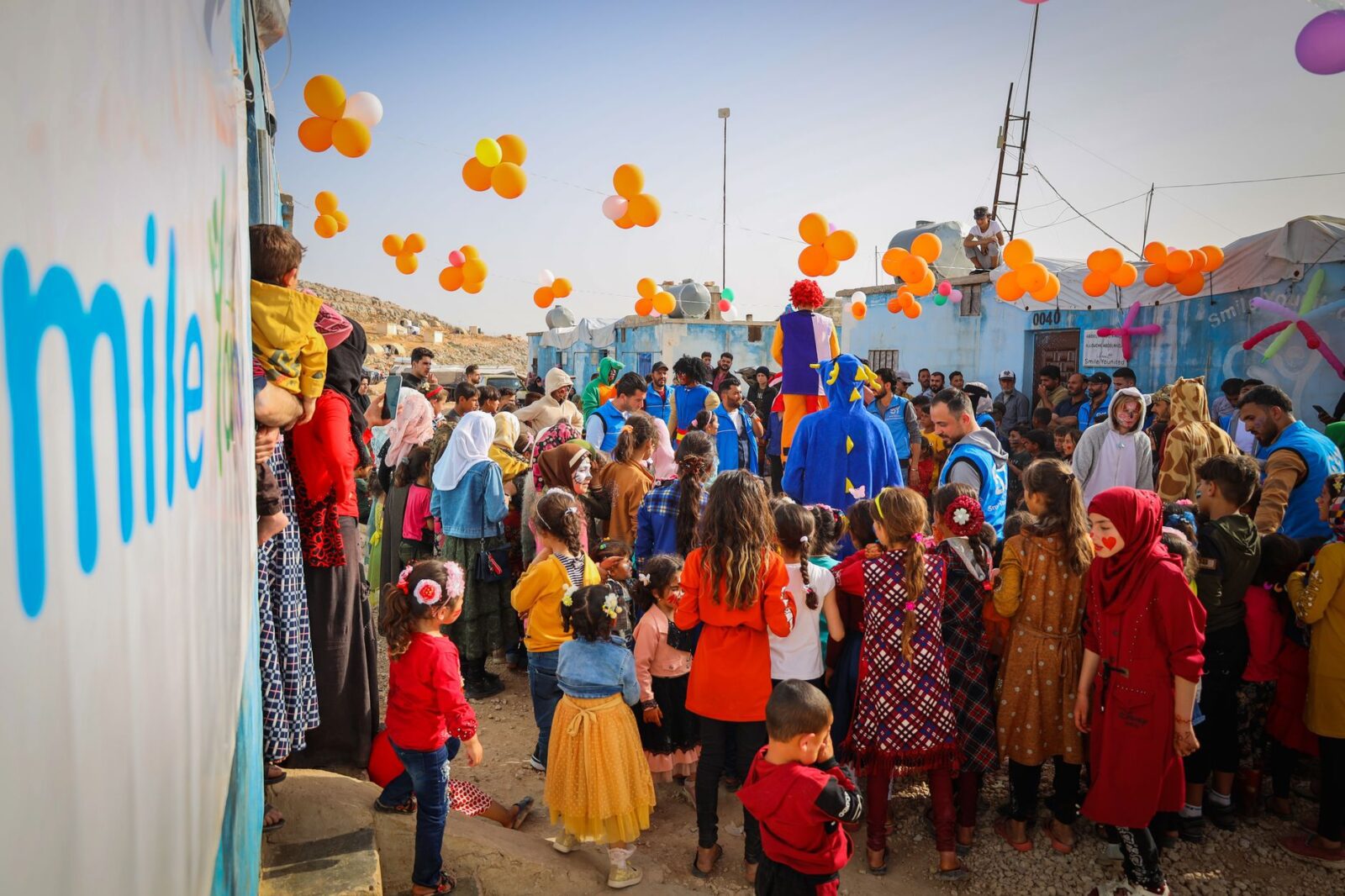
Canada’s Legacy in Refugee Protection
On June 20, 2026, the air in Ottawa was filled with a sense of reflection and commitment as Canada commemorated World Refugee Day. This year’s celebration holds particular significance as it marks the 75th anniversary of the 1951 Refugee Convention. This landmark agreement established the international framework for refugee protection, a system that Canada has embraced and strengthened over the decades.
Canada’s dedication to refugee protection is not just a testament to its humanitarian values but a reflection of its commitment to international responsibilities. Over these 75 years, the country has welcomed thousands of refugees, offering them a safe haven and the opportunity to rebuild their lives. This commitment is rooted in the principles of the Refugee Convention, ensuring that individuals fleeing persecution have the right to seek safety and security.
The Impact of the 1951 Refugee Convention
The 1951 Refugee Convention is a cornerstone of international human rights law. It established the right of individuals to seek asylum and the obligation of signatory states to protect them. This framework has been instrumental in shaping global refugee policies, emphasizing that no person should be returned to a country where their life or freedom is threatened.
For Canada, this convention has been more than a legal obligation; it has become a part of the national identity. Over the years, Canada’s refugee programs have evolved to address changing global dynamics, from the resettlement of Vietnamese boat people in the 1970s to welcoming Syrian refugees in recent years. Canada’s response to refugee crises has been marked by a balance of compassion and responsibility, aligning with the principles of the Refugee Convention.
Current Challenges and Canada’s Response
Today, the world faces an unprecedented refugee crisis, with over 100 million people displaced globally due to conflict, persecution, and climate change. Canada’s approach to this challenge remains rooted in its humanitarian tradition. The country continues to expand its refugee programs, emphasizing sustainable solutions and integration.
The Canadian government has introduced several initiatives to strengthen refugee protection. These include increased quotas for refugee admissions, streamlined processing for family reunification, and expanded support for refugee settlement services. These efforts aim to ensure that refugees not only find safety but also thrive as active members of Canadian society.
Practical Steps for Refugees and Asylum Seekers
For individuals seeking refuge in Canada, understanding the application process is crucial. The first step is to apply for asylum either at a Canadian port of entry or within Canada. Applicants must demonstrate a well-founded fear of persecution due to race, religion, nationality, political opinion, or membership in a particular social group.
Once an application is submitted, the Refugee Protection Division of the Immigration and Refugee Board of Canada (IRB) assesses the claim. Successful applicants are granted refugee status and can apply for permanent residency. Canada also offers private sponsorship programs, allowing citizens and organizations to support refugees in their resettlement journey.
For more information on the application process and requirements, individuals can visit the official Immigration, Refugees and Citizenship Canada website at https://www.canada.ca/en/immigration-refugees-citizenship.html.
Comparing Global Refugee Policies
Canada’s refugee policies are often lauded for their inclusivity and humanitarian focus. In contrast, other countries have adopted varied approaches to refugee protection. For example, the United States has tightened its asylum policies in recent years, while Germany has been a leader in the European Union for refugee admissions, particularly during the Syrian crisis.
Australia, on the other hand, has faced criticism for its offshore detention policies. These comparisons highlight the diversity of approaches and the ongoing global debate on balancing security concerns with humanitarian obligations.
Opportunities for Investors and Citizenship Seekers
Canada’s robust refugee protection system also presents opportunities for investors and those seeking citizenship. The country’s commitment to multiculturalism and diversity makes it an attractive destination for global talent and investment. The economic contributions of refugees, as well as their cultural impact, enhance Canada’s global standing as a dynamic and inclusive nation.
Investors can benefit from Canada’s stable economy and welcoming business environment. Programs such as the Start-up Visa Program encourage entrepreneurs to establish businesses in Canada, contributing to the country’s economic growth and innovation.
The Future of Refugee Protection in Canada
Looking ahead, Canada remains committed to strengthening its refugee protection system. This involves not only increasing the number of refugees it welcomes but also enhancing support systems for integration and empowerment. The Canadian government continues to collaborate with international organizations and other countries to address the root causes of displacement and promote sustainable solutions.
As Canada celebrates 75 years of refugee protection, it reaffirms its dedication to offering hope and a new beginning to those fleeing persecution. This commitment is a testament to Canada’s enduring values and its vision for a more inclusive and compassionate world.
FAQ: Common Questions About Canada’s Refugee Policies
What is the 1951 Refugee Convention?
The 1951 Refugee Convention is an international treaty that outlines the rights of refugees and the legal obligations of states to protect them. It established the principle of non-refoulement, prohibiting the return of refugees to countries where they face serious threats.
How can refugees apply for asylum in Canada?
Refugees can apply for asylum at Canadian ports of entry or within Canada. They must demonstrate a well-founded fear of persecution. The Refugee Protection Division of the IRB assesses claims and grants refugee status to eligible applicants.
What support does Canada offer to refugees?
Canada provides a range of support services for refugees, including housing, language training, and employment assistance. The government also partners with private sponsors to facilitate refugee resettlement and integration.
How does Canada’s refugee policy compare to other countries?
Canada is known for its inclusive and humanitarian-focused refugee policies. While some countries have restrictive asylum policies, Canada emphasizes integration and multiculturalism, offering a welcoming environment for refugees.
Can refugees apply for Canadian citizenship?
Yes, refugees who have been granted permanent residency in Canada can apply for citizenship after meeting residency requirements. This allows them to fully participate in Canadian society and enjoy the rights and responsibilities of citizenship.
Stay informed with the latest travel news, visa updates, and destination guides. Follow HimalayanCrest.com for weekly travel intelligence delivered by our editorial team.