

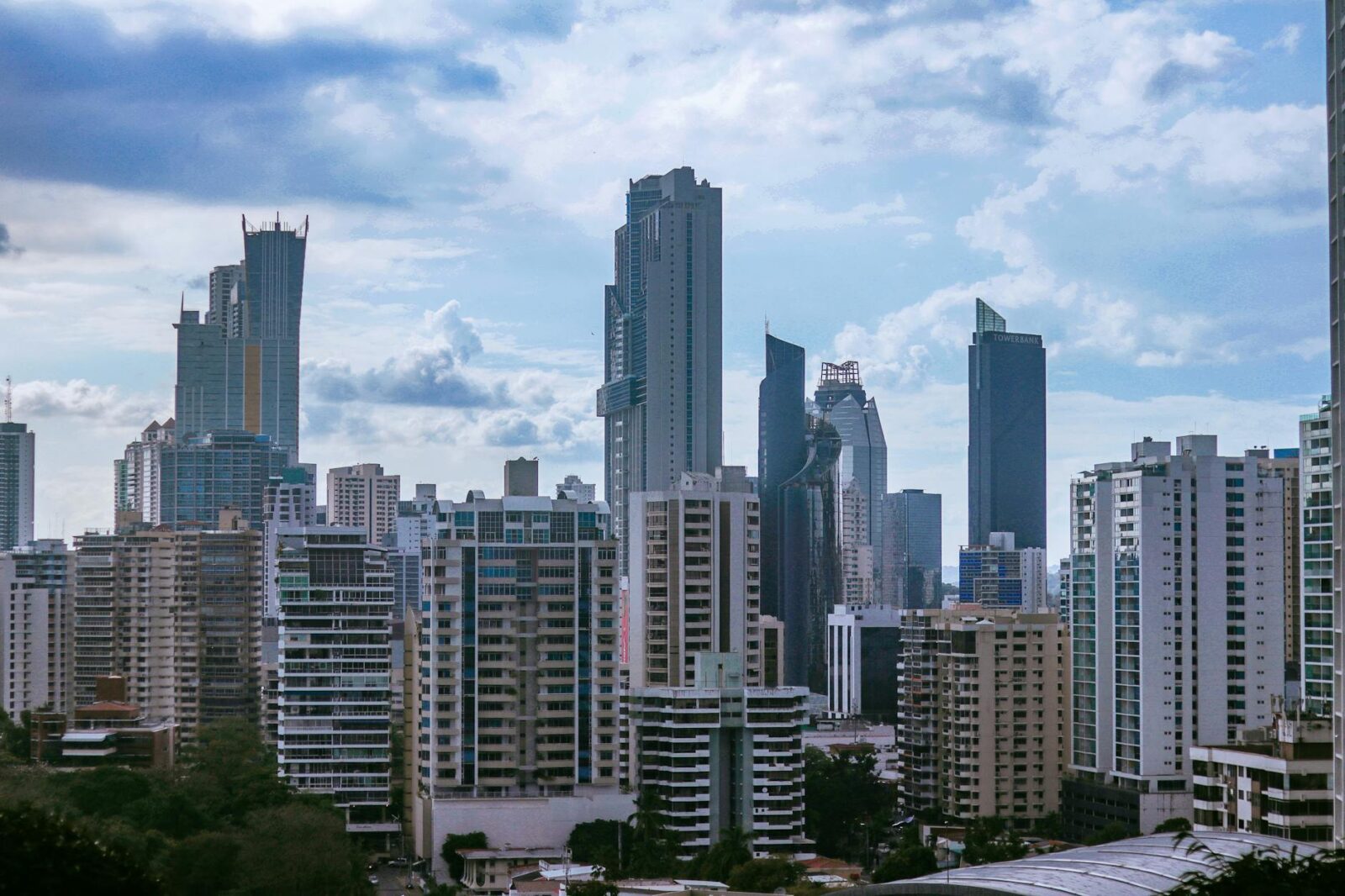
The Unbelievable Rise of China: Skyscraper Capital of the World
With over 2,800 skyscrapers towering above 150 meters, China stands indisputably as the world leader in vertical architecture. This staggering number dwarfs the combined total of the next three countries on the list. The remarkable rise of China’s skyline is a testament to its rapid urbanization and economic power. From the dizzying heights of the Shanghai Tower to the iconic Canton Tower in Guangzhou, China’s cities are a playground for architectural ingenuity.
The driving force behind this skyscraper boom is China’s burgeoning urban population, which demands both residential and commercial space in its ever-growing cities. The government’s strategic planning and investment in infrastructure have further fueled this vertical growth. For travelers, this means an endless array of breathtaking cityscapes and a chance to explore the cultural and technological advancements that have transformed China into a futuristic landscape.
Surprise: United States Holds a Steady Second
Despite China’s dominance, the United States remains a key player with over 840 skyscrapers. New York City alone boasts more than 300 of these high-rises, making it a must-visit for skyscraper enthusiasts. Iconic structures like the Empire State Building and the newly completed One Vanderbilt continue to captivate visitors and locals alike.
The U.S. skyscraper story is one of innovation and resilience, reflecting a century-long tradition of pushing the boundaries of architecture. With a focus on sustainability and design, American skyscrapers are not just tall, but also environmentally conscious. This trend is perfect for eco-minded travelers looking to explore the intersection of design and sustainability in the urban landscape.
Japan’s Skyscraper Boom: More Than Just Tokyo
Japan, with over 300 skyscrapers, is another giant in the vertical race, with Tokyo leading the charge. However, it’s not just the capital that’s reaching for the skies. Cities like Osaka and Yokohama are also contributing to the country’s impressive skyline, showcasing Japan’s blend of tradition and modernity.
The country’s penchant for earthquake-resistant architecture has pushed its engineers to innovate continuously, making Japanese skyscrapers some of the safest in the world. For those traveling to Japan, this means a chance to witness cutting-edge engineering up close, as well as enjoying panoramic views from some of the tallest observation decks in Asia.
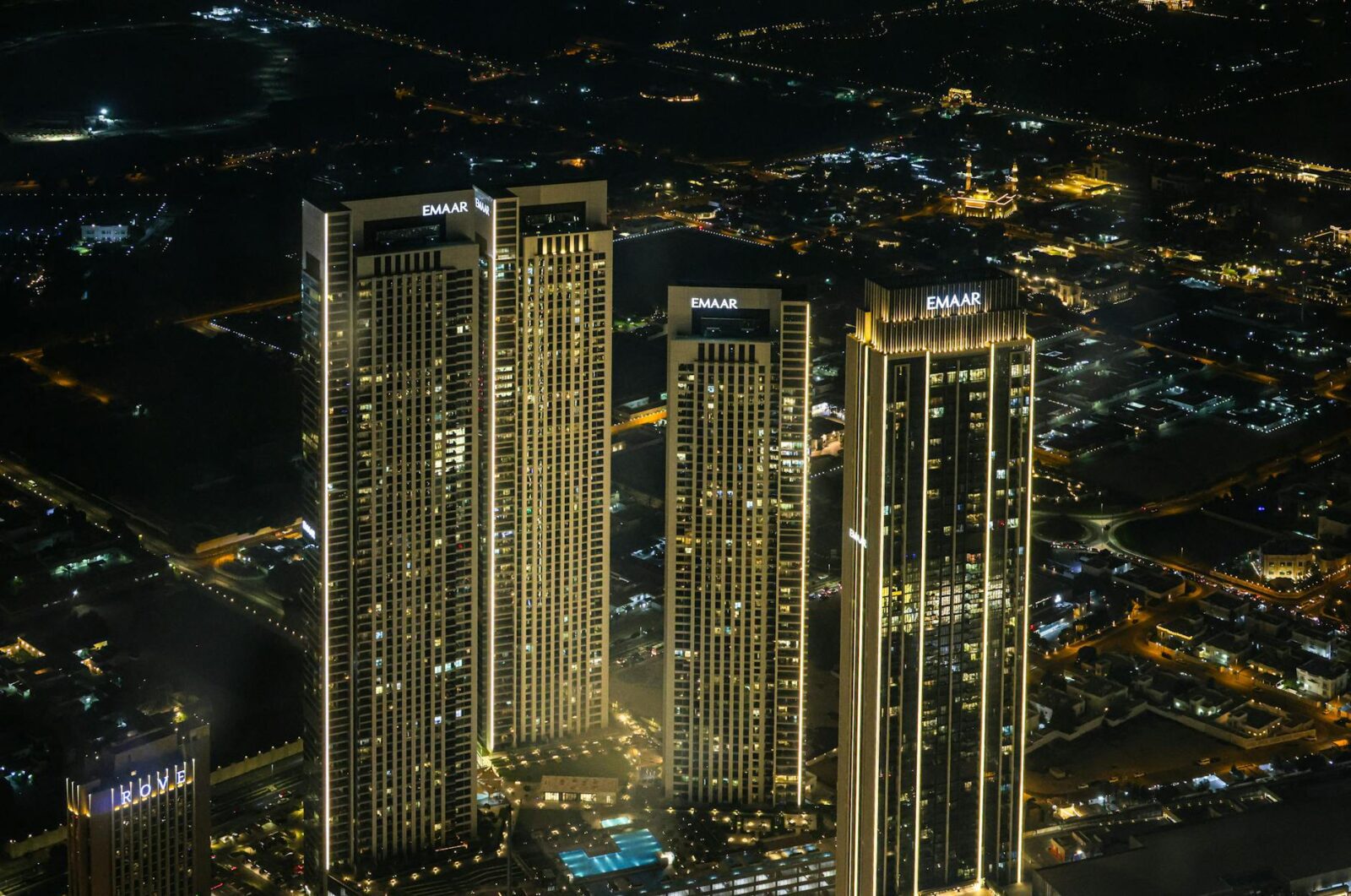
South Korea’s Vertical Surge: Not Just Seoul
South Korea is rapidly climbing the ranks with over 160 skyscrapers, primarily in Seoul. Yet, cities like Busan and Incheon are emerging as new hotspots for towering structures. The Lotte World Tower in Seoul, standing at 555 meters, is a beacon of South Korea’s architectural ambitions.
The country’s skyscraper development is fueled by its technological prowess and a strong cultural focus on urban living. Visitors to South Korea can expect a seamless blend of technology and design, with many skyscrapers incorporating smart technologies that enhance the urban experience. This makes it an intriguing destination for tech-savvy travelers.
Unexpected Contender: Indonesia’s Skyward Ascent
Indonesia, particularly Jakarta, is a surprising entry with over 150 skyscrapers. The city’s skyline is rapidly evolving, reflecting Indonesia’s economic growth and urban development. New projects continue to push the boundaries, making Jakarta an exciting city for architecture enthusiasts.
This growth is driven by the need for office and residential spaces in the bustling capital. The combination of modern skyscrapers and traditional Indonesian architecture creates a unique urban tapestry. Travelers to Jakarta will find a vibrant mix of cultures and a city that’s as dynamic as its skyline.
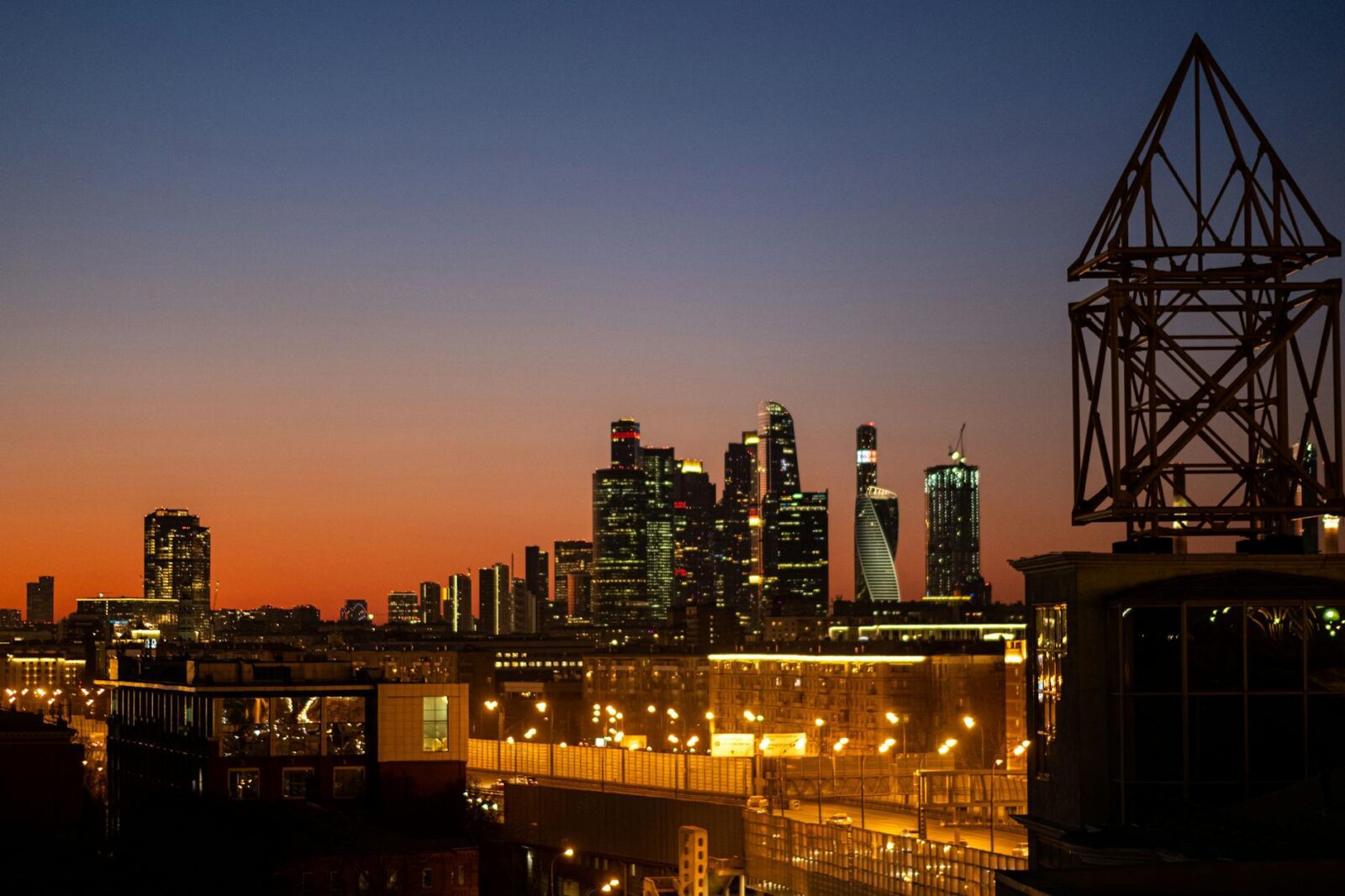
United Arab Emirates: The Pinnacle of Extravagance
Home to the world’s tallest building, the Burj Khalifa, the UAE has over 150 skyscrapers that redefine luxury and opulence. Dubai and Abu Dhabi are the epicenters of this architectural spectacle, where sky-high towers are synonymous with luxury.
The UAE’s skyscraper culture is deeply intertwined with its identity as a global luxury hub. For travelers, this means access to some of the world’s most luxurious hotels and shopping experiences set against a backdrop of stunning architectural marvels.
India’s Growing Skyline: Beyond Mumbai
India, with over 140 skyscrapers, is seeing rapid growth in its skyline, particularly in Mumbai. Yet, other cities like Bangalore and Gurugram are also contributing to the nation’s vertical expansion. The country’s blend of old and new architecture creates a unique cityscape.
This growth is a response to the urbanization pressures and economic opportunities in India’s burgeoning cities. For travelers, this means exploring cities where modern skyscrapers coexist with historic sites, offering a diverse and enriching experience.
Singapore: The Vertical Garden City
Singapore, with its compact yet striking skyline of over 130 skyscrapers, is known for its integration of greenery and sustainability. The city-state’s approach to urban planning ensures that its vertical growth is balanced with environmental considerations.
Singapore’s skyscrapers are often adorned with vertical gardens and innovative green technologies, making it a leader in sustainable urban living. Visitors can enjoy the stunning Marina Bay Sands or the lush greenery of the Parkroyal on Pickering, both examples of Singapore’s commitment to eco-friendly architecture.
Malaysia’s Twin Towers and Beyond
Malaysia, known for the iconic Petronas Twin Towers, has over 110 skyscrapers, primarily in Kuala Lumpur. These structures are a symbol of Malaysia’s economic aspirations and architectural prowess.
The city’s skyline offers a mix of modern and Islamic architectural styles, reflecting its cultural diversity. Travelers can explore the blend of tradition and modernity in Kuala Lumpur’s vibrant urban landscape.
Practical Takeaways for Travelers
For those inspired to explore these vertical marvels, the key is to plan visits to observation decks and sky lounges for the best views. Many skyscrapers offer unique experiences such as dining in the sky or interactive exhibits on architecture and engineering.
Consider visiting during festivals or events, as many skyscrapers host special activities that offer insights into local culture. Lastly, always check entry fees and timing for observation decks, as these can vary widely depending on the city and building.
FAQs About Skyscraper Travel
Which country has the most skyscrapers in the world?
China leads the world with over 2,800 skyscrapers, significantly more than any other country.
What is the tallest skyscraper in the world?
The Burj Khalifa in Dubai, UAE, holds the title, standing at an awe-inspiring 828 meters (2,717 feet).
Are skyscrapers safe to visit?
Yes, modern skyscrapers are designed with advanced safety features, including earthquake and fire-resistant technologies.
What are the best cities to visit for skyscraper enthusiasts?
New York City, Hong Kong, Shanghai, and Dubai are top destinations for those fascinated by skyscrapers.
How can I experience the best views from a skyscraper?
Visit observation decks or sky lounges, often found in the tallest buildings. Timing your visit for sunset can provide spectacular views.
Stay informed with the latest travel news, visa updates, and destination guides. Follow HimalayanCrest.com for weekly travel intelligence delivered by our editorial team.