

The Unyielding Grip of Conflict on Hunger
In the heart of London, a gathering of global leaders and policymakers took place on April 24, 2026, marking the launch of the 10th Global Report on Food Crises. Minister for Development, Jenny Chapman, delivered a poignant speech highlighting a harrowing reality: conflict remains the predominant driver of hunger and malnutrition worldwide. The report reveals that more than 80% of those enduring severe hunger reside in regions plagued by ongoing conflict, fragility, and crises.
Conflict wreaks havoc on food production, disrupts trade routes, and devastates livelihoods, creating a ripple effect that exacerbates food insecurity. The closure of the Strait of Hormuz, for instance, has propelled fuel and fertilizer prices upward, disproportionately impacting the world’s most impoverished communities. Despite the United Nations’ assertion that a global food price crisis is not inevitable, the continuous strain on resources heightens this looming threat.
Impact on Affected Countries and Populations
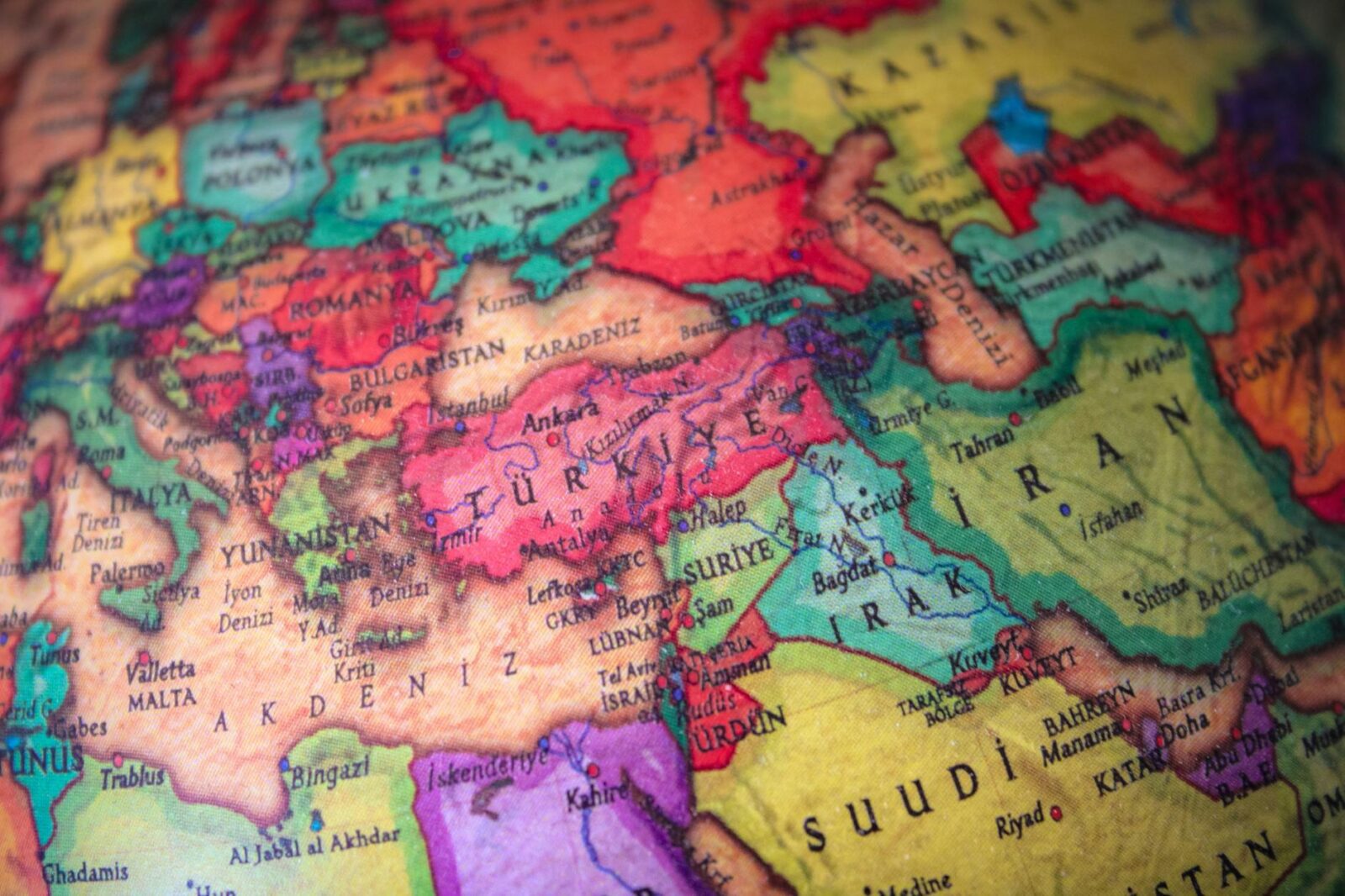
The 2026 Global Report on Food Crises identifies that conflict-affected areas in the Middle East, Sudan, and Ukraine are among the most severely impacted. In these regions, conflict has disrupted agricultural cycles and blocked critical supply chains, leaving millions in a precarious state of food insecurity. According to the report, nearly 150 million people are facing acute food shortages due to ongoing conflicts.
Countries such as Yemen, Syria, and Afghanistan continue to grapple with the compounded effects of war and economic instability, making them focal points of the global hunger crisis. Moreover, countries heavily reliant on Gulf fertilizers are experiencing significant agricultural setbacks, further stressing their food systems.
Guidance for Affected Travelers and Nationals
For travelers, expatriates, and nationals from conflict-affected countries, understanding visa and immigration policies becomes crucial. As conflict zones often lead to increased migration, affected individuals should stay informed about changes in visa requirements and seek support from their respective embassies.
- Check the latest travel advisories on official government websites like travel.state.gov.
- Contact local embassies for guidance on visa applications and refugee support services.
- Consider alternative travel routes and seek advice from international aid organizations for safe passage.
Global Comparisons: How Other Nations Address Food Crises
Countries around the world have adopted various strategies to combat food insecurity. For instance, Brazil has implemented community-driven food programs that bolster local agricultural production. Meanwhile, Ethiopia has prioritized sustainable farming practices to enhance food resilience in rural areas.
In contrast, some nations, like the United States, have focused on technological advancements to improve crop yields, while others, like India, have developed extensive public distribution systems to ensure food availability to their most vulnerable populations.
Implications for Investors and Citizenship Seekers
Investors eyeing opportunities in agriculture and food supply chains should be acutely aware of the risks posed by conflicts. While regions affected by food crises may present opportunities for humanitarian investment, the volatility of these areas requires a careful assessment of security and political stability.
For those seeking citizenship through investment in affected regions, it’s vital to evaluate the long-term sustainability of such commitments. Countries offering citizenship by investment programs may impose specific conditions related to economic contribution, which should be scrutinized in the context of current food and security challenges.
Future Outlook: Addressing the Root Causes
As global leaders convene to address the ongoing food crises, a collective effort to tackle the root causes of conflict is paramount. This includes diplomatic initiatives to resolve political tensions, as well as investments in infrastructure and education to promote peace and stability.
Moreover, international cooperation in climate adaptation strategies can mitigate the exacerbating effects of climate change on food production. By fostering resilience in agricultural systems, communities can better withstand the shocks of conflict and environmental changes.
FAQ Section
Why is conflict a leading cause of hunger?
Conflict disrupts food production, trade routes, and livelihoods, leading to shortages and increased prices, which disproportionately affect vulnerable populations.
Which countries are most affected by food crises?
Countries in the Middle East, Sudan, and Ukraine are severely impacted, with ongoing conflicts exacerbating food insecurity.
How can affected individuals access support?
Affected individuals should consult their embassies, check travel advisories, and seek guidance from international aid organizations for support and safe passage.
What are the global efforts to combat food crises?
Global efforts include diplomatic initiatives, sustainable farming practices, and technological advancements to improve food resilience and availability.
How do food crises impact global migration?
Food crises often lead to increased migration as individuals flee conflict zones in search of safety and stability, impacting immigration policies and international aid efforts.
Stay informed with the latest travel news, visa updates, and destination guides. Follow HimalayanCrest.com for weekly travel intelligence delivered by our editorial team.