

The Allure of Morocco: Beyond Marrakech’s Borders
Amid the labyrinthine souks and bustling squares of Marrakech, a world awaits just beyond the city limits, beckoning with its quieter charm and untold stories. Picture the sun dipping below the horizon, casting a golden hue over the ancient kasbahs of Ait Benhaddou, or the rhythmic crash of waves against the Atlantic coast in Essaouira. This is Morocco, a land of contrasts and a canvas of colors that extend far beyond the famed pink walls of Marrakech.
Why Now is the Perfect Time to Explore
Morocco is experiencing a renaissance in travel interest, with its rich tapestry of history and culture drawing global wanderers. The Moroccan government has invested heavily in infrastructure, making 2026 an ideal year to explore. Improved roads connect remote areas like the Sahara Desert and the majestic Atlas Mountains, while cities like Fes and Chefchaouen have embraced sustainable tourism practices. This commitment to preserving Morocco’s natural and cultural heritage ensures an authentic experience for today’s traveler.
Best Time to Visit: A Seasonal Guide
While Morocco offers year-round charm, timing your visit can significantly enhance your experience. Spring (March to May) bathes the countryside in vibrant blooms and moderate temperatures, ideal for exploring the Atlas Mountains or wandering the medinas of Fes. Summer (June to August) can be scorching, especially inland, but the coastal breezes in Essaouira offer respite. Autumn (September to November) is perfect for the Sahara, with cooler nights making desert camping a delight. Winters (December to February) bring snow to the Atlas peaks, providing a stunning backdrop to your Moroccan adventure.
Where to Stay: From Riads to Luxury Retreats
Morocco’s accommodation options cater to all budgets and tastes. Budget travelers can find comfort in charming hostels or traditional riads, with prices ranging from $30 to $50 per night in cities like Chefchaouen. Mid-range travelers might enjoy the boutique hotels in Fes, priced between $80 to $150, offering a blend of modern amenities and Moroccan decor. For a taste of luxury, the coastal resorts of Agadir offer opulence starting at $200 per night, with world-class service and stunning ocean views.
Unforgettable Experiences Beyond the Tourist Trail
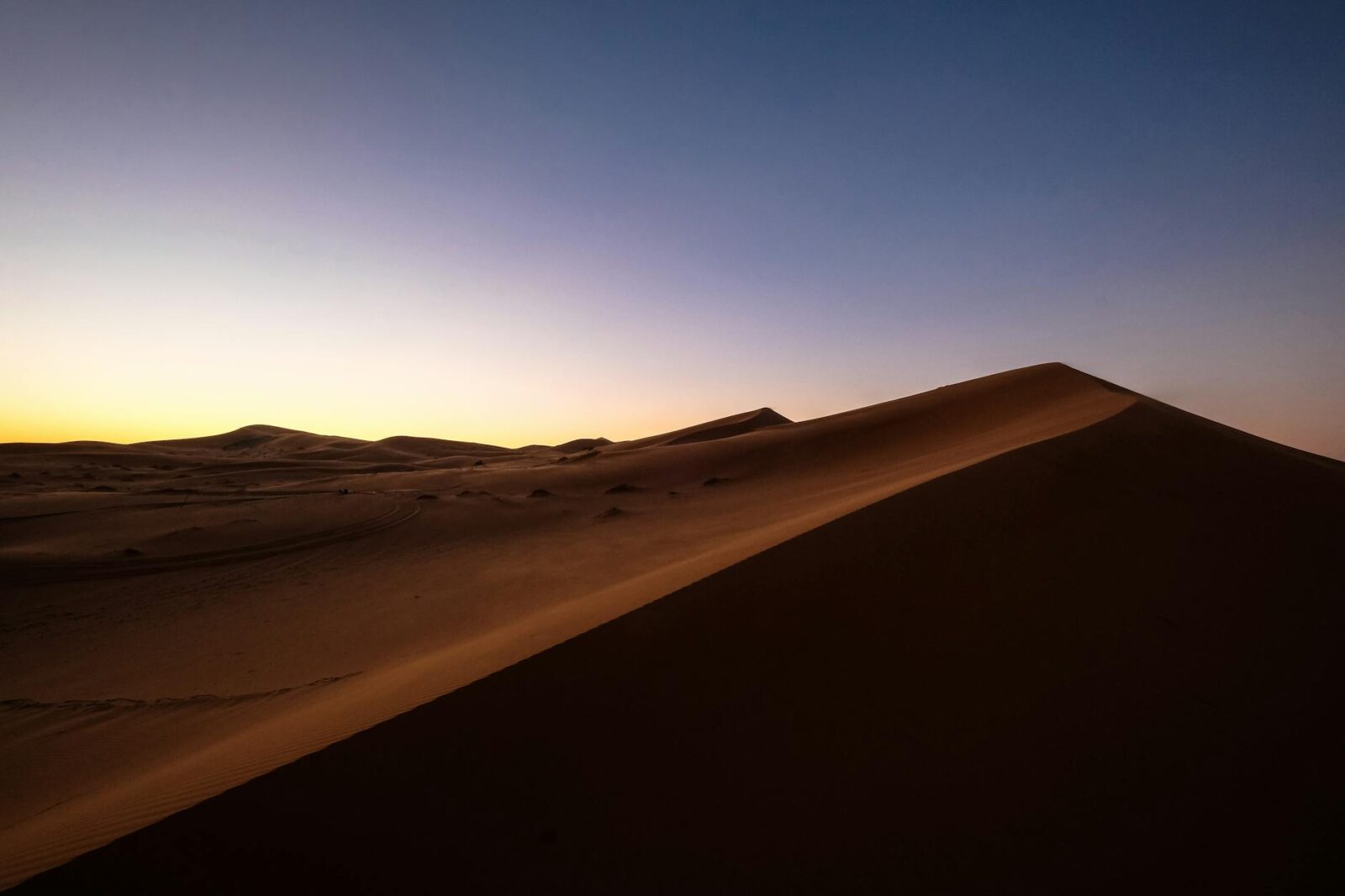
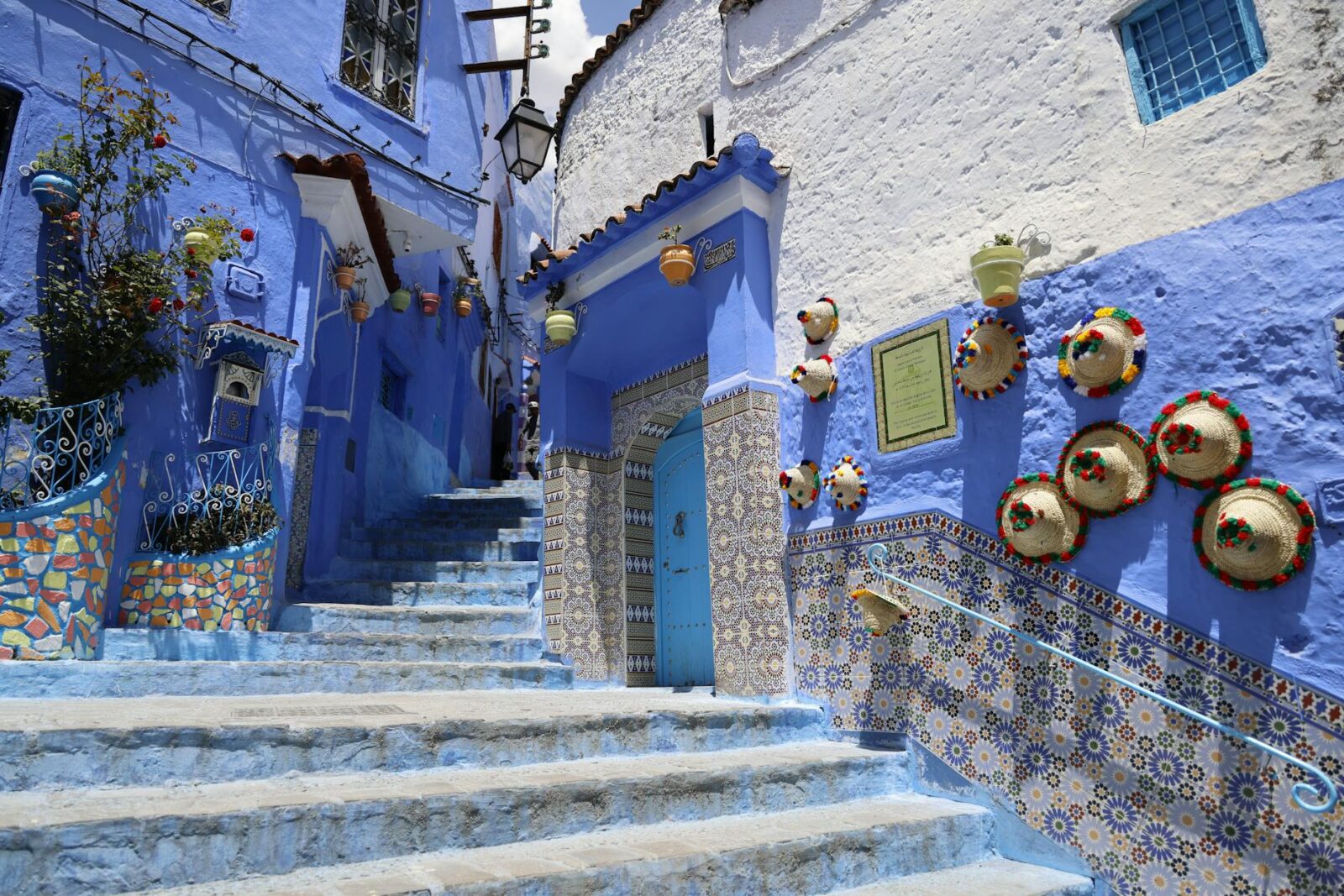
Morocco’s diverse landscapes and cultural offerings promise unforgettable experiences. Begin with a trek through the Atlas Mountains, where local guides lead you through Berber villages untouched by time. For a taste of Morocco’s artistic soul, visit the blue streets of Chefchaouen, a photographer’s paradise. Adventure seekers can head to the Sahara Desert for camel treks across the dunes of Merzouga, culminating in a night under a star-filled sky. In Essaouira, the blend of music, art, and the Atlantic breeze provides a refreshing contrast to the desert’s intensity.
Culinary Delights: A Feast for the Senses
No visit to Morocco is complete without indulging in its culinary delights. Savor a traditional tagine, a slow-cooked stew often served with couscous, available in local eateries across Marrakech for around $5. In Fes, sample pastilla, a savory-sweet pie filled with spiced meat and dusted with powdered sugar. Street vendors offer harira, a hearty soup perfect for cooler evenings, while mint tea rituals provide a soothing pause amidst the day’s adventures.
Travel Logistics: Getting There and Around
Reaching Morocco is straightforward, with major international airports in Casablanca, Marrakech, and Fes. Budget airlines offer competitive fares, particularly from Europe. Once in Morocco, trains connect key cities affordably, while shared taxis and buses offer a budget-friendly way to explore rural areas. A tourist visa is required for many visitors, available on arrival for $25 USD. Always check the latest entry requirements on official government websites before your trip.
Cultural Insights and Common Mistakes
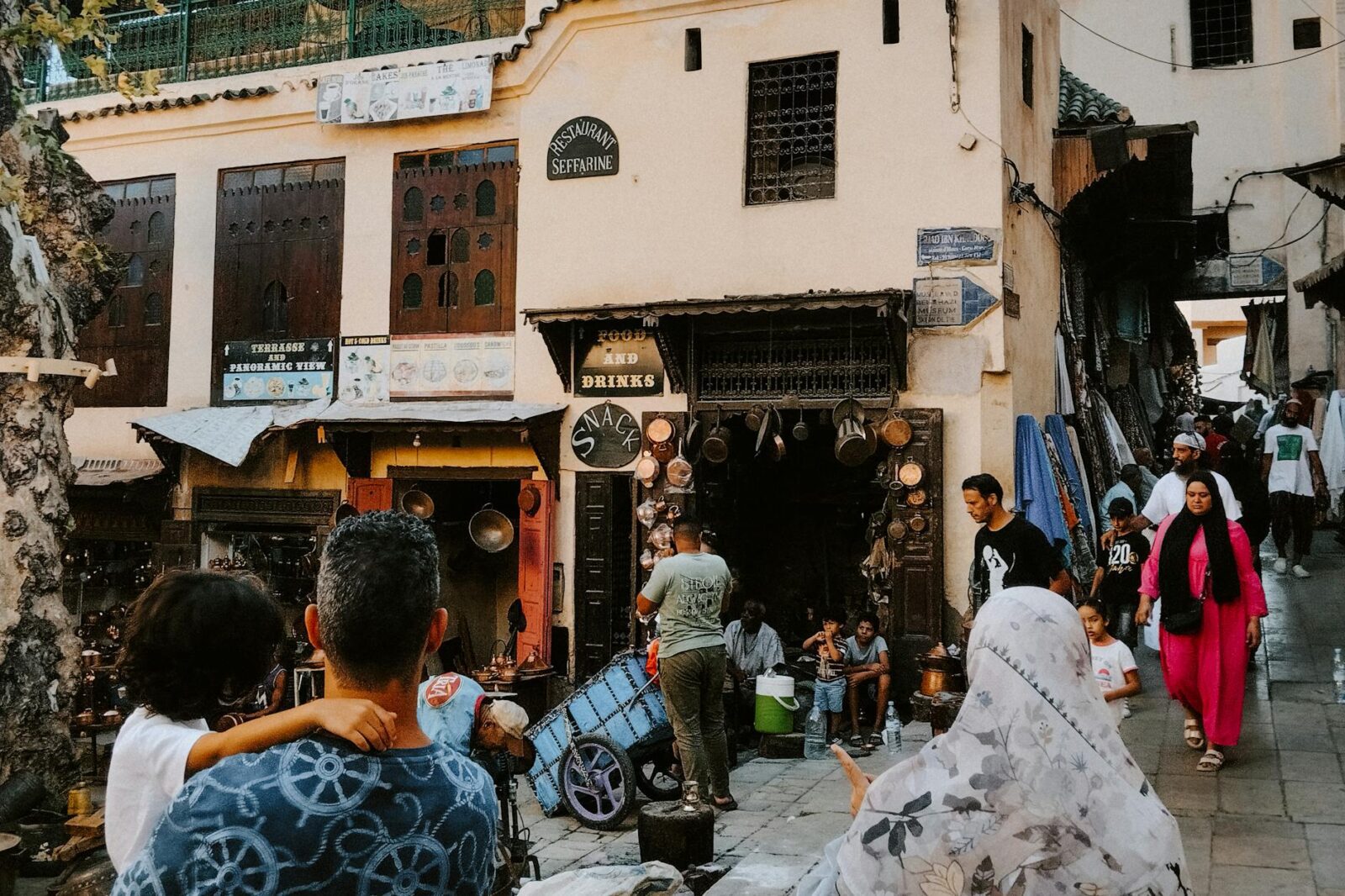
Understanding local customs can enrich your Moroccan journey. Dress modestly, especially in rural areas and religious sites. Learn a few basic Arabic or Berber phrases; locals appreciate the effort and it can enhance your interactions. Bargaining is part of the shopping experience in souks—start low and enjoy the exchange. Avoid photographing people without permission; respect and politeness go a long way in Moroccan society.
FAQs About Morocco
Is Morocco safe for solo travelers?
Yes, Morocco is generally safe for solo travelers, but it’s wise to stay aware of your surroundings and follow local advice, especially in busy areas.
What is the currency in Morocco?
The currency is the Moroccan Dirham (MAD). As of 2026, 1 USD equals approximately 10.5 MAD. Credit cards are widely accepted, but having cash for markets and small vendors is useful.
Can I use public transportation in Morocco?
Yes, Morocco has a reliable train network connecting major cities. Buses and shared taxis are available for more remote areas. Renting a car is an option for exploring at your own pace.
What should I wear in Morocco?
Dress modestly to respect local customs. Light, breathable clothing is recommended for the heat, and layers are useful for cooler evenings.
Do I need to tip in Morocco?
Tipping is customary in Morocco. A 10% tip in restaurants is appreciated, and a small tip for guides and hotel staff is customary.
Stay informed with the latest travel news, visa updates, and destination guides. Follow HimalayanCrest.com for weekly travel intelligence delivered by our editorial team.