

Australia: An Island Continent
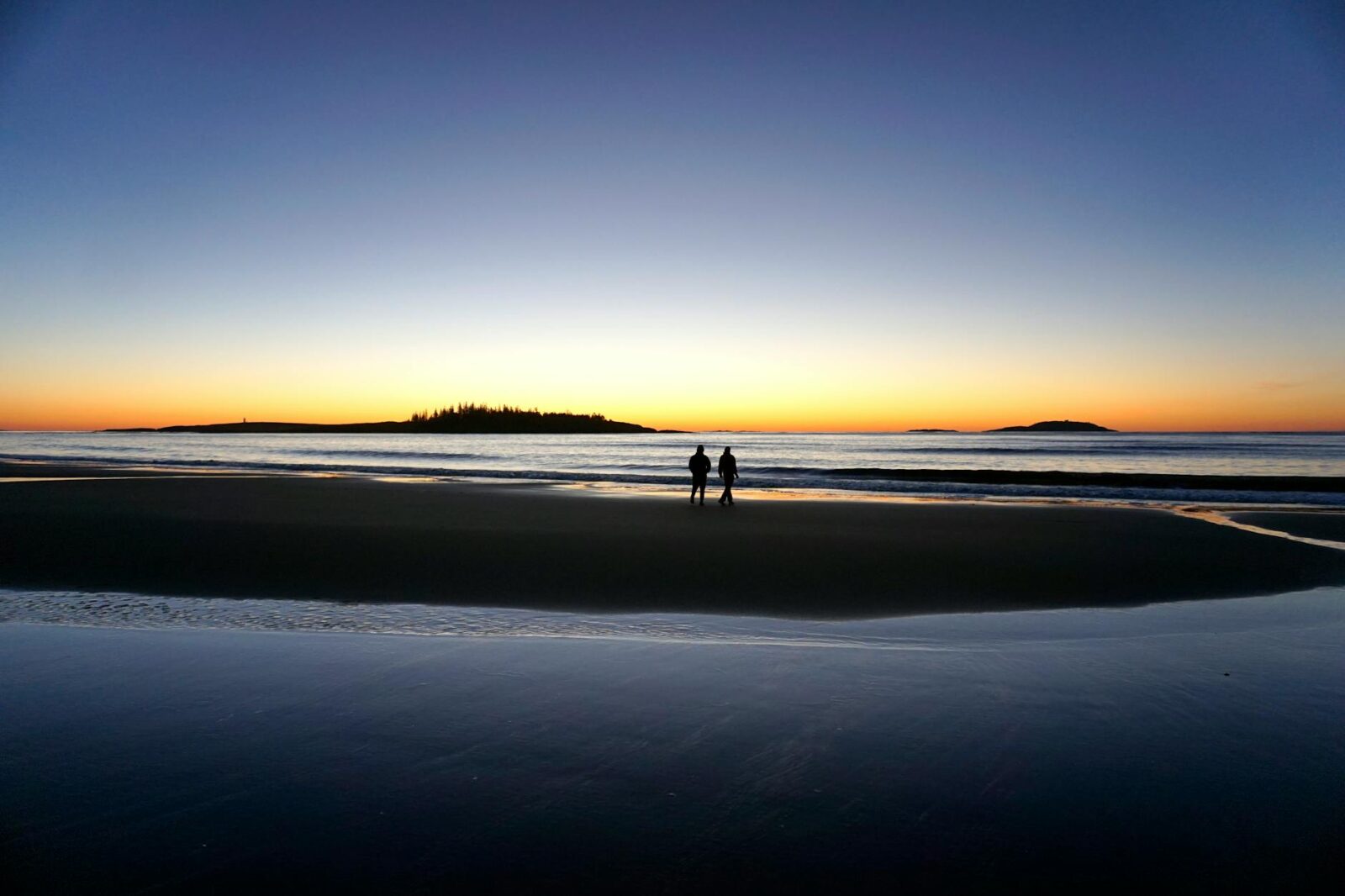
Did you know that Australia is the only country that is also a continent? This massive island nation has no land borders, surrounded entirely by the Indian and Pacific Oceans. Australia’s isolation has led to the evolution of unique wildlife not found anywhere else, such as kangaroos and koalas. It’s a paradise for nature lovers and adventure seekers.
The Great Barrier Reef, the world’s largest coral reef system, attracts millions of tourists annually. Australia’s diverse landscapes range from the arid outback to lush rainforests and vibrant cities like Sydney and Melbourne. For travelers, Australia offers a blend of natural wonders and cultural experiences that are truly unparalleled.
Japan: The Land of the Rising Sun
Japan consists of four main islands—Honshu, Hokkaido, Kyushu, and Shikoku—and is surrounded by the Sea of Japan, the East China Sea, and the Pacific Ocean. Its geographical isolation has preserved a rich cultural heritage. From the ancient temples of Kyoto to the bustling streets of Tokyo, Japan’s contrasts are a feast for the senses.
Travelers are drawn to Japan for its blend of tradition and modernity. The country is famous for its cherry blossoms, sushi, and technology. Visitors can enjoy a serene moment in a Zen garden or immerse themselves in the cutting-edge world of robotics. Japan’s efficient public transport makes it easy to explore this fascinating nation.
Iceland: Land of Fire and Ice
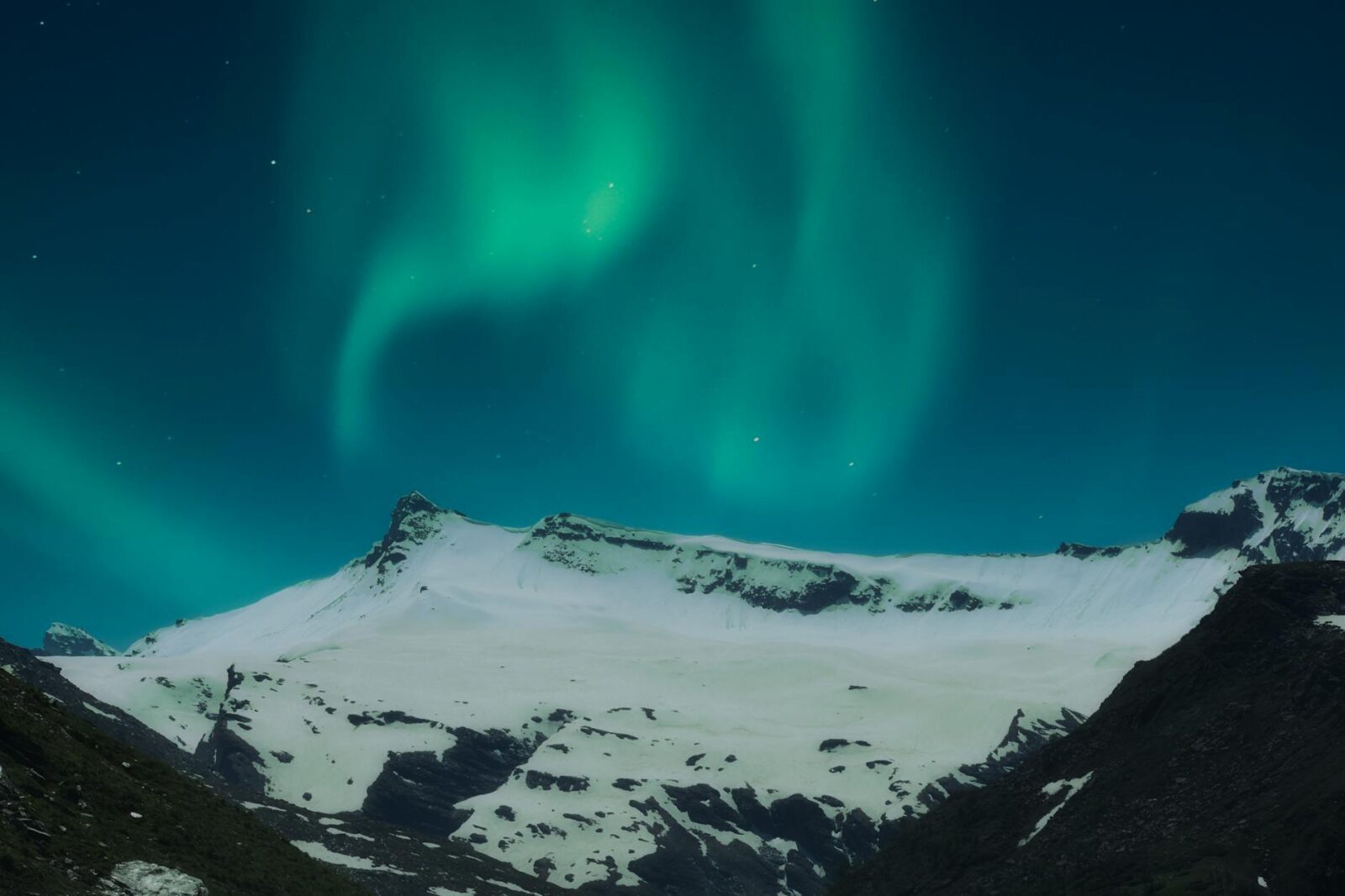
Iceland is known for its dramatic landscapes, featuring geysers, hot springs, volcanoes, and glaciers. This island nation in the North Atlantic Ocean has no land borders, which has helped it maintain its unique natural beauty. The stunning Northern Lights are a major draw for visitors, especially during the winter months.
For those seeking adventure, Iceland offers activities like glacier hiking, whale watching, and exploring ice caves. The country’s geothermal pools, such as the Blue Lagoon, provide a relaxing escape amid the rugged terrain. Iceland’s capital, Reykjavik, is a hub of culture and nightlife, offering a vibrant contrast to the serene countryside.
New Zealand: Aotearoa, Land of the Long White Cloud
New Zealand is composed of two main islands, the North Island and the South Island, and numerous smaller islands. Situated in the southwestern Pacific Ocean, it is renowned for its breathtaking landscapes, from snow-capped mountains to lush forests and pristine beaches.
Fans of the “Lord of the Rings” films flock to New Zealand to experience the dramatic scenery firsthand. The country is a haven for outdoor enthusiasts, offering activities such as hiking, bungee jumping, and skiing. Maori culture is an integral part of New Zealand’s identity, and visitors can learn about indigenous traditions through cultural performances and art.
Philippines: An Archipelago of Over 7,000 Islands
The Philippines is an archipelago consisting of 7,641 islands, making it one of the most biodiverse countries in the world. Located in Southeast Asia, it is surrounded by the South China Sea, the Philippine Sea, and the Celebes Sea. The country’s lack of land borders has contributed to its rich cultural tapestry, influenced by Malay, Spanish, and American heritages.
White sandy beaches, crystal-clear waters, and vibrant coral reefs make the Philippines a dream destination for beach lovers and divers. The islands of Palawan, Boracay, and Cebu are particularly popular for their stunning natural beauty. Filipino hospitality and delicious cuisine, such as adobo and lechon, add to the allure of this tropical paradise.
Madagascar: A World Apart
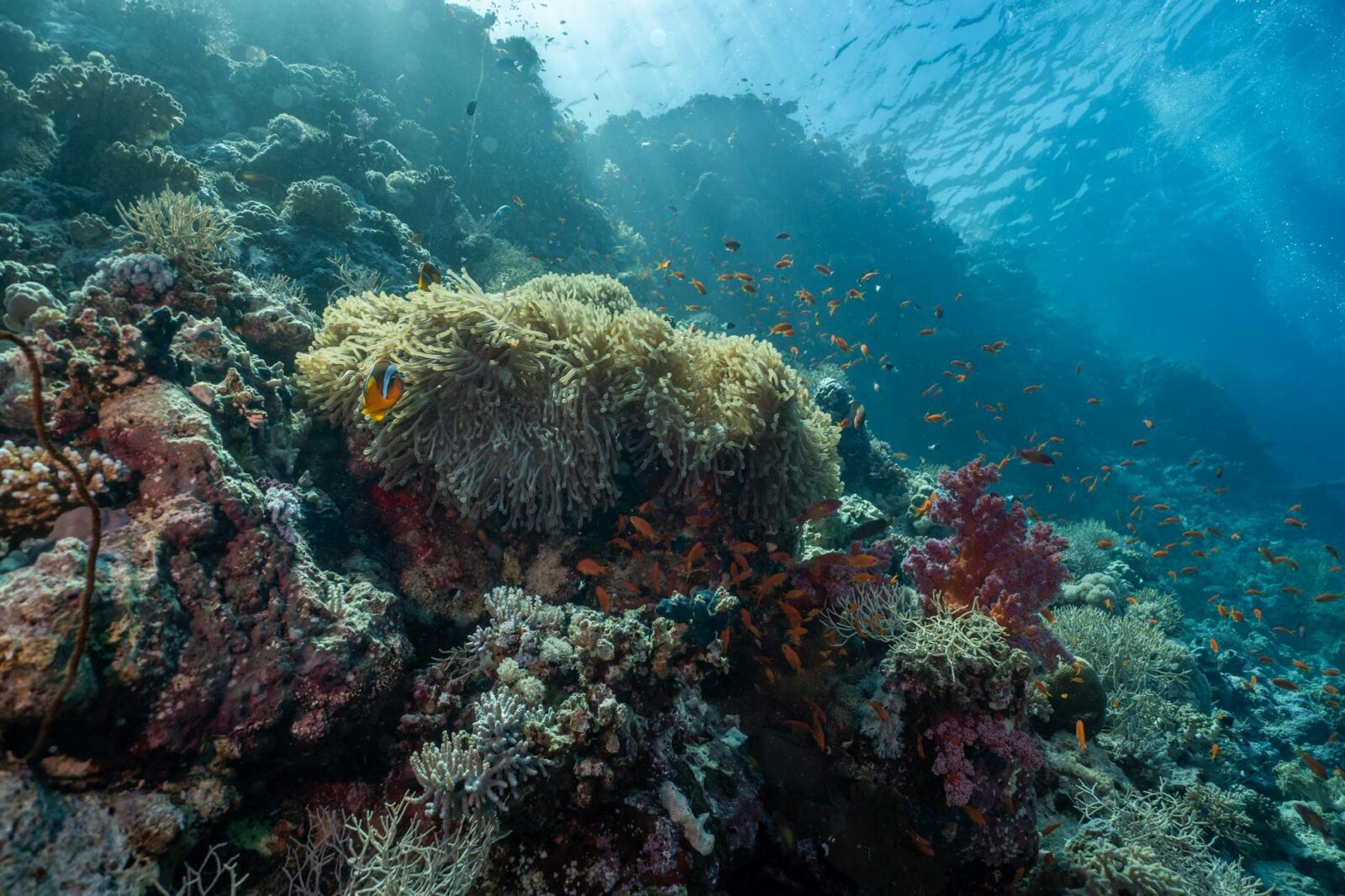
Madagascar, the world’s fourth-largest island, is located off the southeast coast of Africa in the Indian Ocean. Its isolation has led to the development of unique flora and fauna, with over 90% of its wildlife found nowhere else on Earth. Lemurs, baobabs, and chameleons are just a few of the species that make Madagascar a biodiversity hotspot.
Travelers to Madagascar can explore diverse ecosystems, from rainforests to deserts. The Avenue of the Baobabs, a striking landscape of towering trees, is a must-see. Madagascar’s rich cultural heritage is reflected in its music, dance, and traditional crafts, offering visitors a glimpse into the island’s vibrant history.
Fiji: The Heart of the South Pacific
Fiji is an archipelago of over 300 islands in the South Pacific Ocean. Known for its stunning beaches and coral reefs, Fiji is a popular destination for honeymooners and scuba divers. The country’s isolation has preserved its natural beauty and vibrant Fijian culture.
Visitors to Fiji can enjoy activities such as snorkeling, island hopping, and participating in traditional ceremonies like the kava ritual. The warm and welcoming Fijian people make it easy for travelers to feel at home. With its idyllic setting and rich culture, Fiji offers a perfect blend of relaxation and adventure.
Maldives: A Tropical Paradise
The Maldives is a tropical paradise in the Indian Ocean, composed of 26 atolls and over 1,000 coral islands. Known for its luxury resorts and pristine beaches, it is a sought-after destination for those seeking a luxurious escape. The absence of land borders has allowed the Maldives to maintain its tranquil, secluded atmosphere.
Scuba diving and snorkeling are popular activities in the Maldives, where visitors can explore vibrant coral reefs teeming with marine life. The country’s unique overwater bungalows offer a one-of-a-kind lodging experience. The Maldivian culture, influenced by Indian, Arab, and African traditions, adds to the island’s allure.
Singapore: The Lion City
Singapore is a city-state located at the southern tip of the Malay Peninsula. While it shares maritime borders with Indonesia and Malaysia, it has no land borders, being entirely surrounded by water. Singapore is renowned for its cleanliness, efficient public transport, and thriving economy.
The city’s skyline is a blend of futuristic architecture and lush greenery, earning it the nickname “Garden City.” Singapore offers a diverse culinary scene, with hawker centers serving dishes from various Asian cuisines. The country’s strict laws and regulations ensure a safe and orderly environment for residents and visitors alike.
Sri Lanka: The Pearl of the Indian Ocean
Sri Lanka is an island nation located off the southern coast of India in the Indian Ocean. Known for its ancient ruins, lush landscapes, and diverse wildlife, Sri Lanka is a treasure trove of natural and cultural wonders. The lack of land borders has helped preserve its rich history and biodiversity.
Travelers to Sri Lanka can explore UNESCO World Heritage Sites such as Sigiriya and the sacred city of Kandy. The island’s stunning beaches and national parks provide opportunities for relaxation and wildlife spotting. Sri Lankan cuisine, with its bold flavors and aromatic spices, is a highlight for food enthusiasts.
Practical Takeaways for Travelers
Exploring countries without land borders offers unique opportunities for adventure and cultural immersion. When planning your journey, consider the following tips:
- Research visa requirements and travel restrictions for each destination.
- Book accommodations in advance, especially in popular tourist areas.
- Embrace local customs and traditions to enhance your travel experience.
- Stay informed about weather conditions, particularly in island nations prone to tropical storms.
FAQ
What are some benefits of visiting countries without land borders?
Countries without land borders often offer unique ecosystems, preserved cultural heritage, and fewer tourists, providing a more intimate travel experience.
How do I travel between islands in countries like the Philippines and Fiji?
Inter-island travel is typically facilitated by domestic flights or ferries. It is advisable to book tickets in advance, especially during peak travel seasons.
Are there any specific safety concerns for travelers in island nations?
While most island nations are safe for tourists, it is important to be aware of natural hazards such as tropical storms and to follow local safety guidelines.
What cultural experiences can I expect in countries without land borders?
Visitors can enjoy diverse cultural experiences, from traditional music and dance performances to unique culinary offerings and local festivals.
Stay informed with the latest travel news, visa updates, and destination guides. Follow HimalayanCrest.com for weekly travel intelligence delivered by our editorial team.